
In the modern era, the question “How many calories do I eat?” has shifted from a manual, estimation-based puzzle to a sophisticated data-science challenge. No longer are individuals forced to carry dog-eared paper booklets of caloric values or rely on guestimations at the dinner table. Today, the answer is found at the intersection of Big Data, wearable hardware, and Artificial Intelligence. The “quantified self” movement has transformed nutrition from a biological mystery into a technical metric that can be tracked, analyzed, and optimized with surgical precision.
This article explores the technological landscape that powers our ability to answer this fundamental question, examining the software, hardware, and emerging AI tools that have revolutionized the way we interface with our daily energy intake.
The Digital Transformation of Dietetics: Software and Algorithmic Foundations
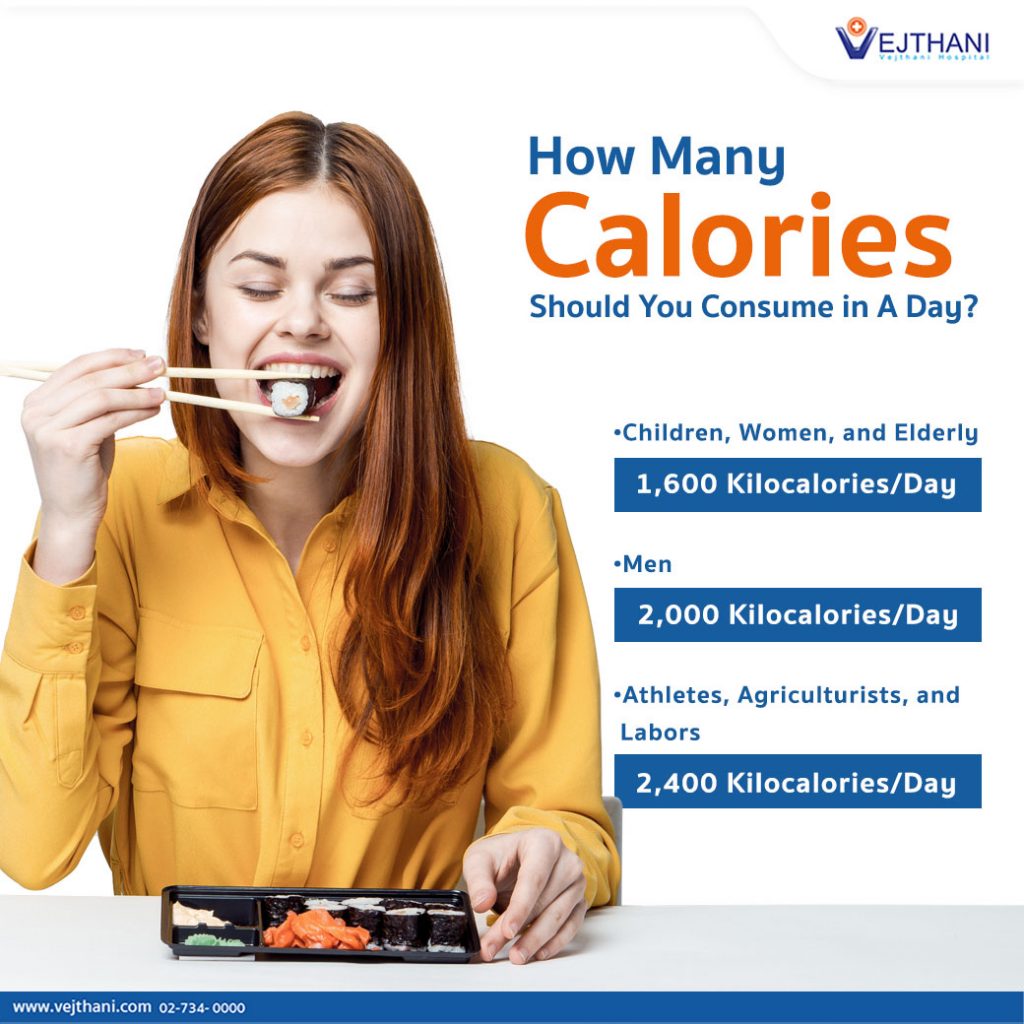
The first step in answering “How many calories do I eat?” via technology occurred with the migration of massive nutritional databases to the cloud. What was once a labor-intensive process is now a streamlined user experience powered by complex backend architecture.
The Rise of the Algorithm: How BMR and TDEE are Calculated Digitally
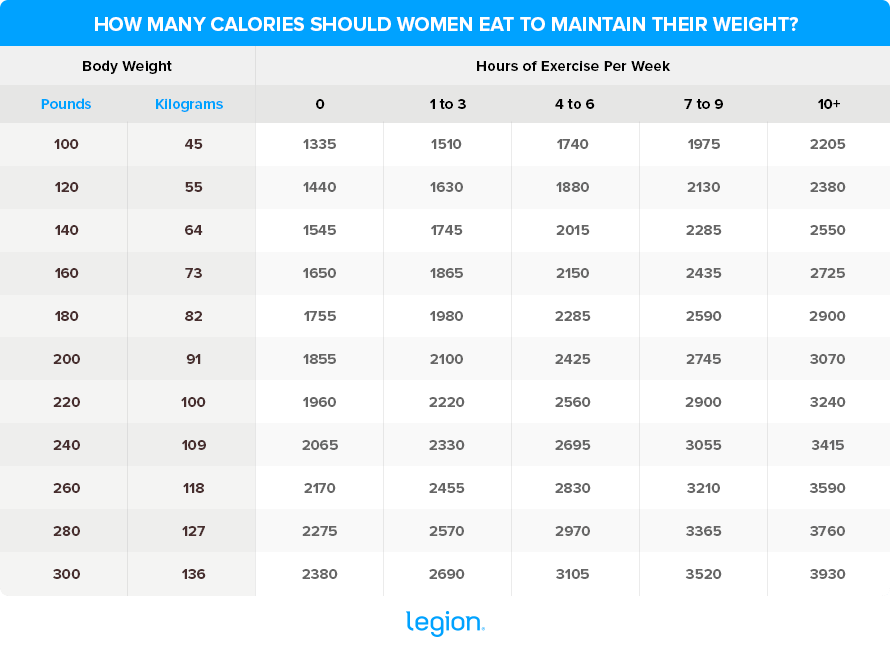
At the heart of every nutritional app—from MyFitnessPal to Cronometer—is a series of mathematical models. When a user inputs their height, weight, and age, the software utilizes algorithms such as the Mifflin-St Jeor equation or the Harris-Benedict formula to calculate Basal Metabolic Rate (BMR).
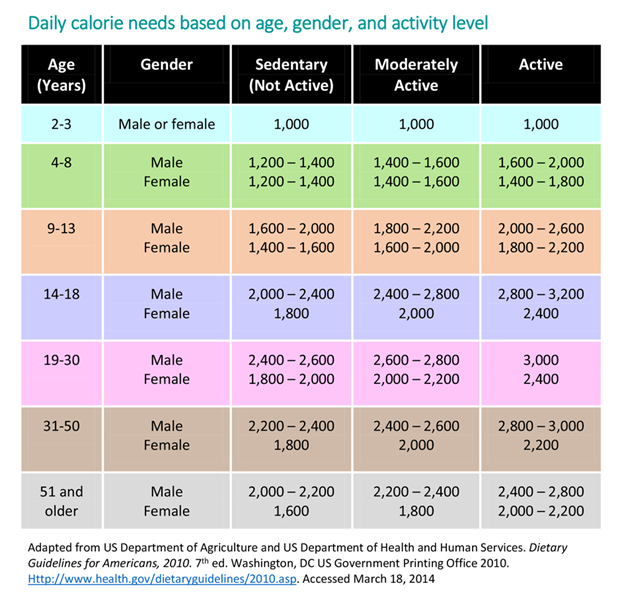
However, the tech goes deeper than simple multiplication. Modern software now employs “Total Daily Energy Expenditure” (TDEE) algorithms that adjust in real-time based on activity data synced from other digital ecosystems. These algorithms are the “operating system” of a user’s metabolism, providing a dynamic baseline that adjusts as the user’s data points change.
Cloud-Syncing and the Global Database of Nutrition
The utility of a tracking tool is only as good as its data. Tech platforms now leverage massive, crowdsourced relational databases. When you scan a barcode using a smartphone camera, the app performs a rapid API call to a global database containing millions of verified Universal Product Codes (UPCs). This infrastructure allows for “recursive data verification,” where the software cross-references user entries with manufacturer-provided data to ensure the caloric count is accurate down to the milligram.
Wearable Tech and Biometric Feedback: Beyond Manual Entry
While software handles the input (what you eat), wearable technology has revolutionized our understanding of the output (what you burn), which is the second half of the caloric equation. The hardware on our wrists and fingers provides a constant stream of biometric data that refines the answer to how many calories we actually need to consume.
Optical Heart Rate Sensors and Metabolic Estimation
Modern wearables, such as the Apple Watch, Garmin, and WHOOP, utilize photoplethysmography (PPG)—using green LED lights to measure blood flow volume changes at the wrist. By integrating this heart rate data with motion data from tri-axial accelerometers, these devices calculate “active calories” with increasing accuracy. The technology has evolved from simple step-counting to sophisticated “metabolic equivalence” (MET) tracking, allowing the device to distinguish between a stroll and a high-intensity interval training session, thereby refining the user’s daily caloric requirements.
Integrating Continuous Glucose Monitors (CGMs) for Real-Time Caloric Response
Perhaps the most significant leap in nutritional tech is the consumerization of Continuous Glucose Monitors (CGMs). Originally medical devices for diabetics, companies like Levels and Nutrisense have repositioned them as elite performance tools. By inserting a filament under the skin, these sensors provide a real-time data feed of blood glucose levels to a smartphone via Bluetooth.
This tech allows users to see exactly how their body reacts to specific caloric loads. It shifts the focus from “how many calories” to “how these calories affect my metabolic stability,” providing a granular level of technical insight that was previously available only in laboratory settings.
The Role of Artificial Intelligence and Computer Vision
We are currently entering the third generation of nutritional tracking, defined by Artificial Intelligence. The friction of “manual logging”—the primary reason users abandon nutritional tracking—is being dismantled by machine learning and neural networks.
From Manual Entry to Image Recognition: Snap and Track
Computer Vision is the newest frontier in answering the caloric question. Using Large Multimodal Models (LMMs), apps can now analyze a photograph of a meal and identify the components within it. Through a process known as “instance segmentation,” an AI can distinguish between a piece of grilled chicken and a side of quinoa, estimate the volume based on the plate size (using the phone’s lidar or reference objects), and calculate a caloric estimate almost instantaneously.
This technology relies on deep learning models trained on millions of food images. As the AI matures, it is moving beyond simple identification to “contextual estimation,” where it can account for hidden variables like cooking oils or sauces based on the “visual signature” of the dish.
Predictive Analytics: Using Machine Learning to Forecast Nutritional Needs
Advanced health platforms are now moving from descriptive analytics (what happened) to predictive analytics (what will happen). By analyzing months of data regarding sleep quality, stress levels (via Heart Rate Variability), and previous caloric intake, AI agents can now provide “proactive caloric guidance.”
For example, if a user’s wearable detects a period of poor sleep (high recovery demand) and an upcoming scheduled high-intensity workout (high energy demand), the AI can adjust the suggested caloric intake for the day before a single bite is even taken. This represents the shift from a digital diary to a digital coach.
Data Security and Privacy in the Health-Tech Ecosystem
As we rely more on technology to track our caloric intake, we generate a massive “digital exhaust” of highly sensitive biometric and behavioral data. This brings the focus toward digital security and the ethical implications of health-tech data management.
The Risks of Centralized Health Data
Every meal logged and every heartbeat recorded is stored on a server. For tech companies, this data is a goldmine for behavioral profiling. The primary concern in the “How many calories do I eat” tech niche is the potential for this data to be de-anonymized. If a user’s nutritional habits and metabolic health data were leaked, it could theoretically impact insurance premiums or be used for hyper-targeted (and potentially predatory) marketing.
HIPAA Compliance and the Future of Encrypted Nutritional Logs
To combat these risks, the industry is moving toward “Privacy-Preserving Tech.” This includes end-to-end encryption for health logs and the implementation of HIPAA-compliant cloud storage for consumer apps. We are also seeing the rise of “Edge AI,” where the processing of food images and biometric data happens locally on the user’s device rather than in the cloud. This ensures that the answer to “How many calories do I eat?” remains the private property of the user, processed by their own hardware without ever leaving their personal ecosystem.
Conclusion: The Future of the Quantified Plate
The question “How many calories do I eat?” is no longer a matter of guesswork; it is a data-driven inquiry supported by a robust stack of hardware and software. From the algorithmic precision of TDEE calculators to the futuristic capabilities of AI-driven computer vision and the biometric feedback of wearables, technology has given us unprecedented control over our nutritional reality.
As these tools become more integrated, moving from manual apps to seamless ambient sensors and secure AI agents, the friction of tracking will continue to vanish. However, as we embrace this technological evolution, the focus must remain on data integrity and security, ensuring that the digital tools we use to optimize our health are as resilient and secure as they are insightful. The future of nutrition is not just about what we eat, but about how effectively we can decode the data of our lives.
aViewFromTheCave is a participant in the Amazon Services LLC Associates Program, an affiliate advertising program designed to provide a means for sites to earn advertising fees by advertising and linking to Amazon.com. Amazon, the Amazon logo, AmazonSupply, and the AmazonSupply logo are trademarks of Amazon.com, Inc. or its affiliates. As an Amazon Associate we earn affiliate commissions from qualifying purchases.