
In the realm of finance, numbers are the raw data, but percentages are the story. Whether you are tracking the growth of a retirement portfolio, determining the health of a startup’s profit margins, or trying to figure out how much of your monthly paycheck should go toward housing, the question “what percentage is” serves as the foundational inquiry for almost every major financial decision.
Percentages provide context. To say you earned $1,000 on an investment is meaningless without knowing the principal; to say a business spent $50,000 on marketing is irrelevant without knowing its total revenue. Understanding the “what percentage is” framework allows individuals and business owners to benchmark their performance against industry standards and personal goals. This article explores the vital percentages that define financial success across budgeting, investing, debt management, and corporate health.
The Architecture of a Budget: The 50/30/20 Rule and Beyond
Budgeting is often viewed as a restrictive exercise in counting pennies, but in professional financial planning, it is viewed as an allocation of percentages. The most famous framework in this niche is the 50/30/20 rule, popularized by Senator Elizabeth Warren. This rule provides a blueprint for how an individual’s after-tax income should be distributed to ensure long-term stability.
The 50%: Non-Negotiable Needs
The first and most critical percentage is the 50% allocated to “Needs.” These are the expenses you cannot avoid: rent or mortgage payments, utilities, groceries, insurance, and minimum debt payments. When someone asks, “What percentage of my income should go to housing?” the standard financial advice suggests 28% to 30%. If your “Needs” category starts creeping toward 60% or 70%, it is a red flag indicating that you are “house poor” or “car poor,” leaving very little room for economic shocks or future growth.
The 30%: Lifestyle and Discretionary Spending
The 30% category is dedicated to “Wants.” This includes dining out, travel, hobbies, and streaming services. While many financial purists suggest cutting this to the bone, modern personal finance experts argue that a sustainable budget must include a percentage for enjoyment. The key is maintaining the 30% ceiling. When lifestyle creep happens—where raises in income lead to equal increases in luxury spending—this percentage stays the same while the dollar amount grows, which is acceptable. The danger arises when the percentage of “Wants” begins to cannibalize the final, most important category.
The 20%: Savings, Investments, and Debt Repayment
The final 20% is what builds wealth. This percentage is allocated to emergency funds, retirement contributions (like a 401k or IRA), and additional principal payments on high-interest debt. In the world of “Money,” this 20% is the engine of compounding. If you can maintain this percentage consistently over 30 years, you are almost guaranteed a comfortable retirement. For those seeking “Financial Independence, Retire Early” (FIRE), this percentage often needs to climb to 50% or higher.
Investment Math: ROI, Yields, and the Rule of 72
When evaluating an investment, the absolute dollar gain is a vanity metric. The true measure of success is the percentage return. Professional investors live and die by these ratios because they allow for a direct comparison between different asset classes, such as stocks, real estate, and bonds.
Understanding Annualized ROI (Return on Investment)
The most common question in investing is, “What percentage is my return?” Total ROI is calculated by taking the gain of an investment, subtracting the cost, and dividing it by the original cost. However, the annualized ROI is more important. A 50% return is incredible if it happens in one year, but mediocre if it takes twenty years. Understanding the percentage growth per annum allows investors to compare a high-growth tech stock against a stable dividend-paying utility company.
The Rule of 72: A Shortcut to Visualization
To understand the power of percentages, finance professionals use the “Rule of 72.” This is a quick formula to estimate how long it will take for an investment to double at a fixed annual rate of interest. By dividing 72 by the annual rate of return, you get the approximate number of years. For example, if your portfolio returns a steady 7% (the historical inflation-adjusted average of the S&P 500), your money will double roughly every 10 years. If you can increase that percentage to 10% through savvy asset allocation, your money doubles every 7.2 years. This small percentage difference leads to massive shifts in terminal wealth.
Dividend Yields and the Power of Passive Income
For income-focused investors, the “dividend yield” is the percentage that matters most. This is the annual dividend payment divided by the stock’s price. If a stock costs $100 and pays $4 in annual dividends, it has a 4% yield. In a low-interest-rate environment, identifying what percentage yield is sustainable is a core skill. A yield that is too high (e.g., 12%) may indicate a “value trap,” where the company’s stock price is falling because the market expects a dividend cut.
The Cost of Capital: Managing Interest and Debt Ratios
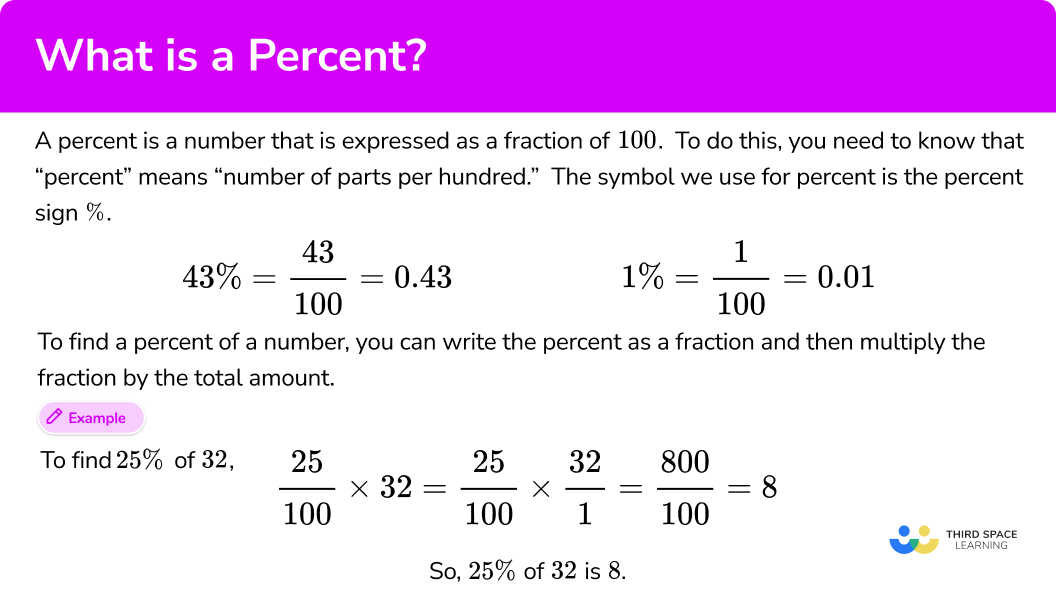
While percentages can work for you in investments, they work against you in debt. Understanding “what percentage is” in the context of interest rates is the difference between using leverage to build wealth and being swallowed by compounding interest.
APR vs. APY: The Subtle Difference
Financial institutions often use different percentage formats to their advantage. APR (Annual Percentage Rate) is the annual rate of interest without taking into account the compounding of interest within that year. APY (Annual Percentage Yield) includes the effect of compounding. When you are borrowing money (credit cards, loans), banks emphasize the APR because it looks lower. When you are saving money (CDs, high-yield savings accounts), they emphasize the APY because it looks higher. A savvy money manager always calculates the effective percentage to know the true cost or gain.
Credit Utilization Ratios
In the niche of credit scoring, the most important percentage is your “Credit Utilization Ratio.” This is the percentage of your total available credit that you are actually using. Most credit scoring models, like FICO, prefer to see this number below 30%. If you have a $10,000 limit and carry a $9,000 balance, your utilization is 90%, which signals high risk to lenders and tanks your credit score. Lowering this percentage is often the fastest way to improve your financial standing and qualify for lower interest rates on future loans.
Mortgage Benchmarks and Interest Sensitivity
For most people, a mortgage is the largest financial commitment of their lives. A move of just 1% in a mortgage interest rate can result in hundreds of thousands of dollars in extra interest over a 30-year term. Identifying “what percentage is” your interest rate relative to the current market determines whether you should refinance. Generally, if you can lower your rate by 0.75% to 1%, the closing costs of a refinance are often justified by the long-term savings.
Business Finance: Profit Margins and Scalability
For entrepreneurs and business owners, percentages are the primary indicators of operational efficiency. A company can have millions in revenue, but if its percentages are off, it is a failing enterprise.
Gross vs. Net Profit Margins
Gross profit margin is the percentage of revenue exceeding the cost of goods sold (COGS). It reveals how efficiently a company produces its products. However, the net profit margin is the “bottom line” percentage—what remains after all operating expenses, taxes, and interest have been paid. In software (Tech-adjacent but Money-focused), net margins can be as high as 20-30%. In the grocery business, they might be as low as 1-2%. Knowing what percentage is standard for your specific industry is vital for competitive benchmarking.
The CAC to LTV Ratio
In the world of online income and startups, the ratio of Customer Acquisition Cost (CAC) to Lifetime Value (LTV) is the holy grail of percentages. If it costs you $100 to acquire a customer (marketing/sales) and that customer generates $300 in profit over their lifetime, your LTV/CAC ratio is 3:1, or 300%. This is generally considered the gold standard for a scalable business. If this percentage drops below 100%, the business is essentially “buying” revenue at a loss, a common pitfall for side hustles and venture-backed companies alike.
The Psychology of Percentages in Money Management
Finally, the way we perceive percentages often dictates our financial behavior. Behavioral economics shows that humans are often irrational when it comes to absolute numbers, but percentages can provide a “reality check.”
Risk Tolerance and Asset Allocation
Every investor has a “risk tolerance percentage.” This is the percentage of your portfolio that you are willing to see “at risk” in the stock market versus safe havens like bonds or cash. A common rule of thumb was “100 minus your age” to determine what percentage of your portfolio should be in stocks. While this has evolved, the core principle remains: as you age, the percentage of your wealth in volatile assets should generally decrease to protect your capital.
Tax Bracket Management
Many people misunderstand how tax percentages work, fearing that a raise will put them in a “higher bracket” and result in less take-home pay. Understanding that the U.S. federal tax system uses marginal percentages is crucial. You only pay the higher percentage on the dollars that fall within that specific range. Mastering the math of “what percentage is” taxed at what level allows for strategic moves like tax-loss harvesting or contributing to a traditional IRA to drop your effective tax rate.
Conclusion: Mastering the Ratio
In the world of money, the absolute value of a dollar is constant, but its power is determined by percentages. Whether you are optimizing your personal budget through the 50/30/20 rule, evaluating a stock’s dividend yield, or calculating the net profit margin of a side business, the ability to think in percentages is a superpower. It strips away the noise of large, intimidating numbers and reveals the underlying efficiency and health of your financial life. To master your money, you must first master the question: “What percentage is it?”
aViewFromTheCave is a participant in the Amazon Services LLC Associates Program, an affiliate advertising program designed to provide a means for sites to earn advertising fees by advertising and linking to Amazon.com. Amazon, the Amazon logo, AmazonSupply, and the AmazonSupply logo are trademarks of Amazon.com, Inc. or its affiliates. As an Amazon Associate we earn affiliate commissions from qualifying purchases.