
Understanding and accurately calculating your household income is a fundamental pillar of sound financial management. Far more than just a simple sum of paychecks, this vital metric provides a comprehensive snapshot of a household’s financial health, influencing everything from loan approvals and mortgage eligibility to government assistance and strategic financial planning. Whether you’re a first-time homebuyer, a student applying for financial aid, or simply looking to create a robust family budget, mastering the art of household income calculation is an indispensable skill for navigating the complexities of the modern financial landscape. This guide will demystify the process, offering a clear, step-by-step approach to help you arrive at an accurate and actionable figure.
Understanding the Fundamentals of Household Income
Before diving into the mechanics of calculation, it’s essential to grasp what household income truly represents and why its accurate determination holds such significance for individuals and families alike.
Defining Household Income
At its core, household income refers to the combined gross income of all individuals aged 15 or older who reside in the same dwelling, regardless of their familial relationship, and who contribute to the household’s financial well-being. This definition is broad by design, aiming to capture the total financial resources available to a household unit. It’s not limited to just spouses or parents and children; it can include roommates, adult dependents, or any other financially contributing resident. The key is “gross income,” meaning the total amount earned before taxes, deductions, or other expenses are withheld.
Why Calculating Household Income is Crucial
The relevance of your household income extends far beyond simple curiosity. It is a critical data point used by a multitude of institutions and for a variety of purposes:
-
Mortgages and Loans: Lenders use household income to assess your debt-to-income ratio and determine your borrowing capacity for mortgages, car loans, and personal loans. A higher, stable household income often translates to better loan terms and higher approval chances.
-
Financial Aid for Education: Colleges and universities, along with government programs, use household income to calculate eligibility for grants, scholarships, and student loans, significantly impacting educational accessibility.
-
Government Benefits and Social Programs: Eligibility for various social welfare programs, housing assistance, food stamps, and healthcare subsidies is often directly tied to a household’s income level.
-
Budgeting and Financial Planning: Internally, knowing your total household income allows for realistic budget creation, savings goals, investment planning, and debt management strategies. It provides the foundation upon which all other financial decisions are built.
-
Economic Indicators: On a broader scale, aggregated household income data is used by economists and policymakers to gauge economic health, income inequality, and the effectiveness of fiscal policies.
Key Components of a Household
For the purpose of calculation, a “household” typically includes all individuals who share a living space and financial resources, or at least contribute to the overall financial pool. This can include:
-
Spouses or Partners: The primary income earners.
-
Adult Dependents: Adult children living at home who are employed.
-
Other Financially Contributing Residents: Roommates or relatives who share expenses and contribute their income to the household’s total resources.
It’s important to clarify who is counted, as different applications (e.g., FAFSA vs. a mortgage application) might have slightly different stipulations regarding who constitutes a household member for income purposes. Generally, if someone’s income is regularly used to meet the household’s expenses, it should be included.
Step-by-Step Guide to Calculating Your Household Income
Calculating your household income might seem daunting at first glance, but by breaking it down into manageable steps, the process becomes straightforward and accurate.
Step 1: Identify All Income Earners
Begin by making a comprehensive list of every individual in your household (as defined above) who earns an income. This includes full-time employees, part-time workers, freelancers, business owners, and anyone receiving regular financial benefits. Ensure you have the names of all contributing members ready to track their individual incomes.
Step 2: Gather All Income Sources for Each Earner
For each identified income earner, systematically list every source of income they receive. It’s crucial to be thorough here to avoid undercounting. Remember, we are generally looking for gross income – the amount before any taxes or deductions.
-
Wages and Salaries: This is often the largest component. Collect pay stubs, W-2 forms, or annual income statements to determine gross pay from employment.
-
Self-Employment Income: For freelancers, contractors, or small business owners, this refers to their gross revenue minus allowable business expenses (i.e., net profit) before personal taxes. Refer to Schedule C (Form 1040) if applicable.
-
Investment Income: Include realized gains from the sale of stocks or other assets, dividends received, interest earned from savings accounts or bonds, and distributions from mutual funds. Unrealized gains (increases in value not yet sold) are typically not included.
-
Rental Income: If you own property and receive rental payments, include the net income after deducting legitimate rental expenses (e.g., mortgage interest, property taxes, maintenance).
-
Benefits and Pensions: This category encompasses Social Security benefits, disability payments, unemployment compensation, retirement plan distributions (e.g., 401k, IRA withdrawals), and veterans’ benefits.
-
Alimony and Child Support: If received regularly and legally mandated, these payments generally contribute to household income.
-
Other Income: Don’t overlook less common sources such as royalties, annuity payments, gambling winnings, or significant, regular gifts or stipends (though one-off gifts are usually excluded).
Step 3: Differentiate Between Gross and Net Income
For most household income calculations (especially those for loans, mortgages, and government aid), you will use gross income. Gross income is the total amount earned before any deductions like taxes, health insurance premiums, retirement contributions, or union dues are taken out. Net income, or “take-home pay,” is what you receive after these deductions. While net income is crucial for personal budgeting, gross income provides a more accurate picture of a household’s total earning capacity as perceived by external institutions.
Step 4: Sum All Identified Gross Income Sources
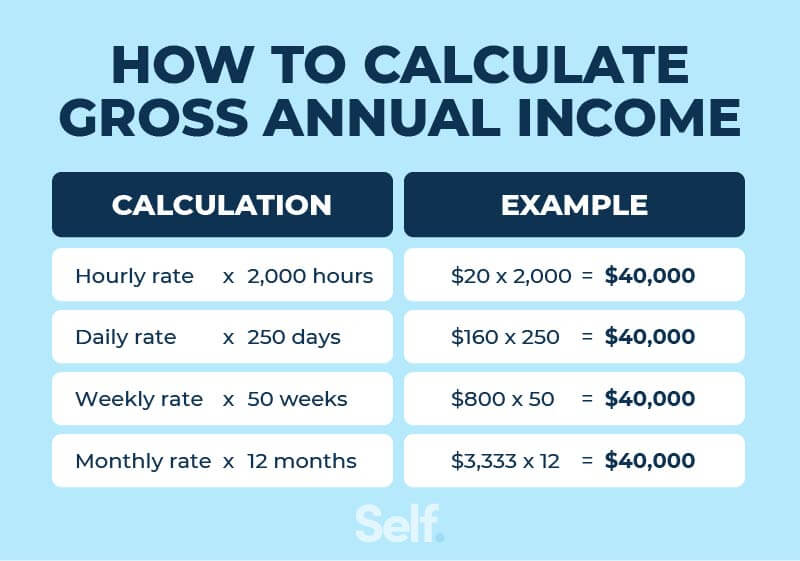
Once you have meticulously listed all gross income sources for every earning member of the household, the final step is simple addition. Sum all these individual gross income figures together. The resulting total is your household’s annual gross income. It’s often beneficial to calculate this on an annual basis for consistency, converting any weekly or monthly figures accordingly.
What to Include and Exclude: Common Misconceptions
Navigating the nuances of what counts and what doesn’t count towards household income can be tricky. Clarity on this point is crucial for an accurate calculation.
What Generally Counts
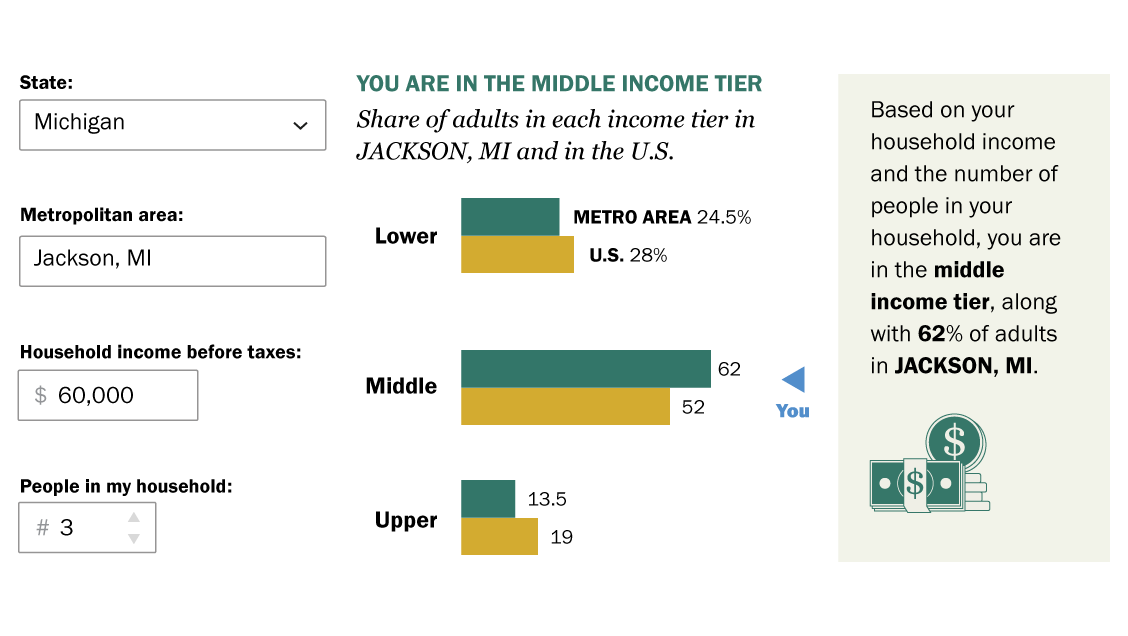
As detailed in Step 2, the following types of income are almost universally included in household income calculations:
-
Gross Wages, Salaries, Tips, and Commissions: All income from employment before deductions.
-
Net Self-Employment Income: Profits from businesses, freelancing, or contract work after business expenses.
-
Taxable Interest and Dividends: Earnings from savings accounts, bonds, and stock investments.
-
Capital Gains: Profits from the sale of assets like stocks, real estate, or other investments.
-
Net Rental Income: Income from renting out property after deducting expenses.
-
Alimony and Child Support Received: Payments typically considered income for the recipient.
-
Retirement and Pension Income: Distributions from 401(k)s, IRAs, and other retirement plans.
-
Social Security Benefits: Including retirement, disability, and survivor benefits.
-
Unemployment Compensation: Payments received during periods of unemployment.
-
Workers’ Compensation and Disability Payments: Benefits received due to work-related injuries or disabilities.
-
Royalties and Annuities: Regular payments from intellectual property or insurance contracts.
What Typically Doesn’t Count
Equally important is understanding what typically should not be included in your household income calculation, as including these can inflate your total and lead to incorrect assessments:
-
Non-Taxable Government Benefits: While some government benefits are included, many are not. Examples often include specific welfare payments, food stamps (SNAP), housing subsidies (though some programs might consider specific types of housing aid in specific calculations), and certain educational assistance that is not considered income by the IRS. Always verify for the specific application you’re completing.
-
Reimbursements: Money received to cover expenses already paid (e.g., business expense reimbursements, medical expense reimbursements) are not income.
-
One-Time Gifts and Inheritances: Unless they are regular and recurring, large one-time gifts or inheritances are generally not counted as ongoing household income, although they may have tax implications.
-
Loan Proceeds: Money borrowed from a lender (e.g., student loans, personal loans, mortgages) is a debt, not income.
-
Foster Care Payments: Payments received for providing foster care are often excluded from income calculations, as they are intended to cover the cost of care.
-
Child Tax Credit or Earned Income Tax Credit Refunds: These are tax benefits, not earned income.
-
Unrealized Gains: Increases in the value of investments that have not yet been sold (e.g., stock appreciation) are not income until they are realized.
-
Specific Deductions: While gross income is used, it’s important not to double-count things that are pre-tax deductions. For instance, pre-tax contributions to a 401(k) are part of your gross income, but the actual contribution amount isn’t then added separately.
Leveraging Your Household Income Calculation
An accurate household income figure is more than just a number; it’s a powerful tool that can inform and enhance various aspects of your financial life.
Financial Planning and Budgeting
The most immediate and impactful use of your calculated household income is in creating and maintaining a realistic budget. By knowing your total incoming funds, you can effectively allocate money for expenses, savings, and debt repayment. This foundational understanding allows you to set achievable financial goals, track progress, and make informed decisions about discretionary spending. It empowers you to live within your means and build a secure financial future.
Applying for Loans and Mortgages
When applying for significant financing, such as a home mortgage, a car loan, or a business loan, lenders will rigorously assess your household income. This figure, along with your credit score and debt-to-income ratio, determines your eligibility and the terms of your loan. A strong, verifiable household income signals to lenders that you have the capacity to meet your repayment obligations, potentially securing you better interest rates and more favorable loan conditions.
Eligibility for Government Programs and Financial Aid
Many essential government assistance programs, ranging from healthcare subsidies and housing support to educational grants and unemployment benefits, use household income as a primary determinant of eligibility. Similarly, colleges and universities rely on this figure to assess a student’s need for financial aid. An accurate calculation ensures you correctly apply for and receive the support you are entitled to, preventing delays or denials due to misstated financial information.
Strategic Tax Planning
Understanding your household’s total income allows for more effective tax planning. It helps you anticipate your tax bracket, identify potential deductions or credits your household may qualify for, and plan contributions to tax-advantaged accounts like IRAs or 401(k)s. Strategic tax planning can minimize your tax burden and maximize your household’s overall financial efficiency.
Tools and Resources for Simplified Calculation
While the step-by-step guide outlines the manual process, several tools and resources can simplify and streamline your household income calculation.
Spreadsheets
For those comfortable with digital organization, a simple spreadsheet (e.g., Google Sheets, Microsoft Excel) can be an invaluable tool. You can create columns for each household member, rows for different income sources, and use basic summation formulas to automatically calculate totals. Customizable templates are readily available online, allowing you to tailor them to your specific needs. This provides a clear, visual overview and makes it easy to update figures regularly.
Financial Software
A plethora of personal finance management software and apps exist that can help track and categorize income and expenses. Tools like Mint, Quicken, YNAB (You Need A Budget), or Personal Capital often allow you to link bank accounts and investment platforms, automatically importing transaction data. While they focus more on net income and budgeting, many have features that can consolidate gross income figures, providing a more integrated view of your financial inflows.
Professional Financial Advisors
For complex financial situations, such as households with multiple self-employment ventures, significant investments, or intricate benefit structures, consulting a certified financial planner or tax professional can be highly beneficial. These experts can help accurately assess all income streams, identify any exclusions or specific considerations for your situation, and provide tailored advice that aligns with your broader financial goals. Their expertise can ensure accuracy and optimize your financial strategy.
Online Calculators
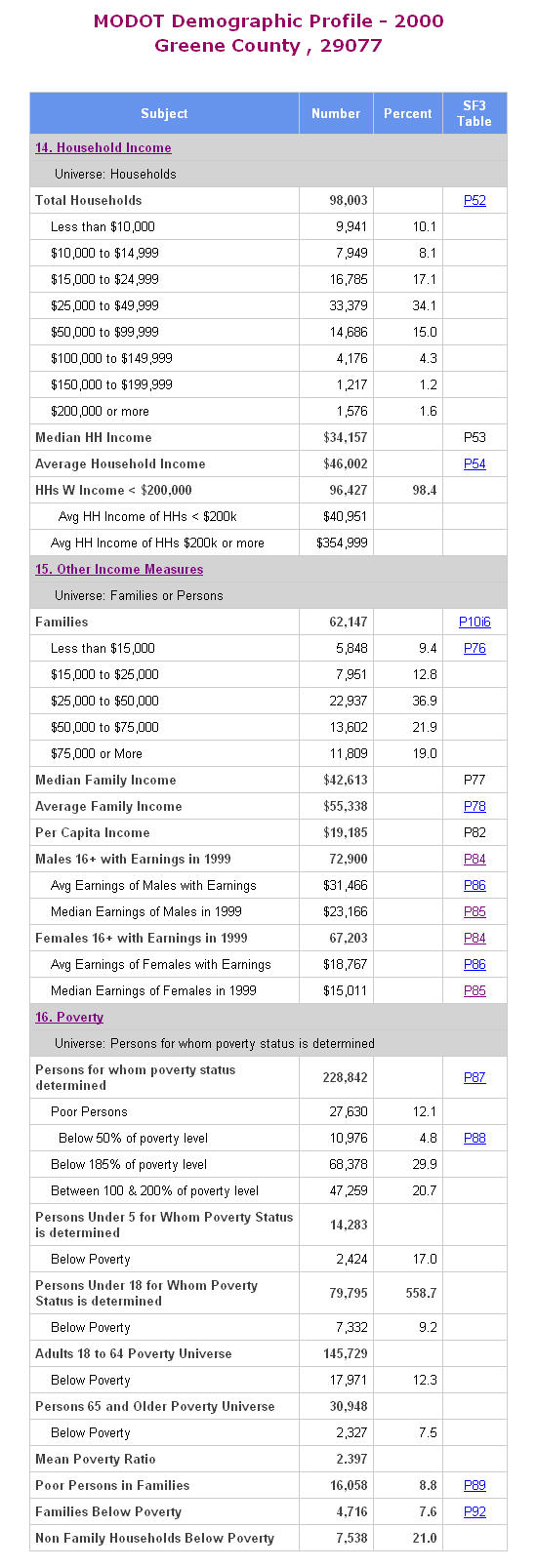
Many financial websites offer free online household income calculators. These tools typically prompt you to input various income figures for each household member and then automatically generate a total. While useful for quick estimates, always double-check the inputs and the definitions they use to ensure they align with the specific purpose for which you are calculating your income. They are generally best for simpler income structures.
In conclusion, calculating your household income is a fundamental exercise in financial literacy and empowerment. By meticulously identifying and summing all gross income sources for every contributing member, you gain an invaluable metric that underpins critical financial decisions. This accurate figure not only opens doors to loans, aid, and essential benefits but also serves as the cornerstone for robust financial planning and a stable future. Embrace this process, leverage the available tools, and take control of your household’s financial destiny.
aViewFromTheCave is a participant in the Amazon Services LLC Associates Program, an affiliate advertising program designed to provide a means for sites to earn advertising fees by advertising and linking to Amazon.com. Amazon, the Amazon logo, AmazonSupply, and the AmazonSupply logo are trademarks of Amazon.com, Inc. or its affiliates. As an Amazon Associate we earn affiliate commissions from qualifying purchases.