
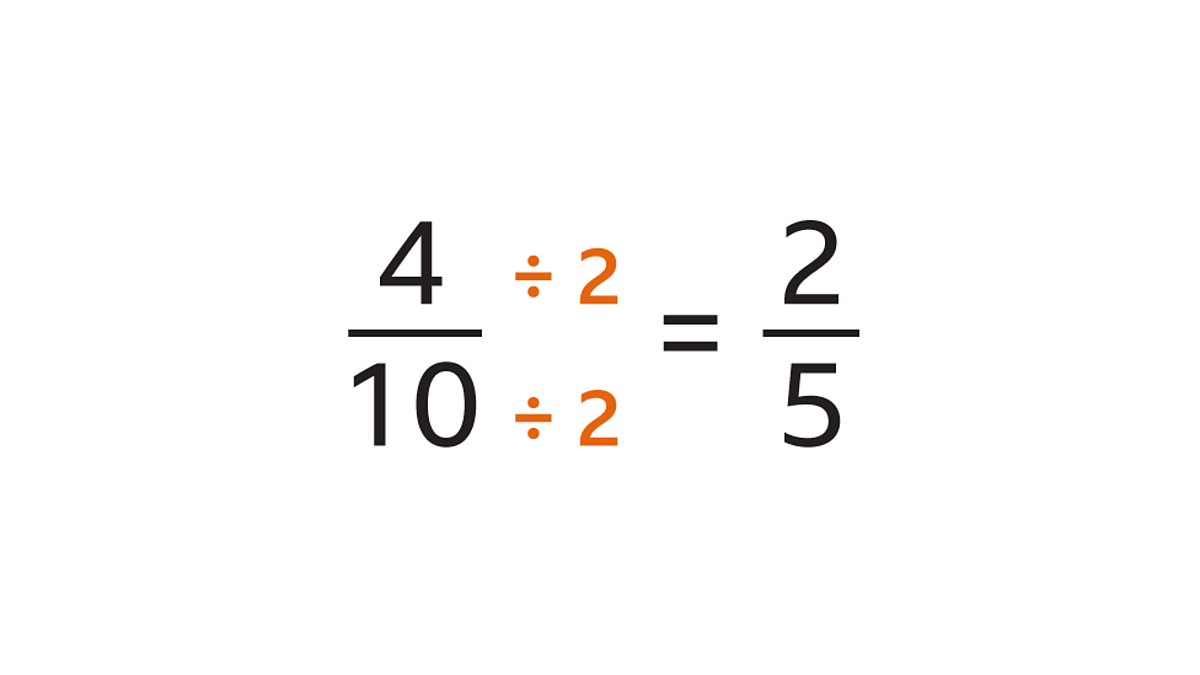
In the modern financial landscape, the concept of “simplifying fractions” has migrated from the elementary school classroom to the heart of sophisticated investment strategies. Whether you are navigating the complexities of fractional share ownership or attempting to streamline the ratios within a corporate balance sheet, simplification is the key to clarity and profitability. In a world of infinite data points and increasingly granular investment options, the ability to break down complex financial structures into manageable, actionable components is a superpower for the modern investor.
Simplifying fractions in a financial context means more than just reducing numbers; it refers to the strategic optimization of your portfolio, the reduction of unnecessary overhead, and the democratization of high-value assets. By mastering the art of financial simplification, you can move away from the “noise” of the market and focus on the fundamental ratios that drive wealth creation.
The Rise of the Fractional Share: Democratizing Capital Markets
For decades, the stock market operated under a rigid structure that often excluded the retail investor from high-priced equities. If a single share of a major tech giant or a massive conglomerate cost thousands of dollars, an investor with limited capital was effectively locked out. However, the advent of fractional investing has fundamentally changed the “math” of the market. Simplifying the fraction of ownership allows investors to buy into a company based on the dollar amount they have available, rather than the arbitrary price of a single share.
Lowering the Minimum Threshold
The primary benefit of simplifying ownership through fractional shares is accessibility. When a brokerage allows you to purchase 0.01% of a share, they are effectively simplifying the barrier to entry. This allows for a more democratic distribution of wealth, where even a small-scale investor can participate in the growth of blue-chip companies. This “simplified” approach to entry means that portfolio diversification is no longer a luxury reserved for those with six-figure liquid accounts. You can now hold a “fractional” piece of the entire S&P 500 with a relatively small initial outlay, ensuring that your capital is working for you across multiple sectors simultaneously.
The Power of Dollar-Cost Averaging via Fractions
Fractional shares also simplify the execution of a dollar-cost averaging (DCA) strategy. In the past, if you wanted to invest $500 a month into a stock that cost $350 per share, you would be left with “remainder” cash that sat idle in your account. By utilizing fractional shares, you can invest the exact $500 every single month, purchasing precisely 1.42 shares (or whatever the current price dictates). This simplifies your accounting and ensures that every penny of your investment capital is exposed to the market at all times, maximizing the compound interest effect over the long term.
Simplifying Your Investment Ratios: The Key to Long-Term Profitability
Beyond the shares themselves, “simplifying fractions” applies to the critical financial ratios that define a healthy portfolio. Many investors become overwhelmed by the sheer volume of data available on stock screeners. To succeed, one must learn to focus on the simplified fractions that actually matter: the expense ratio, the debt-to-equity ratio, and the price-to-earnings ratio.
Decoding the Expense Ratio
One of the most important fractions any investor will encounter is the expense ratio of their mutual funds or ETFs. This fraction—representing the cost of management divided by the total assets under management—can be the difference between a comfortable retirement and a struggling one. Simplifying your portfolio often involves “reducing” these fractions. A fund with an expense ratio of 0.75% might seem small, but when simplified and compared to a low-cost index fund with an expense ratio of 0.03%, the long-term impact on your net worth is staggering. Simplifying your investment choices to focus on low-fractional costs ensures that you keep more of your returns.
The Debt-to-Equity Fraction: Assessing Risk
When analyzing a business or your own personal finance, the debt-to-equity ratio is a vital fraction to simplify. It measures financial leverage by dividing total liabilities by shareholder equity. A “complex” or bloated debt fraction indicates that a company (or individual) is over-leveraged and at risk during economic downturns. By focusing on simplifying this ratio—lowering the numerator (debt) relative to the denominator (equity)—you create a more stable financial foundation. In the world of value investing, the ability to quickly simplify and compare these ratios across different companies allows for faster, more confident decision-making.
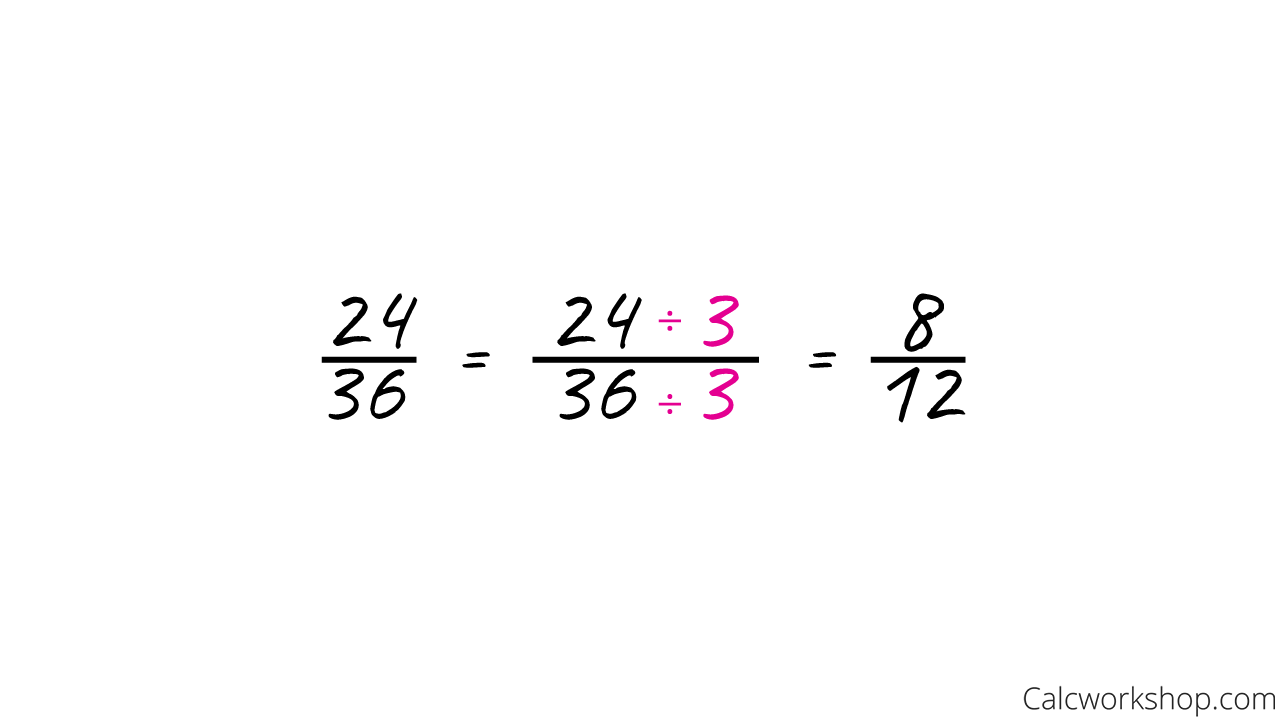
Portfolio Consolidation: Removing the Clutter from Your Asset Allocation
A common mistake among both novice and experienced investors is “diworsification”—the act of adding so many different assets to a portfolio that it becomes impossible to track or manage. Simplifying your “fractional” holdings is an essential step in maintaining a clean, high-performing financial life.
The Rule of Diminishing Returns in Over-Diversification
While diversification is a cornerstone of risk management, there is a point where adding more “fractions” of different assets no longer provides a benefit. If you own 50 different individual stocks, you are likely just mimicking an index fund but with significantly more administrative overhead and potential for error. Simplifying your portfolio involves consolidating these fractions into a few broad-market index funds or a concentrated selection of high-conviction stocks. This reduction in complexity allows you to focus your research and stay informed about the assets you actually own.
Strategies for Streamlining Your Holdings
To simplify your portfolio, start by looking for overlaps. Many investors find they own three different “Growth” ETFs that hold many of the same underlying companies. By merging these into a single, simplified holding, you reduce transaction costs and simplify your tax reporting. Furthermore, simplification allows for more effective rebalancing. When you only have four or five major asset classes to manage, it is much easier to see when your “fractions” have drifted out of alignment—for instance, when your 60/40 stock-to-bond split becomes a 70/30 split due to market volatility.
Leveraging Fintech to Automate Portfolio Simplification
In the digital age, we have tools that can handle the “math” of simplification for us. Fintech platforms have revolutionized how we interact with our money, moving the heavy lifting of calculation and rebalancing into the background.
Robo-Advisors and Algorithm-Driven Rebalancing
Robo-advisors are the ultimate tool for simplifying the fractional nature of investing. These platforms use algorithms to maintain your target asset allocation automatically. If one sector of your portfolio grows too large, the software will “simplify” the position by selling off the excess and redistributing it to underweighted areas. This removes the emotional burden of manual trading and ensures that your financial “fractions” always add up to 100% in the way you intended.
Tax-Loss Harvesting: Simplification with a Purpose
Another sophisticated way technology simplifies your finances is through automated tax-loss harvesting. This process involves selling assets that are at a loss to offset capital gains taxes elsewhere in your portfolio. While the underlying math of tax lots and “wash-sale” rules can be complex, modern financial tools simplify this into a seamless background process. This form of simplification doesn’t just make your spreadsheet look cleaner; it directly increases your after-tax returns, providing a tangible boost to your bottom line.

The Psychological Benefit of Financial Simplicity
Finally, it is important to recognize that simplifying your financial fractions is as much about psychology as it is about arithmetic. Financial stress often stems from a feeling of being overwhelmed by complexity. When you don’t understand the fractions that make up your net worth, you are more likely to make impulsive, fear-based decisions.
A simplified financial life—one with fewer accounts, clear ratios, and an understandable investment strategy—leads to greater peace of mind. By reducing the number of variables you have to track, you free up mental bandwidth to focus on what really matters: increasing your primary income, spending time with family, or planning for your long-term legacy. In the end, the goal of “simplifying fractions” in your money life is to ensure that your finances serve you, rather than you serving your finances.
By viewing your investments through the lens of simplification, you transform a chaotic web of numbers into a streamlined engine for wealth creation. Whether it is through the use of fractional shares to access elite markets or the consolidation of your accounts to reduce management friction, the path to financial freedom is almost always found in the pursuit of simplicity. Focus on the ratios that matter, automate the processes that don’t, and always look for ways to reduce the complexity of your financial world.
aViewFromTheCave is a participant in the Amazon Services LLC Associates Program, an affiliate advertising program designed to provide a means for sites to earn advertising fees by advertising and linking to Amazon.com. Amazon, the Amazon logo, AmazonSupply, and the AmazonSupply logo are trademarks of Amazon.com, Inc. or its affiliates. As an Amazon Associate we earn affiliate commissions from qualifying purchases.