
Compound interest, often hailed as the “eighth wonder of the world” by Albert Einstein, is arguably the most powerful force in finance. It’s the engine that drives true wealth accumulation, turning modest investments into substantial fortunes over time. Understanding how to harness its immense power is not just a financial strategy; it’s a fundamental principle for anyone aiming for long-term financial independence and security. This article delves deep into the mechanics of compound interest, explores the ideal investment vehicles, outlines strategies to maximize its effect, and highlights common pitfalls to avoid, all to equip you with the knowledge to build your financial future strategically and effectively.
Understanding the Power of Compounding
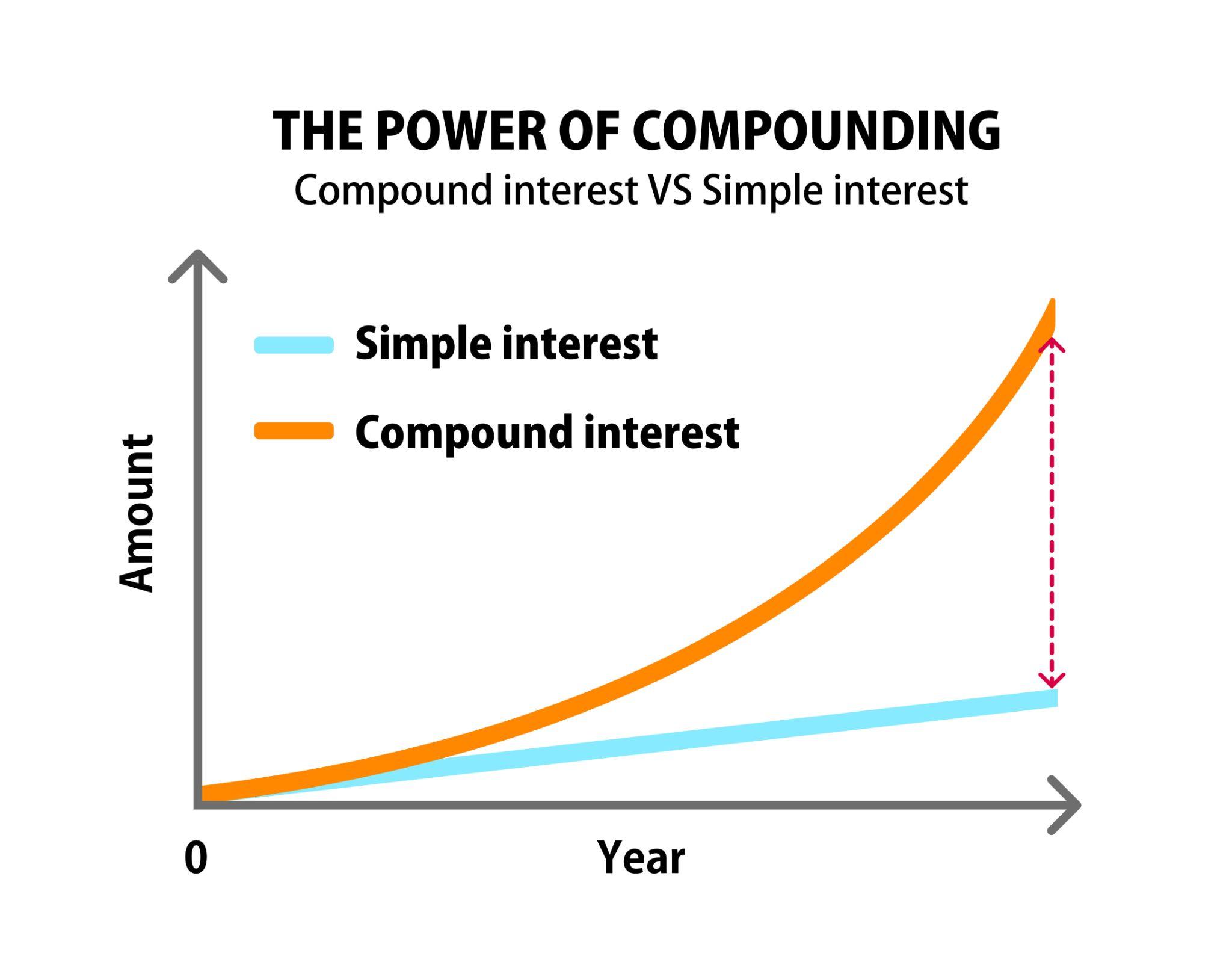
The core concept of compound interest is deceptively simple yet profoundly impactful. It’s the process of earning interest not only on your initial principal but also on the accumulated interest from previous periods. This creates a snowball effect, where your money starts to make more money, which in turn makes even more money, leading to exponential growth.
What is Compound Interest?
At its heart, compound interest is “interest on interest.” Imagine you invest $1,000 at a 5% annual interest rate. After the first year, you earn $50, bringing your total to $1,050. In the second year, you don’t just earn 5% on your original $1,000; you earn 5% on the new total of $1,050, yielding $52.50. This extra $2.50 might seem small, but over decades, this continuous reinvestment of earnings makes a monumental difference. The formula often cited is A = P(1 + r/n)^(nt), where A is the future value, P is the principal, r is the annual interest rate, n is the number of times interest is compounded per year, and t is the number of years. While the formula can look intimidating, the takeaway is simple: time and consistent returns are your best friends. The longer your money compounds, the more dramatic the growth curve becomes, illustrating a slow start followed by a steep, accelerated climb.
The Time Factor: Your Greatest Ally
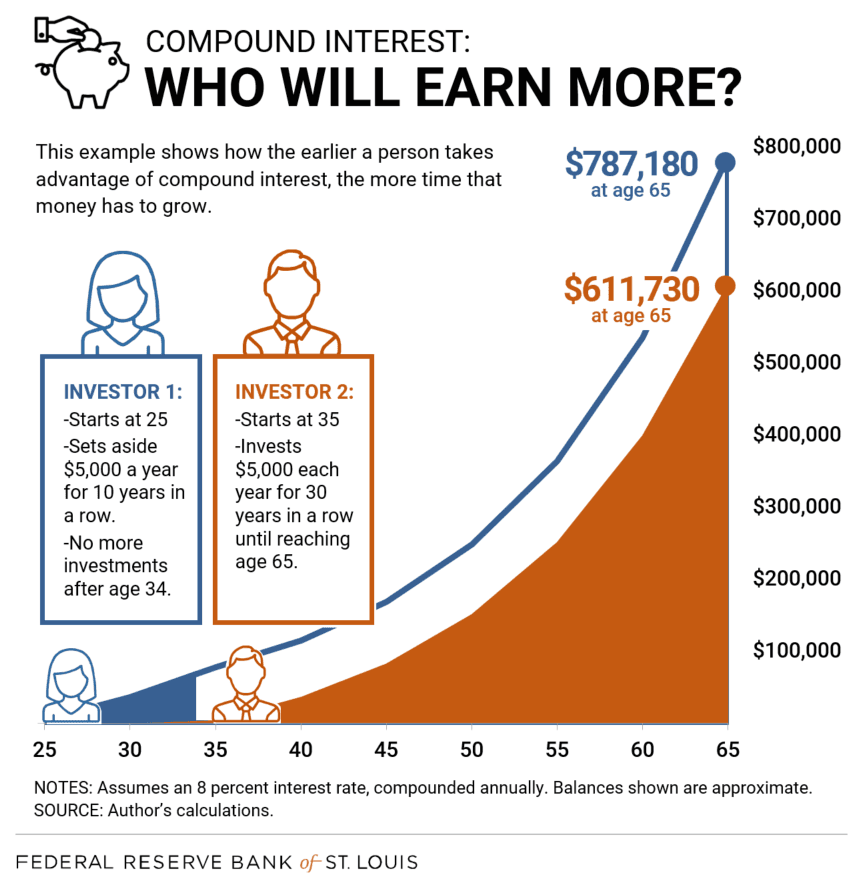
Time is, without a doubt, the most critical ingredient in the recipe for compound interest success. The longer your money has to grow, the more opportunities it has to compound, and the more significant the final sum will be. This principle underscores the immense advantage of starting to invest early in life. Consider two individuals: Investor A begins investing $200 per month at age 25, earning an average 7% annual return. Investor B waits until age 35 to start, investing $200 per month at the same 7% return. By age 65, Investor A will have accumulated significantly more than Investor B, even though Investor B invested for ten fewer years, they would need to contribute significantly more each month to catch up. The early years, when contributions are relatively small, lay the foundational groundwork for massive growth in later years. Every year delayed means lost compounding opportunities that are difficult, if not impossible, to recover.
The Rate of Return: Maximizing Your Growth
While time provides the runway, the rate of return dictates the speed of the aircraft. A higher rate of return will naturally accelerate the compounding process, leading to larger sums in less time. However, higher returns often come with increased risk. It’s crucial to strike a balance between seeking attractive returns and managing the associated risks. Consistent, moderate returns over a long period are generally more effective than volatile, high-risk strategies that might experience significant drawdowns. For instance, a consistent 8% annual return will lead to substantially more wealth than a sporadic 12% return that frequently experiences years of negative growth. Understanding market cycles, diversifying investments, and aligning your risk tolerance with your investment strategy are key to achieving and sustaining a healthy rate of return that fuels compounding.
Investment Vehicles for Compound Growth
To effectively invest in compound interest, one must choose the right tools. Various financial instruments are designed to facilitate compounding, each with its unique characteristics, risk profiles, and potential returns.
Stock Market Investments
The stock market is a primary avenue for long-term compound growth.
-
Index Funds & ETFs: These are popular choices for their diversification and low costs. By investing in a broad market index (like the S&P 500), you gain exposure to hundreds or thousands of companies, mitigating individual stock risk. Many index funds and ETFs allow for automatic reinvestment of dividends, turning current income into future growth and powerfully accelerating compounding.
-
Dividend Stocks: Companies that consistently pay dividends can be excellent for compounding. By reinvesting these dividends, you purchase more shares, which then generate even more dividends, creating a self-perpetuating cycle of growth. Many brokerage firms offer Dividend Reinvestment Plans (DRIPs) that automate this process.
-
Growth Stocks: While these companies often reinvest their earnings back into the business rather than paying dividends, their potential for capital appreciation can still lead to significant compounding. The increasing value of your shares over time, if held for the long term, represents compounded growth on your initial investment.
Retirement Accounts
Designed specifically for long-term savings, retirement accounts are perfectly suited for leveraging compound interest, often with significant tax advantages.
-
401(k)s and IRAs (Traditional/Roth): These accounts offer tax-deferred or tax-free growth, meaning your money compounds without being taxed annually, significantly boosting its effectiveness. Contributions are often automated directly from your paycheck (for 401(k)s), ensuring consistency. Employer matching contributions in 401(k)s act as an immediate, guaranteed return on your investment, providing an instant boost to your compounding journey.
-
Health Savings Accounts (HSAs): If eligible, HSAs offer a triple tax advantage: tax-deductible contributions, tax-free growth, and tax-free withdrawals for qualified medical expenses. For those with good health, the investment portion of an HSA can be a powerful, tax-efficient way to compound wealth for future healthcare costs or even general retirement expenses.
Real Estate
Real estate can also be a powerful compounding asset, albeit with different mechanisms.
-
Rental Properties: The income generated from rent can be reinvested into property improvements, paying down the mortgage faster, or acquiring additional properties, all of which compound wealth. Property value appreciation, driven by market demand and inflation, also compounds over time, increasing your equity.
-
Real Estate Investment Trusts (REITs): For those who want real estate exposure without direct property ownership, REITs offer a way to invest in portfolios of income-generating real estate. They often pay high dividends, which can be reinvested to compound your holdings.
Savings Accounts & Certificates of Deposit (CDs)
While not offering the aggressive growth potential of stocks or real estate, savings accounts and CDs do compound interest, making them suitable for specific, lower-risk goals.
-
High-Yield Savings Accounts: These accounts offer higher interest rates than traditional savings accounts, and the interest compounds, typically monthly. They are excellent for emergency funds or short-to-medium term savings goals where capital preservation is paramount.
-
Certificates of Deposit (CDs): CDs offer fixed interest rates for a specified term, and the interest typically compounds. They provide predictable, low-risk returns but usually lock up your money for the CD term. They are generally not suitable for significant wealth growth due to lower returns but can be part of a diversified, conservative portfolio.
Strategies to Accelerate Compound Interest
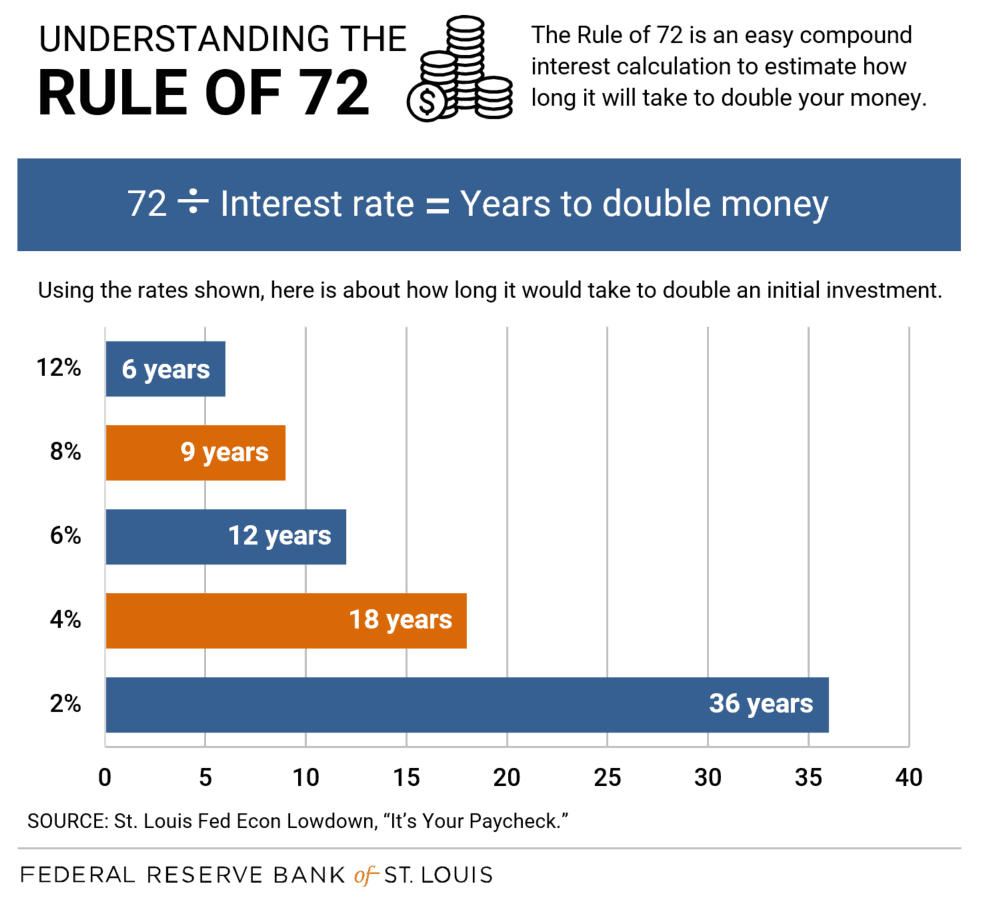
Maximizing the effect of compound interest requires a proactive approach and adherence to several key strategies.
Start Early and Be Consistent
As discussed, time is your most valuable asset. The sooner you begin investing, the more time your money has to compound. Beyond just starting early, consistency is paramount. Regular contributions, whether monthly or bi-weekly, ensure that you are continually adding fuel to your compounding fire. Automating these contributions is an effective way to remove emotion from investing and ensure discipline, adhering to the “pay yourself first” principle. This strategy also helps in dollar-cost averaging, where you invest a fixed amount regularly, buying more shares when prices are low and fewer when prices are high, which can smooth out market volatility over the long term.
Reinvest Your Earnings
For true compounding to occur, the earnings generated by your investments must be put back into the investment. This means reinvesting dividends, capital gains, or rental income. Many brokerage accounts and mutual funds offer automatic dividend reinvestment plans (DRIPs), which is an effortless way to ensure your earnings immediately go to work for you. For growth investments, the appreciation in value compounds organically as the company grows, but for income-generating assets, actively reinvesting the income is a critical step in accelerating your compound growth. Each reinvested dollar becomes part of your principal, earning its own interest and expanding your growth trajectory.
Increase Your Contributions Over Time
As your income grows throughout your career, make a conscious effort to increase your investment contributions. Even small annual increases, such as an extra $50 per month, can significantly impact your long-term wealth. Many retirement accounts, like 401(k)s, allow you to automatically escalate your contributions by a certain percentage each year. This strategy is particularly powerful because it leverages your rising income to feed a growing compounding base, creating a powerful synergy. The more you put in, the more there is to compound, and the faster your wealth will grow.
Minimize Fees and Taxes
Fees and taxes are silent wealth destroyers that erode your returns, effectively slowing down your compounding. Every dollar paid in fees is a dollar that cannot compound.
-
Fees: Choose low-cost investment vehicles like index funds and ETFs with low expense ratios. Be wary of actively managed funds with high management fees unless their performance consistently justifies the cost over the long term. Minimizing transaction fees, advisory fees, and other administrative charges is also crucial.
-
Taxes: Utilize tax-advantaged accounts such as 401(k)s, IRAs (Traditional or Roth), and HSAs. These accounts allow your investments to grow tax-deferred or tax-free, meaning the full force of your returns is available to compound without annual deductions for taxes. Understanding capital gains tax implications and employing strategies like tax-loss harvesting (where appropriate and with professional guidance) can also help preserve more of your investment gains for compounding.
Common Pitfalls and How to Avoid Them
Even with the best intentions, investors can fall prey to common mistakes that derail their compounding efforts. Awareness and discipline are key to avoiding these traps.
The Temptation to Withdraw Early
One of the most damaging actions to compound interest is premature withdrawal. Every time you take money out of your investment, you interrupt the compounding process and significantly reduce the potential future value of your portfolio. Early withdrawals, especially from retirement accounts, often come with penalties and taxes, further diminishing your capital. It’s crucial to view long-term investments as sacrosanct and resist the urge to tap into them for non-essential expenses. Establishing a robust emergency fund separate from your investment portfolio can help prevent needing to dip into your compounding assets when unexpected costs arise.
Chasing High-Risk, Short-Term Gains
While the allure of quick profits can be strong, chasing high-risk, speculative investments often leads to significant losses rather than sustainable compound growth. True compounding thrives on consistency, patience, and reasonable returns over extended periods, not on market timing or speculative gambles. A diversified portfolio anchored in sound, long-term investments is far more effective for harnessing compounding than jumping on every hot trend. Focus on “time in the market,” not “timing the market.” Emotional decision-making, driven by fear of missing out or panic during downturns, is the enemy of consistent compounding.
Ignoring Inflation
Inflation, the gradual erosion of purchasing power over time, is a silent threat to your investment returns. If your investments only grow at the rate of inflation, your real wealth isn’t increasing. It’s essential to invest in assets that have a historical track record of outpacing inflation, such as stocks and real estate. Cash and low-yield savings accounts, while safe, are often susceptible to losing purchasing power over time due to inflation. Regularly review your portfolio’s performance against inflation to ensure your compound growth is building real wealth.
Lack of Financial Literacy
A lack of understanding about financial principles, investment strategies, and market dynamics can lead to poor decision-making. Investors who don’t understand the basics of diversification, risk tolerance, or the long-term nature of compounding are more prone to making impulsive choices that harm their portfolios. Continuously educating yourself about personal finance and investing is crucial. Read books, follow reputable financial news, and consider seeking advice from a qualified financial advisor to help navigate complex decisions and stay on track with your long-term compounding goals.
Conclusion
Investing in compound interest isn’t just a strategy; it’s a journey towards financial empowerment. It demands patience, discipline, and a consistent approach, but the rewards are profound. By understanding the foundational principles of compounding, choosing appropriate investment vehicles, diligently applying strategies like starting early, reinvesting earnings, and increasing contributions, and vigilantly avoiding common pitfalls, you can effectively harness its power. Remember, the greatest magic of compound interest unfolds not in a single year, but over decades, transforming modest beginnings into substantial legacies. Start today, stay committed, and watch as your wealth grows exponentially, securing the financial future you envision.
aViewFromTheCave is a participant in the Amazon Services LLC Associates Program, an affiliate advertising program designed to provide a means for sites to earn advertising fees by advertising and linking to Amazon.com. Amazon, the Amazon logo, AmazonSupply, and the AmazonSupply logo are trademarks of Amazon.com, Inc. or its affiliates. As an Amazon Associate we earn affiliate commissions from qualifying purchases.