
Understanding how interest works is not merely an academic exercise; it’s a fundamental pillar of financial literacy that empowers individuals, businesses, and investors to make informed decisions. Interest, in its simplest form, is the cost of borrowing money or the reward for lending money. Whether you’re saving for retirement, taking out a loan for a home, or managing a business’s cash flow, the ability to accurately figure interest is indispensable. This guide will demystify the core concepts, practical applications, and essential tools for calculating interest, transforming a potentially complex subject into an accessible skill that enhances your financial acumen.

At its heart, interest represents the time value of money – the idea that a dollar today is worth more than a dollar tomorrow due to its potential earning capacity. When you lend money, you forego its current use, and interest is your compensation. When you borrow, interest is the fee you pay for the privilege of using someone else’s capital now. Mastering these calculations allows you to optimize your savings, minimize debt costs, and evaluate investment opportunities with greater clarity and confidence.
The Fundamentals of Interest: Simple vs. Compound
The journey to figuring interest begins with understanding two primary types: simple and compound. While both involve a percentage applied to a principal amount, their mechanics and long-term implications are vastly different.
Understanding Simple Interest
Simple interest is the most straightforward form of interest calculation. It is based solely on the original principal amount of a loan or deposit. This means the interest earned or paid over a specific period does not get added back to the principal for subsequent interest calculations.
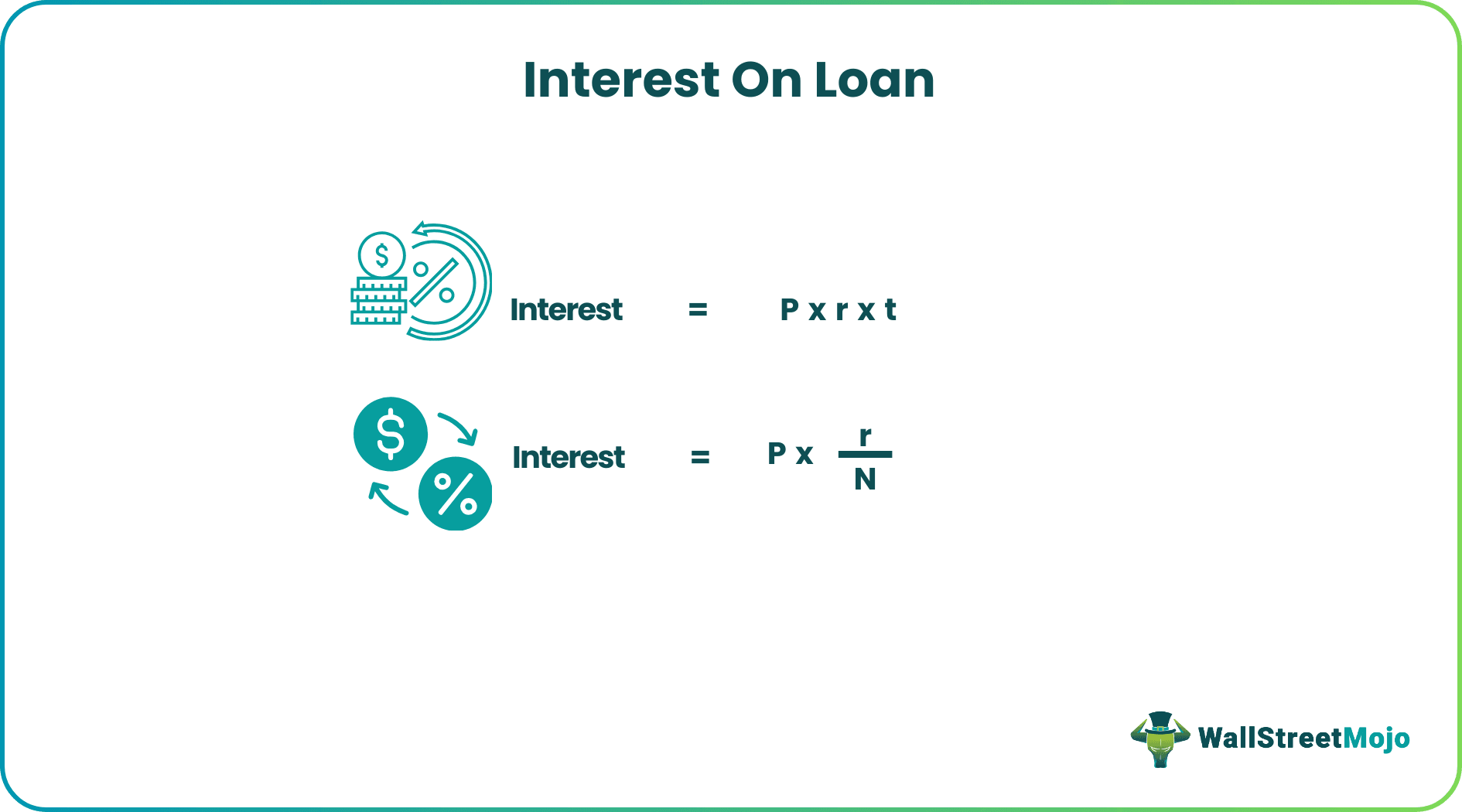
The formula for simple interest is:
I = P × R × T
Where:
-
I = Interest amount
-
P = Principal amount (the initial sum of money)
-
R = Annual interest rate (expressed as a decimal)
-
T = Time period (in years)
For example, if you deposit $1,000 into a savings account with a 2% simple annual interest rate for 3 years, the interest earned each year would be:
$1,000 × 0.02 × 1 = $20.
Over three years, the total interest would be $20 × 3 = $60. Your total balance would be $1,060.
Simple interest is typically used for short-term loans, some basic savings accounts, or as an introductory calculation before moving to more complex scenarios. While easy to calculate, it generally offers less significant growth for savers and often results in lower overall costs for borrowers compared to compound interest over longer periods.
Unlocking the Power of Compound Interest
Compound interest is often hailed as one of the most powerful forces in finance, and for good reason. Unlike simple interest, compound interest is calculated on the initial principal and also on all the accumulated interest from previous periods. This “interest on interest” effect creates a snowball of growth, accelerating the total amount over time.
The formula for compound interest, when compounded annually, is:
A = P (1 + R)^T
Where:
-
A = Total amount after interest
-
P = Principal amount
-
R = Annual interest rate (as a decimal)
-
T = Number of years the money is invested or borrowed for
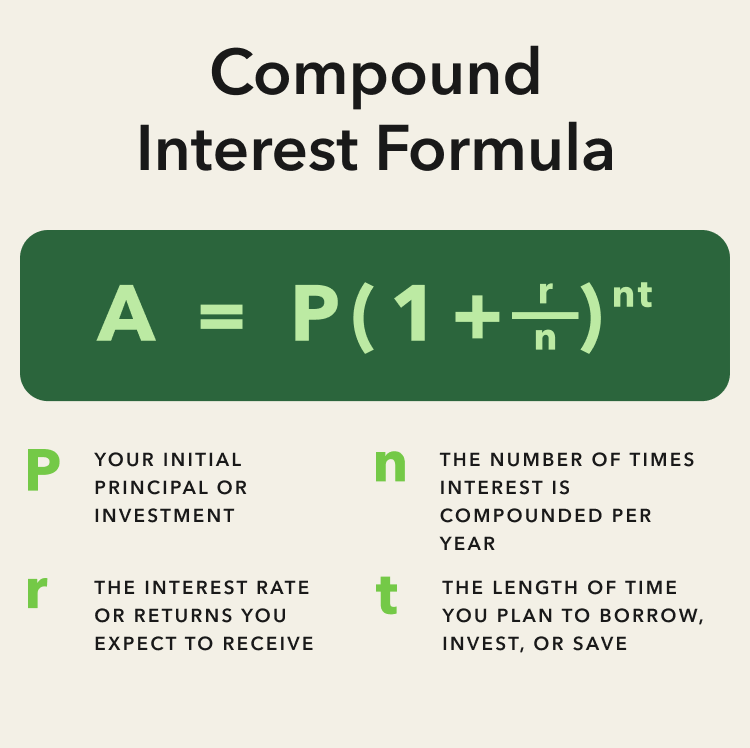
However, interest is often compounded more frequently than annually (e.g., quarterly, monthly, daily). The more general compound interest formula is:
A = P (1 + R/n)^(nT)
Where:
- n = Number of times that interest is compounded per year
Let’s revisit our example: $1,000 at a 2% annual interest rate for 3 years, but now compounded annually.
Year 1: $1,000 × 0.02 = $20. Balance = $1,020.
Year 2: $1,020 × 0.02 = $20.40. Balance = $1,040.40.
Year 3: $1,040.40 × 0.02 = $20.81. Balance = $1,061.21.
Notice that the total interest is $61.21, slightly more than the $60 from simple interest. While the difference might seem small over three years, this effect becomes dramatically larger over decades, which is why compound interest is critical for long-term investments like retirement funds and simultaneously dangerous for high-interest debts like credit cards. Understanding this exponential growth is paramount for effective financial planning.
Key Factors Influencing Interest Calculations
Beyond the type of interest, several critical factors play a significant role in determining the total interest earned or paid. A nuanced understanding of these elements allows for more precise financial forecasting and comparison.
Principal Amount
The principal is the starting sum of money – either the amount you borrow or the amount you invest. It is the bedrock upon which all interest calculations are built. Intuitively, a larger principal will generally lead to higher interest earnings or payments, assuming all other factors remain constant. For savers, increasing your principal through regular contributions is a direct way to leverage the power of interest. For borrowers, minimizing the principal amount can significantly reduce the total cost of a loan.
Interest Rate
The interest rate is the percentage charged or paid on the principal over a specific period, typically expressed annually. This single number holds immense power in financial calculations.
-
Annual Percentage Rate (APR): Often quoted for loans (mortgages, credit cards), APR represents the annual cost of borrowing, including some fees, but it does not account for compounding.
-
Annual Percentage Yield (APY): Typically used for savings accounts and certificates of deposit (CDs), APY reflects the effective annual rate of return, taking into account the effect of compounding. This makes APY a more accurate measure for comparing different savings products.
Even small differences in interest rates can lead to substantial variations in outcomes over time. A 0.5% higher interest rate on a 30-year mortgage, for example, could translate to tens of thousands of dollars in extra interest paid. Similarly, a slightly higher return rate on an investment portfolio can dramatically boost your wealth over decades.
Time Period
The duration over which interest is calculated or accumulated is another critical variable. For both savers and borrowers, time is a powerful multiplier.
-
For Investments: The longer your money is invested, the more time compound interest has to work its magic, leading to exponential growth. This emphasizes the importance of starting to save and invest early.
-
For Loans: Conversely, extending the repayment period for a loan, while potentially lowering monthly payments, almost always results in paying significantly more in total interest due to the extended duration of the interest charges.
Compounding Frequency
As introduced with compound interest, the frequency with which interest is calculated and added to the principal has a direct impact on the total amount. Interest can be compounded annually, semi-annually, quarterly, monthly, weekly, or even daily. The more frequently interest is compounded, the faster your money grows (or your debt accumulates), because the principal for the next period is adjusted more often. This is why APY is often higher than APR for savings products, as APY incorporates the compounding frequency.
Practical Applications: Where You’ll Figure Interest
The ability to figure interest is not just an academic skill; it has direct, tangible applications across virtually every aspect of personal and business finance.
Savings and Investments
-
Savings Accounts & CDs: Calculate how much interest you’ll earn on your deposits over time, helping you choose accounts with the best APY.
-
Bonds: Determine the yield to maturity or the coupon payments you’ll receive from fixed-income securities.
-
Retirement Accounts (401k, IRA): Project the future value of your investments, understanding how contributions and compound growth will build your nest egg over decades. This is where the power of time and compounding truly shines.
Loans and Debt
-
Mortgages: Calculate your monthly payments, the total interest you’ll pay over the life of the loan, and understand how an amortization schedule works. You can also assess the impact of extra payments or refinancing.
-
Personal Loans: Compare different loan offers by calculating total interest to find the most cost-effective option.
-
Credit Cards: Understanding how interest accrues on credit card balances is crucial. High APRs combined with frequent compounding can lead to rapidly escalating debt if balances are not paid in full. Calculating the interest helps you prioritize payments and understand the true cost of carrying a balance.
-
Student Loans: Figure out how interest accrues, whether it capitalizes (adds to the principal), and the impact of different repayment plans.
Business Finance
-
Cost of Capital: Businesses calculate interest to determine the cost of borrowing funds for expansion, operations, or equipment purchases.
-
Return on Investment (ROI): While not strictly interest, the principles of calculating returns over time are directly analogous, helping businesses evaluate the profitability of projects and investments.
-
Lines of Credit: Understand the revolving interest calculations on business credit lines.
-
Cash Flow Management: Predicting interest expenses or income is vital for accurate financial forecasting and budgeting.
Tools and Strategies for Figuring Interest
While the formulas provide the theoretical framework, practical application often benefits from the right tools and strategies.
Manual Calculation (When to Use)
For simple interest scenarios or basic compound interest over short periods, manual calculation using the formulas can be an excellent way to solidify your understanding of the underlying mechanics. It’s also useful for quick estimations when a calculator isn’t immediately available. However, for more complex scenarios, especially those involving frequent compounding or variable payments, manual calculation quickly becomes cumbersome and prone to error.
Spreadsheets (Excel/Google Sheets)
Spreadsheets are incredibly powerful tools for figuring interest. They allow you to:
-
Build Custom Models: Create amortization schedules for loans, project investment growth, or compare different financial products.
-
Utilize Built-in Functions: Excel and Google Sheets offer dedicated financial functions such as
FV(Future Value),PV(Present Value),PMT(Payment),RATE(Interest Rate), andNPER(Number of Periods), which can handle complex calculations with ease. -
Scenario Planning: Easily adjust variables (principal, rate, time, compounding frequency) to see the impact on outcomes, helping you make “what-if” decisions.
Learning basic spreadsheet functions for financial calculations is a highly valuable skill for anyone serious about managing their money.
Online Calculators and Financial Apps
The internet abounds with specialized calculators designed to figure interest for various scenarios:
-
Mortgage Calculators: Calculate monthly payments, total interest, and visualize amortization schedules.
-
Savings Calculators: Project the growth of your savings over time, factoring in regular contributions and compounding.
-
Debt Payoff Calculators: Help you understand how quickly you can pay off debt and how much interest you can save by making extra payments.
-
Investment Return Calculators: Estimate the future value of investments, including stocks, bonds, and mutual funds.
Many personal finance apps also incorporate these calculation capabilities, often providing interactive dashboards and projections based on your real-time financial data. These tools offer speed and convenience, making complex calculations accessible to everyone.
Financial Advisors
For highly complex financial situations – such as detailed retirement planning, estate planning, or sophisticated investment strategies involving multiple asset classes and tax implications – consulting a qualified financial advisor is often the best strategy. They can provide personalized advice, utilize advanced financial modeling software, and help you navigate the nuances of interest and its broader impact on your financial goals.
Mastering Interest for Financial Empowerment
The journey from simply “knowing” about interest to truly “mastering” it is a transformative one. It shifts your perspective from passively accepting financial terms to actively engaging with and optimizing them.
Leveraging Compound Interest for Wealth Growth
The most profound insight from understanding interest is the “magic” of compound interest. To harness it:
-
Start Early: Time is your greatest ally. The longer your money compounds, the more significant the growth.
-
Invest Consistently: Regular contributions, even small ones, significantly amplify the effect of compounding over time.
-
Be Patient: Compound interest rewards long-term commitment. Resist the urge to withdraw funds prematurely and allow your investments to grow.
Minimizing the Cost of Debt
On the flip side, understanding interest is crucial for minimizing the burden of debt:
-
Know Your Rates: Always be aware of the interest rates on your loans and credit cards.
-
Prioritize High-Interest Debt: Focus on paying off debts with the highest interest rates first to save the most money.
-
Make Extra Payments: Even small additional payments can significantly reduce the total interest paid and shorten the repayment period of loans like mortgages.
-
Refinancing: Explore options to refinance loans to lower interest rates when market conditions are favorable.
Making Informed Financial Decisions
Ultimately, knowing how to figure interest empowers you to:
-
Compare Financial Products: Critically evaluate loan offers, savings accounts, and investment opportunities based on their true interest costs or potential returns.
-
Negotiate Better Terms: Armed with knowledge, you can approach financial institutions with greater confidence to negotiate rates.
-
Plan for the Future: Accurately project future financial scenarios, whether it’s saving for a down payment, retirement, or a child’s education.
-
Avoid Pitfalls: Recognize predatory lending practices or unfavorable terms that exploit a lack of financial understanding.
In conclusion, “how to figure interest” is far more than a mathematical exercise; it is a gateway to financial empowerment. By grasping the principles of simple and compound interest, understanding the factors that influence them, and utilizing the right tools, you gain the clarity and control necessary to navigate the financial world successfully. Embrace this fundamental skill, and you will unlock a powerful advantage in building wealth, managing debt, and achieving your financial aspirations.
aViewFromTheCave is a participant in the Amazon Services LLC Associates Program, an affiliate advertising program designed to provide a means for sites to earn advertising fees by advertising and linking to Amazon.com. Amazon, the Amazon logo, AmazonSupply, and the AmazonSupply logo are trademarks of Amazon.com, Inc. or its affiliates. As an Amazon Associate we earn affiliate commissions from qualifying purchases.