
In the realm of finance, the percentage is more than just a mathematical concept; it is the fundamental language of value, growth, and risk. Whether you are analyzing the performance of a stock portfolio, calculating the interest on a mortgage, or determining the profit margins of a small business, understanding how to calculate and apply the percentage formula is an essential skill. In a world where financial data is constant and overwhelming, the ability to distill complex numbers into digestible percentages allows for clearer comparisons and more informed decision-making.
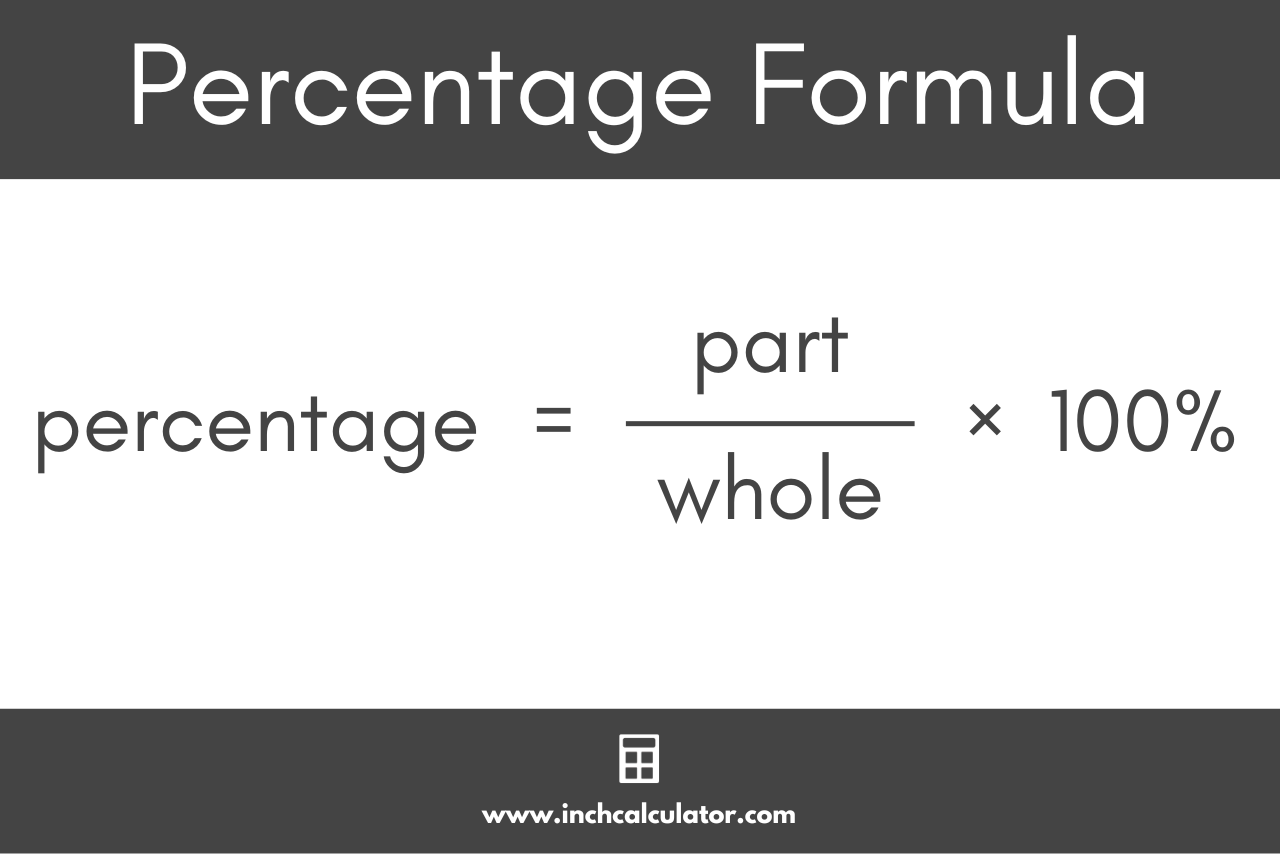
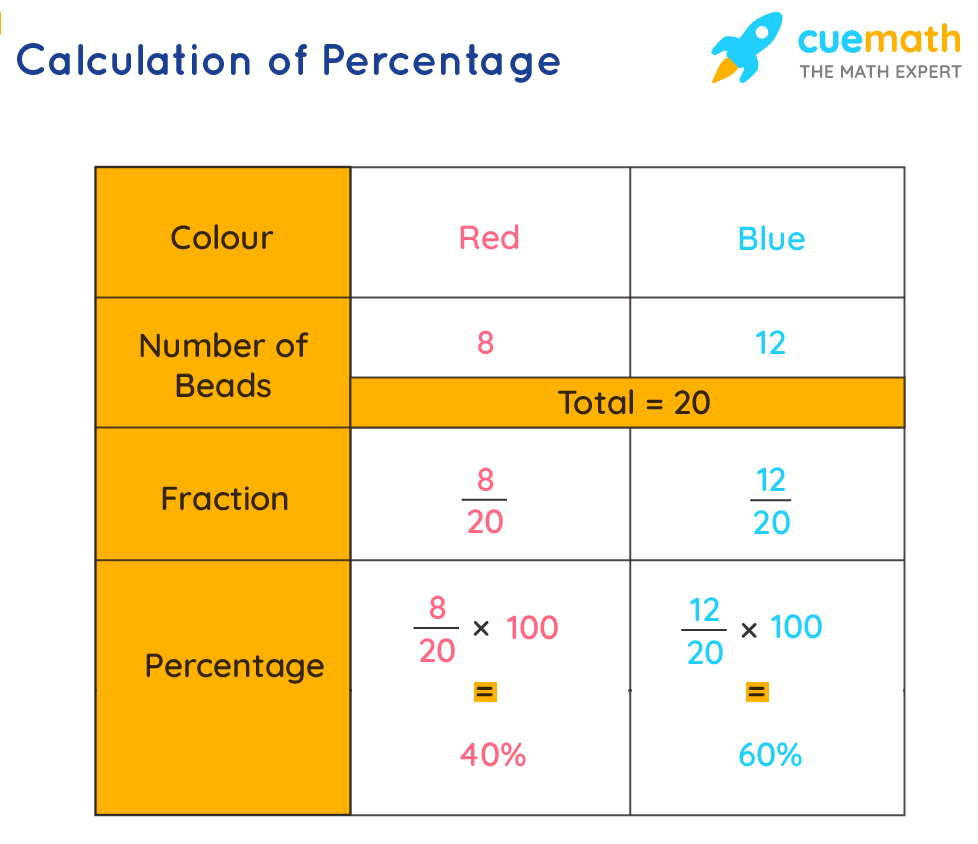
At its core, a percentage represents a fraction of 100. The basic formula—(Part / Whole) × 100—serves as the bedrock for nearly every financial calculation used by professionals and retail investors alike. However, the strategic application of this formula goes far beyond simple arithmetic. It involves understanding the nuances of relative change, the power of compounding, and the impact of external factors like inflation and taxation on your total net worth.
The Foundation of Personal Finance: Budgeting and Basic Percentages
The journey toward financial independence begins with a clear understanding of where your money goes. In personal finance, the percentage formula is the primary tool used to build a sustainable budget. Instead of looking at absolute dollar amounts, which can fluctuate month to month, wealthy individuals look at their expenditures as a percentage of their total income.
The 50/30/20 Rule
One of the most popular budgeting frameworks is the 50/30/20 rule. This strategy suggests allocating 50% of your after-tax income to needs, 30% to wants, and 20% to savings and debt repayment. To implement this, you must first calculate your net income and then apply the percentage formula to each category. For example, if your monthly take-home pay is $5,000, your “needs” budget is calculated as $5,000 × 0.50 = $2,500. By viewing your finances through this lens, you can quickly identify if your lifestyle expenses are outperforming your income growth.
Calculating the Impact of Taxes and Deductions
Understanding the percentage formula is also critical when evaluating a job offer or a salary increase. Gross pay is rarely what arrives in your bank account. To find your “effective tax rate,” you use the formula: (Total Tax Paid / Total Gross Income) × 100. Knowing that you are in a 22% tax bracket is one thing, but knowing your effective rate is 14.5% provides a much more accurate picture of your actual purchasing power. This distinction is vital for long-term tax planning and retirement contributions.
Debt-to-Income Ratio (DTI)
Lenders use percentages to determine your creditworthiness. The Debt-to-Income ratio is a percentage that compares your monthly debt payments to your monthly gross income. The formula is: (Total Monthly Debt Payments / Gross Monthly Income) × 100. Most mortgage lenders prefer a DTI of 36% or lower. By calculating this percentage yourself, you can determine your “borrowing health” before ever stepping foot into a bank, allowing you to pay down debts strategically to improve your financial standing.
Maximizing Investment Returns: Tracking Growth and Performance
In the world of investing, percentages are the ultimate equalizer. They allow you to compare the performance of a $1,000 investment in a tech startup against a $100,000 investment in a real estate trust. Without the percentage formula, it would be impossible to determine which asset is truly working harder for you.
Return on Investment (ROI)
The most common metric for any investor is the Return on Investment. The formula for ROI is: [(Current Value – Original Cost) / Original Cost] × 100. This calculation tells you the efficiency of an investment. A $500 profit on a $1,000 investment (50% ROI) is vastly superior to a $5,000 profit on a $100,000 investment (5% ROI), despite the latter resulting in more absolute cash. Professional investors use this percentage to decide where to reallocate capital for maximum growth.
Compound Annual Growth Rate (CAGR)
While simple ROI is useful for short-term snapshots, the Compound Annual Growth Rate (CAGR) provides a more accurate view of how an investment has performed over time, accounting for the effects of compounding. The formula for CAGR is: [(Ending Value / Beginning Value)^(1 / Number of Years) – 1] × 100. This is the “smoothed” annual return of an investment. Understanding CAGR is essential for retirement planning, as it allows you to project how much your current savings might grow over 20 or 30 years based on historical market percentages.
Dividend Yield and Distribution Rates
For income-focused investors, the dividend yield is a key percentage. It is calculated by dividing the annual dividend payment by the current stock price: (Annual Dividend / Stock Price) × 100. This percentage allows you to compare the cash flow generated by different stocks regardless of their share price. A stock trading at $100 with a $4 dividend has the same 4% yield as a stock trading at $25 with a $1 dividend. This formula is the cornerstone of building a passive income stream that can eventually cover your living expenses.
The Business Lens: Profit Margins and Operational Efficiency

For entrepreneurs and business owners, the percentage formula is the pulse of the company. It measures the health of the business, the efficiency of operations, and the sustainability of the brand’s pricing strategy.
Gross vs. Net Profit Margin
A common pitfall for new business owners is confusing revenue with profit. The Gross Profit Margin formula—[(Revenue – Cost of Goods Sold) / Revenue] × 100—measures how efficiently a company produces its products. However, the Net Profit Margin is the “bottom line” percentage: (Net Income / Revenue) × 100. This accounts for all expenses, including taxes, interest, and overhead. A business can have a high gross margin but a negative net margin, indicating that while the product is profitable, the company’s structure is bloated and inefficient.
Markup vs. Margin: A Critical Distinction
Calculating the correct price for a product requires understanding the difference between markup and margin, a distinction that often trips up many in business finance. Markup is the percentage added to the cost to reach the selling price: [(Selling Price – Cost) / Cost] × 100. Margin, as noted above, is the percentage of the selling price that is profit. If you want a 25% margin, you cannot simply apply a 25% markup. You must use a specific formula to ensure your percentages align with your financial goals.
Break-Even Analysis
Every business needs to know when it will become profitable. The break-even point can be expressed as a percentage of total capacity or sales targets. By using percentages to analyze fixed vs. variable costs, a business owner can determine how a 5% reduction in shipping costs or a 10% increase in raw material prices will affect the overall viability of the enterprise. This type of sensitivity analysis is what separates successful businesses from those that fail within their first three years.
Interest Rates and the Cost of Capital
Money has a cost, and that cost is almost always expressed as a percentage. Whether you are a borrower or a lender, the way interest percentages are calculated will have a profound impact on your long-term wealth.
Simple vs. Compound Interest
Simple interest is calculated only on the principal amount, while compound interest is calculated on the principal plus any accumulated interest. The difference over time is staggering. The formula for compound interest is: A = P(1 + r/n)^(nt). Even a small 1% difference in an interest rate can result in tens of thousands of dollars saved or lost over the life of a 30-year mortgage. This is why financial experts emphasize “shopping for rates”—a half-percentage point reduction in your loan interest is a massive financial win.
The Annual Percentage Rate (APR)
When taking out a credit card or a car loan, the interest rate quoted is often the APR. This percentage includes not just the interest but also any fees or additional costs associated with the loan. By focusing on the APR rather than the base interest rate, consumers can make an “apples-to-apples” comparison between different financial products. Using the percentage formula to deconstruct these offers ensures you aren’t being misled by low “teaser” rates that hide high administrative fees.
The Real Rate of Return
Inflation is the silent killer of wealth. To find your true financial progress, you must calculate the “Real Rate of Return.” This is done by subtracting the inflation percentage from your nominal investment return percentage. If your savings account offers a 4% interest rate but inflation is running at 5%, your real rate of return is -1%. You are effectively losing purchasing power. Understanding this formula is crucial for choosing where to park your cash; sometimes, “safe” investments are the ones most guaranteed to lose value in real terms.
Advanced Financial Planning: Risk and Asset Allocation
As your wealth grows, the percentage formula becomes a tool for risk management. Professional portfolio management is almost entirely based on the strategic allocation of percentages across various asset classes.
Asset Allocation and Rebalancing
A balanced portfolio might consist of 60% stocks, 30% bonds, and 10% cash. Over time, as stocks grow faster than bonds, those percentages will shift—perhaps to 70/25/5. This shift increases your risk profile. Strategic investors use the percentage formula to “rebalance,” selling off winners to return the portfolio to its original percentage targets. This disciplined approach forces you to “buy low and sell high,” ensuring that no single asset class exerts too much influence over your financial future.
The 4% Rule for Retirement
One of the most famous percentages in finance is the “4% Rule.” This guideline suggests that if you withdraw 4% of your initial retirement portfolio balance each year (adjusted for inflation), your money has a very high probability of lasting at least 30 years. Calculating this percentage is the final step in retirement planning. If your desired lifestyle costs $80,000 a year, and that represents 4% of your total nest egg, you know you need a target balance of $2,000,000.
In conclusion, the percentage formula is the most versatile tool in your financial arsenal. It provides a universal framework for measuring success, evaluating risk, and planning for the future. By moving beyond absolute numbers and mastering the mathematics of percentages, you gain the clarity required to navigate the complexities of the modern financial landscape, ensuring that every dollar you earn, save, or invest is working toward your ultimate goals.
aViewFromTheCave is a participant in the Amazon Services LLC Associates Program, an affiliate advertising program designed to provide a means for sites to earn advertising fees by advertising and linking to Amazon.com. Amazon, the Amazon logo, AmazonSupply, and the AmazonSupply logo are trademarks of Amazon.com, Inc. or its affiliates. As an Amazon Associate we earn affiliate commissions from qualifying purchases.