
The question “how much to invest in ‘S'” is one that resonates deeply with individuals across all stages of their financial journey. While the ‘S’ might refer to various investment avenues – from stocks, savings, and mutual funds to more niche options like startups or specific securities – the underlying principles for determining investment allocation remain universally crucial. For the purpose of this comprehensive guide, and given the general nature of the query within the realm of personal finance and investing, we will primarily interpret ‘S’ as encompassing a broad spectrum of securities and investment vehicles, with a particular focus on the foundational principles applicable to equity investments (stocks) as a primary example.

There is no universal “right” answer to how much anyone should invest. Your optimal investment amount is a deeply personal figure, shaped by a confluence of unique financial circumstances, life goals, risk tolerance, and time horizon. This guide aims to demystify the process, providing a structured framework for you to arrive at a personalized and effective investment strategy.
Understanding Your Financial Foundation Before Investing
Before a single dollar is committed to any investment, it’s paramount to ensure your financial house is in order. Investing without a solid foundation is akin to building a skyscraper on sand – risky and prone to collapse at the first sign of instability.
Assessing Your Current Financial Health
The initial step in any sound investment strategy is a thorough audit of your current financial standing. This involves understanding your income, expenses, assets, and liabilities.
-
Emergency Fund: This is non-negotiable. Before you invest in anything speculative, ensure you have a readily accessible cash reserve covering 3 to 6 months of essential living expenses. For those with less stable incomes or dependents, even 9-12 months might be advisable. This fund acts as a crucial buffer against unforeseen events like job loss, medical emergencies, or significant home repairs, preventing you from having to liquidate investments during market downturns or at inopportune times.
-
High-Interest Debt: Debts with exorbitant interest rates, such as credit card balances or high-interest personal loans, can erode wealth faster than most investments can generate it. Mathematically, paying off a credit card charging 20% interest is equivalent to earning a guaranteed, tax-free 20% return on your money. Prioritize aggressively paying down these liabilities before allocating substantial funds to investments that yield lesser, or less certain, returns.
-
Budgeting and Cash Flow: A clear understanding of your monthly income versus your monthly expenses is fundamental. A robust budget reveals where your money is going and identifies areas where you can optimize spending to free up more capital for investment. Knowing your disposable income is the first step in determining “how much” you can invest.
Defining Your Investment Goals
Once your financial foundation is stable, the next critical step is to articulate why you are investing. Your goals will dictate the timeframe, risk level, and ultimately, the amount you need to invest.
-
Short-term vs. Long-term Goals: Are you saving for a down payment on a house in three years (short-term), or is your primary objective retirement planning three decades away (long-term)? Short-term goals typically require lower-risk investments to preserve capital, while long-term goals can accommodate higher-risk, higher-growth assets.
-
Quantifying Your Goals: Attach specific numbers and timelines to your aspirations. “I want to retire comfortably” is vague; “I want to accumulate $2 million by age 65” is actionable. This allows for reverse-engineering the required investment contributions and expected returns.
-
Impact on Strategy: Clear goals provide direction. For instance, a goal of significant wealth accumulation for early retirement might necessitate a more aggressive initial investment strategy, whereas saving for a child’s college education might involve a balanced approach that shifts from growth to preservation as the matriculation date approaches.
Determining Your Risk Tolerance and Time Horizon
The twin pillars of investment strategy are your comfort with risk and the amount of time your money has to grow. These two factors are intrinsically linked and will heavily influence “how much” of your portfolio should be allocated to various asset classes.
The Spectrum of Risk Tolerance
Your risk tolerance is your psychological and financial capacity to endure potential losses in exchange for higher potential returns.
-
Conservative Investors: Prefer capital preservation over aggressive growth. They are comfortable with lower, more stable returns and dislike market volatility. They might allocate more to bonds, cash equivalents, or stable dividend-paying stocks.
-
Moderate Investors: Seek a balance between growth and safety. They are comfortable with some market fluctuations, understanding they are part of the journey, but would shy away from extremely volatile assets. A diversified portfolio with a mix of stocks and bonds is common.
-
Aggressive Investors: Are comfortable with significant market volatility and potential short-term losses in pursuit of higher long-term gains. They typically have a longer time horizon and a greater capacity to absorb losses. Their portfolios might be heavily weighted towards growth stocks, emerging markets, or more speculative investments.
-
Factors Influencing Tolerance: Your age (younger investors can generally afford more risk), income stability, job security, existing wealth, and even personality all play a role. It’s crucial to be honest with yourself about your true comfort level, as overestimating it can lead to panic selling during downturns.
The Power of Time in Investing
Time is arguably the most powerful variable in investing, especially when considering “how much” you need to invest. The longer your investment horizon, the less you might need to contribute periodically, thanks to the magic of compounding.
-
Longer Time Horizon = More Risk/Compounding: When you have decades until you need the money, you can afford to take on more risk because market downturns become temporary blips in a longer upward trend. Compounding interest and returns have more time to work their magic, allowing even modest, consistent contributions to grow into substantial wealth.
-
Shorter Time Horizon = Lower Risk/Capital Preservation: If you need the money in a few years, capital preservation becomes paramount. Market volatility can significantly impact your principal, so investing in highly volatile assets is generally ill-advised.
-
Dollar-Cost Averaging: Investing a fixed amount regularly, regardless of market highs or lows, is an excellent strategy, particularly over long periods. When prices are high, your fixed amount buys fewer shares; when prices are low, it buys more. Over time, this averages out your purchase price and reduces the risk of trying to “time the market.”
Popular Strategies for “How Much” to Invest
While individual circumstances vary, several widely recognized rules of thumb and strategies can help guide your decision on how much to invest.
The Percentage-Based Approach
Many financial experts advocate for allocating a specific percentage of your income towards investments.
-
The 50/30/20 Rule: A popular budgeting guideline suggests allocating 50% of your after-tax income to Needs (housing, utilities, groceries), 30% to Wants (dining out, entertainment, hobbies), and 20% to Savings and Debt Repayment. The “Savings” portion here explicitly includes investments. This rule provides a clear starting point for how much of your discretionary income should be earmarked for building wealth.
-
Adjusting Percentages: While 20% is a good baseline, many financial independence enthusiasts aim for much higher savings rates (e.g., 30-50% or even more) to achieve early retirement. Conversely, those with significant debt or lower incomes might start with a smaller percentage and gradually increase it as their financial situation improves. The key is consistency and growth over time.
The “Pay Yourself First” Philosophy
This strategy prioritizes saving and investing over discretionary spending. Instead of waiting to see what’s left at the end of the month, you set aside your investment amount first, as soon as you receive your paycheck.
-
Automate Investments: The most effective way to “pay yourself first” is to automate transfers from your checking account to your investment accounts (e.g., 401(k), IRA, brokerage account) on a regular basis. This removes the temptation to spend the money and ensures consistent contributions.
-
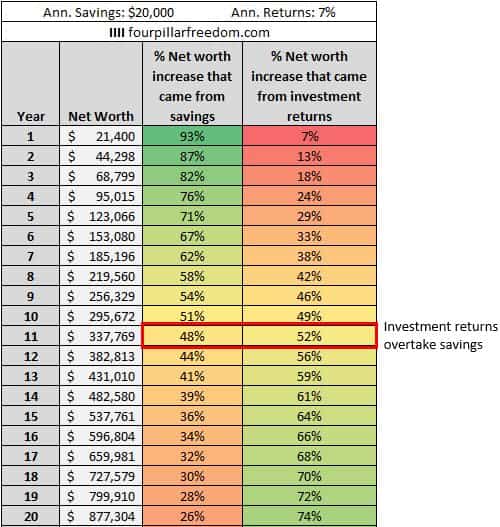
Benefits: This approach builds strong financial discipline, eliminates the “I’ll invest if I have money left over” excuse, and ensures your money is working for you from the outset. Over time, this consistent habit can significantly accelerate wealth accumulation.
Leveraging Employer-Sponsored Plans
For many, the first and most accessible avenue for investing is through their employer’s retirement plans.
-
Maximize Matching Contributions: If your employer offers a 401(k), 403(b), or similar plan with a matching contribution, contributing at least enough to receive the full match is often referred to as “free money.” This is an immediate, guaranteed return on your investment that you shouldn’t leave on the table.
-
Beyond the Match: Once you’ve secured the full employer match, consider contributing more, up to the annual IRS limits. These plans offer significant tax advantages (tax-deferred growth in traditional accounts or tax-free withdrawals in retirement for Roth accounts).
-
Roth vs. Traditional: Understand the difference. Traditional contributions are pre-tax, reducing your current taxable income, while Roth contributions are post-tax, allowing tax-free growth and withdrawals in retirement. The best choice depends on your current and anticipated future tax bracket.
Practical Considerations and Diversification
Beyond the theoretical frameworks, practical application and ongoing management are crucial for successful investing.
Starting Small and Increasing Gradually
The misconception that you need a large sum to start investing prevents many from ever beginning. This is a myth.
-
Begin With What You Can: Even $50 or $100 per month can make a significant difference over decades, especially with compounding. The most important step is to start.
-
Consistency Over Amount: Consistent contributions, even small ones, generally outperform sporadic, larger contributions over the long run.
-
“Time in the Market Beats Timing the Market”: Focus on getting your money invested and letting it grow, rather than trying to predict market movements.
-
Increase Contributions Over Time: As your income grows through raises or career advancement, make it a habit to increase your investment contributions. A good rule of thumb is to dedicate at least half of every raise to increasing your savings rate.
The Imperative of Diversification
Diversification is the cornerstone of risk management in investing. It means spreading your investments across various asset classes, industries, and geographies to minimize the impact of poor performance from any single investment.
-
Don’t Put All Your Eggs in One Basket: This age-old adage holds true. A well-diversified portfolio typically includes a mix of:
-
Stocks (Equities): For growth potential.
-
Bonds (Fixed Income): For stability and income, acting as a cushion during stock market downturns.
-
Real Estate (REITs): To add diversification to traditional stocks and bonds.
-
Commodities or Alternative Investments: For further diversification, though often with higher risk.
-
-
Geographical and Industry Diversification: Don’t just invest in companies from your home country or within a single industry. Global diversification can mitigate country-specific risks, and industry diversification protects against sector-specific downturns.
-
Benefits: Diversification doesn’t eliminate risk entirely, but it significantly reduces unsystematic risk (risk specific to an individual company or industry) and can lead to smoother, more consistent returns over time.
Rebalancing Your Portfolio
Over time, the performance of different assets will cause your portfolio’s original allocation to drift. Rebalancing is the process of periodically adjusting your portfolio back to your target asset allocation.
-
Why It’s Important: If stocks have performed exceptionally well, they might now represent a larger percentage of your portfolio than you initially intended, increasing your overall risk. Rebalancing involves selling some of the outperforming assets and buying more of the underperforming ones (or simply directing new contributions to the underperforming assets) to bring the portfolio back into alignment.
-
Benefits: Rebalancing helps you maintain your desired risk level, forces you to “buy low and sell high” (in a systematic way), and ensures your portfolio remains consistent with your financial goals. This is typically done annually or semi-annually.
The Role of Professional Guidance and Continuous Learning
Investing can be complex, and while self-education is empowering, there are times when professional advice can be invaluable.
When to Seek Professional Financial Advice
For many, navigating the intricacies of investing, tax implications, estate planning, and retirement strategies can be overwhelming.
-
Complex Financial Situations: If you have a high net worth, multiple income streams, complex tax considerations, or specific legacy goals, a financial advisor can provide tailored strategies.
-
Lack of Time or Expertise: If you lack the time, interest, or confidence to manage your investments effectively, a professional can alleviate this burden.
-
Developing a Comprehensive Plan: A good financial advisor helps you define your goals, assess your risk tolerance, create a personalized investment plan, and keep you on track. They can also offer behavioral coaching to prevent emotional decisions during market volatility.
-
Types of Advisors: Be aware of the distinction between fee-only advisors (who charge a flat fee or hourly rate and are fiduciaries legally bound to act in your best interest) and commission-based advisors (who earn commissions from products they sell, potentially creating conflicts of interest).
Lifelong Learning and Adapting Your Strategy
The investment landscape is dynamic, as are your personal circumstances. A successful investor is a lifelong learner who adapts their strategy as needed.
-
Stay Informed (But Avoid Overreaction): Understand economic trends, market news, and global events, but resist the urge to make impulsive decisions based on headlines. Long-term strategies are rarely derailed by short-term noise.
-
Regularly Review Your Plan: Your investment plan isn’t set in stone. Review it annually, or whenever a significant life event occurs (marriage, divorce, new child, job change, inheritance). Ensure it still aligns with your goals, risk tolerance, and time horizon.
-
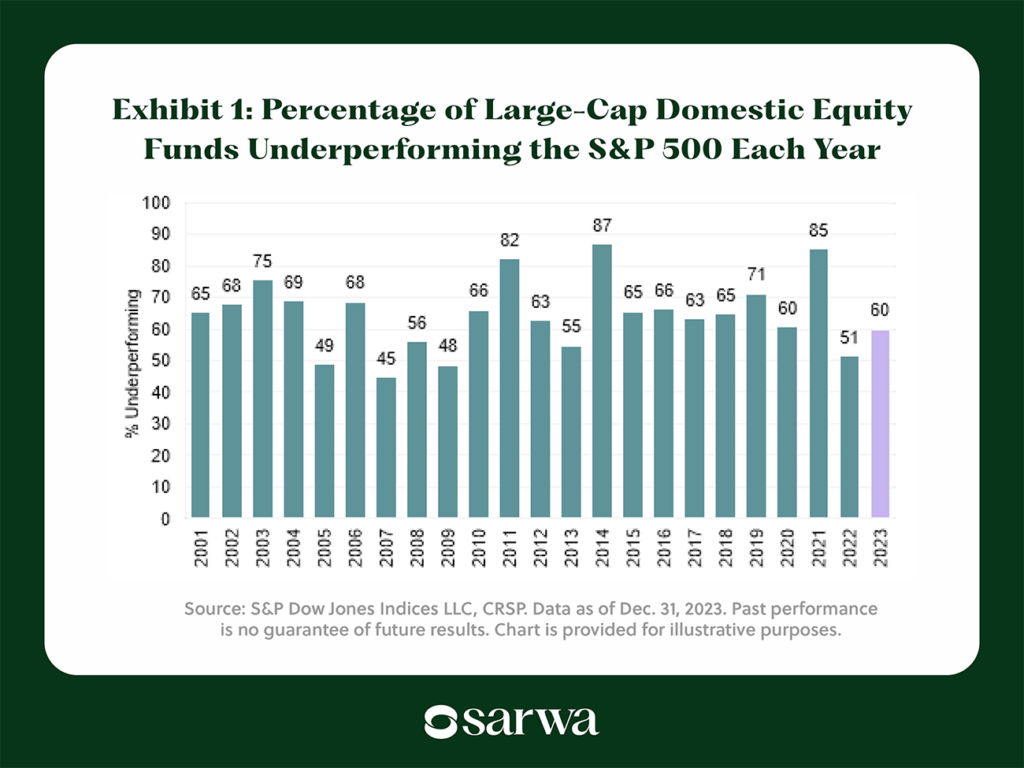
Be Patient and Disciplined: The most powerful tools an investor possesses are patience and discipline. Market corrections are normal; sticking to your plan and continuing to invest through downturns often yields the best results.
Conclusion
The question of “how much to invest in ‘S'” is less about a magic number and more about a methodical process tailored to your individual financial narrative. It begins with building a strong financial foundation, clearly defining your goals, honestly assessing your risk tolerance, and understanding the power of time. By adopting strategies like the percentage-based approach, the “pay yourself first” philosophy, and leveraging employer plans, you can establish a consistent investment habit. Furthermore, practical considerations such as starting small, embracing diversification, and periodically rebalancing your portfolio are crucial for long-term success.
Remember, investing is a journey, not a destination. It requires continuous learning, discipline, and the willingness to adapt. By adhering to these principles and, when necessary, seeking expert guidance, you can confidently navigate the investment landscape, steadily build wealth, and move closer to achieving your financial independence and security. The best time to start investing was yesterday; the second-best time is today.
aViewFromTheCave is a participant in the Amazon Services LLC Associates Program, an affiliate advertising program designed to provide a means for sites to earn advertising fees by advertising and linking to Amazon.com. Amazon, the Amazon logo, AmazonSupply, and the AmazonSupply logo are trademarks of Amazon.com, Inc. or its affiliates. As an Amazon Associate we earn affiliate commissions from qualifying purchases.