
Understanding how much interest you can earn from a savings account is a fundamental aspect of personal finance, crucial for anyone looking to grow their money safely. While savings accounts are often seen as a secure place to stash cash, their ability to generate significant returns has varied wildly with economic conditions. This article will demystify the mechanics of savings account interest, explore the factors that influence your earnings, examine different types of savings options, and provide strategies to maximize the returns on your hard-earned money. By the end, you’ll have a clear picture of what to expect and how to make your savings work harder for you.

Demystifying Savings Accounts and Interest Basics
Before diving into specific earnings, it’s essential to grasp the core concepts of savings accounts and how interest fundamentally works. This foundational knowledge empowers you to make informed decisions about where to keep your money.
What Exactly is a Savings Account?
A savings account is a deposit account held at a retail bank or other financial institution that pays interest on the money you’ve deposited. Unlike checking accounts, which are designed for frequent transactions and bill payments, savings accounts are primarily intended for accumulating funds, typically for future goals like a down payment on a home, an emergency fund, or a vacation. They offer high liquidity, meaning you can generally access your money easily, though some may have withdrawal limits. The primary benefit, aside from security, is the interest earned, which allows your money to grow over time without any active effort from your side.
The Fundamental Principle of Interest
At its simplest, interest is the cost of borrowing money or the reward for lending it. When you deposit money into a savings account, you are essentially lending your money to the bank. In return, the bank pays you a small percentage of your deposit as interest. The bank, in turn, uses your deposit (along with those of other customers) to make loans to other customers, generating its own profits. Your interest earnings are the bank’s way of compensating you for the use of your funds. The interest rate is typically expressed as an Annual Percentage Rate (APR) or, more commonly for savings, an Annual Percentage Yield (APY).
Simple vs. Compound Interest: The Game Changer
The distinction between simple and compound interest is critical when discussing savings accounts.
-
Simple Interest: This is calculated only on the principal amount (the initial amount deposited). For example, if you deposit $1,000 at a 1% simple interest rate, you’ll earn $10 in interest each year, assuming no additional deposits or withdrawals.
-
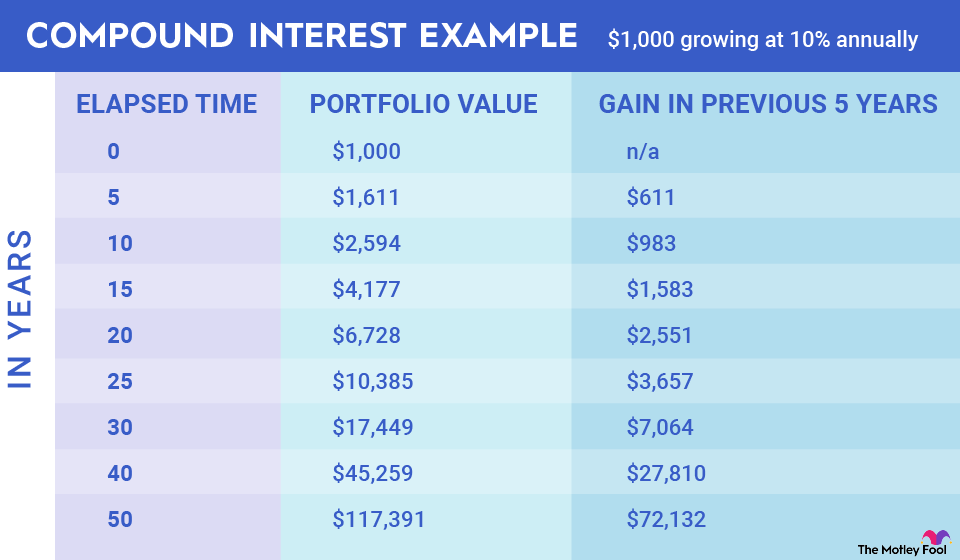
Compound Interest: This is where the magic happens. Compound interest is calculated on the principal amount and on the accumulated interest from previous periods. So, if you earn $10 in interest in the first year, in the second year, the interest will be calculated on $1,010 (your original $1,000 plus the $10 earned). This creates an accelerating growth effect, often referred to as “interest on interest.” Most modern savings accounts offer compound interest, with compounding periods typically daily, monthly, or quarterly. The more frequently interest is compounded, the faster your money grows.
Key Factors That Determine Your Interest Earnings
The amount of interest you earn isn’t static; it’s influenced by a variety of internal and external factors. Understanding these can help you better predict and potentially increase your returns.
The Annual Percentage Yield (APY): Your True Return
When comparing savings accounts, the most important figure to look at is the Annual Percentage Yield (APY). Unlike a simple interest rate (APR), the APY takes into account the effect of compounding over a year. It represents the actual annual rate of return you will earn on your deposit, assuming the interest is compounded. A bank might advertise a nominal interest rate of 1.00%, but if it compounds daily, the APY might be 1.005%. Always compare APYs when shopping for a savings account to get an accurate understanding of your potential earnings.
Economic Landscape and Federal Reserve Influence
Broader economic conditions play a significant role in determining savings account interest rates. Central banks, like the U.S. Federal Reserve, influence these rates through their monetary policy. When the Fed raises its benchmark interest rate (the federal funds rate), banks typically raise their prime rates, which in turn can lead to higher interest rates on savings accounts and CDs. Conversely, when the Fed lowers rates to stimulate the economy, savings account APYs tend to fall. Inflation also plays a role; if inflation is higher than your savings account APY, your purchasing power is effectively decreasing, even if your money is growing numerically.
Bank Type and Account Specifics
Not all banks or savings accounts are created equal. Different types of financial institutions often offer varying rates:
-
Traditional Brick-and-Mortar Banks: These tend to offer lower APYs on savings accounts because they have higher overhead costs (physical branches, staff, etc.).
-
Online Banks: Online-only banks generally offer significantly higher APYs. Without the overhead of physical branches, they can pass those savings on to their customers in the form of better rates.
-
Credit Unions: These member-owned non-profits often offer competitive rates, as their primary goal is to serve their members rather than maximize shareholder profits.
-
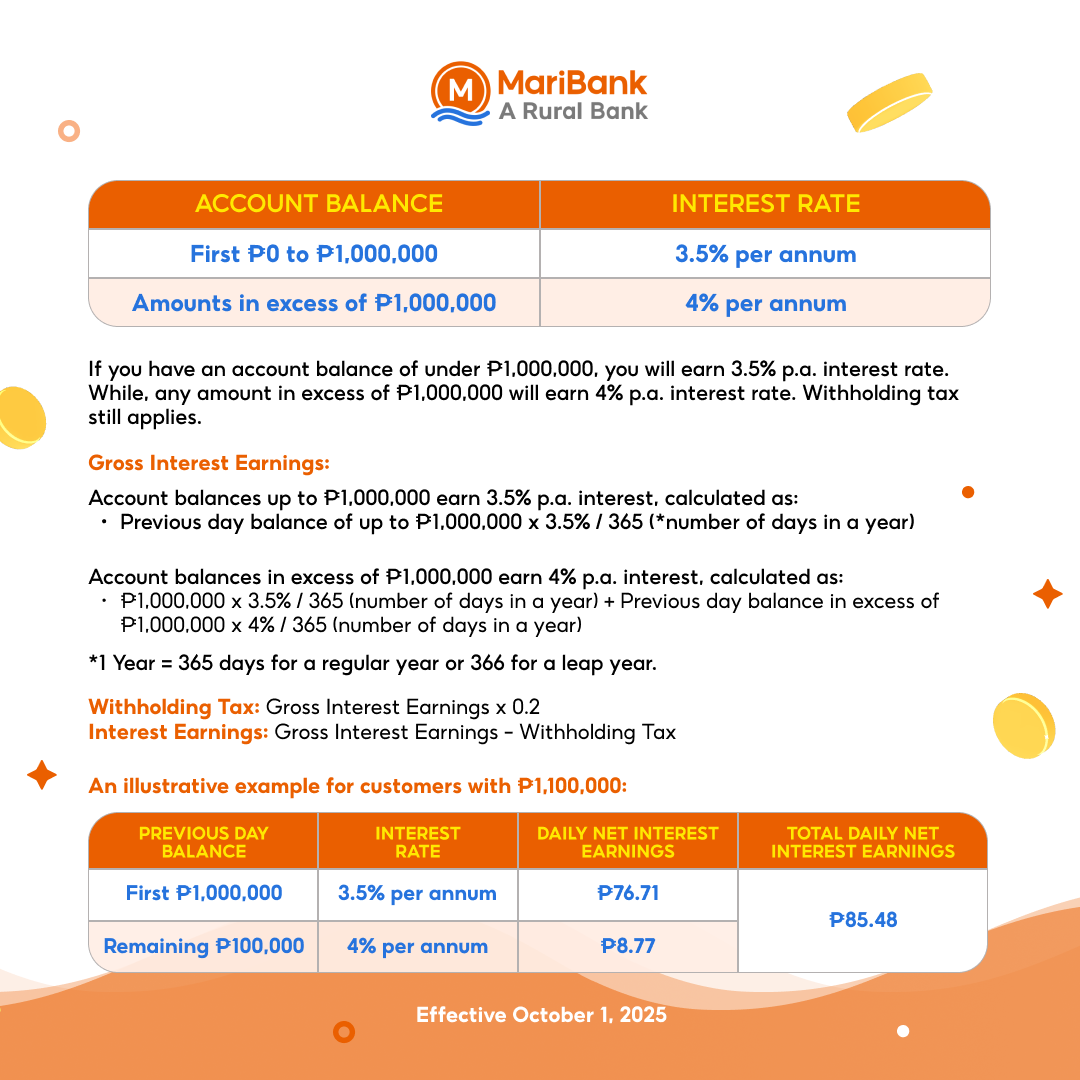
Account Tiers and Requirements: Some accounts offer tiered interest rates, where higher balances earn a higher APY. Others might require a minimum daily balance, direct deposits, or a certain number of debit card transactions (for associated checking accounts) to qualify for their highest rates. Always read the fine print.
Your Account Balance and Deposit Habits
The principal amount you keep in your savings account directly impacts your interest earnings. More money in the account means more money for the interest rate to apply to, leading to greater absolute earnings. Furthermore, consistent deposits, even small ones, significantly enhance your compound interest potential over time. Regular contributions mean your principal grows, and therefore, the base on which interest is calculated also grows, creating a powerful snowball effect. Conversely, frequent withdrawals can deplete your principal and reduce your overall interest earned.
Exploring Different Savings Options and Their Interest Potential
While the term “savings account” is broad, there are several variations, each with unique characteristics and interest-earning potential. Knowing these differences helps you choose the best fit for your financial goals.
Traditional Savings Accounts: The Baseline
These are the most common type of savings accounts offered by brick-and-mortar banks. They are highly accessible and often linked to your checking account for easy transfers. However, their interest rates are typically quite low, often hovering around 0.01% to 0.10% APY. While they offer safety and convenience, they are generally not ideal for aggressive money growth, especially during periods of low interest rates. They serve best for easily accessible emergency funds or short-term savings where high returns aren’t the primary goal.
High-Yield Online Savings Accounts: Maximizing Returns
In recent years, high-yield online savings accounts (HYSAs) have become the go-to option for those seeking better returns on their liquid savings. These accounts, offered by online-only banks, consistently boast APYs significantly higher than traditional accounts, often 10 to 20 times greater (e.g., 4.00% to 5.00%+ APY during favorable economic conditions). They offer the same FDIC insurance protection as traditional banks, providing peace of mind. The trade-off is often the lack of physical branches, though most online banks offer robust digital platforms and ATM networks for cash access.
Money Market Accounts (MMAs): A Hybrid Approach
Money Market Accounts (MMAs) share characteristics with both savings and checking accounts. They typically offer higher interest rates than traditional savings accounts, though often slightly lower than top HYSAs. MMAs usually come with check-writing privileges and a debit card, offering more transactional flexibility than a standard savings account, but often limited to 6 “convenient” transactions per statement cycle (e.g., checks, debit card purchases, transfers). They may also require a higher minimum balance to open or avoid monthly fees compared to a standard savings account. MMAs are a good option if you want a decent interest rate with some checking account features.
Certificates of Deposit (CDs): Locking in Higher Rates
While technically not a “savings account” in the traditional sense of immediate liquidity, Certificates of Deposit (CDs) are crucial for discussing interest earnings on saved money. A CD is a type of savings account that holds a fixed amount of money for a fixed period of time (the “term”), such as 3 months, 6 months, 1 year, or 5 years. In return for agreeing to keep your money untouched for the specified term, the bank pays you a higher, fixed interest rate. Early withdrawal typically incurs a penalty. CDs are ideal for money you don’t need access to for a specific period and want to protect from interest rate fluctuations, offering guaranteed returns higher than most savings accounts, especially for longer terms.
Strategies to Calculate and Significantly Boost Your Interest Earnings
Knowing the different account types is only half the battle. To truly maximize your interest earnings, you need to understand how to calculate them and employ smart strategies.
Estimating Your Interest: A Practical Example
Let’s illustrate with an example using compound interest, which most savings accounts offer. Suppose you deposit $5,000 into a high-yield online savings account with a 4.50% APY, compounded monthly.
-
Year 1:
-
Initial Balance: $5,000
-
Interest Earned: $5,000 * 0.0450 = $225
-
Ending Balance: $5,225
-
-
Year 2:
-
Starting Balance: $5,225
-
Interest Earned: $5,225 * 0.0450 = $235.13
-
Ending Balance: $5,460.13
-
As you can see, the interest earned in year 2 is higher because it’s calculated on a larger principal. Many online calculators can help you project your earnings more precisely, especially if you plan to make regular contributions.
Leveraging the Power of Consistent Contributions
The most impactful strategy to boost your interest earnings is to consistently add money to your savings account. Even small, regular deposits create a powerful compounding effect. Set up automated transfers from your checking account to your savings account immediately after you get paid. Whether it’s $50 or $500, these regular additions increase your principal, and thus the base upon which interest is calculated, significantly accelerating your wealth accumulation over time. The “set it and forget it” approach ensures your savings grow without conscious effort.
The Importance of Regular Rate Shopping and Transfers
Interest rates on savings accounts are not static. Banks constantly adjust their APYs in response to the economic climate and competitive landscape. What might be a top-tier APY today could be mediocre six months from now. Make it a habit to periodically (e.g., once a year) review the market for better savings rates. If you find an account offering a significantly higher APY with comparable terms and FDIC insurance, don’t hesitate to transfer your funds. The process is usually straightforward and can result in hundreds, if not thousands, of dollars in extra earnings over time.
Avoiding Fees That Eat Into Your Earnings
While interest helps your money grow, fees can quickly diminish those gains. Be vigilant about potential fees associated with your savings account, such as:
-
Monthly Maintenance Fees: Some accounts charge a fee if you fall below a certain minimum balance.
-
Excessive Withdrawal Fees: While federal regulations (Regulation D) limiting withdrawals from savings accounts have been suspended, some banks may still impose their own limits and fees for exceeding them.
-
Dormancy Fees: If your account is inactive for an extended period, the bank might charge a fee.
Always choose accounts with no monthly fees, or ensure you meet the requirements to waive them. The highest APY means little if fees are constantly chipping away at your principal.
Beyond Savings Accounts: Other Low-Risk Avenues for Your Money
While savings accounts are excellent for liquid funds and emergency savings, it’s worth briefly touching on other low-risk options for money you might want to grow more aggressively or lock up for a bit longer, still within the “Money” niche.
Short-Term Government Securities (e.g., Treasury Bills)
For highly secure, short-term investments, U.S. Treasury bills (T-bills) are a fantastic option. These are debt instruments issued by the U.S. government with maturities ranging from a few days to 52 weeks. They are considered virtually risk-free due to the backing of the U.S. government and often offer yields competitive with or even higher than high-yield savings accounts, especially in certain economic environments. They are purchased at a discount and mature at face value, with the difference being your interest.
High-Interest Checking Accounts
Some financial institutions offer “high-interest checking accounts.” These accounts typically require meeting specific criteria each month, such as a minimum number of debit card transactions, direct deposit, or electronic statements, to qualify for a higher APY on a limited balance (e.g., up to $15,000). While they offer competitive rates, their primary purpose is still transactional, and the high APY usually only applies to a portion of your balance, making them less suitable for large sums of savings.
Money Market Funds (Investment Vehicle Distinction)
It’s important to distinguish Money Market Accounts (MMAs) from Money Market Funds. MMAs are bank deposit accounts, while Money Market Funds are a type of mutual fund that invests in highly liquid, short-term debt instruments like T-bills, commercial paper, and CDs. They offer competitive yields, often higher than MMAs, and are generally considered low-risk, though they are not FDIC-insured. They are typically offered by brokerage firms and are used for temporary parking of investment capital or cash reserves.
In conclusion, how much interest you will earn from a savings account depends on a multifaceted interplay of economic conditions, your chosen financial institution, the specific account type, and your personal savings habits. By understanding these dynamics and actively seeking out high-yield options, consistently contributing to your savings, and staying vigilant about fees and changing rates, you can significantly enhance your financial growth and make your money truly work for you.
aViewFromTheCave is a participant in the Amazon Services LLC Associates Program, an affiliate advertising program designed to provide a means for sites to earn advertising fees by advertising and linking to Amazon.com. Amazon, the Amazon logo, AmazonSupply, and the AmazonSupply logo are trademarks of Amazon.com, Inc. or its affiliates. As an Amazon Associate we earn affiliate commissions from qualifying purchases.