
In the world of finance, timing is often as critical as the asset itself. For seasoned investors and novices alike, the question “when does the share market open?” is the first step in a larger journey of strategic capital management. Understanding market hours is not merely about knowing when you can click a “buy” or “sell” button; it is about understanding liquidity, volatility, and the global flow of economic data. In an era where digital platforms allow us to trade from our smartphones, the boundaries of the traditional trading day have blurred, yet the structural hours of the world’s major exchanges remains the heartbeat of the global economy.
1. Decoding the Standard Trading Day
The standard trading day is the primary window during which the majority of stock exchange activity occurs. While it might seem like a simple fixed window, it is a highly structured environment designed to ensure fair price discovery and sufficient liquidity for all participants.
The Core Session: When the Action Happens
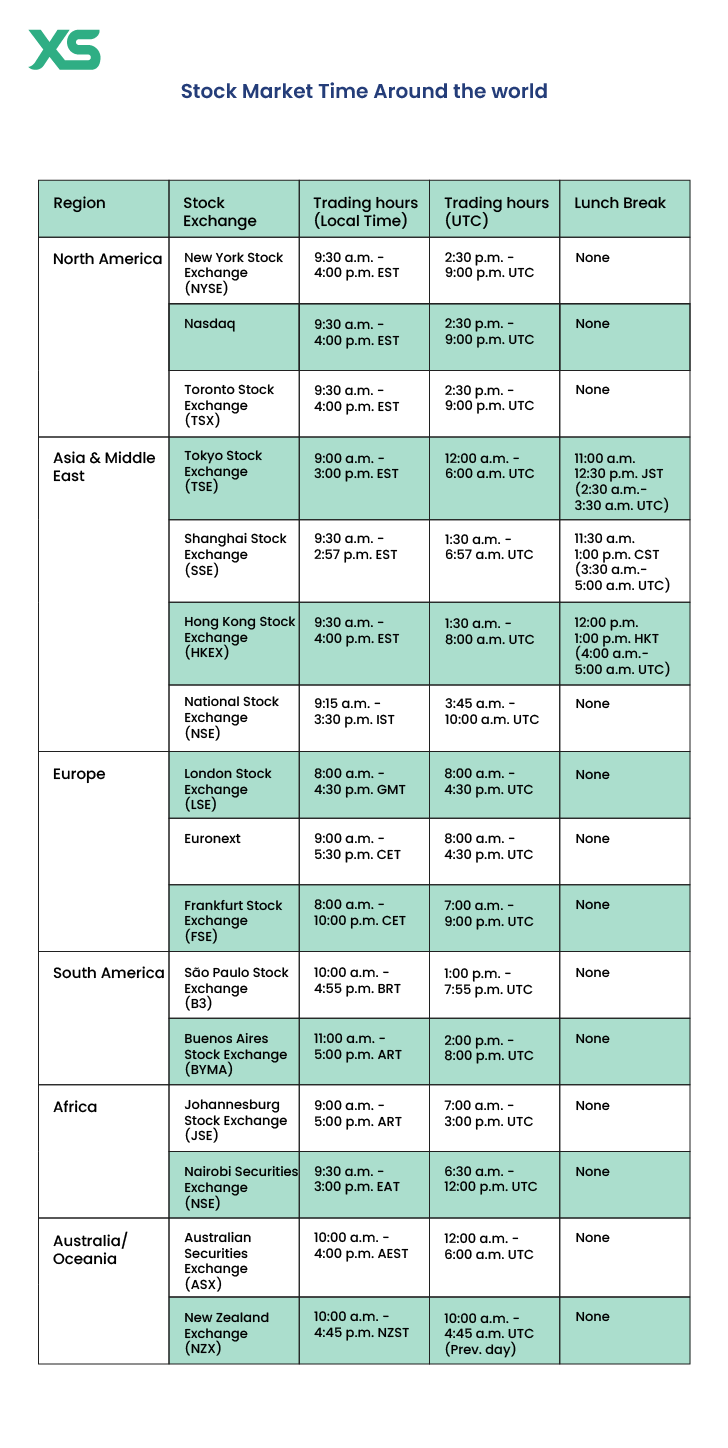
For most major exchanges, the core trading session lasts between six and eight hours. In the United States, the New York Stock Exchange (NYSE) and the NASDAQ operate from 9:30 AM to 4:00 PM Eastern Time (ET). This period is characterized by the highest volume of trades, meaning that the “spread”—the difference between the buying price and the selling price—is usually at its narrowest. For a retail investor, this is the safest and most efficient time to execute trades, as the high volume ensures that orders are filled quickly at predictable prices.
Pre-Market and After-Hours Trading: Beyond the Bell
Many investors are surprised to learn that the market doesn’t truly “sleep.” Extended-hours trading consists of pre-market sessions (occurring before the 9:30 AM open) and after-hours sessions (occurring after the 4:00 PM close). In the U.S., pre-market trading can start as early as 4:00 AM ET, while after-hours trading can continue until 8:00 PM ET.
While these sessions offer the flexibility to react to breaking news—such as earnings reports or geopolitical shifts—they come with significant risks. Liquidity is much lower, meaning price swings can be extreme and “slippage” (the difference between expected and actual price) is common. For the average personal finance enthusiast, extended hours are often better used for observation rather than aggressive participation.
The Significance of the Opening and Closing Bell
The “Opening Bell” is more than just a ceremonial tradition; it marks the moment of price discovery. Overnight, news and global events accumulate, and the opening bell allows the market to digest this information into a starting price. Similarly, the “Closing Bell” or the “Closing Cross” is a high-volume period where institutional investors and index funds rebalance their portfolios. Understanding these two bookends of the trading day is essential for anyone looking to understand why stock prices often behave erratically at the start and end of the day.
2. Navigating Global Markets Across Time Zones
The sun never sets on the global financial markets. As one exchange closes, another is likely preparing to open. For a diversified investor, understanding the “relay race” of global markets is key to managing a portfolio that includes international equities or ETFs.
Wall Street: The Influence of the NYSE and NASDAQ
As the largest financial market in the world, the U.S. schedule sets the tone for global sentiment. When Wall Street opens at 9:30 AM ET, traders in Europe are often heading into their final hours of the day, and traders in Asia are asleep. Because so many global commodities and currencies are denominated in U.S. dollars, the opening of the NYSE often triggers a wave of volatility across other asset classes, including gold and oil.
The European Powerhouses: LSE and Euronext
The London Stock Exchange (LSE) and Euronext (which covers markets in Paris, Amsterdam, and Brussels) typically operate from 8:00 AM to 4:30 PM local time. Because London is a central hub for the global forex market, the LSE’s opening is a pivotal moment for currency traders. For a U.S.-based investor, the London market opens at 3:00 AM ET, meaning that European market trends often provide a “preview” of how the U.S. market might open a few hours later.
The Asian Frontier: Tokyo, Hong Kong, and Shanghai
The Asian trading day begins while the West is sleeping. The Tokyo Stock Exchange (JPX) typically opens at 9:00 AM local time, with a scheduled lunch break—a feature rarely seen in Western markets. Hong Kong and Shanghai follow shortly after. These markets are critical for investors focused on the technology and manufacturing sectors. Monitoring the close of the Asian markets is often the first thing professional investors do when they wake up in the West, as it provides the first signal of “risk-on” or “risk-off” sentiment for the day.
3. Strategic Investing: Why Timing Matters
Knowing when to trade is often as important as knowing what to trade. The “when” of the share market dictates the environment in which your financial decisions will live.
Volatility at the Open: Opportunities and Risks
The first 30 to 60 minutes after the market opens are notoriously volatile. This is the period when “amateur” orders (placed overnight) hit the market, and institutional algorithms react to the previous night’s news. For a conservative investor, it is often wise to wait until 10:30 AM ET for the market to “settle” and establish a clear trend. However, for those looking to capitalize on quick price movements, the open provides the highest concentration of opportunity—provided one has a strict risk management strategy in place.
The “Lunchtime Lull”: Managing Mid-Day Trading
Between 12:00 PM and 2:00 PM ET, trading volumes in the U.S. typically drop. Many floor traders and institutional managers take their breaks, and the market can enter a “sideways” pattern. Prices may drift without much conviction. For long-term investors, this can be a quiet time to enter positions without the frantic noise of the opening hour. However, the lower volume also means that a large trade can have a disproportionate impact on the price, so caution is still required.
Weekend and Holiday Closures: Protecting Your Portfolio
The stock market is generally closed on Saturdays and Sundays, as well as on major public holidays (such as Christmas, New Year’s Day, and Labor Day). These breaks are vital for the mental health of the financial community, but they also represent “gap risk.” If a major event occurs on a Saturday, investors cannot react until Monday morning, often causing the stock to “gap” significantly higher or lower than its Friday close. Strategic investors often reduce their “leverage” or exposure before a long holiday weekend to mitigate the risk of an unfavorable opening price when the market returns.
4. Modern Tools for 24/7 Market Monitoring
In the digital age, while the exchanges have set hours, the flow of financial information is constant. Utilizing the right tools can help you stay ahead of the curve, even when the market is closed.
Financial Apps and Real-Time Notifications
Gone are the days when you had to wait for the morning newspaper to see stock prices. Modern financial platforms provide real-time data, even for the pre-market and after-hours sessions. Tools like Bloomberg, Reuters, or even basic brokerage apps like Vanguard or Fidelity, allow users to set price alerts. If a stock hits a certain price at 7:00 AM during pre-market trading, you can be notified immediately, allowing you to plan your strategy before the official 9:30 AM bell.
The Rise of Extended Trading Platforms
For retail investors, the barrier to entry for after-hours trading has vanished. Many “fintech” apps now offer extended-hours access as a standard feature. While this provides greater freedom, it requires a higher level of financial literacy. Understanding “Limit Orders”—where you specify the exact price you are willing to pay—is non-negotiable in extended hours to avoid being caught in wide spreads.

The Global Economic Calendar
To master the timing of the market, one must follow the economic calendar. Markets don’t just react to the clock; they react to data. Reports such as the Non-Farm Payrolls (NFP) in the U.S., Consumer Price Index (CPI) releases, and Federal Reserve interest rate announcements are usually timed for specific windows (often 8:30 AM ET, just before the market opens). Being aware of these scheduled events allows an investor to understand why the market might be behaving erratically at the open.
In conclusion, the question “when do share market open” is the gateway to a deeper understanding of financial ecosystems. By respecting the hours of the exchange, recognizing the influence of global time zones, and using modern tools to bridge the gaps, you can transform from a reactive participant into a proactive strategist. Whether you are a day trader looking for the morning’s first spark or a long-term saver protecting your nest egg, the clock is one of the most powerful tools in your investment arsenal.
aViewFromTheCave is a participant in the Amazon Services LLC Associates Program, an affiliate advertising program designed to provide a means for sites to earn advertising fees by advertising and linking to Amazon.com. Amazon, the Amazon logo, AmazonSupply, and the AmazonSupply logo are trademarks of Amazon.com, Inc. or its affiliates. As an Amazon Associate we earn affiliate commissions from qualifying purchases.