
The stock market, a complex barometer of economic health and corporate performance, has an inherent cyclical nature marked by periods of robust growth, consolidation, and, occasionally, dramatic downturns. While the long-term trend of equity markets has historically been upward, the specter of a “crash” looms large in the minds of investors, evoking memories of 1929, 1987, or 2008. Understanding the underlying factors and catalysts that can trigger such a severe decline is not merely an academic exercise; it’s a crucial component of informed investing and prudent financial planning. A stock market crash, typically defined as a sudden, sharp, and significant drop in market values over a short period, is rarely the result of a single cause. Instead, it often emerges from a confluence of macroeconomic pressures, financial system vulnerabilities, and profound shifts in investor psychology.
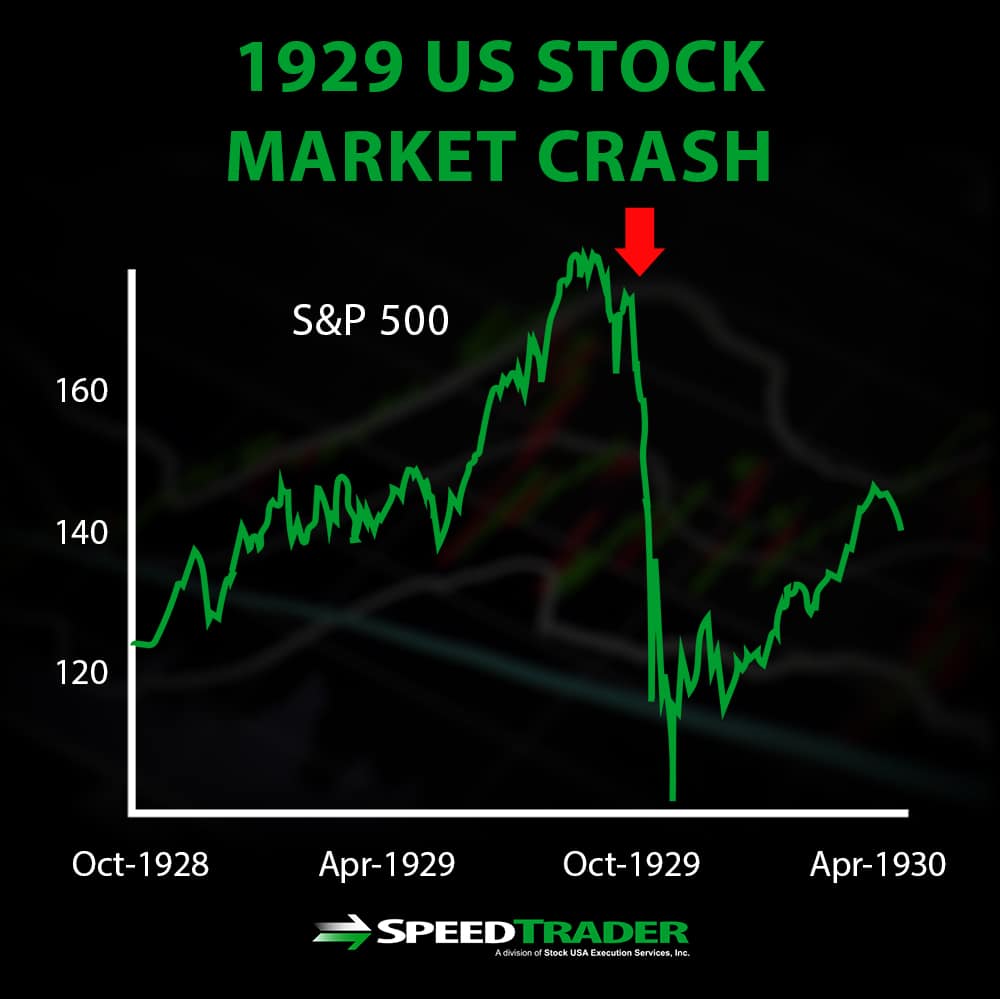
This article delves into the multi-faceted reasons behind potential stock market crashes, exploring the economic indicators, systemic risks, and behavioral dynamics that can transform a market correction into a full-blown panic. By dissecting these complex interactions, investors can gain a more comprehensive perspective, not to predict the unpredictable, but to better prepare for the inevitable volatility inherent in financial markets.
The Anatomy of a Market Downturn: Distinguishing Crashes from Corrections
Before exploring the triggers, it’s essential to define what constitutes a stock market crash and how it differs from a more common market correction. Not every dip is a disaster, and understanding the nuances helps contextualize market movements.
Defining a Stock Market Crash
A stock market crash is generally characterized by a rapid, dramatic, and often unexpected drop in stock prices across a broad market index, such as the S&P 500 or the Dow Jones Industrial Average. While there’s no universally agreed-upon numerical threshold, a decline of 20% or more from recent peaks, particularly if it occurs over a short period (days or weeks), is often cited as a benchmark. Crucially, crashes are distinguished by their speed and the widespread panic they induce, leading to significant wealth destruction and often preceding or accompanying economic recessions. They represent a significant disruption to market equilibrium and investor confidence.
The Psychological Element: Fear and Panic
Beneath the algorithms and economic data, financial markets are fundamentally driven by human behavior. Investor psychology plays an outsized role in amplifying market movements, especially during downturns. When negative news or economic indicators begin to surface, initial apprehension can quickly escalate into widespread fear. This fear can trigger a “herd mentality,” where investors, fearing further losses, rush to sell their holdings, regardless of fundamental value. This panic selling creates a self-reinforcing downward spiral, as falling prices further fuel fear, leading to more selling. The emotional contagion can overwhelm rational decision-making, turning a potential correction into a full-blown crash as liquidity dries up and bids disappear.
Systemic Risk and Contagion
Modern financial markets are deeply interconnected, not just domestically but globally. This interconnectedness, while fostering efficiency, also introduces significant systemic risk. A problem in one part of the financial system—be it a major bank failure, a sovereign debt crisis, or the collapse of a large hedge fund—can rapidly propagate throughout the entire system. Through various channels like interbank lending, derivatives markets, and cross-border investments, a localized crisis can trigger a domino effect, leading to widespread liquidity crunches, credit freezes, and a loss of confidence that spills over into equity markets. This contagion effect means that even seemingly isolated events can have far-reaching implications, accelerating a market decline into a crash.
Macroeconomic Headwinds: The Economy’s Role in Market Collapse
The health of the broader economy is inextricably linked to the performance of the stock market. Significant shifts in macroeconomic conditions frequently serve as the foundational triggers for market downturns, including crashes.
Recessions and Economic Contraction
Perhaps the most direct link between the economy and the stock market is the onset of a recession. A recession, characterized by a significant decline in economic activity spread across the economy, lasting more than a few months, typically involves real GDP, real income, employment, industrial production, and wholesale-retail sales. When the economy contracts, corporate earnings decline, future growth prospects dim, and consumer spending falters. Investors, anticipating reduced profitability and increased risk, will sell off stocks, leading to a market decline. While the stock market often acts as a leading indicator, often beginning its descent before a recession is officially declared, a prolonged and deep economic contraction provides a powerful and fundamental reason for sustained market weakness and potential crashes.
Inflation, Interest Rates, and Monetary Policy
High and persistent inflation can erode purchasing power, increase business costs, and force central banks to raise interest rates aggressively. Rising interest rates have a multi-pronged negative impact on the stock market. Firstly, they increase the cost of borrowing for companies, curbing investment and growth. Secondly, they make bonds and other fixed-income investments more attractive relative to stocks, drawing capital away from equities. Thirdly, higher discount rates are used to value future earnings, meaning that the present value of a company’s projected profits decreases, thereby lowering stock valuations. An aggressive tightening cycle by a central bank, aimed at taming runaway inflation, can thus precipitate a market crash by making equities less appealing and increasing the risk of an economic slowdown or recession.
Geopolitical Shocks and Global Instability
Major geopolitical events can introduce immense uncertainty and risk into global markets. Wars, terrorist attacks, significant political upheavals, trade wars, or widespread civil unrest can disrupt supply chains, destabilize international relations, impact commodity prices, and erode business confidence. Such events can trigger a flight to safety, where investors dump riskier assets like stocks in favor of safe havens like government bonds or gold. The sudden imposition of sanctions, the threat of armed conflict, or the collapse of international agreements can swiftly change the economic outlook, leading to sharp sell-offs as markets price in increased risk and diminished growth prospects.
Commodity Price Volatility
Sudden and significant spikes or collapses in commodity prices, particularly oil, can have profound effects on the global economy and, consequently, the stock market. A sharp increase in oil prices, for instance, acts like a tax on consumers and businesses, reducing disposable income and increasing production costs, potentially leading to slower economic growth and inflation. Conversely, a dramatic collapse in oil prices can destabilize energy-producing nations and industries, leading to widespread defaults and financial instability. Both scenarios, depending on their magnitude and duration, can trigger broader market downturns as investor confidence wanes and economic forecasts deteriorate.
Financial System Fragilities: Bubbles, Debt, and Leverage
Beyond macroeconomic factors, vulnerabilities within the financial system itself often set the stage for market crashes. These internal weaknesses can amplify shocks and turn what might have been a minor correction into a severe collapse.
The Peril of Asset Bubbles
An asset bubble forms when the price of an asset (stocks, real estate, commodities, etc.) rises rapidly and significantly beyond its intrinsic value, driven by speculative enthusiasm rather than fundamental economics. The dot-com bubble of the late 1990s and the housing bubble preceding the 2008 financial crisis are prime examples. During a bubble, investors ignore traditional valuation metrics, convinced that prices will continue to rise indefinitely. When the bubble inevitably bursts—often triggered by rising interest rates, a change in investor sentiment, or a specific piece of negative news—the sudden and rapid deflation of prices can lead to massive wealth destruction. As investors rush to exit, prices plummet, triggering a crash as the market corrects to a more realistic valuation.
Excessive Debt and Financial Leverage
High levels of debt, whether at the corporate, household, or sovereign level, can make the financial system extremely fragile. When economic conditions deteriorate or interest rates rise, the burden of servicing this debt becomes unmanageable. Companies laden with debt are more vulnerable to bankruptcy during economic downturns. Households with excessive mortgage or consumer debt face increased financial stress, reducing spending. In the financial sector, excessive leverage—borrowing money to amplify returns—can lead to catastrophic losses when asset values decline. During a market downturn, highly leveraged institutions may face margin calls, forcing them to sell assets into a falling market, further accelerating the decline and creating a vicious cycle that can lead to systemic collapse.
Regulatory Lapses and Unchecked Risk-Taking
Periods of lax regulation or the emergence of complex, opaque financial products can foster an environment of unchecked risk-taking within the financial industry. When oversight is insufficient, institutions may engage in practices that prioritize short-term gains over long-term stability, such as lending to unqualified borrowers, creating overly complex derivatives, or taking on excessive leverage. These practices can build up hidden risks within the system that only become apparent when a crisis hits. The absence of effective circuit breakers or robust consumer protections can allow problems to fester and expand, eventually contributing to a systemic failure and a market crash as the consequences of accumulated risk come to light.
Interconnectedness of Global Markets
In an increasingly globalized world, financial markets are more interconnected than ever before. Capital flows freely across borders, and major economies are deeply intertwined through trade, investment, and supply chains. While this fosters efficiency, it also means that a crisis originating in one region or country can quickly spread globally. For instance, a sovereign debt crisis in Europe could trigger a global credit crunch, or an economic slowdown in China could impact corporate earnings worldwide. This interconnectedness means that no market is an island; a significant shock anywhere in the global financial system can send ripple effects across continents, potentially leading to a coordinated global market crash.
Technological and Behavioral Catalysts: Modern Market Risks
While economic fundamentals and financial system fragilities are primary drivers, modern markets also face unique technological and behavioral risks that can accelerate or trigger crashes.
High-Frequency Trading and Algorithmic Flash Crashes
The advent of high-frequency trading (HFT) and complex algorithmic strategies has transformed market microstructure. While generally enhancing liquidity, these technologies also introduce new risks. Algorithms are designed to execute trades at lightning speed based on predefined parameters. However, a glitch in an algorithm, a “fat finger” error, or an unforeseen interaction between multiple algorithms can trigger a rapid, dramatic, and unexplained decline in asset prices known as a “flash crash.” The 2010 Flash Crash, where the Dow Jones Industrial Average plummeted nearly 1,000 points in minutes before largely recovering, demonstrated the potential for automated systems to create extreme volatility and rapid, albeit temporary, market dislocations. While typically short-lived, such events highlight the vulnerability of modern markets to technological failures.
The Impact of Social Media and Information Overload
In the digital age, information (and misinformation) spreads at an unprecedented pace, primarily through social media. Rumors, unverified news, or even deliberate disinformation can go viral almost instantly, influencing investor sentiment and potentially triggering rapid market reactions. A false report about a major company’s bankruptcy or a geopolitical event can lead to a sudden sell-off, creating panic before facts can be verified. This speed and breadth of information dissemination mean that markets can react to news, both real and fabricated, much faster than in previous eras, potentially accelerating downturns and making them harder to control. The emotional contagion, previously confined to trading floors, can now spread globally through digital networks.
Speculative Mania and Herd Behavior
Technological advancements and easier access to trading platforms can sometimes amplify speculative manias. When certain assets or sectors become “hot,” a combination of FOMO (Fear Of Missing Out) and easily accessible leverage can draw in a wave of inexperienced investors. This can inflate asset prices beyond fundamental value, creating mini-bubbles within specific sectors or asset classes. When these bubbles burst, the localized crashes can contribute to broader market instability, especially if the speculative activity involves widely held assets or systemically important sectors. The ease with which individuals can engage in speculative trading, sometimes based on online chatter rather than rigorous analysis, adds a new dimension to the risk of irrational exuberance followed by sharp corrections.
Strategies for Resilience: Navigating Inevitable Market Volatility
Given the multitude of factors that can trigger a stock market crash, it’s clear that such events are an inherent, albeit infrequent, part of investing. While prediction is futile, preparing for and navigating market volatility is crucial for long-term financial success.
The Power of Diversification
One of the most fundamental principles of investing is diversification. Spreading investments across different asset classes (stocks, bonds, real estate, commodities), industries, geographies, and company sizes can significantly mitigate risk. When one sector or asset class performs poorly, others may hold steady or even perform well, cushioning the overall portfolio’s impact. A well-diversified portfolio is less susceptible to the specific risks associated with any single asset or industry, making it more resilient during market downturns.
Long-Term Investing and Dollar-Cost Averaging
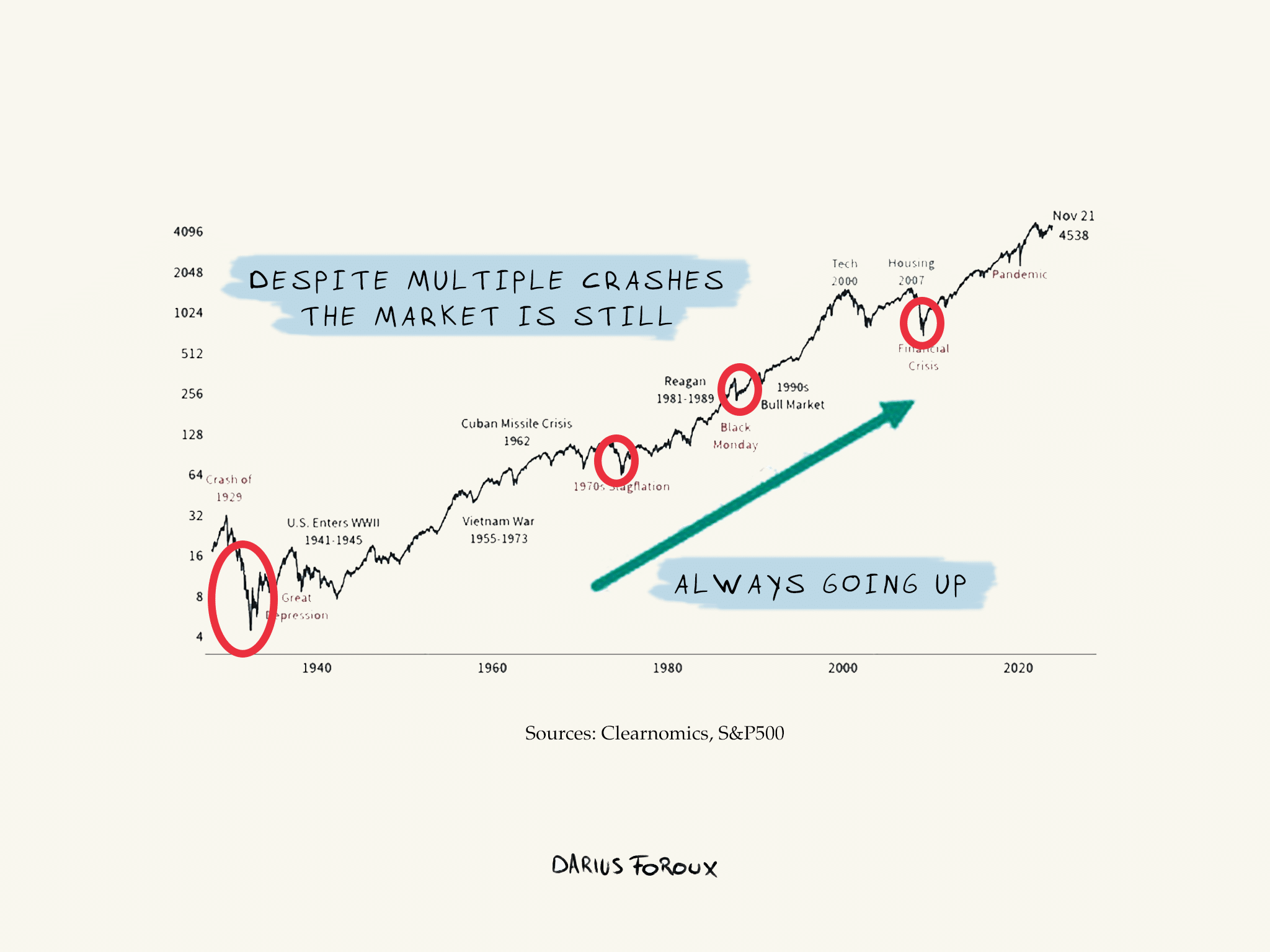
For most investors, especially those saving for retirement, a long-term perspective is paramount. Stock market crashes, while painful in the short term, have historically been followed by periods of recovery and new highs. Attempting to time the market—selling before a crash and buying back at the bottom—is notoriously difficult and often leads to missed gains. Embracing a long-term buy-and-hold strategy, coupled with dollar-cost averaging (investing a fixed amount regularly, regardless of market fluctuations), allows investors to buy more shares when prices are low and fewer when prices are high, effectively reducing the average cost basis over time and benefiting from market recoveries.
Maintaining Liquidity and Emergency Funds
A robust emergency fund, typically covering 3-6 months of living expenses held in easily accessible liquid assets, is critical. This fund acts as a financial buffer, preventing investors from being forced to sell their investments at a loss during a market downturn to cover unforeseen expenses. Having sufficient liquidity ensures that short-term financial needs don’t dictate long-term investment decisions, allowing investors to weather market storms without panic selling.

Emotional Discipline and Avoiding Panic Selling
Perhaps the most challenging aspect of navigating a market crash is maintaining emotional discipline. The instinct to panic and sell everything when prices are plummeting is strong, but it’s often the worst decision. Selling during a crash locks in losses and prevents participation in the eventual recovery. Instead, investors should revisit their original investment thesis, assess their risk tolerance, and, if appropriate, view downturns as opportunities to buy quality assets at discounted prices. Sticking to a well-thought-out investment plan, even amidst chaos, is a hallmark of successful long-term investing.
In conclusion, stock market crashes are complex phenomena driven by a confluence of economic, financial, technological, and psychological factors. While their timing and exact triggers remain unpredictable, understanding their potential causes allows investors to build more resilient portfolios and cultivate the discipline needed to navigate inevitable periods of market turbulence successfully. Rather than fearing the crash, wise investors prepare for it, seeing it as an inherent part of the wealth creation journey.
aViewFromTheCave is a participant in the Amazon Services LLC Associates Program, an affiliate advertising program designed to provide a means for sites to earn advertising fees by advertising and linking to Amazon.com. Amazon, the Amazon logo, AmazonSupply, and the AmazonSupply logo are trademarks of Amazon.com, Inc. or its affiliates. As an Amazon Associate we earn affiliate commissions from qualifying purchases.