
In an era defined by rapid economic shifts, fluctuating interest rates, and the constant erosion of purchasing power due to inflation, the question of where to safeguard and grow one’s wealth has never been more pertinent. While various avenues exist for financial accumulation, from real estate to bonds, the stock market consistently emerges as a powerful, accessible, and historically robust engine for wealth creation. Investing in stocks means buying a piece of ownership in a company, making you a part-owner of its future successes and growth. This isn’t merely about chasing quick returns; it’s about strategic financial planning, leveraging the power of capitalism, and positioning oneself for long-term prosperity.

For many, the stock market appears shrouded in mystery, an exclusive club for the financially elite, or a volatile casino where fortunes are made and lost overnight. This perception, while containing grains of truth regarding its inherent risks, largely overlooks the fundamental principles and substantial benefits that have made stock market investing a cornerstone of wealth building for millions globally. From funding retirement dreams to achieving financial independence, understanding “why invest in stocks” is the first critical step toward harnessing its potential and demystifying its operations. This article aims to unpack the compelling reasons behind stock market investing, guiding you through its benefits, risks, and strategies, ultimately empowering you to make informed decisions about your financial future.
Understanding the Power of Stock Market Investing
At its core, investing in stocks is an act of faith in human innovation, economic growth, and the enduring ability of well-managed companies to generate profit and expand. It’s a mechanism through which everyday individuals can participate in the success stories of corporations, both large and small, across various industries.
The Concept of Ownership and Growth
When you buy a share of a company’s stock, you become a shareholder. This isn’t just a fancy title; it grants you a fractional ownership stake in that company. As an owner, you have a claim on the company’s assets and earnings. If the company performs well—innovates, expands its market share, increases sales, or improves efficiency—its value generally rises. This increased value is reflected in the stock price, leading to capital appreciation, which is the primary way investors make money in the stock market. Beyond capital appreciation, many companies also distribute a portion of their profits to shareholders in the form of dividends, providing a regular income stream. This dual potential for growth and income makes stocks a dynamic investment vehicle.
Historical Returns and Long-Term Performance
One of the most compelling arguments for stock market investing comes from its historical performance. Over extended periods, the stock market has consistently outperformed most other asset classes, including bonds, real estate, and commodities, particularly when accounting for inflation. While short-term volatility is a given—market corrections and bear markets are inevitable cycles—the long-term trend of major stock indices, such as the S&P 500, has been undeniably upward. For example, historically, the average annual return of the S&P 500 has been approximately 10-12% over many decades. This impressive track record underscores the market’s resilience and its capacity to recover from downturns, rewarding patient investors. It’s not about timing the market, but rather about time in the market.
The Magic of Compounding
Perhaps the most potent force in wealth creation, especially through stock market investing, is the principle of compounding. Compounding refers to the process where the returns you earn on your investments also start earning returns themselves. Imagine your initial investment growing, and then the profits from that growth are reinvested, subsequently earning their own profits. This exponential growth effect is often called the “eighth wonder of the world” by some financial experts. With stocks, if you reinvest dividends or allow capital gains to accumulate, your wealth can grow significantly over time, even from modest initial contributions. The earlier you start investing, the more time compounding has to work its magic, leading to substantially larger portfolios down the line.
Key Benefits of Stock Market Investing
Beyond the fundamental mechanics, stock market investing offers several tangible advantages that make it an indispensable component of a well-rounded financial strategy. These benefits address common financial challenges and provide pathways to achieving long-term financial security.
Wealth Accumulation and Capital Appreciation
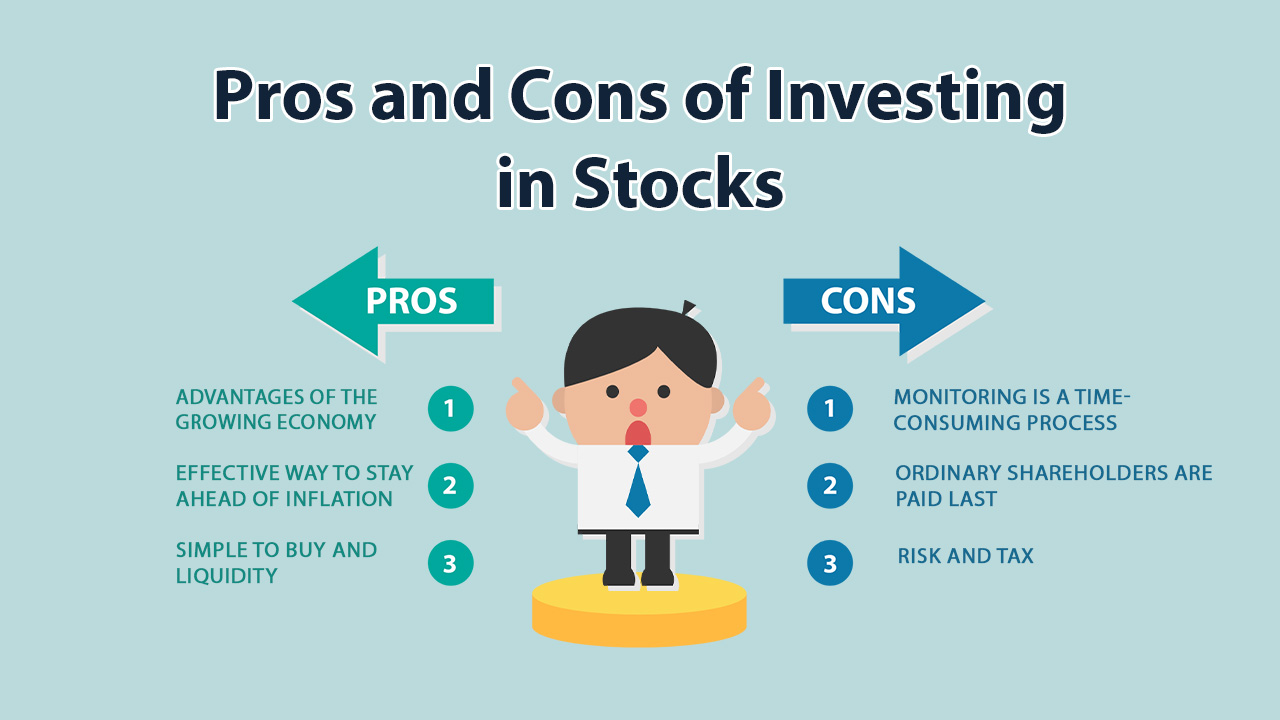
The primary allure of stocks for many investors is their potential for substantial wealth accumulation through capital appreciation. As successful companies grow their earnings and expand their operations, their intrinsic value increases, which typically translates into a higher stock price. This allows investors to buy low and sell high, realizing profits that can far outpace traditional savings accounts or even inflation. Over decades, even a relatively small initial investment, coupled with consistent contributions and the power of compounding, can transform into a considerable sum, sufficient to fund major life goals like retirement, a child’s education, or the purchase of a home.
Beating Inflation and Preserving Purchasing Power
Inflation, the silent thief of wealth, continuously erodes the purchasing power of money over time. Cash held in a savings account earning 1-2% interest, when inflation is running at 3-4%, is effectively losing value. Stocks, on the other hand, have historically proven to be one of the most effective hedges against inflation. Companies can often pass increased costs onto consumers, maintain their profit margins, and grow their revenues in nominal terms, which helps their stock prices keep pace with or exceed inflation. By investing in stocks, you’re not just growing your money; you’re actively working to ensure that your future self can buy as much, if not more, than your present self can.
Income Generation Through Dividends
While capital appreciation is a significant draw, many stocks also offer another attractive benefit: dividends. Dividends are regular payments made by companies to their shareholders, typically from their profits. These payments can be a crucial source of passive income, especially for retirees or those seeking financial independence. Dividend-paying stocks often belong to established, financially stable companies, providing a degree of predictability and income stability. Investors can choose to either pocket these dividends as income or reinvest them to buy more shares, further accelerating the compounding process and boosting long-term returns. This flexibility makes dividend stocks a versatile tool for various financial objectives.
Accessibility and Diversification
The stock market is remarkably accessible to nearly everyone. With the advent of online brokerage platforms and fractional share investing, you don’t need to be wealthy to start investing. You can begin with as little as $5 or $10, making it possible for individuals from all income levels to participate. Furthermore, the stock market offers an unparalleled opportunity for diversification. You can invest in thousands of companies across diverse industries, geographic regions, and market capitalizations. This ability to spread investments across different assets, known as diversification, is critical for managing risk, as it reduces the impact of a single poorly performing investment on your overall portfolio.
Navigating the Stock Market: Risks and Mitigation
While the benefits of stock market investing are substantial, it’s crucial to acknowledge and understand the inherent risks. Intelligent investing is not about avoiding risk entirely, which is impossible, but rather about understanding, mitigating, and managing it effectively.
Market Volatility and Short-Term Fluctuations
The most visible risk of stock market investing is its inherent volatility. Stock prices can fluctuate dramatically in the short term due to various factors, including economic news, company earnings reports, geopolitical events, and investor sentiment. A significant drop in market values, known as a market correction or bear market, can be unsettling and lead to substantial paper losses. However, for long-term investors, short-term volatility often presents opportunities. Market downturns allow investors to buy quality assets at lower prices, which can lead to greater returns when the market eventually recovers. The key is to maintain a long-term perspective and avoid making rash decisions based on temporary market movements.
Company-Specific Risks

Beyond broad market risks, individual stocks carry company-specific risks. A company’s performance can be negatively impacted by poor management decisions, competitive pressures, technological obsolescence, regulatory changes, or even scandals. If you invest heavily in a single company that performs poorly, your investment could suffer significant losses. This highlights the importance of thorough research and due diligence before investing in individual stocks. Understanding a company’s business model, financial health, competitive landscape, and management quality is essential to assessing its specific risk profile.
Diversification as Your Shield
The most effective strategy to mitigate both market and company-specific risks is diversification. By spreading your investments across a variety of different stocks, industries, and asset classes, you reduce the impact of any single investment’s poor performance on your overall portfolio. For instance, if one sector of the economy experiences a downturn, other sectors might perform well, balancing out your returns. Diversification can be achieved through investing in a range of individual stocks, but more commonly and easily through diversified instruments like Exchange Traded Funds (ETFs) or mutual funds, which hold baskets of many different stocks.
Long-Term Perspective and Emotional Discipline
Perhaps the greatest risk in stock market investing is often psychological: the temptation to panic sell during downturns or chase speculative bubbles during booms. Successful investing demands emotional discipline and a steadfast long-term perspective. History shows that those who remain invested through market cycles, resisting the urge to react emotionally to short-term news, tend to be the ones who reap the greatest rewards. Develop an investment plan and stick to it, understanding that market fluctuations are a normal part of the investing journey.
Strategies for Successful Stock Investing
Embarking on your stock market journey requires more than just understanding the ‘why’; it demands a thoughtful approach to ‘how.’ Successful investing isn’t about guesswork; it’s about employing sound strategies aligned with your personal financial goals and risk tolerance.
Defining Your Investment Goals and Risk Tolerance
Before placing your first trade, it’s crucial to define what you’re investing for. Are you saving for retirement in 30 years, a down payment on a house in five, or income generation in the near term? Your goals will dictate your investment horizon and, consequently, your asset allocation. Equally important is understanding your personal risk tolerance. Are you comfortable with significant fluctuations in your portfolio for the potential of higher returns, or do you prioritize capital preservation and lower volatility? Honest self-assessment here will guide your choice of investments and prevent you from making decisions that cause undue stress or regret.
Fundamental vs. Technical Analysis
When evaluating individual stocks, two primary analytical approaches are often employed. Fundamental analysis involves evaluating a company’s intrinsic value by examining its financial statements (revenue, earnings, assets, liabilities), management, competitive advantages, industry outlook, and economic factors. The goal is to determine if a stock is currently undervalued or overvalued by the market. Technical analysis, on the other hand, focuses on studying past market data, primarily price and volume charts, to identify patterns and predict future price movements. While fundamental analysis is generally favored by long-term investors seeking to understand the ‘health’ of a company, technical analysis is often used by short-term traders. For most long-term investors, a focus on fundamental strength and growth potential is more appropriate.
Dollar-Cost Averaging: A Prudent Approach
For many investors, especially those starting out, market timing—trying to buy at the absolute bottom and sell at the absolute top—is a futile and often counterproductive exercise. A much more practical and effective strategy is dollar-cost averaging (DCA). DCA involves investing a fixed amount of money at regular intervals, regardless of the stock price. When prices are high, your fixed amount buys fewer shares; when prices are low, it buys more shares. Over time, this strategy averages out your purchase price, reducing the risk of investing a large sum at an unfortunate market peak and taking advantage of market dips without active timing. It promotes disciplined, consistent investing, which is a hallmark of long-term success.
Rebalancing Your Portfolio
As time passes, and as different investments perform differently, your portfolio’s original asset allocation can drift. For instance, if stocks have had a strong run, they might come to represent a larger percentage of your portfolio than you initially intended. Portfolio rebalancing is the process of adjusting your investments periodically to bring them back to your target asset allocation. This might involve selling some of your outperforming assets and buying more of your underperforming ones, or simply directing new contributions to the underperforming assets. Rebalancing helps maintain your desired risk level and ensures you’re not overly exposed to any single asset class, while also embodying the principle of “buy low, sell high.”
Getting Started: Your First Steps into Stock Investing
The journey into stock market investing, while potentially complex, can begin with simple, actionable steps. It doesn’t require an advanced finance degree or a massive initial capital; rather, it calls for discipline, education, and a willingness to start small.
Opening a Brokerage Account
The first practical step to investing in stocks is opening a brokerage account. Online brokers have democratized access to the stock market, offering user-friendly platforms, low or zero commission fees, and a wide array of investment options. When choosing a broker, consider factors like account fees, investment minimums, research tools, customer service, and the types of investments available (individual stocks, ETFs, mutual funds). Reputable brokers are regulated and offer Securities Investor Protection Corporation (SIPC) insurance, which protects your investments up to certain limits in the event the brokerage firm fails.
Starting Small and Consistent Contributions
You don’t need a large sum of money to begin investing. Many platforms allow you to start with very small amounts, sometimes even fractional shares, enabling you to buy portions of expensive stocks. The key is to start early and invest consistently, even if it’s a modest amount each month. Set up automated transfers from your bank account to your brokerage account. This consistent contribution, combined with dollar-cost averaging and the power of compounding, will build your portfolio steadily over time. Remember, the earlier you start, the more time your money has to grow.
Continuous Learning and Research
The world of finance is dynamic, and successful investors are perpetual learners. Dedicate time to understanding the basics of investing, reading financial news, and researching companies or funds you’re considering. There are countless reputable resources available, from financial blogs and books to online courses and analyst reports. Understanding economic indicators, corporate earnings, and market trends will empower you to make more informed decisions and avoid common pitfalls. The more you know, the more confident and strategic your investing will become.
Seeking Professional Guidance
While self-directed investing is more accessible than ever, there’s no shame in seeking professional guidance, especially if you’re feeling overwhelmed or have complex financial situations. A qualified financial advisor can help you define your goals, assess your risk tolerance, create a diversified investment plan, and guide you through market fluctuations. They can also assist with broader financial planning, including retirement, estate planning, and tax optimization. Choosing a fee-only fiduciary advisor ensures they are legally obligated to act in your best interest.
In conclusion, investing in stocks is far more than a speculative gamble; it is a fundamental pillar of long-term financial planning and wealth creation. By understanding the power of ownership, leveraging historical returns and compounding, and embracing the benefits of wealth accumulation, inflation protection, and income generation, individuals can build substantial financial security. While risks like volatility exist, they can be effectively mitigated through diversification, a long-term perspective, and emotional discipline. By defining goals, adopting sound strategies, and committing to continuous learning, anyone can embark on a successful journey in the stock market, transforming their financial future one share at a time.
aViewFromTheCave is a participant in the Amazon Services LLC Associates Program, an affiliate advertising program designed to provide a means for sites to earn advertising fees by advertising and linking to Amazon.com. Amazon, the Amazon logo, AmazonSupply, and the AmazonSupply logo are trademarks of Amazon.com, Inc. or its affiliates. As an Amazon Associate we earn affiliate commissions from qualifying purchases.