
The synchronization of global capital markets is a marvel of modern finance. For the retail investor, the institutional trader, and the side-hustle enthusiast alike, understanding exactly when markets open is not merely a matter of checking a clock; it is a fundamental component of risk management and strategic execution. In a world where news travels instantaneously, the specific hours during which an exchange facilitates the buying and selling of securities dictate liquidity, volatility, and price discovery.
Timing is a silent partner in every successful investment. Whether you are trading blue-chip equities on the New York Stock Exchange or navigating the high-leverage world of Forex, the “when” often informs the “how.” This guide explores the intricate schedule of global financial markets, the mechanics of extended trading sessions, and how the timing of the opening bell influences market behavior across different asset classes.
Navigating the Major Global Stock Exchanges
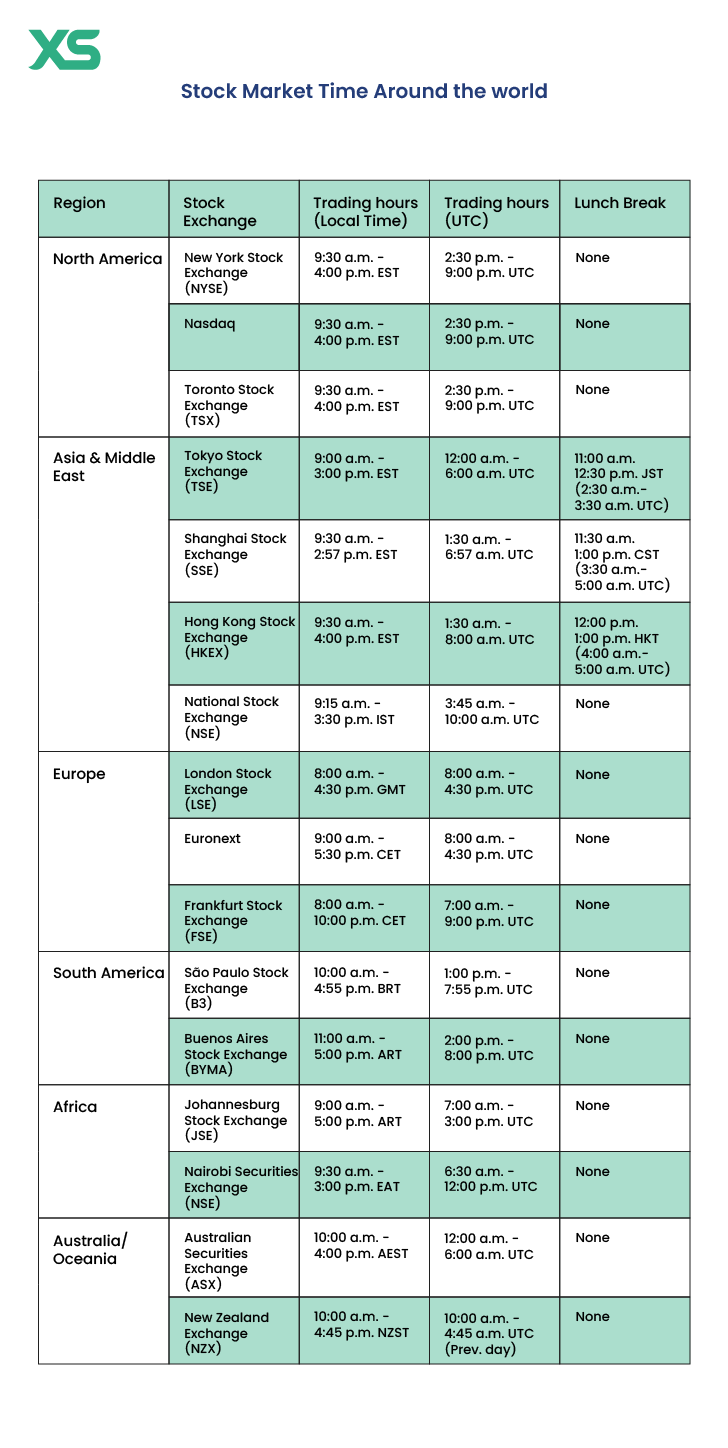
The global equity market operates as a relay race, with one region passing the baton to the next as the sun moves across the globe. For an investor based in North America, the day often begins with a look at how Asian and European markets performed, as these sessions provide the momentum or the cautionary signals for the domestic open.
The American Powerhouse: NYSE and NASDAQ
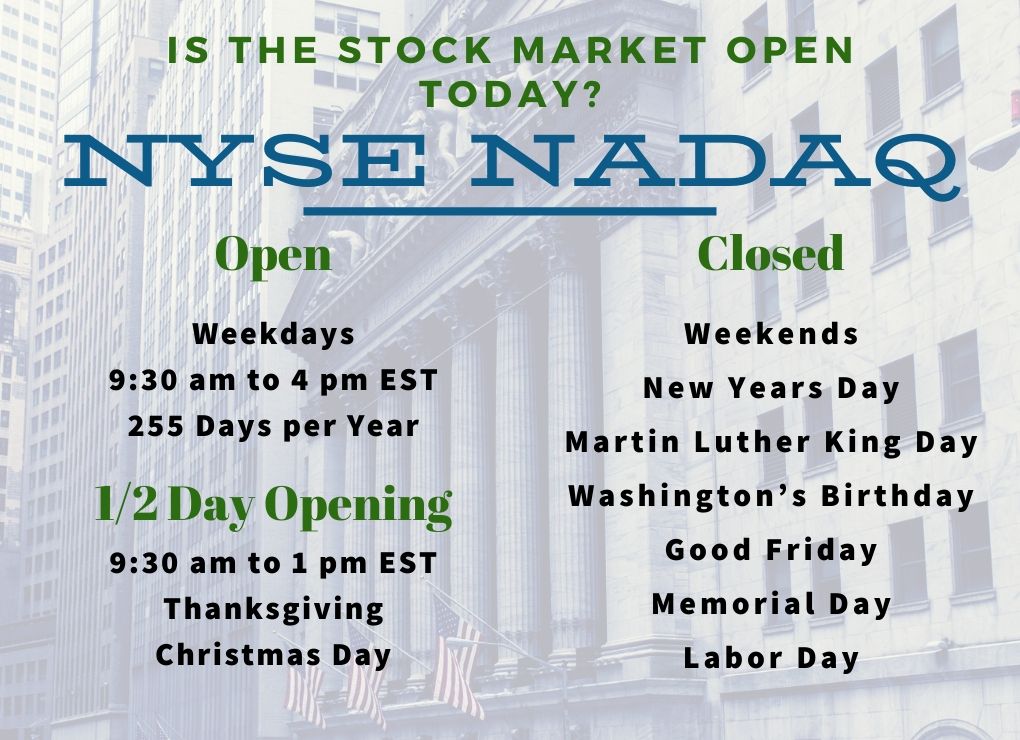
The New York Stock Exchange (NYSE) and the NASDAQ are the world’s two largest stock exchanges. Both operate on a standard schedule from Monday through Friday, opening at 9:30 AM and closing at 4:00 PM Eastern Time (ET). These “core hours” represent the period of highest liquidity and the narrowest bid-ask spreads.
The 9:30 AM ET opening is characterized by the “opening cross,” a process where the exchange’s computers calculate the optimal price to clear the maximum number of orders that accumulated overnight. For investors, this first half-hour is often the most volatile period of the day as the market reacts to overnight earnings reports, economic data, or geopolitical shifts.
The European Corridor: London and Beyond
As the sun rises over Europe, the London Stock Exchange (LSE) takes center stage. The LSE typically opens at 8:00 AM and closes at 4:30 PM local time (GMT/BST). Because London is a central hub for global finance, its hours overlap significantly with both the tail end of the Asian session and the beginning of the North American session.
The “London-New York Overlap” (typically between 8:00 AM and 11:30 AM ET) is widely considered the most liquid period in the global financial system. During these hours, the sheer volume of trades occurring simultaneously across two continents often leads to significant price movements and offers the best environment for executing large orders with minimal slippage.
The Asian Session: Tokyo, Hong Kong, and Shanghai
The trading day technically begins in the East. The Tokyo Stock Exchange (TSE) opens at 9:00 AM and closes at 3:00 PM local time, notably including a lunch break from 11:30 AM to 12:30 PM. Similarly, the Hong Kong Stock Exchange (HKEX) operates from 9:30 AM to 4:00 PM, with a mid-day break between 12:00 PM and 1:00 PM.
These lunch breaks are a unique feature of many Asian markets, contrasting with the continuous trading sessions found in the West. For global investors, the Asian session is critical for gauging the health of the manufacturing and technology sectors, often setting the tone for the “risk-on” or “risk-off” sentiment that will follow in Europe and the Americas.
Extended Trading Hours: Pre-Market and After-Hours Sessions
While the core hours of 9:30 AM to 4:00 PM ET are when the majority of retail trading occurs, the digital nature of modern exchanges allows for activity far beyond these boundaries. Extended-hours trading occurs on electronic communication networks (ECNs) and allows investors to react to news that breaks outside of standard timeframes.
Understanding the Pre-Market Window
In the United States, pre-market trading can begin as early as 4:00 AM ET, though the bulk of the volume usually appears after 8:00 AM ET. This session is primarily utilized by institutional investors and seasoned traders who need to position themselves ahead of the official open.
Pre-market trading is notoriously thin. Because there are fewer participants, a relatively small buy or sell order can move a stock’s price significantly. Investors often use this time to react to “pre-market movers”—stocks that are surging or crashing based on early-morning earnings releases or macro-economic indicators like the Consumer Price Index (CPI) or employment reports.
The Post-Market Landscape
The after-hours session begins immediately at 4:00 PM ET and can run until 8:00 PM ET. This is arguably the most dramatic period for individual stock volatility, as the vast majority of publicly traded companies release their quarterly earnings reports shortly after the closing bell.
A company might report stellar earnings at 4:05 PM, causing its stock to jump 10% in the after-hours session. However, retail investors must be cautious; the price established in the after-hours session does not always hold when the “lit” market opens the following morning. The lack of liquidity can create “false” price signals that revert once the full weight of the market’s capital enters the fray at 9:30 AM.
Risks of Trading Outside Core Hours
The allure of getting in early or reacting late comes with substantial risks. The most prominent is the widened bid-ask spread. In a highly liquid market, the difference between what a buyer will pay and what a seller will accept might be a single penny. In extended hours, that spread can widen to dozens of cents or even dollars, meaning you start every trade at a significant deficit. Furthermore, many brokerage firms require the use of “limit orders” during these sessions to protect investors from executing trades at unintended, extreme prices.
Market Hours by Asset Class: Beyond Equities
The question of “when does markets open” becomes more complex when moving beyond traditional stocks. Different asset classes follow different rules, often reflecting the global and continuous nature of modern commerce.
The 24/5 Foreign Exchange (Forex) Market
Unlike the stock market, the Forex market does not have a central physical exchange. It is a decentralized, over-the-counter (OTC) market that operates 24 hours a day, five days a week. It opens on Sunday at 5:00 PM ET (coinciding with the opening of the Sydney session) and remains open continuously until Friday at 5:00 PM ET.
This 24-hour cycle is divided into four major sessions: Sydney, Tokyo, London, and New York. While you can trade at 3:00 AM ET, the market’s behavior will differ wildly depending on which session is active. The most strategic traders focus on the “overlaps,” such as the London/New York overlap mentioned previously, where liquidity is at its peak.
Commodities and Futures
Commodities like gold, oil, and agricultural products trade on futures exchanges such as the Chicago Mercantile Exchange (CME). These markets also operate on a nearly 24-hour basis. For example, CME Globex trading typically opens on Sunday evening and runs through Friday, with a brief daily break (usually one hour) in the afternoon to allow for settlement and system maintenance.
Futures markets are essential for price discovery because they trade during the overnight hours when the physical stock exchanges are closed. If an oil pipeline in the Middle East is disrupted at 2:00 AM, the impact will show up in the Brent or WTI futures market long before the first stock trader in New York has had their coffee.
The 24/7 Evolution: Cryptocurrencies
In recent years, the rise of digital assets has introduced the concept of the “never-closing market.” Cryptocurrencies trade 24 hours a day, seven days a week, 365 days a year. There are no opening bells, no holiday closures, and no weekend breaks. This constant uptime has redefined the psychological demands on investors, as market-shifting news can occur at any moment, requiring automated tools and 24-hour monitoring strategies that were previously unnecessary for the average retail participant.
Strategic Implications: The Psychology of the Opening Bell
The opening of a market is more than a technical start; it is a psychological event. The “opening bell” represents the culmination of all the fear, greed, and information that has built up since the previous close.
The Opening Cross and Price Discovery
As mentioned, the first 15 to 30 minutes of the trading day are often characterized by high volume and erratic price swings. This is the period of “price discovery.” Institutional algorithms and retail traders are all vying to find the “fair value” of a security based on the latest news. For many conservative investors, the smartest strategy is to wait for the “opening range” to be established—usually around 10:00 AM ET—before committing capital. By this time, the initial frenzy has subsided, and a more sustainable trend for the day often begins to emerge.
The Mid-Day Lull and the Afternoon “Power Hour”
Observation of trading volumes reveals a distinct “U-shaped” pattern. Volume is high at the open, dips significantly during the lunch hour (12:00 PM to 1:30 PM ET), and surges again in the final hour of trading, often called the “Power Hour.”
The Power Hour (3:00 PM to 4:00 PM ET) is when institutional fund managers rebalance their portfolios and close out positions. For the individual investor, the Power Hour is often a time of heightened trend confirmation. If a stock has been climbing all day and continues to climb during the Power Hour on high volume, it suggests strong institutional conviction that may carry over into the next day.
Managing Global Time Zone Fatigue
For those looking to build wealth through international investing, time zone management is a logistical challenge. An investor in California wishing to trade the London open must be active at midnight. Successful global investors often utilize “set and forget” tools such as GTC (Good ‘Til Canceled) orders or automated trading bots to execute strategies in foreign markets without sacrificing their own sleep cycles. Understanding the opening times allows for the strategic placement of these orders to capture the liquidity of the opening cross without needing to be physically present.
Holiday Closures and Market Calendars
A final, critical aspect of knowing when markets open is knowing when they don’t. Each country has its own schedule of bank holidays and national observances that result in market closures.
Early Closures and Modified Schedules
In the United States, markets are closed for holidays such as Thanksgiving, Christmas, and Independence Day. However, investors must also be aware of “early close” days, where the market may shut down at 1:00 PM ET (common on the day after Thanksgiving or Christmas Eve). These shortened sessions typically see very low volume and can be prone to “erratic” movements as market makers leave early for the holiday.

Planning for Market Volatility Around Bank Holidays
Regional holidays can create “liquidity voids.” For example, if the US markets are open but the UK markets are closed for a Bank Holiday, the volume in global currency pairs involving the British Pound may be lower than usual. This can lead to increased volatility as there are fewer participants to absorb large trades. A professional investment strategy always includes a “market calendar” to avoid being caught off guard by a scheduled closure that could prevent the exiting of a position.
In conclusion, the question of when markets open is the foundation upon which all other trading decisions are built. By mastering the schedules of global exchanges, understanding the nuances of extended-hours trading, and recognizing the psychological patterns of the trading day, an investor transitions from a passive participant to a strategic operator. In the world of finance, time is not just money; time is the framework in which value is realized.
aViewFromTheCave is a participant in the Amazon Services LLC Associates Program, an affiliate advertising program designed to provide a means for sites to earn advertising fees by advertising and linking to Amazon.com. Amazon, the Amazon logo, AmazonSupply, and the AmazonSupply logo are trademarks of Amazon.com, Inc. or its affiliates. As an Amazon Associate we earn affiliate commissions from qualifying purchases.