
For both seasoned investors and those just beginning their journey into personal finance, one of the most fundamental questions is: “What time does the stock market close today?” While the simple answer for major U.S. exchanges is 4:00 PM Eastern Time (ET), the reality of market timing is far more nuanced. Understanding the clock is not just about knowing when to place a trade; it is about understanding liquidity, volatility, and the strategic windows that can make or break a financial plan.
In the world of money and investing, time is literally currency. The rhythm of the trading day dictates how prices are set, how institutional “big money” moves, and how retail investors can protect their assets. This guide explores the intricacies of market hours, the exceptions to the rule, and the strategic importance of the closing bell.
Standard Operating Hours of Major US Exchanges
The heartbeat of the American financial system is found within the New York Stock Exchange (NYSE) and the Nasdaq. These two giants dictate the flow of trillions of dollars daily. For the vast majority of investors, the “trading day” refers to the core hours when these exchanges are fully operational.
The NYSE and Nasdaq Schedule
The standard trading hours for the NYSE and Nasdaq are Monday through Friday, 9:30 AM to 4:00 PM ET. Unlike many businesses that might stay open later on certain days or operate over the weekend, the stock market remains strictly bound to this window. This consistency allows for a concentrated period of “liquidity”—a term referring to the ease with which an asset can be bought or sold without affecting its price. When the market is open during these core hours, millions of participants are active, ensuring that “bid-ask spreads” (the difference between what a buyer will pay and a seller will accept) remain tight.
The Significance of the Closing Bell
The 4:00 PM ET closing bell is more than just a tradition; it is a critical data point for the entire global financial ecosystem. The “closing price” of a stock is the final price at which it traded during regular hours. This price is used to calculate the Net Asset Value (NAV) of mutual funds, determine the value of retirement accounts, and trigger various automated “stop-loss” or “limit” orders. For institutional investors, the final minutes of the day—often referred to as the “Closing Cross”—are a period of intense activity where large blocks of shares are traded to balance portfolios before the lights go out.
Navigating the Extended Hours: Pre-Market and After-Hours Trading
While the “official” close is 4:00 PM, the digital nature of modern finance means that trading does not actually stop when the bell rings. Through Electronic Communication Networks (ECNs), investors can participate in extended-hours trading.
How Extended Trading Works
Extended hours are divided into two segments: pre-market and after-hours. Pre-market trading typically occurs from 4:00 AM to 9:30 AM ET, while after-hours trading runs from 4:00 PM to 8:00 PM ET. These sessions allow investors to react to news that happens outside of standard hours, such as corporate earnings reports, economic data releases from overseas, or geopolitical events. For example, if a major tech company releases a disappointing earnings report at 4:05 PM, the stock price may plummet immediately in the after-hours market before the general public has a chance to trade the next morning.
Risks and Rewards of Trading Outside Standard Hours
For the average retail investor, after-hours trading is a double-edged sword. On one hand, it provides the flexibility to manage a portfolio outside of a standard 9-to-5 job. On the other hand, it is fraught with risk. The primary danger is low liquidity. Because there are fewer participants, a single large sell order can cause a massive price swing. Furthermore, the “spreads” mentioned earlier tend to widen significantly, meaning you might end up paying more to buy a stock or receiving less when selling it than you would during the heat of the day. Most financial advisors suggest that unless there is an urgent need to react to news, it is generally safer to wait for the liquidity of the regular market.
Market Holidays and Early Closures: Planning Your Financial Calendar
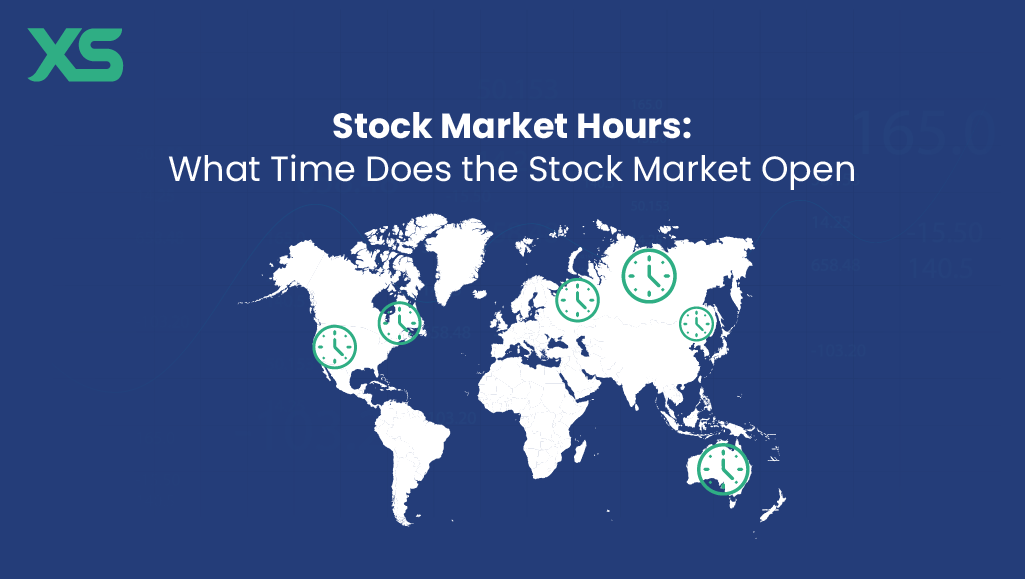
When asking “what time does the stock market close today,” it is equally important to ask “is the market open today at all?” The stock market does not follow the same schedule as the post office or every private business, but it does observe several federal holidays.
Federal Holidays and Scheduled Breaks
The U.S. stock market closes for nine major holidays each year: New Year’s Day, Martin Luther King Jr. Day, Presidents’ Day, Good Friday, Memorial Day, Juneteenth, Independence Day, Labor Day, Thanksgiving Day, and Christmas Day. If a holiday falls on a Saturday, the market usually closes on the preceding Friday. If it falls on a Sunday, the market closes on the following Monday. Being aware of these dates is crucial for anyone involved in active wealth management, as it prevents “order anxiety”—the frustration of placing a trade and realizing it won’t be executed for several days.
Early Closure Protocols
In addition to full-day closures, the market occasionally observes “early closes,” typically at 1:00 PM ET. This usually occurs on the day after Thanksgiving (Black Friday) and sometimes on Christmas Eve or July 3rd, depending on how those dates fall in the week. These shortened days often see “thin” trading volume, meaning the market is quieter than usual. For a business-minded investor, these days are often better spent on research and long-term strategy rather than active trading, as the lack of volume can lead to erratic price movements.
Global Market Perspectives: Trading Across Time Zones
In an increasingly interconnected world, the “close” of the U.S. market is just one chapter in a 24-hour global financial story. If you are diversifying your portfolio with international stocks or ETFs, you must consider the operating hours of foreign exchanges.
Key International Exchanges
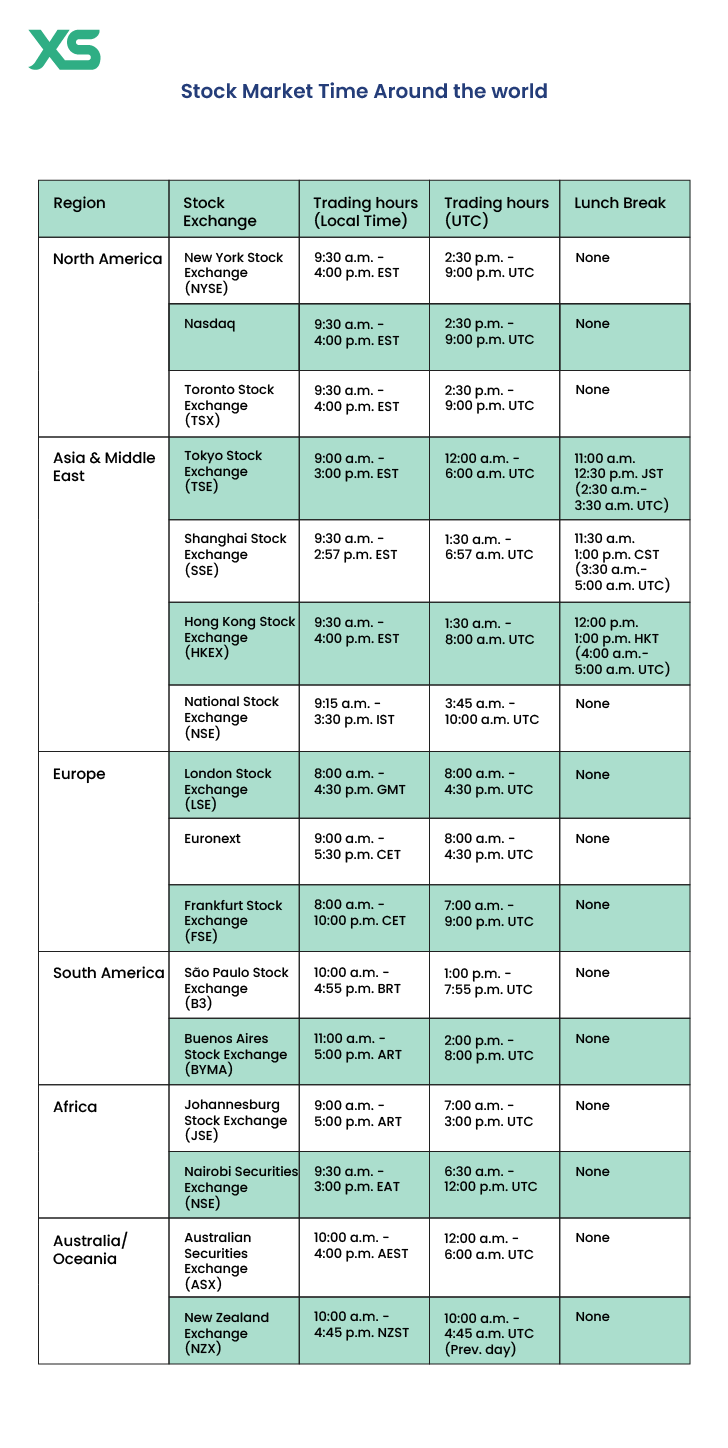
The financial world never truly sleeps. When the NYSE closes at 4:00 PM ET, the markets in East Asia are preparing to open.
- London Stock Exchange (LSE): Operates from 3:00 AM to 11:30 AM ET.
- Tokyo Stock Exchange (TSE): Operates from 7:00 PM to 1:00 AM ET (with a lunch break).
- Hong Kong Stock Exchange (HKEX): Operates from 8:30 PM to 3:00 AM ET.
For a personal finance strategist, these time zones represent opportunities. For instance, European economic news released at 4:00 AM ET can influence how U.S. futures trade before the NYSE even opens.
The Impact of Global Overlap on Volatility
The most volatile and active times in the market often occur when two major global regions are trading simultaneously. The most notable overlap is between the U.S. and Europe (roughly 9:30 AM to 11:30 AM ET). During these two hours, the volume of trades skyrockets as both London and New York are active. This “overlap” often provides the best liquidity of the day, making it an ideal time for executing large trades or entering new positions in a diversified portfolio.
Strategic Timing: Using Market Hours to Optimize Your Investments
Knowing the clock is a tactical advantage. The behavior of the market changes from the opening bell to the final seconds of the day, and understanding these shifts is key to successful business finance and personal investing.
The “Opening and Closing Cross”
The first 30 minutes and the last 30 minutes of the trading day are often the most chaotic. This is when institutional investors—hedge funds, pension funds, and investment banks—rebalance their holdings. The “Closing Cross” is a specific process used by the Nasdaq to determine the official closing price. It matches buy and sell orders in a split second to ensure the most accurate price possible. For a retail investor, trying to “beat the market” during these times can be difficult; however, long-term investors often use the closing price as a stable benchmark for their weekly or monthly contributions.
Day Trading vs. Long-Term Investing Mindsets
The importance of the closing time depends heavily on your investment strategy.
- Day Traders: For those seeking “side hustle” income through active trading, the 4:00 PM close is a hard deadline. They aim to close all positions before the bell to avoid “overnight risk”—the danger that news will break while they cannot trade, causing the stock to “gap down” the next morning.
- Long-Term Investors: For those focused on retirement and wealth building, the daily closing time is less about panic and more about consistency. Whether the market closes at 4:00 PM today or 1:00 PM on a holiday, the long-term trajectory of the market is what matters. However, even for these investors, understanding the “Power Hour” (3:00 PM to 4:00 PM ET) is useful, as it often sets the tone for the market’s direction in the coming days.
In conclusion, while the question “what time does the stock market close today” has a simple answer, the implications of that answer are vast. By understanding the standard hours, the risks of extended trading, the holiday schedule, and the global context, you can move from being a passive observer to an informed participant in your own financial future. Timing isn’t just about the clock; it’s about the strategy behind every minute.
aViewFromTheCave is a participant in the Amazon Services LLC Associates Program, an affiliate advertising program designed to provide a means for sites to earn advertising fees by advertising and linking to Amazon.com. Amazon, the Amazon logo, AmazonSupply, and the AmazonSupply logo are trademarks of Amazon.com, Inc. or its affiliates. As an Amazon Associate we earn affiliate commissions from qualifying purchases.