
For investors and traders residing on the West Coast, the rhythm of the financial world is dictated by a clock that begins ticking long before the sun rises over the Pacific. Understanding what time the market opens in California is more than just a matter of checking a time zone converter; it is a fundamental component of building a successful investment strategy in the Pacific Time Zone. Because the primary American stock exchanges—the New York Stock Exchange (NYSE) and the NASDAQ—are based in New York City, California investors must adapt to a schedule that operates three hours ahead of their local time.
Understanding the Core Trading Schedule for California Investors
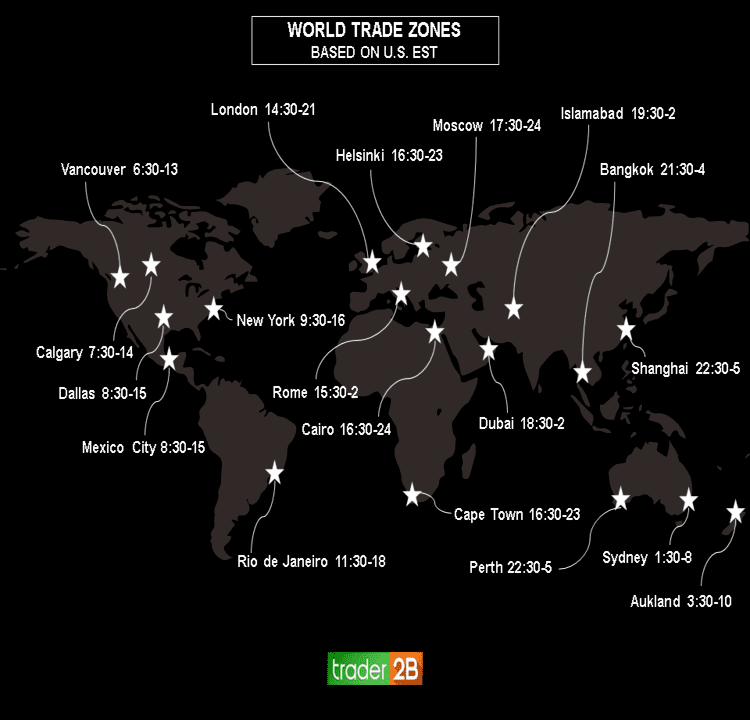
The standard operating hours for the major U.S. stock exchanges are 9:30 AM to 4:00 PM Eastern Time (ET). When translated to Pacific Time (PT), this creates a unique window for Californians.
The Core Trading Session
In California, the stock market opens at 6:30 AM PT and closes at 1:00 PM PT. This 6.5-hour window represents the period of highest liquidity and the most intense trading activity. For many professional traders in San Francisco or Los Angeles, the workday begins well before 6:00 AM to ensure they are prepared for the opening bell. This early start allows investors to react to overnight news, corporate earnings releases, and international market movements that occurred while the West Coast was asleep.
Pre-Market and After-Hours Trading
Beyond the core session, extended-hours trading provides additional opportunities—and risks. Pre-market trading in the U.S. can begin as early as 4:00 AM ET, which translates to a staggering 1:00 AM PT for those in California. While most retail investors do not participate at 1:00 AM, the “early” pre-market sessions often see significant price movements based on European market trends or early morning economic reports.
After-hours trading continues after the 1:00 PM PT close, typically running until 5:00 PM PT (8:00 PM ET). This allows California-based investors to react to earnings reports that are traditionally released immediately after the New York closing bell. While liquidity is thinner during these extended hours, the ability to trade until late afternoon local time offers a level of flexibility that matches the standard California workday.
The Strategic Impact of West Coast Timing on Investment Finance
Operating in a time zone that is three hours behind the financial capital of the world presents both logistical hurdles and strategic advantages. To excel in personal finance and active investing, one must understand how this temporal shift affects market dynamics.
The Early Morning Liquidity Surge
The first 30 to 60 minutes of the trading day—from 6:30 AM to 7:30 AM PT—are often the most volatile. This is known as the “opening range,” where the market reconciles the buy and sell orders that accumulated overnight. For California investors, this requires a high level of mental alertness at an hour when most of the local population is still commuting or waking up. High-volume traders often find that the best prices and the most significant “gaps” occur right at 6:30 AM, making it the most critical hour of the day for those looking to capitalize on short-term price movements.
The Mid-Day Lull and the Early Close
By 10:00 AM PT, the East Coast is entering its lunch hour (1:00 PM ET). During this time, trading volume often dips, and price action may become range-bound. For a Californian, this “mid-day lull” happens right in the middle of their morning.
The most striking difference for West Coast investors, however, is the 1:00 PM PT close. While New York professionals are finishing their workday at 4:00 PM, Californians find themselves with an entire afternoon of “free” time while the markets are closed. This unique schedule allows for a distinct split in the day: the morning is dedicated to active execution and monitoring, while the afternoon is ideal for research, deep-dive financial analysis, and planning for the following day’s open.

Essential Tools and Workflows for the Pacific Time Zone
To manage a portfolio effectively from California, investors need a suite of financial tools and a disciplined routine that accounts for the early start.
Automation and Real-Time Alerts
Because the market opens so early, California investors heavily rely on automated tools. Setting “limit orders” instead of “market orders” is a common strategy to ensure that trades are executed at specific price points even if the investor isn’t glued to their screen at 6:31 AM. Additionally, real-time alert systems are vital. Using financial platforms that send push notifications for price breakouts or news events ensures that an investor in Seattle or San Diego remains as informed as someone sitting on Wall Street.
Choosing the Right Brokerage Interface
Not all brokerage platforms handle time zones equally. High-tier platforms allow users to toggle between ET and local PT, which is essential for reading technical charts correctly. When analyzing “candlestick” patterns, ensuring the time axis matches your local reality prevents costly errors in timing. Furthermore, West Coast investors should prioritize brokerages that offer robust mobile apps, as the 6:30 AM open often coincides with morning routines or early gym sessions, necessitating the ability to monitor positions on the go.
Strategies for Success in California-Based Trading
Navigating the financial markets from the West Coast requires a specific psychological and tactical approach. Successful California investors often adopt habits that turn the time difference into a competitive edge.
The “Preparation Day” Ritual
Since the market closes at 1:00 PM PT, the most successful investors use the 1:00 PM to 5:00 PM window for “post-market” analysis. This involves reviewing the day’s trades, studying charts for the next morning, and reading SEC filings. By the time the West Coast goes to bed, they have already built a “watchlist” for the 6:30 AM open. This puts them ahead of East Coast investors who might be ending their day right as the market closes and may not return to their research until the following morning.
Swing Trading vs. Day Trading on the West Coast
The 6:30 AM start can be grueling for day traders who need to be present for every tick of the clock. Consequently, many West Coast investors gravitate toward “swing trading”—holding positions for several days or weeks. This strategy is less dependent on the exact minute of the market open and allows for a more sustainable lifestyle. By focusing on larger price trends, a California-based investor can place their trades during the core session and let the market work while they go about their afternoon, reducing the stress of the early morning volatility.
Beyond the NYSE: Global Markets and 24/7 Assets
One of the hidden benefits of living in California is the geographic and temporal proximity to the Pacific Rim markets. As the U.S. markets wind down, the Asian markets are preparing to open, offering a different set of opportunities for the globally-minded investor.
Engaging with Asian and European Exchanges
For an investor in California, the Tokyo Stock Exchange opens around 4:00 PM or 5:00 PM PT (depending on daylight savings). This timing is far more convenient for a West Coast resident than for someone in New York, where the Tokyo open occurs at 7:00 PM or 8:00 PM ET. This “overlap” allows Californians to trade major international indices and currency pairs in the evening, creating a nearly seamless transition from the U.S. afternoon into the Asian evening session.
The Rise of Cryptocurrency and 24/7 Finance
The traditional 6:30 AM to 1:00 PM PT schedule is increasingly being supplemented by the 24/7 nature of cryptocurrency markets. Digital assets do not observe time zones or bank holidays. For many California tech and finance professionals, crypto serves as a bridge. They may trade equities during the early morning U.S. session and pivot to digital asset management in the afternoon and evening. The decentralized nature of these markets levels the playing field, as the “opening bell” becomes a concept of the past, replaced by a continuous flow of global liquidity.
Conclusion: Mastering the West Coast Clock
Living in California and participating in the financial markets requires a shift in perspective. While the 6:30 AM open demands discipline and an early start, the 1:00 PM close offers a rare opportunity for work-life balance and deep-focus research that East Coast investors often lack. By mastering the schedule of the NYSE and NASDAQ, utilizing the right financial tools, and potentially expanding into international or 24/7 markets, California-based investors can turn their geographic location into one of their greatest financial assets. Whether you are a casual saver or a professional trader, timing is everything—and in California, that timing starts before the sun comes up.
aViewFromTheCave is a participant in the Amazon Services LLC Associates Program, an affiliate advertising program designed to provide a means for sites to earn advertising fees by advertising and linking to Amazon.com. Amazon, the Amazon logo, AmazonSupply, and the AmazonSupply logo are trademarks of Amazon.com, Inc. or its affiliates. As an Amazon Associate we earn affiliate commissions from qualifying purchases.