
For anyone navigating the complex world of finance, understanding when markets open and close is not merely a matter of curiosity; it’s a fundamental aspect of strategic investing and effective trading. The rhythm of market hours dictates when assets can be bought and sold, influences liquidity and volatility, and ultimately shapes the opportunities and risks faced by participants. From the bustling floors of major stock exchanges to the 24/7 digital realm of cryptocurrencies, market schedules vary significantly, each with its own implications. Grasping these timings is crucial for optimizing trade execution, managing risk, and staying ahead in a globally interconnected financial landscape. This comprehensive guide will demystify market hours across various asset classes, offering insights into why they matter and how to leverage this knowledge for more informed financial decisions.
Understanding Major Global Stock Market Hours
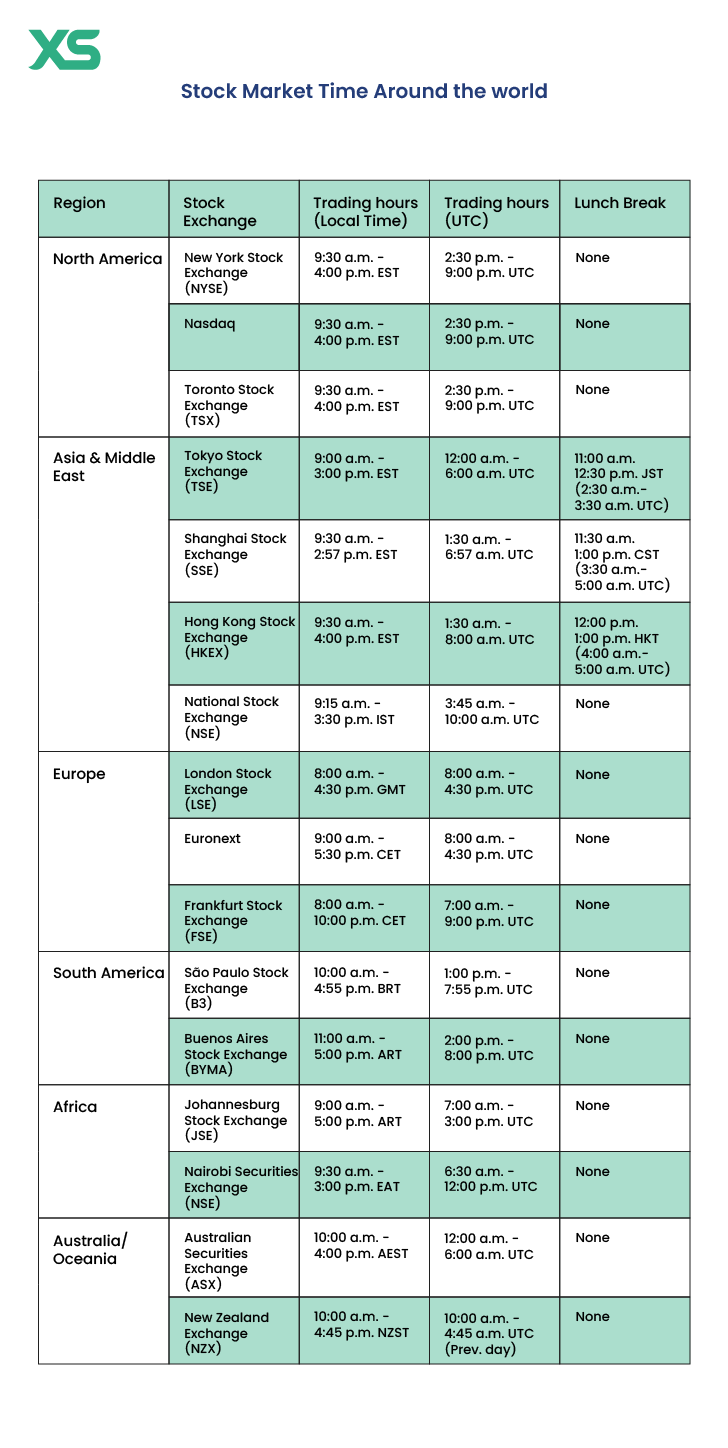
Stock exchanges are perhaps the most recognizable financial markets, acting as centralized venues for the trading of company shares. While most operate on a defined daily schedule, their specific opening and closing times are tied to their local time zones, creating a staggered global trading environment.
North American Markets: NYSE and NASDAQ
The New York Stock Exchange (NYSE) and the NASDAQ are the two largest stock exchanges in the United States and globally, representing a significant portion of worldwide equity trading. Both operate on remarkably similar schedules:
-
Regular Trading Hours: For both NYSE and NASDAQ, the standard trading session runs from 9:30 AM to 4:00 PM Eastern Time (ET), Monday through Friday. During these hours, liquidity is typically highest, and price discovery is most efficient, reflecting broad market participation.
-
Pre-Market Trading: Trading activity can begin much earlier, often as early as 4:00 AM ET. This “pre-market” session allows institutional investors and high-frequency traders to react to overnight news or earnings reports before the main market opens. Volume is generally lower, and spreads can be wider, making it a more volatile environment.
-
After-Hours Trading: Following the 4:00 PM ET close, trading continues in “after-hours” sessions, often until 8:00 PM ET. Similar to pre-market, after-hours trading sees reduced liquidity, which can lead to larger price swings and less favorable execution for individual investors. It’s often driven by corporate announcements or breaking news released outside regular hours.
-
Impact of Holidays: U.S. markets observe several federal holidays, during which they remain closed or operate on shortened schedules. Examples include New Year’s Day, Martin Luther King, Jr. Day, Presidents’ Day, Good Friday, Memorial Day, Juneteenth National Independence Day, Independence Day, Labor Day, Thanksgiving Day, and Christmas Day. Investors must consult the exchange’s holiday calendar to plan their trading activities accordingly.
European Markets: London Stock Exchange, Euronext
Europe hosts a diverse array of significant stock exchanges, each contributing to the continent’s financial dynamism. The London Stock Exchange (LSE) in the UK and Euronext, which operates exchanges in Amsterdam, Brussels, Dublin, Lisbon, Oslo, and Paris, are among the most prominent.
-
London Stock Exchange (LSE): The LSE’s main market opens at 8:00 AM GMT (Greenwich Mean Time) and closes at 4:30 PM GMT, Monday to Friday. As one of the world’s oldest and largest exchanges, its hours are critical for global investors, particularly given London’s central role in international finance.
-
Euronext: Trading hours across Euronext’s various exchanges generally run from 9:00 AM CET (Central European Time) to 5:30 PM CET, Monday to Friday. While specific closing times might vary slightly by a few minutes across different Euronext venues, this broad window provides a consistent framework for European equity trading.
-
Time Zone Considerations: European market hours present a significant overlap with Asian market closes and North American market opens. This overlap periods often see increased liquidity and trading activity, making them crucial windows for global investors.
Asian Markets: Tokyo Stock Exchange, Shanghai Stock Exchange
Asia’s financial markets open first in the global trading day, influencing sentiment for subsequent sessions. The Tokyo Stock Exchange (TSE) and the Shanghai Stock Exchange (SSE) are key players in the region.
-
Tokyo Stock Exchange (TSE): The TSE operates with a split session, common in many Asian markets. The morning session runs from 9:00 AM to 11:30 AM JST (Japan Standard Time), followed by a lunch break, and then an afternoon session from 12:30 PM to 3:00 PM JST, Monday to Friday.
-
Shanghai Stock Exchange (SSE): The SSE, the largest exchange in mainland China, also follows a split session. Trading occurs from 9:30 AM to 11:30 AM CST (China Standard Time) and then from 1:00 PM to 3:00 PM CST, Monday to Friday.
-
Overlapping Sessions and Global Liquidity: The opening of Asian markets kicks off the global trading day, with their closing hours overlapping with the opening of European markets. This sequential opening and closing of major global exchanges ensures a near-continuous flow of trading activity around the clock, impacting global liquidity and price discovery.
The 24/5 World of Forex and Crypto Markets
While traditional stock exchanges adhere to fixed daily schedules, the foreign exchange (forex) and cryptocurrency markets offer a stark contrast, operating on a vastly extended, almost continuous basis. This accessibility presents unique opportunities and challenges for investors.
Forex Market: Always On, Always Moving
The foreign exchange market, where currencies are traded, is the largest and most liquid financial market in the world, with trillions of dollars exchanged daily. Unlike stock markets, it operates decentralization, meaning there’s no single physical exchange.
-
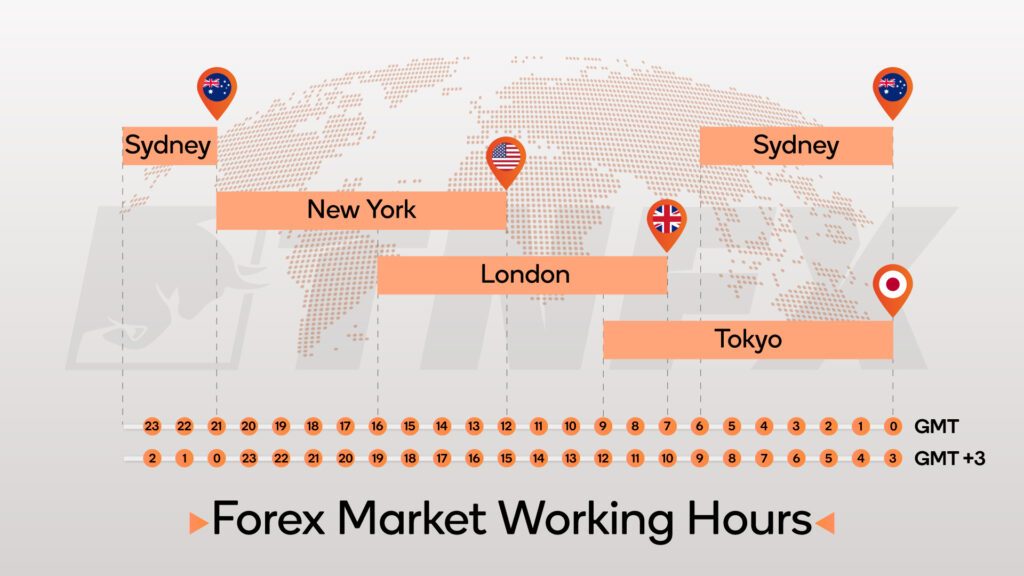
Why It’s 24 Hours: The forex market’s continuous operation stems from the overlapping business hours of major financial centers across the globe. As one financial hub closes, another opens, ensuring that currency trading is virtually uninterrupted from Monday morning in Asia through Friday afternoon in New York.
-
Major Sessions: The forex market is typically divided into four major trading sessions, each associated with a primary financial center:
-
Sydney Session: Opens first, around 5:00 PM ET Sunday.
-
Tokyo Session: Overlaps with Sydney, opening around 7:00 PM ET Sunday.
-
London Session: The busiest session, opening around 3:00 AM ET Monday.
-
New York Session: The final major session, opening around 8:00 AM ET Monday.
These sessions continuously rotate, creating a 24-hour cycle until Friday evening.
-
-
Peak Liquidity Periods: While the market is always open, liquidity and volatility peak when major sessions overlap. The overlap between the London and New York sessions (from 8:00 AM to 12:00 PM ET) is particularly known for high trading volume and significant price movements, offering optimal conditions for many traders due to tighter spreads and better execution.
Cryptocurrency Markets: True 24/7 Trading
The advent of cryptocurrencies like Bitcoin and Ethereum introduced a truly unprecedented level of market accessibility.
-
Decentralized Nature and Continuous Operation: Cryptocurrency markets operate 24 hours a day, 7 days a week, 365 days a year, with no holidays or weekends. This is a direct consequence of their decentralized and global nature. Unlike traditional assets, cryptocurrencies are not tied to specific geographic locations or financial institutions with fixed business hours. Transactions are processed by a global network of computers, allowing trading to occur continuously across various exchanges located worldwide.
-
Implications for Investors: The 24/7 nature means investors can react to news and market developments instantly, regardless of the time of day or week. However, it also means there are no “off-hours” for price action, demanding continuous vigilance for active traders. This constant accessibility also means that market trends and volatility can emerge and shift at any moment, requiring robust risk management strategies and, for some, the use of automated trading tools. The absence of traditional market close often removes the weekend “gap” risk seen in some traditional markets but introduces the potential for unexpected movements at any hour.
Beyond Stocks: Exploring Other Asset Class Hours
While stocks, forex, and cryptocurrencies dominate much of the discussion around market hours, other significant asset classes also have their own specific trading schedules that investors and traders must understand.
Commodity Markets: Futures and Spot Trading
Commodities, such as oil, gold, silver, and agricultural products, are crucial assets often traded through futures contracts on specialized exchanges.
-
Energy Commodities (Oil, Gas): Crude oil futures, for instance, primarily trade on the New York Mercantile Exchange (NYMEX), part of the CME Group. Their electronic trading platform, Globex, allows for near 24-hour trading from Sunday evening to Friday afternoon ET, with short breaks daily. This extended schedule reflects the continuous global demand and supply dynamics for energy.
-
Precious Metals (Gold, Silver): Gold and silver futures are traded on exchanges like COMEX (also part of CME Group). Similar to oil, electronic trading for metals is extensive, running nearly 24 hours a day, five days a week, starting Sunday evening ET. Spot gold and silver markets, however, largely follow the forex model, trading almost continuously around the globe.
-
Agricultural Commodities (Corn, Wheat, Soybeans): These are typically traded on the Chicago Board of Trade (CBOT), another CME Group exchange. While electronic trading extends their reach, their core trading hours are more aligned with the U.S. business day, with specific opening and closing times and often a day session and an overnight session that may be shorter than those for energy or metals.
-
Specific Exchange Hours (CME, ICE): Major commodity exchanges like the CME Group (which includes NYMEX, COMEX, and CBOT) and the Intercontinental Exchange (ICE) provide detailed schedules for each specific commodity contract. These platforms typically offer both electronic trading and sometimes pit trading (though less common now), with distinct hours for each.

Bond Markets: OTC and Exchange Trading
Bond markets, encompassing government bonds (like U.S. Treasuries) and corporate bonds, differ significantly from equity markets in their structure.
-
Less Centralized: A substantial portion of bond trading, particularly for corporate bonds and certain government debt, occurs “over-the-counter” (OTC) directly between large institutional investors, banks, and broker-dealers, rather than on a centralized exchange with defined hours. This makes pinpointing a single “open” or “close” time challenging.
-
General Operating Hours: For U.S. Treasuries, the market operates most actively during the U.S. business day, roughly from 8:00 AM to 5:00 PM ET. However, electronic trading platforms and interbank networks allow for trading beyond these hours, albeit with potentially reduced liquidity. Many institutional desks are staffed to provide quotes for key global clients for more extended periods.
-
Impact of Central Bank Announcements: Trading volume and volatility in bond markets are highly sensitive to economic data releases and central bank announcements (e.g., from the Federal Reserve, European Central Bank). These events, often scheduled during regular business hours, can trigger significant movements regardless of formal exchange times, as market participants react to new information. The bond market’s behavior is often a bellwether for interest rate expectations, making its hours of operation vital for understanding broader economic sentiment.
The Strategic Importance of Market Hours for Investors
Beyond simply knowing when you can trade, understanding market hours is a strategic imperative. It influences everything from execution quality to risk exposure, making it a critical component of a well-rounded investment approach.
Volatility and Liquidity Management
Market hours are directly tied to the fundamental forces of supply and demand, which dictate volatility and liquidity.
-
How Trading Hours Affect Price Movements and Execution: During peak trading hours, when more participants are active, liquidity tends to be high. This means there are many buyers and sellers, leading to tighter bid-ask spreads and better execution prices for trades. Conversely, during off-peak hours (like pre-market, after-hours, or during holiday periods), liquidity can dry up, leading to wider spreads, larger price swings, and the potential for “slippage” – where your trade is executed at a less favorable price than intended. Understanding these patterns allows traders to choose optimal times for entry and exit, minimizing costs and maximizing potential gains.
-
Identifying Optimal Trading Windows: Many professional traders focus their activity around the market open and close, or during periods of major session overlap, because these times often exhibit increased volatility and liquidity, creating more trading opportunities. For example, the first hour of trading on the NYSE/NASDAQ is notorious for its rapid price movements, offering chances for quick profits but also posing higher risks.
Pre-Market and After-Hours Trading: Opportunities and Risks
These extended trading sessions offer flexibility but come with their own set of considerations.
-
Access to News and Earnings Reports: A significant driver of pre-market and after-hours activity is the release of corporate earnings reports or other market-moving news, which often occur outside regular market hours. This allows investors to react to information before the official opening or after the closing bell, potentially gaining an edge.
-
Lower Liquidity, Wider Spreads, Higher Risk: The primary drawback of these sessions is reduced liquidity. Fewer participants mean that even small orders can significantly impact prices. This can lead to wider bid-ask spreads, making it more expensive to enter or exit positions, and increased volatility, which heightens the risk of adverse price movements. Retail investors need to exercise caution and understand that the market dynamics are different from regular hours.
Managing Time Zones and Global Exposure
For investors with international portfolios or those interested in global markets, managing time zones is paramount.
-
For International Investors: An investor in Europe looking to trade U.S. stocks must convert their local time to ET. Similarly, a U.S. investor looking at Asian markets needs to understand that those markets are typically open when the U.S. is asleep. This requires careful planning and potentially adjusting one’s schedule or utilizing tools that show global market times.
-
Utilizing Market Overlaps: Strategic investors often look for periods when major markets overlap. For example, the overlap between the London and New York stock exchanges, or between the European and Asian forex sessions, often sees increased liquidity and activity. These overlaps can provide ideal conditions for trading or for gauging global market sentiment. Being aware of these overlaps allows for more efficient capital allocation and timely reaction to cross-market influences.
Tools and Resources for Tracking Market Hours
Navigating the diverse landscape of global market hours can be complex, but numerous tools and resources are available to help investors stay informed and make timely decisions.
Financial News Sites and Data Providers
These platforms are essential for real-time information and schedules.
-
Bloomberg, Reuters: These are industry-standard professional terminals and news services that provide comprehensive, up-to-the-minute market data, news, and analytics, including detailed trading hours for virtually all global exchanges and asset classes. While a full Bloomberg terminal is expensive, their public-facing news websites offer valuable insights.
-
Investing.com, Yahoo Finance: These free-to-access websites offer robust financial data, real-time quotes, news, and market calendars. They typically provide specific opening and closing times for major global stock exchanges, forex market sessions, and commodity exchanges, often adjustable to your local time zone. Many also feature holiday calendars and alerts.
-
Google Finance: A straightforward and accessible tool for tracking stocks, currencies, and futures. It often displays the current market status (open/closed) and upcoming hours directly on stock pages.
Brokerage Platforms and Their Features
Your brokerage platform is your primary interface with the markets and often comes equipped with useful features.
-
Real-time Data: Most reputable online brokers provide real-time streaming data for the assets they offer, which implicitly reflects current market hours. You can typically see if a market is open or closed, and often the remaining time in a session.
-
Customizable Watchlists: Many platforms allow you to create watchlists of your desired stocks, currencies, or commodities. These watchlists often display market status and activity, helping you monitor assets across different time zones.
-
Alerts and Notifications: A valuable feature is the ability to set up alerts for market opens/closes, specific price levels, or news events. These notifications can be crucial for investors who cannot constantly monitor markets, ensuring they don’t miss key trading windows or significant price movements.
Understanding Market Holidays
Market holidays are a critical, yet sometimes overlooked, aspect of market timing.
-
Importance of Checking Holiday Calendars: Every major exchange has its own set of national holidays during which it is closed or operates on a shortened schedule. Failing to account for these can lead to missed trading opportunities, delayed order executions, or unexpected market closures. Before any major holiday period, it’s prudent to consult the official exchange calendars or your broker’s announcements for specific closures.
-
Impact on Trading Strategy: Holiday periods often see reduced trading volumes, which can lead to increased volatility and wider spreads in the days leading up to or immediately following the holiday. Understanding this can help traders adjust their strategies, perhaps reducing position sizes or avoiding entering new trades around these times.
Conclusion
The question “what time does market open and close?” is more than a simple inquiry; it’s a gateway to understanding the intricate mechanics of global finance. From the fixed schedules of traditional stock exchanges to the perpetual motion of forex and crypto, each market’s operating hours are deeply intertwined with its liquidity, volatility, and the opportunities it presents. For investors and traders alike, mastering these timings is not just about convenience, but about strategic advantage. It enables more precise trade execution, informed risk management, and the ability to capitalize on specific market conditions. By leveraging available tools, staying aware of global overlaps, and respecting market holidays, participants can navigate the financial world with greater confidence and intelligence, ultimately enhancing their potential for success in an ever-active global marketplace.
aViewFromTheCave is a participant in the Amazon Services LLC Associates Program, an affiliate advertising program designed to provide a means for sites to earn advertising fees by advertising and linking to Amazon.com. Amazon, the Amazon logo, AmazonSupply, and the AmazonSupply logo are trademarks of Amazon.com, Inc. or its affiliates. As an Amazon Associate we earn affiliate commissions from qualifying purchases.