
When one encounters the acronym “TSE Stock Exchange,” it most commonly refers to the Toronto Stock Exchange (TSX), Canada’s primary stock exchange and a pivotal institution in the North American financial landscape. While “TSE” has historically also referred to the Tokyo Stock Exchange (now part of the Japan Exchange Group, JPX), in a broader, less specified context, particularly in North America, the Toronto Stock Exchange is the more frequent association. This article will focus exclusively on the Toronto Stock Exchange, exploring its fundamental role, operational mechanisms, and significance for both businesses and investors within the global financial ecosystem.
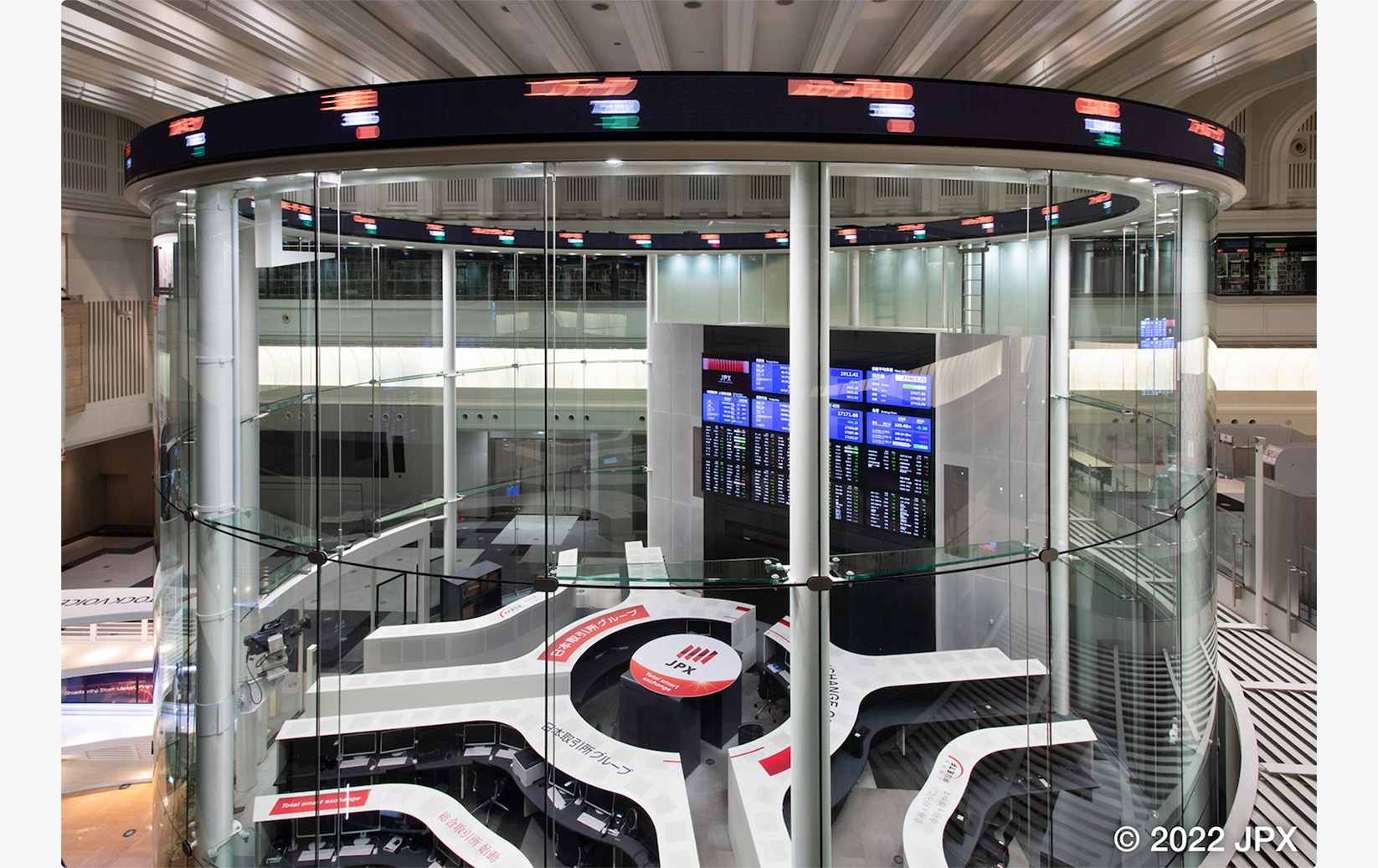
At its core, a stock exchange like the TSX is a marketplace where securities – primarily stocks and bonds – are bought and sold. It provides a regulated and transparent environment for companies to raise capital by issuing shares to the public and for investors to trade those shares. More than just a trading floor, the TSX is a complex financial infrastructure that underpins economic activity, reflecting investor sentiment, facilitating wealth creation, and enabling corporate growth. Understanding the TSX is crucial for anyone looking to invest in Canadian markets, for businesses seeking public funding, or for those simply wishing to grasp the mechanics of a modern financial system.
Understanding the Role and Significance of a Stock Exchange
A stock exchange serves multiple critical functions that are indispensable to a well-functioning economy. It acts as a nexus, connecting capital with opportunity, and establishing a fair playing field for all participants. The TSX embodies these roles within the Canadian context, contributing significantly to the nation’s economic stability and growth.
Facilitating Capital Formation and Investment
One of the primary functions of any stock exchange is to facilitate capital formation. For companies, going public through an Initial Public Offering (IPO) on an exchange like the TSX provides access to a vast pool of capital from investors. This capital is crucial for funding expansion, research and development, debt reduction, or acquisitions. Without public markets, businesses would be far more reliant on private funding sources like banks or venture capitalists, which can be more restrictive and less accessible.
For investors, the stock exchange offers a platform to invest their savings in publicly traded companies, thereby participating in their growth and profitability. This allows individuals and institutions to potentially grow their wealth through capital appreciation and dividends. By connecting those with capital to those who need it, the TSX plays a vital role in stimulating economic activity and innovation.
Providing Liquidity and Fair Pricing
The TSX provides a highly liquid market, meaning that investors can easily buy or sell their shares without significantly impacting the price. Liquidity is paramount because it gives investors the confidence that they can convert their investments back into cash when needed. Without liquidity, investors would be hesitant to commit their funds to public companies, hindering capital formation.
Furthermore, a stock exchange strives to ensure fair pricing. Through the interplay of supply and demand, prices are continuously updated based on the collective judgment of all market participants. This transparent price discovery mechanism helps ensure that buyers and sellers are transacting at a price that accurately reflects the current market value of a security. The TSX employs sophisticated trading systems and surveillance mechanisms to maintain an orderly and fair market, protecting investors from manipulative practices and ensuring price integrity.
Regulatory Oversight and Market Integrity
To foster trust and confidence, stock exchanges operate under strict regulatory frameworks. The TSX, being a national exchange, is subject to oversight by provincial securities commissions (primarily the Ontario Securities Commission) and self-regulatory organizations like the Investment Industry Regulatory Organization of Canada (IIROC). This regulatory environment mandates transparency, fair dealing, and investor protection.
Companies listed on the TSX must adhere to stringent reporting requirements, disclosing financial performance, significant events, and other material information to the public. This ensures that all investors have access to the same information, promoting informed decision-making and preventing insider trading. The continuous monitoring and enforcement of rules by the TSX and its regulators are fundamental to maintaining the integrity and credibility of the Canadian capital markets.
A Closer Look at the Toronto Stock Exchange (TSX)
The Toronto Stock Exchange is not merely a Canadian equivalent of other major global exchanges; it possesses unique characteristics and strengths that define its identity and influence. Operated by TMX Group, which also owns other exchanges like the TSX Venture Exchange and the Montréal Exchange, the TSX stands as a cornerstone of Canada’s financial infrastructure.
History and Evolution of the TSX
The roots of the Toronto Stock Exchange date back to 1852, when a group of businessmen established the Toronto Stock Exchange. Over its long history, it has evolved significantly, adapting to technological advancements and market dynamics. The TSX has grown from a regional exchange into one of the world’s largest stock exchanges by market capitalization and the third-largest in North America. Its journey has involved mergers, expansions, and continuous innovation in trading technology, solidifying its position as a modern, efficient, and globally competitive marketplace. The advent of electronic trading systems has transformed the physical trading floor into a predominantly digital environment, enabling faster and more efficient transactions.
Key Sectors and Industries on the TSX
The TSX is particularly renowned for its strong representation in certain key sectors, reflecting Canada’s economic strengths. The resource sector, including mining and energy companies, forms a significant portion of the TSX’s listings. Canada is a global leader in mining and oil & gas production, and many of the world’s largest companies in these industries are listed on the TSX. This concentration often makes the TSX susceptible to fluctuations in commodity prices.
Beyond resources, the TSX also boasts a robust financial services sector, with major Canadian banks and insurance companies being among its largest and most stable listings. Technology, industrials, consumer discretionary, and healthcare sectors are also well-represented, indicating a diversified economy. This sectoral diversity provides a range of investment opportunities for domestic and international investors.
TSX Venture Exchange (TSXV) and Junior Markets
An important distinction within TMX Group’s offerings is the TSX Venture Exchange (TSXV). While the TSX caters to larger, more established companies, the TSXV is specifically designed for emerging companies and those in earlier stages of development. It serves as a vital capital-raising platform for small and medium-sized enterprises (SMEs), particularly in sectors like mining exploration, technology, and biotechnology.
The TSXV offers a stepping stone for promising young companies, providing them access to public capital markets at an earlier stage than would be possible on the main TSX board. This tiered approach allows for different levels of regulatory requirements and investor risk tolerance, fostering innovation and growth within the Canadian economy. Companies that achieve significant growth on the TSXV may eventually “graduate” to the senior TSX exchange.
How Companies and Investors Engage with the TSE/TSX
Engaging with the TSX, whether as a company seeking capital or an investor looking to grow wealth, involves understanding specific processes and market indicators. The exchange provides the infrastructure, but participants must navigate its rules and mechanisms.
Listing Requirements for Public Companies
For a company to list its shares on the TSX, it must meet rigorous listing requirements. These include minimum financial thresholds (e.g., net tangible assets, revenue, profit), a minimum number of publicly traded shares, and a demonstrated track record of management and corporate governance. The requirements are designed to ensure that only viable and well-managed companies are made available to public investors, thereby offering a degree of investor protection. The TSX has different listing categories and criteria based on the company’s size, industry, and financial performance, offering pathways for various types of businesses to access public markets.
The Trading Process: Orders, Brokers, and Execution
For individual and institutional investors, engaging with the TSX primarily occurs through brokerage firms. Investors place various types of orders (e.g., market orders, limit orders) with their brokers, who then route these orders to the exchange’s electronic trading system. The TSX’s automated systems match buy and sell orders based on price and time priority, ensuring efficient and fair trade execution.
The trading process is highly sophisticated, involving complex algorithms, high-speed networks, and market makers who provide liquidity by continuously quoting buy and sell prices. Trades are typically settled within two business days (T+2), meaning ownership and funds are transferred between buyers and sellers within that timeframe.
Key Indices and Market Performance Indicators
The overall performance of the TSX is primarily tracked by the S&P/TSX Composite Index. This broad market index includes the largest and most liquid stocks traded on the Toronto Stock Exchange and is considered the benchmark for the Canadian equity market. It provides a snapshot of the health and direction of the Canadian economy.
Other important indices include the S&P/TSX 60 Index (representing 60 large, established Canadian companies) and various sector-specific indices (e.g., S&P/TSX Capped Energy Index, S&P/TSX Financials Index). These indices are vital tools for investors and analysts to gauge market trends, compare investment performance, and make informed decisions about asset allocation.
The TSX in the Global Financial Landscape
While rooted in Canada, the Toronto Stock Exchange operates within a globalized financial environment. Its connections to international markets, its attractiveness to foreign investors, and its responsiveness to global economic forces underscore its role on the world stage.
Comparison with Other Major Global Exchanges
Compared to global giants like the New York Stock Exchange (NYSE) or NASDAQ, the TSX is smaller in terms of overall market capitalization. However, it holds a unique position. It is particularly strong in resource-based industries and has a robust junior market through the TSXV, which attracts global investment in early-stage ventures, especially in mining. Its regulatory framework is well-regarded, and it offers a stable and transparent environment for investment. While it may not attract the same volume of tech mega-caps as NASDAQ, its specialized strengths make it a crucial component of diversified global portfolios.
Impact of Global Economic Trends on the TSX
The TSX is not isolated from global economic trends. As a significant exporter of commodities, Canada’s economy, and consequently the TSX, is highly sensitive to global commodity prices (e.g., oil, gold, copper). Geopolitical events, changes in global trade policies, interest rate decisions by major central banks (like the US Federal Reserve), and economic growth rates in large trading partners (like the US and China) all have a profound impact on investor sentiment and the performance of TSX-listed companies. The interconnectedness of modern financial markets means that significant events elsewhere in the world will inevitably ripple through the TSX.
Future Outlook and Innovation at the TSX
The future of the TSX, like all major exchanges, involves continuous innovation and adaptation. TMX Group is actively investing in new technologies, including artificial intelligence and blockchain, to enhance trading efficiency, security, and market surveillance. There’s a growing focus on sustainable finance, with an increasing number of Environmental, Social, and Governance (ESG) focused listings and products. The exchange also continues to work on attracting international listings and enhancing its derivatives offerings to meet the evolving needs of global investors and companies. As Canada’s economy grows and diversifies, the TSX will remain a critical engine for capital formation and a barometer of the nation’s economic health, continuously evolving to maintain its relevance in an ever-changing financial world.
aViewFromTheCave is a participant in the Amazon Services LLC Associates Program, an affiliate advertising program designed to provide a means for sites to earn advertising fees by advertising and linking to Amazon.com. Amazon, the Amazon logo, AmazonSupply, and the AmazonSupply logo are trademarks of Amazon.com, Inc. or its affiliates. As an Amazon Associate we earn affiliate commissions from qualifying purchases.