
Understanding the operational hours of financial markets is a fundamental piece of knowledge for anyone involved in investing, from the seasoned day trader to the long-term passive investor. Far from being a continuous, round-the-clock entity, the stock market operates within specific windows, dictated by exchanges, regulatory bodies, and global time zones. These defined trading periods profoundly influence everything from market liquidity and volatility to information dissemination and individual trading strategies.
The concept of “stock market trading hours” isn’t monolithic; it varies significantly depending on the exchange, the specific asset being traded, and even the type of trading activity (e.g., standard vs. extended hours). At its core, these hours define when investors can buy and sell securities on official exchanges, impacting how rapidly orders are filled, how prices fluctuate, and how investors react to breaking news. For a beginner, this might seem like a minor detail, but for anyone looking to actively participate or simply comprehend market dynamics, grasping the nuances of trading hours is absolutely essential. It informs when to execute trades, when to expect market reactions to economic data, and even when to prioritize monitoring one’s portfolio. Delving into the specifics reveals a complex yet structured system designed to ensure fairness, efficiency, and stability in the global financial ecosystem.

The Standard Trading Session: Core Market Hours
The backbone of stock market activity is the standard trading session, often referred to as “regular market hours.” These are the periods when exchanges are fully open, offering the highest liquidity and the narrowest bid-ask spreads for most securities. For many, especially those in North America, these hours are synonymous with the New York Stock Exchange (NYSE) and Nasdaq Stock Market, the world’s two largest stock exchanges by market capitalization.
The Core Trading Window in the U.S.
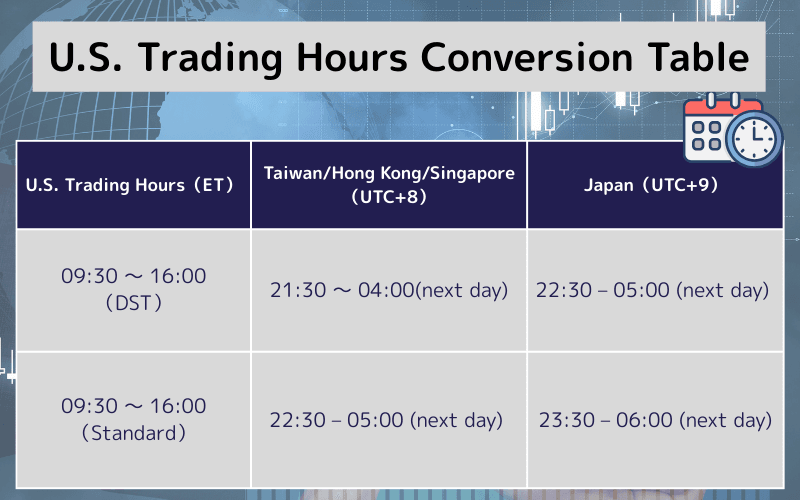
In the United States, the regular trading session for equities, including stocks, exchange-traded funds (ETFs), and options, runs from 9:30 AM to 4:00 PM Eastern Time (ET), Monday through Friday. This timeframe applies to both the NYSE and Nasdaq, as well as most other major U.S. exchanges. This 6.5-hour window is critical because it represents the peak period of trading activity. During these hours, a vast number of market participants, from institutional investors and hedge funds to individual retail traders, are actively engaged, leading to robust liquidity. High liquidity means there are plenty of buyers and sellers, making it easier to execute trades quickly and at prices close to the market rate, minimizing slippage.
The opening bell at 9:30 AM ET often signals a flurry of activity, as investors react to overnight news, pre-market trading trends, and economic data released before the market opens. Similarly, the closing bell at 4:00 PM ET can also see increased volume as traders seek to close positions or execute end-of-day orders. Understanding this core window is paramount, as the vast majority of price discovery and significant market movements occur within these hours.
Weekends and Holidays: When the Markets Close
While the stock market functions tirelessly five days a week, it takes a pause on weekends and during specific national holidays. U.S. stock exchanges are generally closed on Saturdays and Sundays, reflecting a long-standing tradition and operational necessity. These closures allow for administrative processing, settlement of trades, and give market participants a break.
In addition to weekends, U.S. exchanges observe several federal holidays throughout the year. These holidays typically include:
-
New Year’s Day
-
Martin Luther King, Jr. Day
-
Washington’s Birthday (Presidents’ Day)
-
Good Friday
-
Memorial Day
-
Juneteenth National Independence Day
-
Independence Day
-
Labor Day
-
Thanksgiving Day
-
Christmas Day
On these days, the markets are fully closed, meaning no trading occurs. Some holidays may also have an early close on the preceding or following day, such as the day after Thanksgiving (Black Friday), when the market may close at 1:00 PM ET. It’s crucial for investors to be aware of these closures, as they impact trading schedules, settlement periods for transactions, and the timing of financial news releases. Planning around market holidays is a standard practice for managing liquidity and avoiding unexpected delays in trade execution or fund transfers.
Beyond the Bell: Extended-Hours Trading
The notion that stock market activity ceases precisely at 4:00 PM ET is a simplification. Modern electronic trading systems have ushered in an era of extended-hours trading, allowing market participants to buy and sell securities outside the standard 9:30 AM to 4:00 PM ET window. This activity is divided into two primary segments: pre-market trading and after-hours trading.
Pre-Market Trading: Setting the Stage
Pre-market trading refers to the period before the regular market opens. In the U.S., this typically runs from 4:00 AM ET to 9:30 AM ET. During this time, trading is conducted through Electronic Communication Networks (ECNs) rather than traditional exchange floors. ECNs are automated systems that match buy and sell orders electronically. Pre-market activity often serves as an early indicator of market sentiment for the upcoming regular session.
The primary drivers of pre-market trading include:
-
Overnight News: Company earnings reports, economic data releases, and significant geopolitical events that occur when the U.S. market is closed can trigger substantial price movements in pre-market.
-
International Market Influence: Trading in Asian and European markets, which are active during the U.S. overnight, can influence U.S. stock futures and individual stock prices.
-
Analyst Upgrades/Downgrades: Changes in analyst ratings released before the market open can also move stocks.
While pre-market trading offers an opportunity to react quickly to news, it comes with significant caveats. Liquidity is generally much lower compared to regular hours, leading to wider bid-ask spreads and potentially greater price volatility. Executing large orders can be challenging, and prices can be more easily manipulated due to the thinner trading volumes.

After-Hours Trading: Post-Close Reactions
After-hours trading occurs after the regular market closes, typically from 4:00 PM ET to 8:00 PM ET. Similar to pre-market, this activity is facilitated by ECNs. After-hours trading is frequently driven by news released just after the market close, such as:
-
Quarterly Earnings Announcements: Many companies choose to release their earnings reports minutes after the closing bell, prompting immediate reactions from investors.
-
Company News: Mergers and acquisitions, product announcements, regulatory approvals, or major leadership changes can all drive after-hours activity.
-
Analyst Calls and Investor Conferences: These events often occur after market close, providing new information that can influence stock prices.
Just like pre-market trading, after-hours trading is characterized by lower liquidity and higher volatility. Spreads can be wider, and there’s a greater risk of adverse price movements. For retail investors, participating in extended hours requires a keen understanding of these risks and often necessitates using limit orders to control execution prices, rather than market orders. While it offers flexibility and a chance to react quickly, it’s generally considered a more speculative environment than the regular trading session.
A Global Perspective: International Market Hours
The financial world is interconnected, and while U.S. trading hours are crucial for American investors, understanding the global landscape is increasingly important. Stock markets operate in nearly every country, and their trading hours reflect local business days and time zones. This creates a fascinating, almost continuous “24-hour” cycle of financial activity across the globe for certain asset classes.
Major Global Financial Hubs
Each major financial hub has its distinct trading schedule, contributing to the global market rhythm. Key examples include:
-
London Stock Exchange (LSE): A major European hub, typically trading from 8:00 AM to 4:30 PM GMT (Greenwich Mean Time). Due to time zone differences, London’s market opens before New York’s and closes well after.
-
Tokyo Stock Exchange (TSE): The largest market in Asia, trading from 9:00 AM to 11:30 AM JST (Japan Standard Time) and then 12:30 PM to 3:00 PM JST (with a midday break). This means the TSE is active during the U.S. overnight hours.
-
Shanghai Stock Exchange (SSE): China’s largest exchange, trading from 9:30 AM to 11:30 AM CST (China Standard Time) and 1:00 PM to 3:00 PM CST (with a midday break). Like Tokyo, it operates during U.S. overnight hours.
-
Euronext (Paris, Amsterdam, Brussels, Lisbon): A pan-European exchange with hours typically from 9:00 AM to 5:30 PM CET (Central European Time).
-
Frankfurt Stock Exchange (XTRA): Germany’s primary exchange, trading from 8:00 AM to 8:00 PM CET, offering a longer trading window.
The overlap between these major markets can be significant. For instance, the European markets are in full swing when the U.S. market opens, and their closing hours can influence the latter half of the U.S. trading day. Similarly, news and trading activity in Asian markets can heavily impact the sentiment and direction of U.S. stocks in pre-market trading.
The 24/7 Nature of Certain Assets
While individual stock exchanges have defined hours, the concept of market hours blurs for certain asset classes. The forex (foreign exchange) market, for example, operates 24 hours a day, five days a week, due to the continuous overlap of major financial centers opening and closing around the world. As one market closes, another opens, ensuring constant liquidity. Similarly, futures markets, especially those for commodities and major stock indices, often have much longer trading hours than equity markets, with some even approaching 24/5 operations, allowing investors to hedge or speculate continuously. The rise of cryptocurrencies has pushed this concept even further, operating in truly 24/7 markets without any central exchange closures, posing both opportunities and unique risks regarding volatility and support infrastructure. This continuous global activity means that market-moving events can happen at any time, emphasizing the need for a global perspective for sophisticated investors.
Strategic Implications for Investors
Understanding stock market trading hours is not merely an academic exercise; it has profound strategic implications for all types of investors. The timing of market operations directly influences liquidity, volatility, access to information, and ultimately, the success of various investment strategies.
Tailoring Strategies to Trading Hours
Different investment strategies are better suited to specific trading hours:
-
Day Traders and Scalpers: These traders rely heavily on high liquidity and narrow spreads, making the regular market hours their primary battlefield. The beginning and end of the regular session, known for their increased volatility and volume, are often prime times for quick entries and exits. Extended hours are generally avoided by many day traders due to liquidity concerns, though some may specialize in trading news-driven events in the pre- or after-market.
-
Swing Traders: Holding positions for a few days to several weeks, swing traders are less concerned with intraday fluctuations but must still be mindful of overnight gaps caused by news released outside regular hours. They might use extended hours to react to critical information that could impact their positions.
-
Long-Term Investors: For those investing for months, years, or decades, the precise timing of market hours for individual trades is less critical. Their focus is on the fundamental value of assets and long-term trends. However, even long-term investors need to be aware of market holidays for dividend payments, ex-dividend dates, and to understand when they can access their funds. They also benefit from understanding how major economic reports, often released during regular hours, can influence market sentiment over time.
Managing Risk and Volatility
The difference in liquidity and volatility between regular and extended trading hours necessitates different approaches to risk management.
-
Liquidity Risks: During extended hours, lower trading volumes mean that large orders can significantly move prices, and it can be difficult to find a counterparty for a desired price. This can lead to slippage, where the executed price is worse than the quoted price. Investors should primarily use limit orders in extended hours to control their entry and exit prices, rather than market orders which prioritize execution speed over price.
-
Volatility Risks: News released outside regular hours can cause dramatic price swings. A stock might open significantly higher or lower than its previous close, creating “gaps” on charts. This heightened volatility can present opportunities but also amplify potential losses. Investors must be prepared for this increased risk when participating in extended-hours trading.
-
Information Asymmetry: During extended hours, news might be less broadly disseminated or quickly absorbed by the market. This could lead to periods where only certain participants have access to or react to new information, creating an uneven playing field.
Impact on News and Information Flow
Market hours are inextricably linked to the flow of financial information. Economic reports (e.g., inflation data, employment figures) are almost always scheduled for release before or during regular market hours to allow all participants to react simultaneously. Corporate earnings reports, on the other hand, are often released just after market close or before market open to allow companies to disseminate information without disrupting the regular trading session and giving investors time to digest the news before the next trading day. Being aware of these typical release schedules is crucial for anticipating market reactions and making informed decisions. Failing to consider when key information will be released relative to trading hours can leave investors vulnerable to unexpected price movements.
In conclusion, the stock market trading hours are a dynamic and essential aspect of the financial world. From the well-defined rhythm of the standard U.S. session to the global ballet of international exchanges and the speculative frontiers of extended-hours trading, each period presents unique characteristics and demands specific strategic considerations. A thorough understanding of these hours, their associated liquidity and volatility, and their impact on information flow is not just helpful—it’s indispensable for anyone seeking to navigate the complexities and opportunities of investing successfully.
aViewFromTheCave is a participant in the Amazon Services LLC Associates Program, an affiliate advertising program designed to provide a means for sites to earn advertising fees by advertising and linking to Amazon.com. Amazon, the Amazon logo, AmazonSupply, and the AmazonSupply logo are trademarks of Amazon.com, Inc. or its affiliates. As an Amazon Associate we earn affiliate commissions from qualifying purchases.