
For anyone delving into the world of investing, one of the most fundamental questions often arises almost immediately: “What are the hours for the stock market?” While it might seem like a simple query, the answer is more nuanced than a straightforward clock-in and clock-out time. Understanding the intricacies of stock market hours—from standard trading sessions to pre-market and after-hours activities, and even global market timings—is absolutely crucial for investors seeking to make informed decisions, manage risk, and capitalize on opportunities.
The stock market isn’t a 24/7 operation like some other financial markets, nor is it a monolithic entity that adheres to a single global schedule. Instead, it’s a collection of exchanges, each with its own set of rules and operating hours, influenced by geographical location, time zones, and national holidays. This article will demystify these timings, providing a comprehensive guide to when, why, and how different market hours impact your investment strategy. Grasping these dynamics is not just about knowing when you can place an order; it’s about comprehending market liquidity, volatility patterns, and the flow of information that can significantly affect the value of your portfolio.
Understanding Standard Stock Market Trading Hours
The cornerstone of stock market activity revolves around the core trading sessions of major exchanges. In the United States, the New York Stock Exchange (NYSE) and the Nasdaq Stock Market (Nasdaq) are the primary venues, and their standard hours often set the benchmark for investor expectations.
Core Trading Session: NYSE and Nasdaq
For most individual investors, the “stock market hours” they refer to are those of the NYSE and Nasdaq. These exchanges operate from 9:30 AM to 4:00 PM Eastern Time (ET), Monday through Friday. This seven-and-a-half-hour window is considered the regular trading session, characterized by the highest volume of transactions and generally the greatest liquidity. During these hours, buyers and sellers are most active, news releases are absorbed and reacted to, and stock prices experience their most significant movements.
The opening bell, a traditional ceremony at the NYSE, signifies the start of trading, often accompanied by a flurry of activity as orders accumulated overnight are executed. Similarly, the closing bell at 4:00 PM ET marks the end of the official trading day, though market activity doesn’t entirely cease. For anyone physically located outside the Eastern Time Zone, it’s vital to convert these hours to their local time to ensure they are tracking the market accurately.
Time Zones and Their Impact
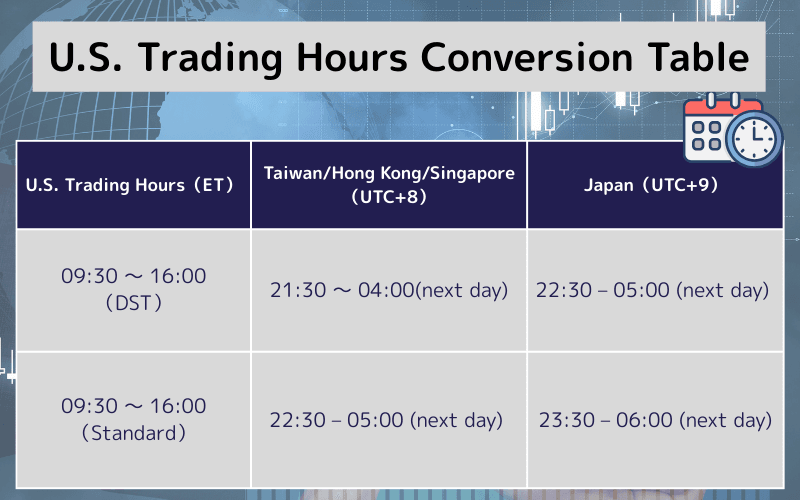
The reliance on Eastern Time (ET) for US market hours means that investors across different time zones must adjust their schedules accordingly. For instance, an investor on the West Coast of the United States (Pacific Time) would see the market open at 6:30 AM PT and close at 1:00 PM PT. In the Central Time Zone, the market operates from 8:30 AM to 3:00 PM CT, and in the Mountain Time Zone, it’s 7:30 AM to 2:00 PM MT.
This time difference can significantly influence an investor’s ability to react to real-time events. For example, a major economic announcement made at 8:30 AM ET might impact a West Coast investor who is only just starting their day, while an East Coast investor might have already had an hour to digest the news. Understanding this geographical nuance is crucial for planning when to monitor portfolios or execute trades, particularly for those with demanding daytime schedules.
Why These Hours?
The specific 9:30 AM to 4:00 PM ET trading window is a product of historical practice, logistical considerations, and market dynamics. Historically, physical exchanges required time for clearing and settlement processes, and a defined trading window facilitated this. Today, while much trading is electronic, these hours still serve several important functions:
-
Concentrated Liquidity: By channeling trading activity into a specific window, exchanges concentrate liquidity, meaning there are more buyers and sellers available for each security. This generally leads to tighter bid-ask spreads and more efficient price discovery.
-
Orderly Market Operations: Defined hours allow market participants—from individual traders to institutional investors, market makers, and regulatory bodies—to operate within a predictable framework. This reduces chaos and provides a structured environment for capital formation.
-
Human Factor: Despite the rise of algorithmic trading, human decision-making remains central. The traditional trading day aligns with typical business hours, allowing professionals to analyze data, conduct research, and interact with clients.
-
Settlement Procedures: While modern technology has vastly sped up settlement, there are still behind-the-scenes processes involved in verifying and transferring ownership of securities, which benefit from a defined end to the trading day.
Beyond the Bell: Pre-Market and After-Hours Trading
The notion that trading ceases promptly at 4:00 PM ET is a misconception in the modern financial landscape. Electronic trading systems have extended market activity well beyond the traditional core session through pre-market and after-hours trading. While these sessions offer flexibility, they also come with distinct characteristics and risks that investors must understand.
What is Pre-Market Trading?
Pre-market trading refers to the period before the official 9:30 AM ET market open. For US exchanges, this typically begins as early as 4:00 AM ET and runs until the opening bell. During this time, investors can place orders that are executed before the regular session starts.
The purpose of pre-market trading is primarily to allow investors, especially institutions, to react to news and earnings reports released before the market officially opens. Many companies choose to publish their quarterly earnings or significant corporate announcements early in the morning, and pre-market trading provides an immediate avenue for investors to price in this new information. However, pre-market sessions are generally characterized by lower trading volumes and, consequently, higher volatility and wider bid-ask spreads. This means that executing trades can be more challenging, and prices can swing dramatically on relatively small numbers of shares.
Exploring After-Hours Trading
Conversely, after-hours trading takes place after the 4:00 PM ET closing bell. This session typically runs until 8:00 PM ET for most US brokers and exchanges. Similar to pre-market, after-hours trading enables investors to react to news that breaks late in the day or after the market has closed. Companies might release earnings after the market closes, and after-hours trading allows for immediate price discovery based on those announcements.
Like pre-market trading, after-hours sessions suffer from reduced liquidity. With fewer participants, it can be difficult to find a counterparty for a desired trade, and prices can be less stable. Significant price movements can occur based on relatively small trades, which might reverse once the regular market session resumes the next day. This environment is generally more suitable for experienced traders who are comfortable with increased risk and volatility.
The Role of Electronic Communication Networks (ECNs)
The existence and growth of pre-market and after-hours trading are largely due to Electronic Communication Networks (ECNs). ECNs are automated trading systems that match buy and sell orders electronically. Unlike traditional exchanges, which historically relied on human specialists or floor brokers during specific hours, ECNs can operate continuously, facilitating trades outside the regular market session.
When you place a pre-market or after-hours order through your brokerage, it’s typically routed through an ECN. These networks pool orders from various market participants, creating a digital marketplace that functions around the clock. While ECNs enhance accessibility and efficiency, they also contribute to the unique characteristics of extended-hours trading, such as lower liquidity and fragmented order books, which can lead to less transparent pricing compared to the regular session. Understanding ECNs helps investors appreciate the mechanics behind extended trading opportunities and the potential challenges they present.
Stock Market Holidays and Early Closures
While the stock market adheres to a Monday-to-Friday schedule, it doesn’t operate every single business day of the year. Investors must be aware of market holidays and occasional early closures, which can disrupt trading plans and affect settlement processes.
Major US Stock Market Holidays
The major US stock exchanges (NYSE and Nasdaq) observe several federal holidays, during which the market remains completely closed. These holidays typically include:
-
New Year’s Day (January 1)
-
Martin Luther King, Jr. Day (Third Monday in January)
-
Washington’s Birthday / Presidents’ Day (Third Monday in February)
-
Good Friday (Friday before Easter)
-
Memorial Day (Last Monday in May)
-
Juneteenth National Independence Day (June 19)
-
Independence Day (July 4)
-
Labor Day (First Monday in September)
-
Thanksgiving Day (Fourth Thursday in November)
-
Christmas Day (December 25)
When one of these holidays falls on a weekend, the market typically observes it on the nearest weekday (e.g., if July 4th is a Saturday, the market might close on Friday, July 3rd). It’s crucial for investors to consult the official holiday schedules published by the NYSE and Nasdaq each year, as these can be subject to minor adjustments. Trading during these days is impossible, meaning any orders placed will simply queue up for the next trading day.

Early Closures and Special Circumstances
In addition to full-day closures, the stock market occasionally operates on a shortened schedule, typically closing early at 1:00 PM ET. These early closures often occur on the day before or after major holidays. Common examples include:
-
The day before Independence Day (if it falls on a weekday)
-
The day after Thanksgiving (Black Friday)
-
Christmas Eve (December 24)
These half-days can still be active trading periods, but the reduced time frame can sometimes lead to concentrated volatility or lower liquidity in the latter part of the shortened session. Investors should plan accordingly, especially if they anticipate needing to execute trades or monitor positions around these times. Unexpected early closures can also occur in extraordinary circumstances, such as severe weather emergencies or national crises, though these are rare.
Impact on Trading and Settlement
Market holidays and early closures have several practical implications for investors:
-
Trading Inactivity: No trades can be executed on closed days, and market data will not be updated. Any market orders placed will be held until the next open trading session.
-
Settlement Delays: The settlement cycle for most stock trades in the US is T+2 (trade date plus two business days). This means that a trade executed on a Wednesday will typically settle on Friday. If a holiday falls on Thursday or Friday, the settlement period will be extended. For example, a trade on the Wednesday before Good Friday (a market holiday) would not settle until the following Monday or Tuesday, depending on the specific holiday schedule. This can impact cash availability for future trades or withdrawals.
-
Information Lag: News and economic data released on a market holiday or after an early closure might not be fully digested by the market until the next full trading day, potentially leading to significant price gaps at the open.
Being aware of these calendar disruptions is a fundamental aspect of effective portfolio management and risk mitigation.
International Stock Market Hours: A Global Perspective
While the focus has primarily been on US market hours, it’s important to remember that the stock market is a global ecosystem. Different countries and regions have their own exchanges, operating on schedules determined by their local time zones and national holidays. Understanding these international hours is crucial for investors with globally diversified portfolios or those interested in specific international markets.
Key Global Markets
Major stock exchanges around the world include:
-
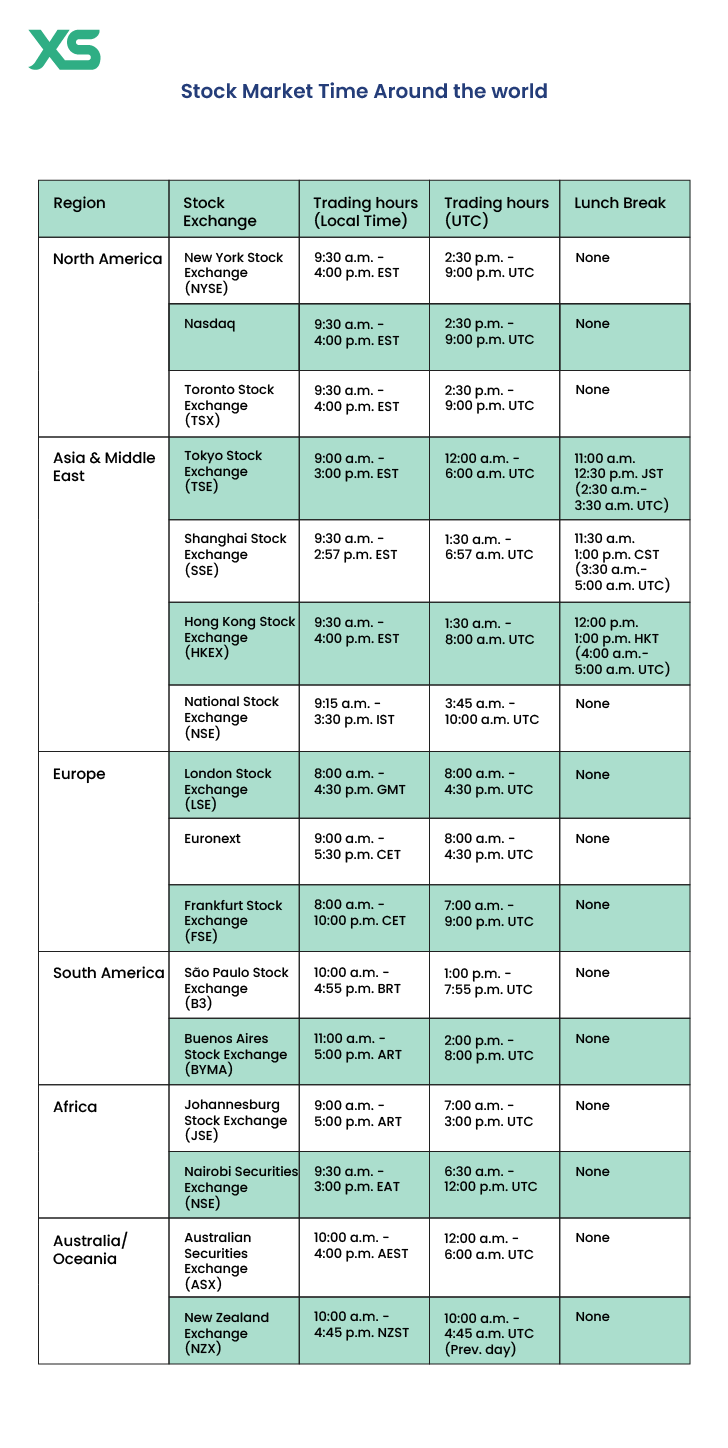
London Stock Exchange (LSE): Operates from 8:00 AM to 4:30 PM GMT (Greenwich Mean Time).
-
Tokyo Stock Exchange (TSE): Divided into two sessions: 9:00 AM to 11:30 AM JST (Japan Standard Time) and 12:30 PM to 3:00 PM JST, with a lunch break in between.
-
Shanghai Stock Exchange (SSE) & Shenzhen Stock Exchange (SZSE): Similar to Tokyo, with a morning session from 9:30 AM to 11:30 AM CST (China Standard Time) and an afternoon session from 1:00 PM to 3:00 PM CST.
-
Euronext (Paris, Amsterdam, Brussels, Lisbon): Generally 9:00 AM to 5:30 PM CET (Central European Time).
-
Frankfurt Stock Exchange (XTRA): 9:00 AM to 5:30 PM CET.
-
Hong Kong Stock Exchange (HKEX): Morning session 9:30 AM to 12:00 PM HKT (Hong Kong Time) and afternoon session 1:00 PM to 4:00 PM HKT.
-
Australian Securities Exchange (ASX): 10:00 AM to 4:00 PM AEST (Australian Eastern Standard Time).
Each of these exchanges observes its own national holidays, which are typically different from US holidays. An investor trading in multiple international markets must keep track of these diverse schedules.
Overlapping Trading Sessions
One fascinating aspect of the global market is the phenomenon of overlapping trading sessions. Due to time zone differences, several major markets are open simultaneously for a period each day. For example:
-
There’s a window where the latter part of the Asian trading day (e.g., Tokyo, Hong Kong) overlaps with the early part of the European trading day (e.g., London, Frankfurt).
-
Similarly, there’s a significant overlap where the European markets are still open when the US markets begin their regular session. This period, roughly from 9:30 AM ET to 12:30 PM ET, is often characterized by heightened trading activity and volatility as major financial centers across the Atlantic are all active.
These overlaps can present unique opportunities for investors. For instance, news breaking in Europe during its afternoon session can immediately impact US markets as they open, and vice-versa. Understanding these overlaps can help international traders strategize when to monitor specific currencies or global equities.
Weekend Trading?
A common question is whether stock markets trade on weekends. Generally, traditional stock exchanges (like the NYSE, Nasdaq, LSE, TSE, etc.) do not operate on Saturdays or Sundays. These days are non-trading days globally for conventional equity markets.
However, it’s worth noting that some other financial markets, such as cryptocurrency exchanges and certain forex markets, do operate 24/7, including weekends. This distinction is important for investors who might be exposed to these alternative asset classes, but for standard stocks and exchange-traded funds (ETFs) on major exchanges, weekends are a period of market closure. This allows time for market participants to rest, research, and for behind-the-scenes administrative tasks to be completed.
Why Understanding Market Hours Matters for Investors
Knowing the opening and closing times of various stock markets is far more than an academic exercise. For any investor, from a novice to a seasoned professional, a deep understanding of market hours can significantly influence strategic decisions, risk management, and ultimately, investment performance.
Impact on Volatility and Liquidity
Market hours directly correlate with volatility and liquidity.
-
Liquidity: The standard trading session (9:30 AM to 4:00 PM ET in the US) typically offers the highest liquidity. This means there are more buyers and sellers available, leading to tighter bid-ask spreads and the ability to execute trades quickly at or very near the quoted price. Outside these hours (pre-market, after-hours), liquidity significantly drops, making it harder to buy or sell shares without substantially impacting the price.
-
Volatility: Volatility tends to be higher during less liquid periods, particularly at the open and close of the regular session, and during extended hours. Significant news released during off-hours can cause dramatic price swings with limited trading volume. Investors need to be prepared for potentially wider price movements if trading outside the core hours.
Strategic Trading Decisions
Understanding market hours enables more strategic trading.
-
News Reaction: Many companies release earnings reports or other material news before the market opens or after it closes. Investors who monitor pre-market or after-hours trading can react quickly, but they must also be aware of the associated risks of low liquidity. Conversely, waiting for the regular session might mean missing immediate moves but trading in a more liquid environment.
-
Earnings Plays: Traders often position themselves before an earnings announcement, and their subsequent actions (buying or selling) are heavily influenced by the report’s timing relative to market hours.
-
Day Trading vs. Long-Term Investing: Day traders are heavily reliant on market hours and often focus on the most active and liquid periods. Long-term investors, while less concerned with minute-by-minute price movements, still need to understand how holidays or extended hours might affect their ability to place orders or the settlement of their trades.
Risk Management and Information Flow
Market hours are integral to effective risk management.
-
Gaps: Prices can “gap” up or down significantly between the closing price of one day and the opening price of the next, especially if major news breaks overnight or on a holiday. Understanding market hours helps investors anticipate when these gaps might occur and prepare for potential impacts on their portfolio.
-
Order Placement: Placing “limit orders” (which execute only at a specified price or better) can be a safer strategy during less liquid extended hours, as opposed to “market orders” (which execute at the best available price), which could lead to unexpected prices due to wide spreads.
-
Information Dissemination: While financial news is now 24/7, the market’s collective reaction and efficient price discovery are largely concentrated during regular trading hours. Information released outside these windows may take longer to be fully incorporated into stock prices, creating both opportunities and potential pitfalls.
The Psychology of Market Timing
Finally, the timing of market hours can have a psychological impact. Being aware of when the market is open and closed can help investors avoid the stress of constantly monitoring their portfolios during off-hours, fostering a more disciplined approach. It also helps manage expectations regarding immediate trade execution or price changes. Understanding that the market pauses for holidays and weekends can encourage a healthier, long-term perspective rather than impulsive, emotional reactions to every piece of news.
In conclusion, knowing “what are the hours for the stock market” is a foundational piece of knowledge for anyone involved in investing. It goes beyond simply noting when you can place a trade; it delves into the mechanics of liquidity, volatility, strategic timing, and risk management. By appreciating the nuances of standard trading sessions, extended hours, holidays, and global market dynamics, investors can navigate the complex world of finance with greater confidence and make more judicious decisions that align with their financial goals.
aViewFromTheCave is a participant in the Amazon Services LLC Associates Program, an affiliate advertising program designed to provide a means for sites to earn advertising fees by advertising and linking to Amazon.com. Amazon, the Amazon logo, AmazonSupply, and the AmazonSupply logo are trademarks of Amazon.com, Inc. or its affiliates. As an Amazon Associate we earn affiliate commissions from qualifying purchases.