
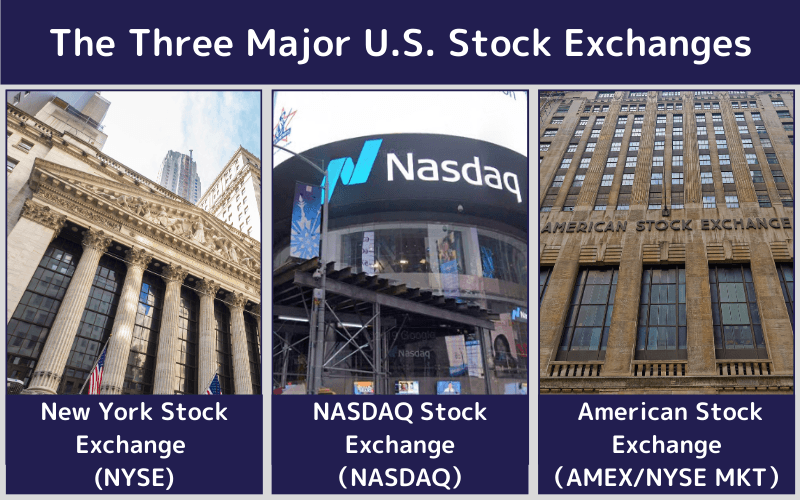
The question “how many stock exchanges are there in the USA?” might seem simple, but its answer reveals a sophisticated and interconnected financial ecosystem far more intricate than a single number. While the immediate thought for many might be “two” – referring to the iconic New York Stock Exchange (NYSE) and Nasdaq – the reality encompasses a diverse array of trading venues, each playing a critical role in the world’s largest and most liquid capital market. This article will delve into the structure of the U.S. equity market, distinguishing between primary exchanges and the myriad alternative trading systems, shedding light on their functions, regulatory oversight, and why this multi-venue landscape is essential for investors and corporations alike.
At its core, a stock exchange serves as a marketplace where buyers and sellers of securities can meet to execute trades. These institutions provide the infrastructure for listing public companies, facilitating price discovery, and ensuring an orderly market. In the United States, the evolution of technology, regulatory frameworks, and market competition has led to a dynamic environment where traditional exchanges coexist with a host of electronic platforms, all contributing to the seamless flow of capital. Understanding this complexity is crucial for anyone looking to navigate the intricacies of personal finance, corporate fundraising, or investment strategy within the American context.
The Dominant Duo: NYSE and Nasdaq
When discussing U.S. stock exchanges, the conversation invariably begins with the two titans that define American public markets: the New York Stock Exchange (NYSE) and Nasdaq. These two entities dominate in terms of market capitalization, trading volume, and the number of listed companies, serving as the primary gateways for corporations to access public capital and for investors to trade their shares.
The Enduring Legacy of the New York Stock Exchange (NYSE)
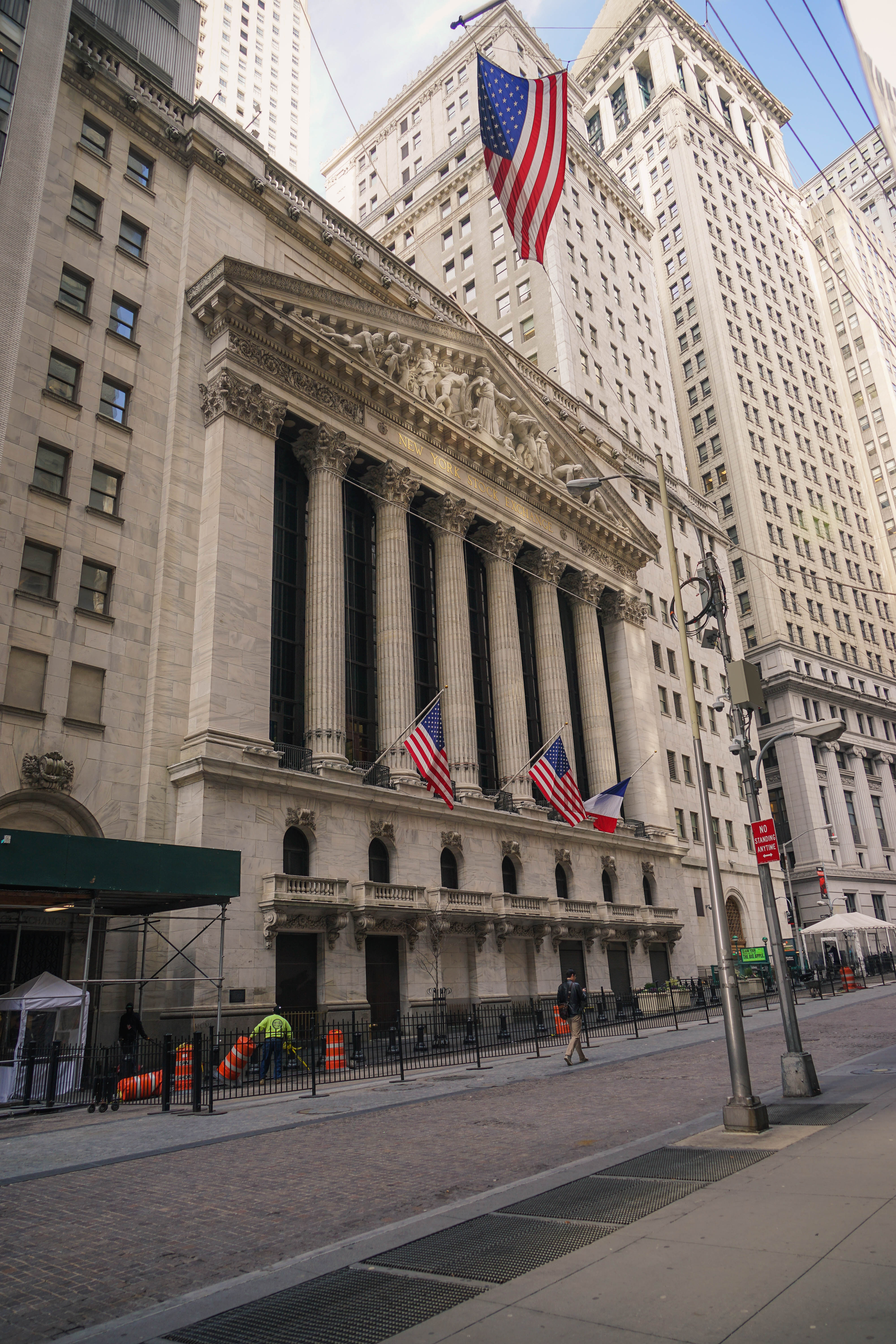
The New York Stock Exchange, often referred to as “the Big Board,” is synonymous with American capitalism. With a history stretching back to 1792, the NYSE traditionally operated as an auction market, where specialists and brokers would meet on a physical trading floor to execute orders. While the iconic trading floor still exists and garners media attention, the vast majority of trades on the NYSE today are executed electronically.
The NYSE Group, which is part of Intercontinental Exchange (ICE), operates several distinct exchanges. Its primary exchange, the NYSE, is renowned for listing many of the world’s largest and most established “blue-chip” companies, including industrial giants, major financial institutions, and venerable consumer brands. Listing on the NYSE is often seen as a mark of prestige and stability, attracting companies with significant market capitalization, strong financial performance, and a proven track record. The NYSE’s hybrid market model combines elements of both auction and electronic trading, aiming to leverage the benefits of human oversight for complex orders alongside the efficiency of automated systems for standard transactions. This blend contributes to its reputation for depth and liquidity, making it a cornerstone of global financial markets.
Nasdaq’s Innovation: A Digital Frontier
In contrast to the NYSE’s storied history, Nasdaq (National Association of Securities Dealers Automated Quotations) emerged in 1971 as the world’s first electronic stock market. Born out of a desire for greater transparency and efficiency in the over-the-counter (OTC) market, Nasdaq quickly established itself as a forward-thinking platform, appealing to innovative and growth-oriented companies.
Nasdaq operates primarily as a dealer market, where market makers provide liquidity by continuously quoting bid and ask prices for the securities they trade. Its fully electronic nature allows for rapid trade execution and a distributed network of participants. Nasdaq became the preferred listing venue for technology companies during the dot-com boom, and continues to be home to many of the world’s leading tech giants, biotech firms, and disruptive innovators. Companies like Apple, Microsoft, Amazon, and Google (Alphabet) are all listed on Nasdaq. The exchange’s emphasis on technology extends beyond its trading platform; it also pioneers data analytics and market surveillance tools, constantly seeking to enhance market integrity and performance. Nasdaq’s success demonstrated that a physical trading floor was not essential for a robust and liquid market, paving the way for further electronic advancements across the industry.
Beyond the Giants: Alternative Trading Systems (ATS) and Regional Exchanges
While the NYSE and Nasdaq capture the headlines and host the majority of public listings, the answer to “how many stock exchanges” becomes more nuanced when considering the broader landscape of U.S. equity trading venues. Beyond these two giants, there exists a multitude of other platforms that facilitate securities transactions, including alternative trading systems (ATS) and, historically, a network of regional exchanges.
The Rise of Electronic Communication Networks (ECNs) and Dark Pools
The term “Alternative Trading System” (ATS) is a regulatory designation for non-exchange trading venues that match buyers and sellers of securities. These systems gained prominence with the advent of electronic trading and the unbundling of market services. ATS operate under different regulatory requirements than traditional exchanges, often catering to institutional investors and specific trading strategies.
A significant subset of ATS are Electronic Communication Networks (ECNs). ECNs are computerized systems that automatically match buy and sell orders, often displaying their order books to participants. They provide direct access to the market, allowing investors to trade directly with each other without the intervention of a market maker, thus potentially reducing transaction costs. Examples of ECNs include those operated by major brokerage firms or specialized technology companies.
Another crucial category within ATS are “dark pools.” These are private forums for trading securities that do not display their order books publicly. Dark pools are primarily used by institutional investors (like mutual funds, pension funds, and hedge funds) to execute large block trades without revealing their intentions to the broader market, which could potentially move prices against them. By executing trades in dark pools, large orders can be filled with minimal market impact. While dark pools offer benefits in terms of price stability for large trades, their opacity has also raised concerns about market fairness and price discovery, leading to increased regulatory scrutiny. Despite these concerns, dark pools play a significant role in absorbing large institutional liquidity.
Together, ECNs and dark pools represent a substantial portion of daily trading volume in the U.S., illustrating that a significant amount of securities trading occurs off-exchange, complementing the activities of the primary venues.
Niche Markets and Regional Players
Historically, the United States had a more fragmented landscape of regional stock exchanges, such as the Boston Stock Exchange, Chicago Stock Exchange (CHX), Philadelphia Stock Exchange (PHLX), and Pacific Stock Exchange. These exchanges served local businesses and investors, offering listing opportunities and trading venues distinct from the New York behemoths. Over time, however, increased competition, technological advancements, and regulatory changes led to significant consolidation.
Many of these formerly independent regional exchanges have either been acquired by larger entities (like NYSE or Nasdaq) or have evolved into specialized trading platforms under a larger umbrella. For instance, NYSE Arca (formerly the Archipelago Exchange) is now part of the NYSE Group and focuses on exchange-traded funds (ETFs) and other exchange-traded products. Nasdaq also operates multiple distinct exchanges, such as Nasdaq BX and Nasdaq PHLX, which offer different trading models or focus on specific derivatives products (like options).
While the distinct regional identity of these exchanges has largely faded, their absorption into larger groups means that the functionality they once provided continues within a more centralized and interconnected market structure. Furthermore, there are still smaller, more specialized markets that cater to specific types of securities, such as those for over-the-counter (OTC) or penny stocks, like OTC Markets Group. These platforms are not considered “exchanges” in the traditional sense but provide marketplaces for securities not listed on the major exchanges. They play a vital role in providing liquidity for smaller, less-established companies or those that do not meet the stringent listing requirements of the NYSE or Nasdaq.
The Role of Regulation and Market Structure

The existence of multiple trading venues in the U.S. is not accidental; it is a direct outcome of a regulatory philosophy that prioritizes competition, efficiency, and investor protection. This complex market structure is continuously shaped by federal oversight and evolving market dynamics.
Securities and Exchange Commission (SEC) Oversight
At the apex of financial regulation in the U.S. is the Securities and Exchange Commission (SEC). Established in 1934 in the aftermath of the Great Depression, the SEC’s primary mission is to protect investors, maintain fair, orderly, and efficient markets, and facilitate capital formation. Every “national securities exchange” in the U.S., including NYSE and Nasdaq, must register with and be regulated by the SEC. This registration entails adhering to strict rules regarding market operation, transparency, fair access, and investor safeguards.
The SEC oversees these exchanges as “Self-Regulatory Organizations” (SROs), meaning the exchanges themselves are responsible for creating and enforcing rules for their members, subject to SEC approval. This model delegates day-to-day oversight while ensuring federal supervision. The SEC also regulates Alternative Trading Systems (ATS) to ensure they operate in a manner consistent with market fairness, albeit with a slightly different set of requirements than full-fledged exchanges. This comprehensive regulatory framework is crucial for maintaining public confidence and integrity across all trading venues.
Promoting Competition and Market Efficiency
A key tenet of U.S. market structure regulation, particularly since the 1975 amendments to the Securities Exchange Act and later rules like Regulation NMS (National Market System), has been the promotion of competition among trading venues. The idea is that competition encourages innovation, drives down trading costs, and leads to better prices for investors.
Regulation NMS, implemented in 2005, significantly shaped the modern U.S. equity market. It mandated that brokers route customer orders to the venue offering the “best price” available at that moment across all exchanges and qualified ATS. This “order protection rule” effectively links all competing venues into a single, cohesive national market, ensuring that even if an order is placed through a broker that typically uses one exchange, it will be executed wherever the best price can be found. This mechanism fosters intense competition among exchanges and ATS to offer the most attractive prices and fastest execution speeds. This competitive landscape, enforced by regulation, is why the U.S. market is renowned for its liquidity, low trading costs, and highly efficient price discovery mechanisms. It ensures that regardless of which exchange a company lists on, its shares can be traded across a network of interconnected venues.
Why Multiple Exchanges Matter for Investors and Companies
The multi-exchange and multi-venue structure of the U.S. equity market is not merely a historical artifact or a regulatory quirk; it provides tangible benefits that are crucial for both companies seeking capital and investors looking to grow their wealth.
Enhancing Liquidity and Price Discovery
One of the most significant advantages of having multiple, interconnected trading venues is the profound impact on market liquidity. Liquidity refers to the ease with which an asset can be bought or sold without significantly affecting its price. A highly liquid market means investors can enter and exit positions quickly and efficiently, reducing risk and transaction costs. With numerous exchanges and ATS competing for order flow, there are more potential buyers and sellers aggregated across the system, leading to tighter bid-ask spreads (the difference between the highest price a buyer is willing to pay and the lowest price a seller is willing to accept). This directly translates to better execution prices for investors.
Furthermore, multiple venues enhance price discovery – the process by which the market determines the fair value of a security. The continuous interaction of diverse participants and order flows across various platforms, all linked by robust regulatory frameworks like Reg NMS, contributes to a more accurate and robust pricing mechanism. This transparency and efficiency in price discovery benefit all market participants, from individual retail investors to large institutional funds, ensuring that prices reflect the collective judgment of the market more accurately.
Diverse Listing Requirements and Market Access
Another critical benefit of the varied U.S. exchange landscape is the provision of diverse listing requirements. Not all companies are created equal, and their stage of development, market capitalization, financial performance, and governance structures can vary significantly. By having multiple exchanges and listing tiers, the U.S. market offers flexibility for a wide range of companies to access public capital.
For instance, the NYSE typically attracts large, well-established corporations with stringent financial criteria, reflecting its historical emphasis on blue-chip companies. Nasdaq, while also hosting many large firms, has traditionally been more accessible to high-growth, technology-driven companies that might not yet have sustained profitability but possess significant market potential and innovation. Additionally, smaller companies or those that don’t meet the major exchange criteria can still access capital and provide liquidity through venues like the OTC Markets Group.
This diversity ensures that companies, from nascent startups to multinational behemoths, can find a suitable home to raise capital, enhance their public profile, and provide liquidity for their shares. It broadens market access, encourages entrepreneurship, and ultimately supports economic growth by facilitating capital formation across the spectrum of American businesses. For investors, this means a wider array of investment opportunities tailored to different risk appetites and growth objectives.
Navigating the Modern US Equity Market
The question of “how many stock exchanges in USA” reveals a market structure that is both fragmented and remarkably cohesive. While the most prominent answer centers on the NYSE and Nasdaq, the full picture includes a complex web of regulated trading venues that collectively form the world’s most dynamic capital market.
The Interconnected Ecosystem
Today’s U.S. equity market is best understood as a highly interconnected ecosystem rather than a collection of isolated islands. Sophisticated order routing technology, driven by regulatory mandates like Reg NMS, ensures that an investor’s order is routed to the venue offering the best available price at any given moment, irrespective of where the security is listed or where the order originated. This means that for a retail investor, trading shares of a company listed on the NYSE might involve an order being executed on Nasdaq, or through an ECN, or even in a dark pool, all seamlessly and imperceptibly. The end result is a unified trading experience that benefits from the competition and liquidity provided by multiple venues.
The Future of Trading Venues
The evolution of the U.S. equity market is ongoing. Trends like high-frequency trading, algorithmic strategies, the increasing use of artificial intelligence, and the potential impact of blockchain technology continue to reshape how securities are traded. While the major exchanges will likely maintain their dominant positions, the landscape of alternative trading systems and the underlying technology driving market infrastructure will continue to evolve. Regulatory bodies like the SEC remain vigilant, adapting rules and oversight to ensure that the market remains fair, efficient, and resilient in the face of technological advancement and new trading paradigms.
In conclusion, while one might count perhaps a dozen or so registered national securities exchanges and hundreds of alternative trading systems operating in the U.S., the most insightful answer is that the American market functions as a single, highly integrated financial marketplace. This intricate structure, shaped by history, technology, and robust regulation, stands as a testament to the enduring innovation and resilience of U.S. capital markets, providing unparalleled opportunities for both companies seeking growth and investors pursuing financial success.
aViewFromTheCave is a participant in the Amazon Services LLC Associates Program, an affiliate advertising program designed to provide a means for sites to earn advertising fees by advertising and linking to Amazon.com. Amazon, the Amazon logo, AmazonSupply, and the AmazonSupply logo are trademarks of Amazon.com, Inc. or its affiliates. As an Amazon Associate we earn affiliate commissions from qualifying purchases.