
Investing in the share market is often perceived through two starkly different lenses: a high-stakes gamble or a guaranteed path to generational wealth. The reality, however, lies in the disciplined application of financial principles, patience, and continuous education. For a beginner, the stock market can appear as a labyrinth of ticker symbols, fluctuating charts, and intimidating jargon. Yet, at its core, the share market is simply a venue where ownership in businesses is bought and sold. Learning how to navigate this environment requires a shift from a consumer mindset to an owner mindset.
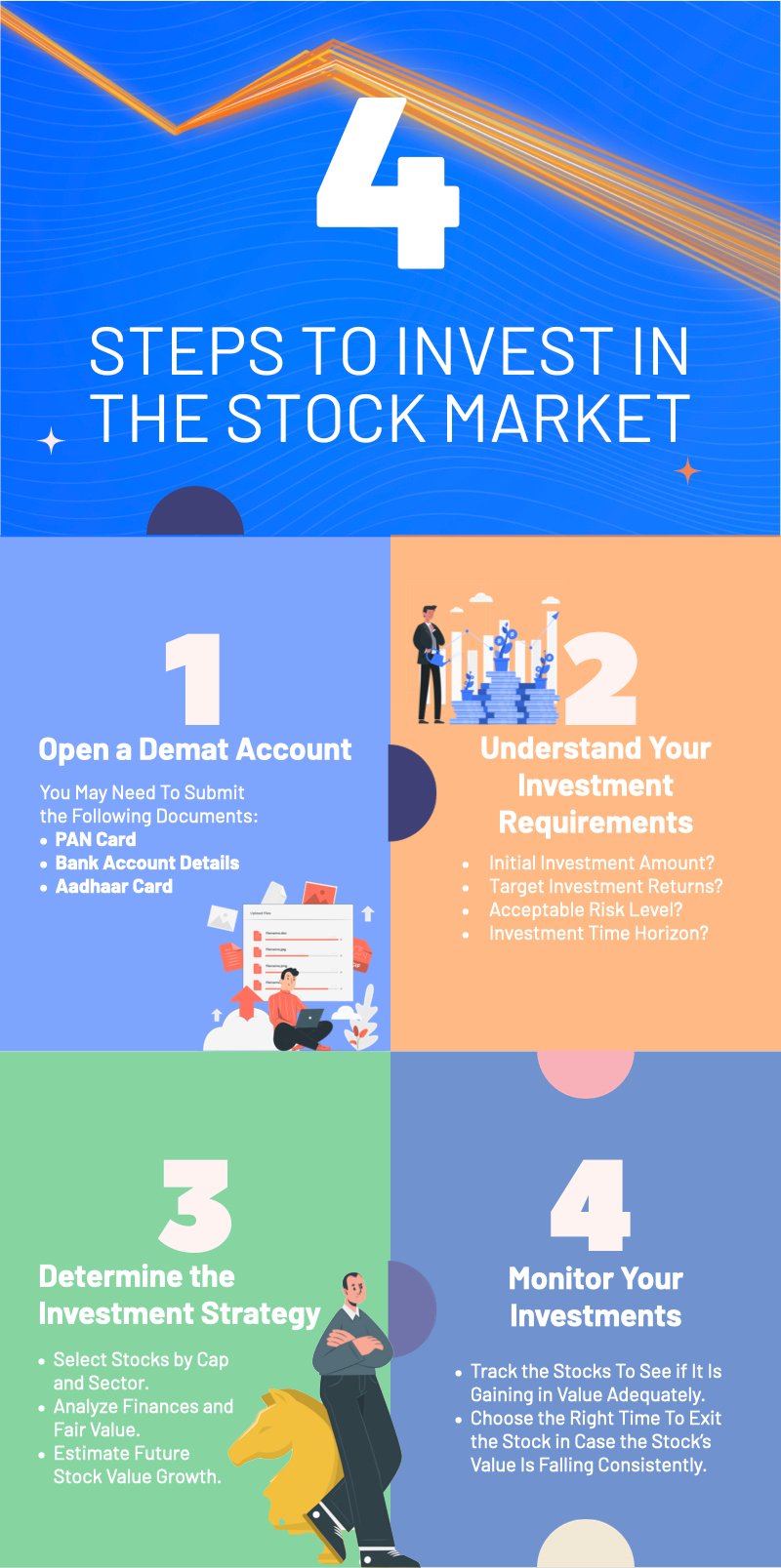
To master the art of investing, one must move beyond “hot tips” and speculative trends. Success is built on a foundation of understanding market mechanics, analyzing business health, and managing the psychological pressures of volatility. This guide serves as a roadmap for those looking to transition from spectators to informed participants in the global economy.
Building a Solid Foundation: Understanding Market Mechanics
Before deploying capital, it is essential to understand the structural components of the financial markets. A share, or stock, represents a fractional ownership interest in a corporation. When you buy a share, you are essentially betting on the future cash flows and growth prospects of that company.
The Role of Stock Exchanges and Indices
The stock market operates through exchanges like the New York Stock Exchange (NYSE), the Nasdaq, or the London Stock Exchange. These are regulated marketplaces where buyers and sellers meet. To track the overall health of these markets, we use indices like the S&P 500 or the Dow Jones Industrial Average. These indices act as benchmarks, representing a basket of leading companies. Understanding how these indices move helps investors gauge market sentiment and compare their own portfolio performance against broader trends.
The Dynamics of Supply and Demand
Stock prices are not arbitrary numbers; they are determined by the laws of supply and demand. If more investors want to buy a stock (demand) than sell it (supply), the price rises. Conversely, if bad news breaks and investors rush to exit, the price drops. Factors influencing this balance include quarterly earnings reports, macroeconomic data like inflation rates, and geopolitical events. Learning to filter the “noise” of daily price fluctuations from the “signal” of long-term value is the first major hurdle for any new investor.
Primary vs. Secondary Markets
It is also vital to distinguish between the primary market, where companies first issue shares to the public through an Initial Public Offering (IPO), and the secondary market, where investors trade those shares among themselves. Most individual investing happens in the secondary market. Recognizing that your purchase price in the secondary market does not directly go to the company, but to another investor, clarifies the nature of liquidity and price discovery.
Developing an Analytical Framework: Fundamental and Technical Analysis
To choose which stocks to buy, investors typically rely on two primary schools of thought: Fundamental Analysis and Technical Analysis. While many professionals use a hybrid approach, beginners should prioritize understanding the intrinsic value of a business.
The Power of Fundamental Analysis
Fundamental analysis involves diving deep into a company’s financial statements to determine its “fair value.” If the market price is lower than the fair value, the stock is considered undervalued and potentially a good buy. Key metrics to study include:
-
Earnings Per Share (EPS): The portion of a company’s profit allocated to each outstanding share of common stock.
-
Price-to-Earnings (P/E) Ratio: A valuation ratio of a company’s current share price compared to its per-share earnings. It helps determine if a stock is overpriced or bargain-priced relative to its peers.
-
Debt-to-Equity Ratio: A measure of a company’s financial leverage, indicating how much of the business is funded by debt versus shareholder equity.
-
Dividend Yield: The annual dividend payment divided by the stock price, representing the “interest” earned on the investment.
Qualitative Factors in Investing
Beyond numbers, fundamental analysis also considers qualitative factors. This includes the quality of the management team, the strength of the brand, and the “moat”—a term popularized by Warren Buffett referring to a company’s competitive advantage that protects it from rivals. A company with a strong brand and high barriers to entry for competitors is often a safer long-term bet than one in a commoditized industry.
Introduction to Technical Analysis
While fundamental analysis asks “what” to buy, technical analysis asks “when” to buy. This method involves studying historical price charts and trading volumes to identify patterns and trends. Tools like Moving Averages, Relative Strength Index (RSI), and Support/Resistance levels help traders predict future price movements based on past behavior. For a long-term investor, technical analysis is less about day-to-day trading and more about ensuring they aren’t buying a stock at a historical peak.
Strategic Asset Allocation and Risk Management
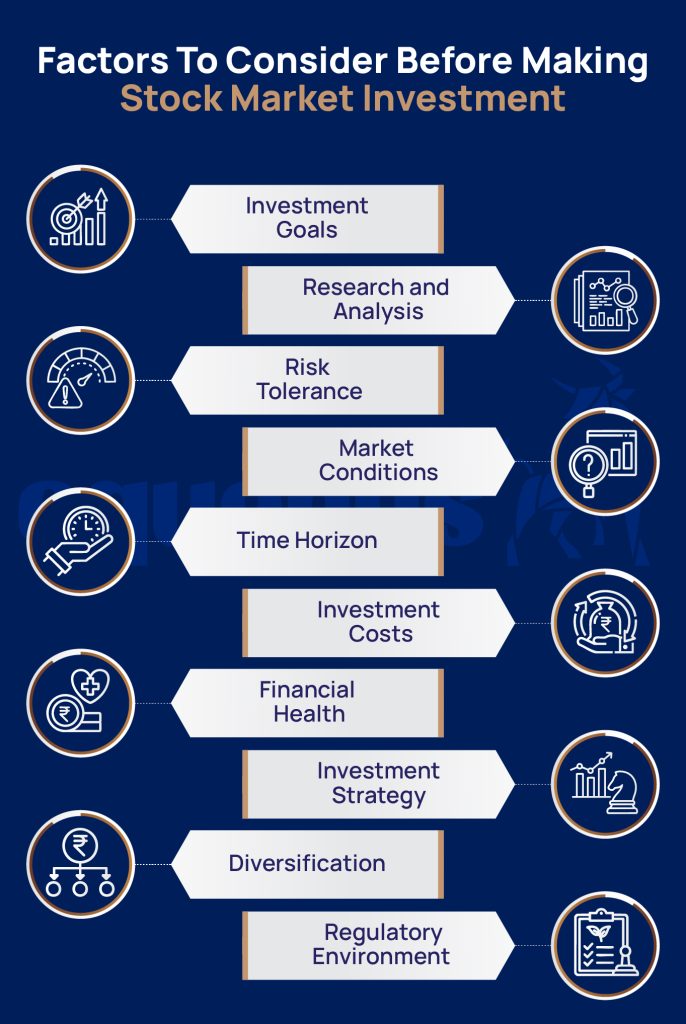
Investing without a strategy is merely speculating. A well-defined investment strategy helps you stay the course when the market becomes volatile.
The Importance of Diversification
The adage “don’t put all your eggs in one basket” is the golden rule of investing. Diversification involves spreading your investments across different asset classes (stocks, bonds, cash), sectors (technology, healthcare, energy), and even geographies. By diversifying, you ensure that a catastrophic failure in one company or sector does not wipe out your entire portfolio. For many beginners, Exchange-Traded Funds (ETFs) or Mutual Funds are the most efficient ways to achieve instant diversification.
Understanding Risk Tolerance and Time Horizon
Your investment strategy must align with your personal financial goals and your stomach for risk. A 25-year-old investing for retirement can afford to be aggressive, as they have decades to recover from market downturns. Conversely, someone five years away from retirement should focus on capital preservation. Determining your “time horizon”—how long you plan to keep your money invested—is the single most important factor in deciding your asset allocation.
The Magic of Compounding
The greatest tool in an investor’s arsenal is time. Compound interest is the process where the value of an investment increases because the earnings on an investment, both capital gains and interest, earn interest as time passes. By reinvesting dividends and staying invested over long periods, even modest monthly contributions can grow into significant wealth. The key is to start as early as possible; the cost of waiting even five years to begin can result in hundreds of thousands of dollars in “lost” potential gains.
Practical Steps to Getting Started
Once the theory is understood, the transition to practical application requires a systematic approach.
Selecting a Brokerage and Opening an Account
To trade stocks, you need a brokerage account. In the digital age, numerous discount brokers offer zero-commission trading and user-friendly mobile apps. When choosing a broker, consider the educational resources they provide, the ease of their interface, and any hidden fees. Once an account is opened, you will need to complete a KYC (Know Your Customer) process, which is a standard regulatory requirement to prevent financial fraud.
From Paper Trading to Real Capital
Many experts recommend “paper trading” for the first few weeks. This involves using a simulator to trade with virtual money. It allows you to practice executing orders, setting stop-losses, and watching how the market reacts to news without risking actual capital. Once you feel comfortable with the mechanics, start small. Invest an amount you are psychologically prepared to see fluctuate.
Setting Up a Systematic Investment Plan (SIP)
One of the most effective ways to build wealth is through “Dollar-Cost Averaging.” Instead of trying to time the market and invest a large lump sum at once, you invest a fixed amount at regular intervals (e.g., monthly). This strategy reduces the impact of volatility; you buy more shares when prices are low and fewer shares when prices are high, effectively lowering your average cost per share over time.
Navigating the Psychology of the Market
The biggest obstacle to investment success is often the investor’s own emotions. The share market is a centrifuge that spins out those who cannot control their impulses.
Overcoming Fear and Greed
Market cycles are driven by two primary emotions: greed during bull markets and fear during bear markets. When prices are skyrocketing, “Fear of Missing Out” (FOMO) often leads people to buy at the peak. When the market crashes, panic often leads people to sell at the bottom. Successful investors develop a “contrarian” mindset—remaining cautious when others are exuberant and looking for opportunities when others are terrified.
The Pitfalls of Overtrading
In the age of instant notifications and 24/7 financial news, the temptation to check your portfolio every hour is high. However, frequent trading often leads to higher tax liabilities and transaction costs, which eat into your returns. Research consistently shows that “buy and hold” investors—those who pick quality companies and leave them alone for years—outperform active traders who jump in and out of positions.
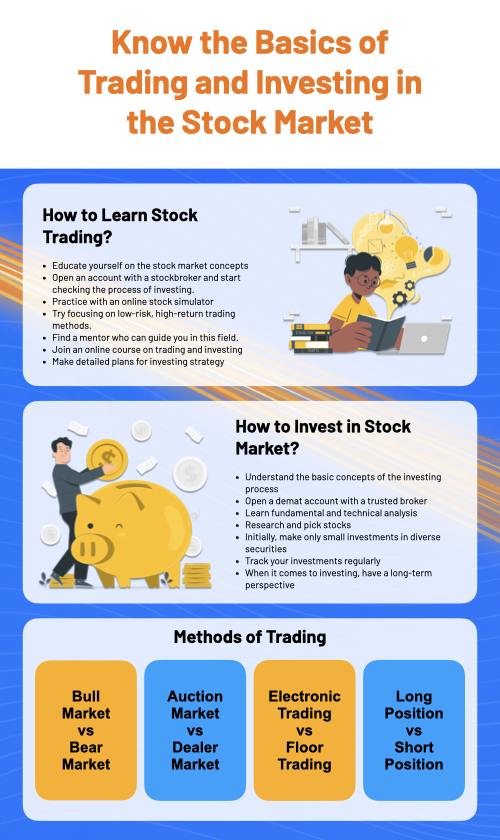
Continuous Learning and Adaptability
The share market is a living entity that evolves with technology and policy. What worked in the 1990s may not work today. To stay ahead, an investor must remain a student. This means reading annual reports, staying informed about global economic shifts, and being willing to admit when an initial investment thesis was wrong. The goal of learning investment is not to become a genius who can predict the future, but to become a disciplined practitioner who can manage risk and capitalize on the growth of the global economy.
aViewFromTheCave is a participant in the Amazon Services LLC Associates Program, an affiliate advertising program designed to provide a means for sites to earn advertising fees by advertising and linking to Amazon.com. Amazon, the Amazon logo, AmazonSupply, and the AmazonSupply logo are trademarks of Amazon.com, Inc. or its affiliates. As an Amazon Associate we earn affiliate commissions from qualifying purchases.