
In the realm of personal finance, managing recurring expenses is a critical discipline, often overlooked amidst the myriad of daily financial decisions. Membership programs, while designed to offer savings and convenience, can subtly drain budgets if their value proposition no longer aligns with one’s lifestyle or financial goals. The Spirit Savers Club, a popular offering from Spirit Airlines, exemplifies this dynamic. While it promises significant discounts on flights, baggage, and other ancillary services, there comes a point for many members where a financial reassessment becomes prudent. This article delves into the “how-to” of cancelling your Spirit Savers Club membership, framing it within a broader context of intelligent financial management, ensuring every dollar spent contributes meaningfully to your financial well-being.
Understanding Your Spirit Savers Club Membership: A Financial Lens
Before initiating any cancellation, it’s essential to understand what you’re stepping away from and why you joined in the first place. This financial introspection helps solidify your decision and prepares you for managing your travel budget moving forward.
The Value Proposition and Its Evolution
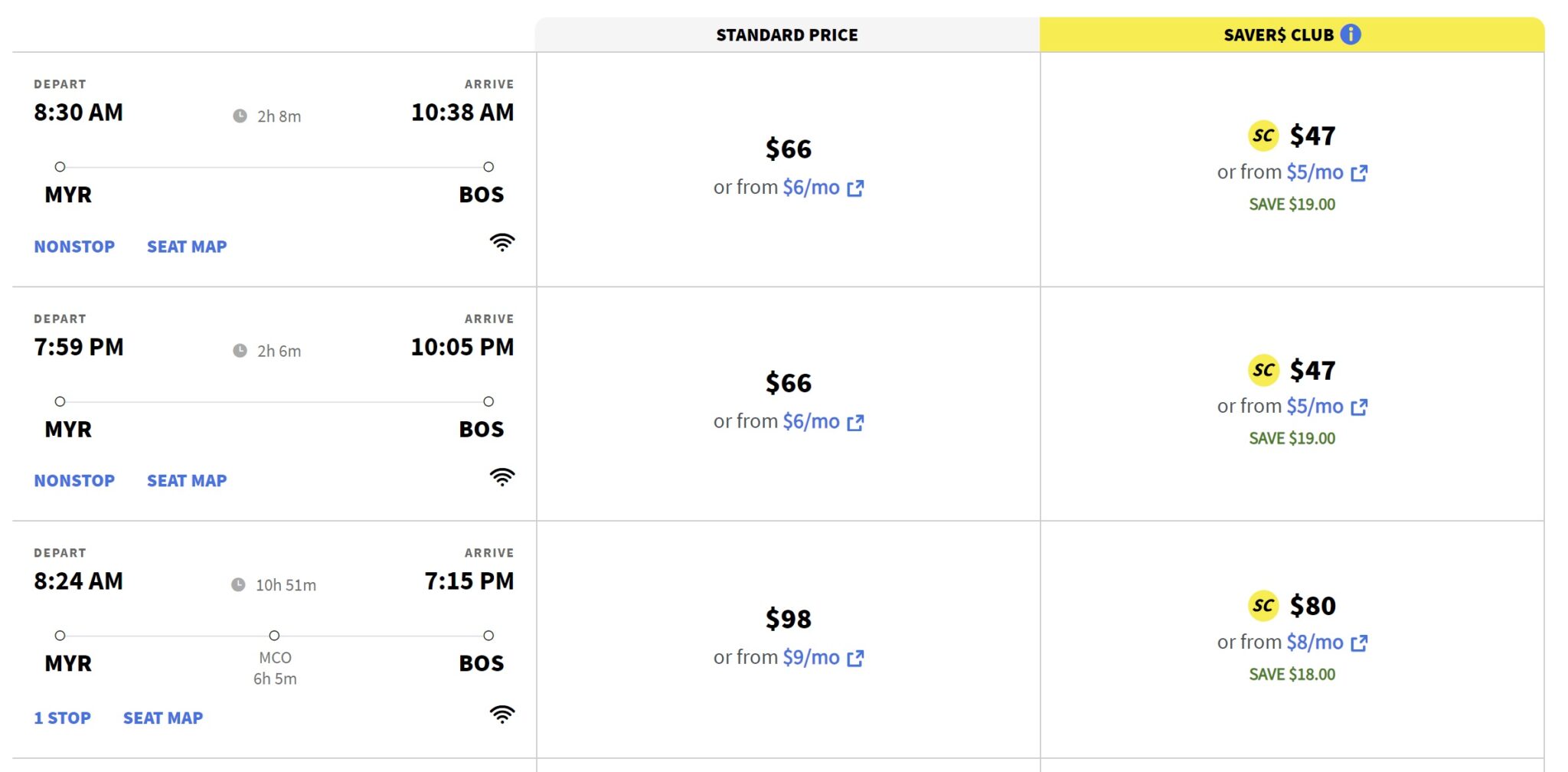
The Spirit Savers Club is marketed as a gateway to exclusive discounts. For an annual fee, members typically gain access to reduced fares, discounted baggage options, and other add-ons that can significantly lower the cost of flying, particularly for frequent Spirit Airlines passengers. The initial appeal is clear: if you fly Spirit often enough, the savings on fares and baggage alone could easily offset the annual membership cost.
However, the perceived value of this proposition is not static. It evolves with your travel habits, Spirit’s pricing strategies, and the competitive landscape of the airline industry. A member who once flew Spirit monthly might find themselves traveling less frequently, or perhaps discovering alternative airlines that offer better routes or overall value for their new travel patterns. The initial allure of saving money can diminish if the actual utilization falls short of expectations, making the annual fee feel less like an investment and more like a sunk cost. Recognizing this shift in value is the first step toward a financially astute cancellation.
Financial Implications of Membership
Every subscription, including the Spirit Savers Club, carries direct financial implications. The annual fee, though seemingly modest, represents a recurring drain on your budget. For many, this fee is automatically renewed, often without explicit notification, meaning funds are debited from an account without active consent for another year of membership. This “set it and forget it” mechanism is convenient for consistent users but problematic for those whose needs have changed.
Beyond the annual fee, consider the opportunity cost. The money spent on the membership could be allocated elsewhere: toward an emergency fund, a high-yield savings account, or perhaps even a travel fund for a different airline or experience. Furthermore, while the club offers discounts, it doesn’t eliminate all ancillary fees associated with Spirit Airlines, which are notoriously extensive. It’s crucial to differentiate between the savings the club provides and the overall cost of a Spirit flight. A savvy financial consumer should periodically compare the full cost of a Spirit flight (even with Savers Club discounts) against the total cost of a flight with a competing airline, especially when contemplating renewing the membership. This holistic view ensures that your financial commitments truly serve your best interests.
Recognizing When It’s Time to Cancel: A Financial Assessment
The decision to cancel a membership like the Spirit Savers Club should not be impulsive. It should stem from a clear financial assessment, evaluating your current needs against the benefits received.
Analyzing Your Travel Habits and Needs
The cornerstone of this assessment is an honest look at your travel patterns.
-
Frequency of Spirit flights: How often have you genuinely flown with Spirit Airlines in the past year, and how many of those flights truly leveraged the Savers Club benefits? If your travel frequency has decreased significantly, or if you’ve diversified your airline choices, the value proposition crumbles.
-
Alternative airlines/travel options: Have your preferences shifted towards airlines with different pricing models, better service, or more convenient routes? Perhaps a change in your personal or professional life means flying to destinations not served by Spirit, or where Spirit isn’t the most competitive option.
-
Impact of changing personal circumstances: Life events such as a new job, relocation, family changes, or altered financial priorities can dramatically impact your travel needs and budget. What was once a beneficial membership might now be an unnecessary luxury or a financial burden.
This self-analysis helps identify whether the Savers Club remains a cost-effective tool for your specific travel strategy, or if it’s merely a relic of past habits.
Cost-Benefit Analysis: Membership vs. Savings
A quantifiable cost-benefit analysis is imperative.
-
Calculating actual savings realized: Take the time to review your past Spirit flight bookings. Tally up the total amount you saved on fares, baggage, and other services specifically due to your Savers Club membership. Compare this total directly against the annual fee you paid. If the savings are marginal or even less than the fee, the club isn’t providing a net financial gain.
-
Considering other ancillary fees: Remember that even with the club, Spirit often charges for seat selection, carry-on bags (beyond a personal item), and other amenities. These costs can quickly add up. Evaluate if the “savings” from the club truly make Spirit the cheapest overall option for you, or if these other fees still push the total cost above competitors.
-
Forecasting future travel needs and potential savings: Project your likely travel needs for the upcoming year. Based on your current patterns and future plans, estimate how many Spirit flights you might take and what potential savings you could realistically achieve. Be conservative in your estimates. If the forecasted savings don’t comfortably exceed the annual fee, cancellation is a financially sound choice. This proactive approach prevents you from incurring another year of unnecessary expense.
Reviewing the Terms and Conditions
Before acting, always refer to the official terms and conditions of your Spirit Savers Club membership. This document outlines critical details such as:
-
Renewal dates: Knowing your exact renewal date is crucial. Most memberships are annual, and you’ll want to cancel before the next billing cycle to avoid being charged for another year.
-
Cancellation windows: Are there specific periods within which you must cancel? Is there a notice period required?
-
Pro-rata refunds: While rare for annual memberships, it’s worth checking if any portion of your fee is refundable if you cancel mid-term. Generally, these types of memberships are non-refundable once activated for the year. Understanding these rules ensures you navigate the cancellation process effectively and avoid any surprises.
Step-by-Step Guide to Financially Prudent Cancellation
Once you’ve made the informed decision to cancel, executing the process efficiently is key. Spirit Airlines provides various channels for managing your membership.
Locating Your Membership Information
The first step is to gather all necessary information related to your account.
-
Accessing your Spirit account online: Log in to your Spirit Airlines account on their official website. This is typically where you’ll find your membership details, including the exact renewal date and potentially a direct link to manage or cancel your subscription.
-
Finding membership details: Within your account profile or a dedicated “Savers Club” section, you should locate your membership ID, the date you joined, and your next billing date. Having this information readily available will streamline communication with customer service if online cancellation isn’t straightforward.
-
Contact options: Note down any customer service phone numbers or email addresses provided for membership inquiries.
Navigating the Cancellation Process (Online & Phone Options)
Spirit Airlines, like many companies with subscription models, generally prefers online self-service for cancellation, though phone support is also available.
-
Online Method: This is usually the quickest and most straightforward route.
-
Log In: Go to the Spirit Airlines website and log in to your account.
-
Navigate to Membership: Look for a section like “My Account,” “Profile,” or specifically “Spirit Savers Club” within your dashboard.
-
Find Cancellation Option: Within the Savers Club management page, there should be an option to “Cancel Membership,” “Manage Subscription,” or “Turn off Auto-Renew.”
-
Follow Prompts: The system will likely ask for a reason for cancellation (select truthfully or generically, as this data is often for internal feedback). You might also be presented with “retention offers” – discounted rates for another year, or temporary extensions. While these might seem tempting, stick to your financial assessment. If you’ve decided to cancel, these offers are generally not worth reconsidering unless they fundamentally alter your initial cost-benefit analysis.
-
Confirm Cancellation: Ensure you go through all confirmation steps until you receive a final confirmation message on screen or via email.
-
-
Phone Method: If you encounter issues online, prefer speaking to someone, or cannot find the online cancellation option, calling customer service is the next best step.
-
Find Contact Number: Locate Spirit Airlines’ customer service number on their official website. Look for numbers specifically for “reservations” or “customer support.”
-
Best Time to Call: Call during off-peak hours (early morning or late evening) to minimize wait times.
-
Prepare Information: Have your account login details, membership ID, and the exact reason for cancellation ready.
-
Politely State Your Intent: Clearly and politely inform the representative that you wish to cancel your Spirit Savers Club membership and want to ensure auto-renewal is turned off.
-
Request Confirmation: Ask for a cancellation confirmation number or an email confirming that your membership has been terminated and will not auto-renew.
-
-
Written/Email Method (Less Common): While generally not the primary method for this type of service, if your terms and conditions suggest an email or written notice, ensure you follow those instructions precisely. Always keep a copy of your communication for your records.
Verifying Cancellation and Financial Closure
The cancellation process isn’t truly complete until you’ve verified its success.
-
Confirmation Emails/Numbers: Always save any confirmation emails or reference numbers you receive from Spirit Airlines regarding your cancellation. This serves as proof should any disputes arise later.
-
Checking Bank Statements: Keep a close eye on your bank or credit card statements for a few billing cycles following your expected cancellation date. Ensure that no further charges for the Spirit Savers Club appear. If they do, immediately contact Spirit Airlines with your proof of cancellation.
-
Understanding the Effective Date: Clarify the effective date of cancellation. Typically, if you cancel an annual membership, you retain access to the benefits until the end of your current paid term, but it simply won’t auto-renew for the next year.
Financial Best Practices Post-Cancellation
Cancelling a membership is not just about stopping a charge; it’s an opportunity to optimize your budget and implement smarter financial habits.
Budget Adjustment and Reallocation
Now that a recurring expense has been eliminated, update your personal budget.
-
Reflect Removed Expense: Ensure your budget software or spreadsheet reflects the absence of the annual Savers Club fee.
-
Reallocate Saved Funds: This freed-up money shouldn’t just disappear. Consciously decide where to reallocate it. Perhaps it can bolster your emergency fund, contribute to a specific savings goal (like a future vacation, but one planned more strategically), or pay down high-interest debt. This proactive reallocation transforms a passive saving into an active financial gain.
Exploring Alternative Cost-Saving Strategies for Travel
Your travel needs haven’t vanished, but your strategy for meeting them should now evolve beyond a single club membership.
-
General Tips for Finding Cheap Flights: Embrace broader flight-finding strategies such as being flexible with travel dates and airports, using flight comparison websites, setting price alerts, and browsing in incognito mode to avoid dynamic pricing.
-
Loyalty Programs with Other Airlines: Consider joining the free loyalty programs of other airlines you might now fly more frequently. While they might not offer upfront discounts like the Savers Club, accumulating miles or points can lead to free flights or upgrades over time.
-
Credit Card Travel Rewards: If appropriate for your financial situation, explore travel rewards credit cards. Many offer substantial sign-up bonuses and ongoing points for travel-related spending, which can be redeemed for flights, hotels, or other travel perks, often without allegiance to a single airline.
Lessons Learned for Future Memberships
Every financial decision, including cancelling a subscription, offers valuable insights.
-
Emphasize Reviewing Terms Before Joining: Make it a habit to thoroughly read the terms and conditions of any membership or subscription before signing up. Understand the annual cost, renewal policies, and cancellation procedures upfront.
-
Regularly Assessing Value of All Subscriptions: Extend this practice beyond travel clubs. Periodically audit all your recurring charges (streaming services, gym memberships, software subscriptions) to ensure each one still provides sufficient value for its cost. This “subscription audit” can uncover numerous hidden savings.
The Broader Financial Philosophy of Subscription Management
Beyond the immediate tactical steps of cancelling the Spirit Savers Club, this process underscores a fundamental principle in personal finance: active management of your expenditures.
The Silent Drain of Recurring Charges
The modern economy thrives on subscriptions, making it easy to accumulate numerous small, recurring charges that, individually, seem negligible but collectively form a “silent drain” on your finances. This phenomenon, often termed “subscription fatigue,” can lead to significant budgetary leakages over time. The Spirit Savers Club is just one example; apply this critical eye to every recurring payment. Understanding how these small drains add up empowers you to stem the flow and reclaim control.

Empowering Financial Control
Actively managing subscriptions, from the decision to join to the decision to cancel, is an empowering act of financial control. It shifts you from being a passive consumer swept along by automatic renewals to an active manager of your resources. This proactive approach not only saves money but also fosters a deeper awareness of where your money is going, aligning your spending with your true priorities and ultimately contributing to greater financial well-being and peace of mind. Cancelling your Spirit Savers Club is more than just stopping a charge; it’s a step towards mastering your financial destiny.
aViewFromTheCave is a participant in the Amazon Services LLC Associates Program, an affiliate advertising program designed to provide a means for sites to earn advertising fees by advertising and linking to Amazon.com. Amazon, the Amazon logo, AmazonSupply, and the AmazonSupply logo are trademarks of Amazon.com, Inc. or its affiliates. As an Amazon Associate we earn affiliate commissions from qualifying purchases.