
The annual emergence of Spirit Halloween stores has become a widely anticipated cultural marker, signaling the unofficial start of the Halloween season for millions. For consumers, the question “When does the Spirit Halloween store open?” is often met with eager anticipation, a quest for the first glimpse of the season’s costumes, decorations, and ghoulish delights. For brand strategists and retail analysts, however, this seemingly simple question unlocks a fascinating case study in seasonal branding, strategic anticipation, and the masterful execution of a fleeting retail model.
Spirit Halloween isn’t just a store; it’s a phenomenon, a temporary retail empire that rises from vacant storefronts across North America with an almost supernatural speed, only to vanish just as swiftly after October 31st. Its opening date is not arbitrary but a meticulously calculated decision, steeped in market psychology, operational logistics, and a sophisticated understanding of consumer behavior. This article delves into the brand strategy behind Spirit Halloween’s opening, exploring how a seasonal pop-up has cemented its place as a dominant force in holiday retail and a beacon of brand anticipation.
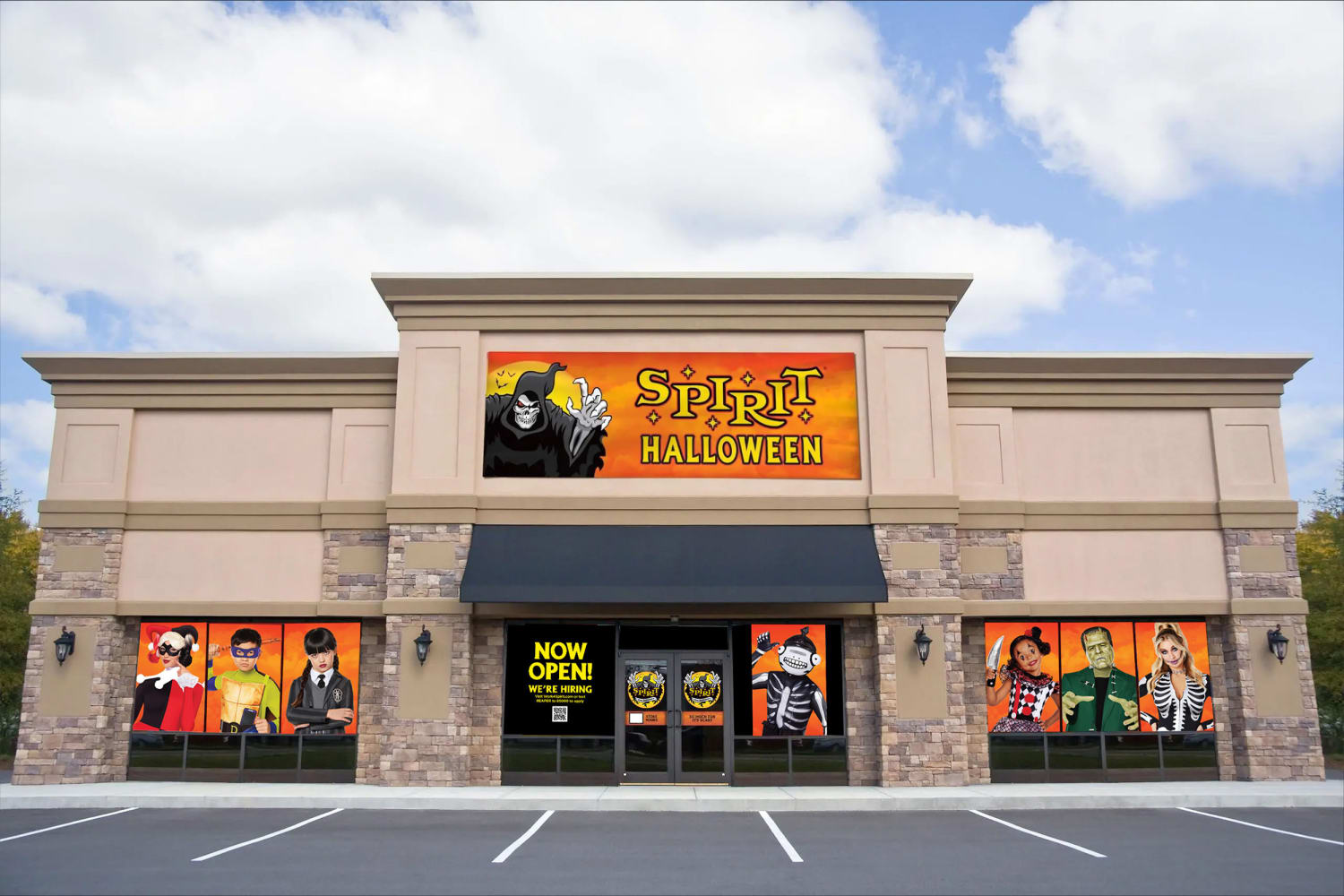
The Strategic Anticipation Behind Spirit Halloween’s Opening
The precise timing of Spirit Halloween’s store openings is a cornerstone of its brand strategy, deliberately orchestrated to maximize impact, generate buzz, and capitalize on the seasonal readiness of its target audience. This isn’t merely about unlocking doors; it’s about unlocking a feeling, a collective excitement that propels the brand into the cultural zeitgeist weeks before Halloween itself.
Cultivating Seasonal Excitement and Scarcity
Spirit Halloween’s business model is inherently built on scarcity and urgency. The fact that its stores are temporary creates a “now or never” psychological effect that is a powerful driver of consumer behavior. By opening in late summer, often as early as mid-August or early September, Spirit Halloween strategically taps into the nascent desire for autumnal festivities. This early arrival serves multiple purposes:
-
Pre-emptive Strike: It positions Spirit Halloween as the undisputed first mover in the Halloween retail space, setting the stage long before traditional retailers heavily feature their holiday merchandise. This early presence allows the brand to capture market share from early planners and enthusiasts.
-
Building Hype Cycle: The first sighting of a Spirit Halloween sign going up in an empty plaza often sparks social media conversations, local news mentions, and general public excitement. This organic buzz acts as invaluable, low-cost marketing, effectively turning the act of opening into a brand event.
-
Extended Shopping Window: While the core buying period peaks in October, an earlier opening provides a longer window for shoppers to browse, plan elaborate costumes, or gradually accumulate decorations. This caters to different segments of the Halloween consumer base, from procrastinators to dedicated enthusiasts who start planning months in advance.
The brand understands that the temporary nature of its stores, combined with a well-timed opening, transforms a simple retail transaction into a highly anticipated event, a pilgrimage for those eager to immerse themselves in the Halloween spirit.
Leveraging the Pop-Up Model for Brand Visibility
The pop-up store model, by its very nature, imbues Spirit Halloween with a unique sense of discovery and spontaneity that traditional brick-and-mortar brands often struggle to replicate. The act of “finding” a Spirit Halloween store in a previously vacant space contributes significantly to its brand identity.
-
Dynamic Presence: Instead of being a static fixture, Spirit Halloween’s locations are dynamic. They appear, transform, and disappear, creating a cyclical anticipation. Each year, the “hunt” for the local Spirit Halloween becomes part of the pre-holiday ritual for many.
-
Community Integration (Temporary): While temporary, these stores often become focal points within their local communities for a few months. Their presence signals the shift in seasons and provides a dedicated space for Halloween-related activities and purchases that might otherwise be dispersed across multiple general retailers.
-
Cost-Effective Reach: Utilizing vacant retail spaces minimizes long-term lease commitments and allows the brand to adapt its footprint based on regional demand and available properties. This agile real estate strategy ensures maximum market penetration without the overheads associated with year-round operations, funneling more resources into merchandise and experience. The surprise factor of where they pop up also fuels social media engagement.
The choice of location and the sudden materialization of these stores become an intrinsic part of Spirit Halloween’s brand narrative, turning logistical maneuvers into elements of its charm and allure.
Data-Driven Timing: Predicting Peak Consumer Readiness
Behind the festive facade, Spirit Halloween’s opening strategy is deeply analytical, relying on sophisticated data analysis to pinpoint optimal launch dates. This isn’t guesswork; it’s a science honed over decades of seasonal retail.
-
Historical Sales Data: The brand leverages extensive historical sales data to understand past purchasing patterns, peak shopping periods, and the lead time consumers require for Halloween preparations. This data informs not just when to open, but also how many stores to open and where.
-
Market Indicators: Factors such as back-to-school timing, local event schedules, and even weather patterns can influence consumer readiness for Halloween shopping. Spirit Halloween likely monitors these broader market indicators to fine-tune its opening schedule.
-
Competitive Landscape: Observing the opening strategies of competitors, even general retailers who dedicate sections to Halloween, allows Spirit Halloween to maintain its first-mover advantage and ensure its presence is established before the market becomes saturated. Their early opening can also drive competitors to follow suit, solidifying Spirit Halloween’s role as the trendsetter.
By integrating these data points, Spirit Halloween ensures that its grand opening isn’t just an event but a calculated entry into the market at a time when consumer receptiveness is at its highest, maximizing both initial foot traffic and sustained sales throughout the season.
More Than Just a Date: Spirit Halloween’s Brand Identity and Market Dominance
While the timing of its opening is crucial, Spirit Halloween’s enduring success is also rooted in its distinctive brand identity and its unwavering commitment to providing an immersive Halloween experience. The brand has transcended its retail function to become synonymous with the holiday itself, a testament to its strategic branding efforts.
From Niche Retailer to Cultural Phenomenon
Spirit Halloween began as a modest seasonal venture, but through consistent execution and a deep understanding of its target audience, it has evolved into a beloved cultural touchstone. Its transformation is a prime example of successful niche market capture and expansion.
-
Specialization and Authority: By focusing exclusively on Halloween, Spirit Halloween has established itself as the authoritative source for everything spooky. This specialization allows for an unparalleled breadth and depth of inventory, from obscure costume accessories to elaborate animatronic decorations, that general retailers cannot match.
-
Emotional Connection: The brand taps into the nostalgia, fun, and thrill associated with Halloween. It doesn’t just sell products; it sells the experience of Halloween, fostering a strong emotional connection with its customers who view the store as an essential part of their holiday tradition.
-
Pop Culture Relevance: Spirit Halloween consistently integrates current pop culture trends into its merchandise, offering costumes and accessories inspired by the latest movies, TV shows, and memes. This agility keeps the brand fresh and relevant, appealing to a broad demographic, including younger generations.
This evolution from a simple store to a cultural institution underscores the power of focused branding and a clear understanding of consumer passion points.
The Experiential Retail Playbook
For Spirit Halloween, the shopping experience is as vital as the products themselves. The brand has mastered experiential retail, transforming each temporary location into a themed destination that goes beyond mere transaction.
-
Immersive Atmosphere: Upon entering a Spirit Halloween store, shoppers are immediately enveloped in a Halloween wonderland. Dim lighting, spooky sound effects, elaborate displays, and often strategically placed animatronics create an immersive environment that stimulates the senses and puts shoppers in the holiday mood.
-
“Halloween Town” Vibe: Each store feels like a mini “Halloween Town,” with distinct sections for different themes (e.g., haunted house props, gothic attire, superhero costumes). This organization, combined with the sensory overload, encourages exploration and extended browsing.
-
Interactive Elements: Many stores feature interactive elements, such as animatronics that jump scare or photo booths, further enhancing the entertainment value. These elements make the visit memorable and shareable, generating user-generated content for social media.
This commitment to an engaging, theatrical shopping experience is a key differentiator, making a trip to Spirit Halloween an event in itself rather than just a chore.
Adaptive Marketing Across Channels
Spirit Halloween’s marketing strategy is as dynamic as its store openings, adapting to capture attention across various channels leading up to and throughout its brief operational window.
-
Digital Dominance: The brand heavily leverages social media platforms (Instagram, TikTok, Facebook) with engaging content, costume ideas, DIY tutorials, and behind-the-scenes glimpses. Their online presence extends the brand’s life beyond the physical store opening.
-
Influencer Collaborations: Partnering with influencers and content creators who specialize in Halloween, cosplay, or lifestyle niches helps amplify its message and reach specific demographic segments.
-
Traditional and Local Marketing: Despite its digital prowess, Spirit Halloween still utilizes local marketing tactics, from roadside signage indicating an impending opening to local radio and print ads, ensuring broad community awareness for its temporary locations.
-
Seasonal Campaigns: Each year, the brand develops overarching marketing campaigns that build anticipation and excitement, often featuring specific themes or character mascots that become synonymous with the season.
This multi-faceted marketing approach ensures that the brand remains top-of-mind, from the initial whisper of an opening to the last-minute Halloween rush.

Operational Excellence in a Fleeting Business Model
The ephemeral nature of Spirit Halloween’s operations presents unique logistical challenges that, when mastered, contribute significantly to its brand mystique and profitability. The brand’s ability to execute a rapid, large-scale deployment and subsequent teardown is a testament to its operational acumen.
Rapid Deployment and Decommissioning
The speed with which Spirit Halloween transforms vacant properties into retail havens is a marvel of logistical planning, often contributing to the “magic” of its appearance.
-
Standardized Setup: The brand likely employs highly standardized store layouts and merchandising plans, allowing for quick assembly and consistent brand presentation across hundreds of locations. This efficiency reduces setup time and labor costs.
-
Pre-Fabricated Elements: Many elements of the store environment, such as display fixtures, signage, and decorative props, are likely designed for rapid deployment and dismantling, contributing to the quick turnaround.
-
Reverse Logistics Efficiency: Just as important as the setup is the teardown. An efficient reverse logistics process is critical for clearing out stores, returning unsold merchandise, and preparing for the next season, minimizing waste and maximizing asset recovery.
This impressive operational choreography reinforces the brand’s transient, almost mythical, quality.
Supply Chain Agility for Peak Demand
Managing inventory for a short, intense sales window requires an exceptionally agile and responsive supply chain. Spirit Halloween must predict demand with high accuracy and ensure timely delivery of a vast array of products.
-
Global Sourcing: The brand likely sources its vast product range from numerous global suppliers, requiring sophisticated international logistics and customs management.
-
Centralized Distribution: A robust centralized distribution network would be essential to rapidly allocate and ship merchandise to hundreds of temporary stores across various geographies.
-
Inventory Management Systems: Advanced inventory management systems are critical to track stock levels, manage returns, and optimize replenishment throughout the compressed selling season, minimizing both stockouts and excess inventory.
The seamless flow of products, from concept to store shelf, is a hidden but vital component of Spirit Halloween’s ability to consistently deliver on its brand promise.
Staffing and Training for a Seasonal Workforce
A significant aspect of Spirit Halloween’s operational strategy involves recruiting, training, and managing a large, temporary workforce each season. This human element is crucial for delivering the brand experience.
-
Streamlined Recruitment: The brand likely has highly efficient processes for rapidly recruiting thousands of seasonal employees, from store managers to sales associates.
-
Focused Training: Training programs are designed to quickly onboard new staff, ensuring they understand product knowledge, sales procedures, and how to contribute to the immersive store atmosphere, even for a short tenure.
-
Employee Engagement: Fostering a positive work environment, even for temporary staff, helps ensure customer service remains high and contributes to a memorable shopping experience. The festive nature of the job itself can be a draw for many.
The ability to mobilize and motivate a temporary army of Halloween enthusiasts is fundamental to sustaining the brand’s operational model and customer satisfaction.
The Impact of Spirit Halloween’s Opening on the Retail Landscape
Spirit Halloween’s annual appearance is more than just a brand event; it’s a significant moment in the broader retail calendar, influencing consumer trends and competitive strategies across the industry.
Setting the Pace for Halloween Retailers
Spirit Halloween’s early and prominent opening effectively kicks off the entire Halloween retail season, often dictating the pace for other retailers.
-
Competitive Benchmark: General merchandise retailers, discount stores, and even other specialty pop-ups observe Spirit Halloween’s movements. Its early opening often prompts competitors to accelerate their own Halloween merchandise rollouts to avoid losing out on early shopper dollars.
-
Influencing Product Trends: As a dominant player, Spirit Halloween’s product offerings and prominent displays can significantly influence popular costume choices and decoration trends for the season. What’s trending at Spirit Halloween often becomes what’s trending everywhere.
-
Market Share Aggregation: By establishing its presence first, Spirit Halloween effectively consolidates a significant portion of the Halloween market share before other brands fully enter the fray, challenging them to compete on selection, experience, or price.
This leadership position underscores the strategic power of timing and specialization in seasonal retail.
Driving Ancillary Spending and Community Engagement
The presence of a Spirit Halloween store often acts as a catalyst for broader economic activity and community engagement, far beyond its own sales.
-
Foot Traffic Generation: Spirit Halloween stores often occupy anchor positions in shopping centers or stand-alone locations, drawing significant foot traffic that can spill over to neighboring businesses, benefiting other retailers and restaurants.
-
Event Planning Facilitation: By providing a one-stop shop for costumes and decorations, Spirit Halloween facilitates community Halloween events, school parties, and neighborhood trick-or-treating initiatives, supporting local social structures.
-
Job Creation: While temporary, the thousands of seasonal jobs created by Spirit Halloween across hundreds of locations represent a meaningful, albeit short-term, boost to local employment.
Thus, Spirit Halloween’s opening isn’t just about selling costumes; it’s about igniting the entire ecosystem of Halloween festivities.
A Case Study in Seasonal Brand Longevity
Spirit Halloween’s sustained success offers invaluable lessons for any brand operating within a niche or seasonal market. Its longevity defies the transient nature of its physical stores, demonstrating the power of a well-executed brand strategy.
-
Mastering the Niche: The brand’s unwavering focus on Halloween has allowed it to build unparalleled expertise and an authoritative presence in its specific market.
-
Customer-Centric Experience: Prioritizing the immersive, exciting customer experience over mere product sales has fostered deep loyalty and anticipation.
-
Agile Business Model: The pop-up strategy, supported by operational excellence, allows for flexibility, adaptability, and cost efficiency, proving that a temporary presence can build a permanent brand.
-
Anticipation as a Brand Asset: Spirit Halloween has turned the “when does it open?” question into a powerful marketing tool, leveraging anticipation as a core brand asset.
In an increasingly competitive retail landscape, Spirit Halloween stands as a compelling example of how strategic timing, a unique brand identity, and operational precision can transform a seasonal venture into a dominant, much-anticipated cultural phenomenon.

Conclusion
The question “When does the Spirit Halloween store open?” resonates far beyond a simple inquiry about retail hours. It encapsulates a sophisticated brand strategy that leverages anticipation, experience, and operational agility to create a powerful cultural moment. Spirit Halloween has masterfully crafted a business model where its temporary nature is not a limitation but a defining strength, turning its fleeting presence into a highly anticipated event each year.
By strategically timing its openings, cultivating an immersive retail environment, and excelling in its operational execution, Spirit Halloween has cemented its status as the quintessential Halloween destination. It’s a brand that doesn’t just sell products; it sells the spirit of the season, making its annual emergence a celebrated signifier that the most wonderfully spooky time of the year has officially begun. For brands looking to make an impact, Spirit Halloween offers a fascinating blueprint for turning seasonal operations into a year-round anticipation machine.
aViewFromTheCave is a participant in the Amazon Services LLC Associates Program, an affiliate advertising program designed to provide a means for sites to earn advertising fees by advertising and linking to Amazon.com. Amazon, the Amazon logo, AmazonSupply, and the AmazonSupply logo are trademarks of Amazon.com, Inc. or its affiliates. As an Amazon Associate we earn affiliate commissions from qualifying purchases.