
Embarking on the journey of stock market investing can seem daunting at first glance. The financial world is often perceived as complex, filled with jargon and volatile movements. However, with the right knowledge and a disciplined approach, anyone can begin building wealth through the stock market. This guide is designed to demystify the process, providing a clear roadmap for beginners eager to make their money work harder for them. Investing in the stock market is not about getting rich overnight; it’s a strategic long-term endeavor that, when approached correctly, can be a powerful engine for financial growth and security.
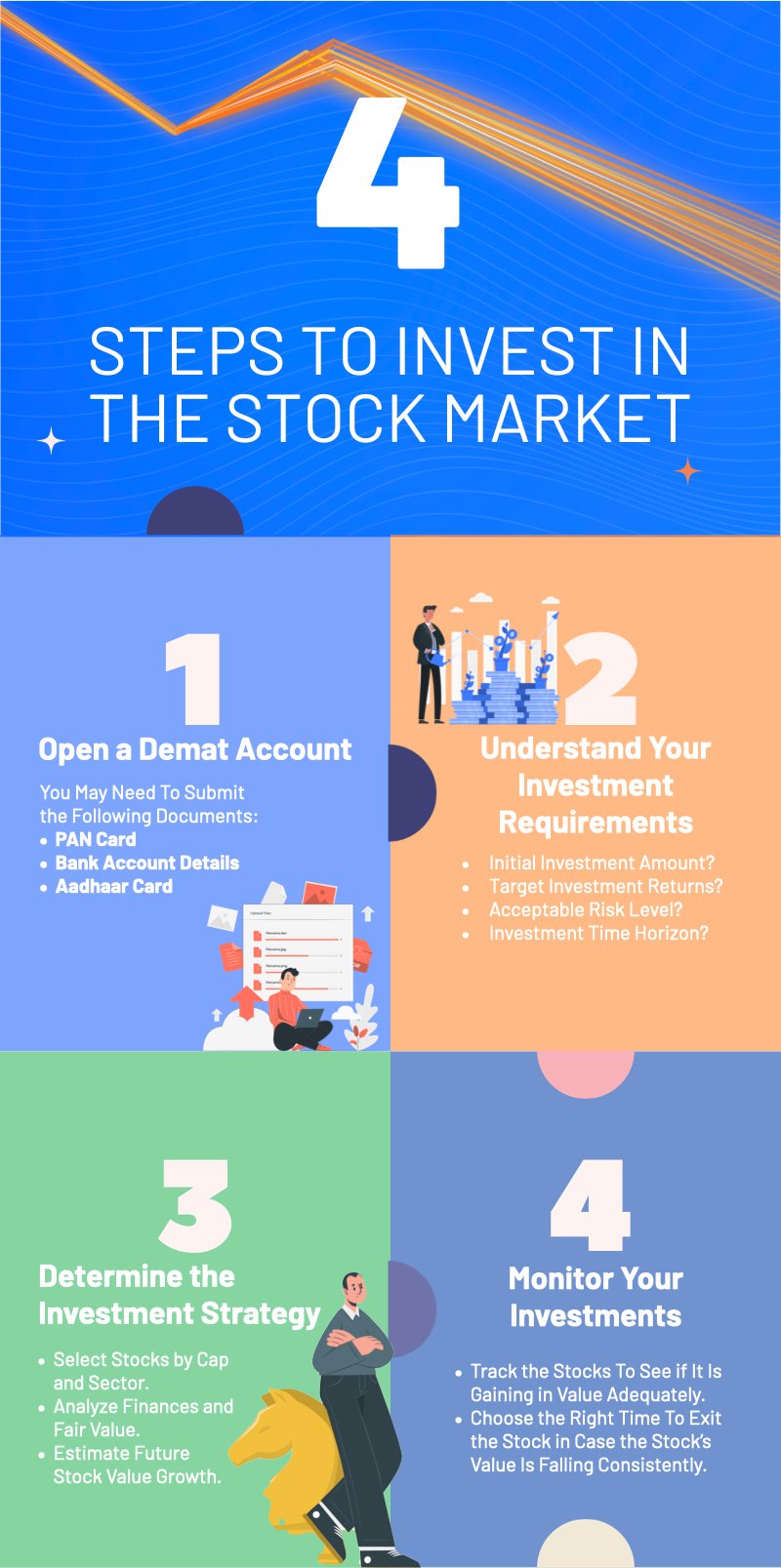
Understanding the Basics Before You Begin
Before you commit your hard-earned money, it’s crucial to grasp the fundamental concepts that underpin the stock market. A solid understanding will not only build your confidence but also protect you from common pitfalls.
What is the Stock Market?
At its core, the stock market is a collection of markets and exchanges where investors can buy and sell shares of publicly traded companies. When you buy a stock, you’re purchasing a small piece of ownership in that company. This ownership, or “equity,” means you have a claim on a portion of the company’s assets and earnings. Companies issue stocks to raise capital for expansion, research, or other business needs. In return, investors hope the company’s value will grow, increasing the value of their shares, or that the company will pay dividends (a portion of its profits) to shareholders.
Why Invest in Stocks?
There are several compelling reasons to consider stock market investing:
-
Potential for High Returns: Historically, the stock market has offered higher returns over the long term compared to other asset classes like bonds or savings accounts. While returns are never guaranteed, the potential for significant capital appreciation is a major draw.
-
Beating Inflation: Inflation erodes the purchasing power of your money over time. Investing in stocks can help your money grow at a rate that outpaces inflation, preserving and even increasing your real wealth.
-
Accessibility: With the advent of online brokerage platforms and fractional shares, investing in the stock market is more accessible than ever, even for those with limited capital.
-
Participation in Economic Growth: Investing in stocks allows you to participate directly in the growth and success of companies and, by extension, the broader economy.
Key Investment Principles
Successful investing is built on a few timeless principles:
-
Risk vs. Reward: All investments carry some level of risk. Generally, higher potential returns come with higher risk. Understanding your own risk tolerance is paramount.
-
Diversification: “Don’t put all your eggs in one basket.” Spreading your investments across different companies, industries, and asset classes helps mitigate risk. If one investment underperforms, others may compensate.
-
Long-Term View: The stock market can be volatile in the short term, but historically, it trends upwards over decades. Patient, long-term investors are often rewarded. Trying to time the market is extremely difficult and often leads to suboptimal results.
Setting Your Investment Foundation
Before diving into specific stocks or funds, establishing a strong personal finance foundation is non-negotiable. This groundwork ensures that your investment journey is sustainable and resilient.
Defining Your Financial Goals and Risk Tolerance
What do you want your investments to achieve? Are you saving for retirement, a down payment on a house, or your children’s education? Clear goals will dictate your investment horizon and strategy. Equally important is understanding your risk tolerance—how comfortable you are with the possibility of losing money. A younger investor with a long time horizon might be comfortable with more aggressive, higher-risk investments, while someone nearing retirement might prefer more conservative options.
Building an Emergency Fund
This is arguably the most crucial first step. Before investing in the stock market, you should have an emergency fund of 3-6 months’ worth of living expenses saved in an easily accessible, liquid account (like a high-yield savings account). This fund acts as a financial safety net, preventing you from having to sell investments at an inopportune time should unexpected expenses arise.
Understanding Different Account Types
You can’t just buy stocks directly; you need an investment account.
-
Brokerage Accounts: These are general investment accounts where you can buy and sell stocks, ETFs, mutual funds, and other securities. They are flexible but do not offer specific tax advantages beyond what standard capital gains rules apply.
-
Retirement Accounts (IRAs, 401(k)s): These accounts offer significant tax advantages to encourage saving for retirement.
-
IRAs (Individual Retirement Accounts): Include Traditional IRAs (tax-deductible contributions, taxed in retirement) and Roth IRAs (after-tax contributions, tax-free withdrawals in retirement).
-
401(k)s: Employer-sponsored plans, often with employer matching contributions, which are essentially “free money” for your retirement.
-
-
529 Plans: Designed for education savings, offering tax advantages for qualified educational expenses.
Choosing the right account type depends on your goals and employment situation. For many beginners, a brokerage account is a flexible starting point, while maximizing retirement accounts (especially those with employer matches) is often a top priority.
Budgeting and Saving for Investments
Investing requires capital. Creating and sticking to a budget allows you to identify areas where you can save money and allocate a consistent portion of your income towards investments. Even small, regular contributions can grow substantially over time thanks to the power of compounding. Think of investing as another essential bill you pay yourself each month.
Choosing Your Investment Path and Platforms
Once your financial foundation is solid, you’ll need to decide how you want to invest and through which platform.
Direct Stock Ownership vs. Diversified Funds
-
Direct Stock Ownership: This involves buying shares of individual companies. While it offers the potential for high returns if you pick successful companies, it also carries higher risk due to lack of diversification. It requires significant research and ongoing monitoring.
-
Diversified Funds (ETFs, Mutual Funds): These are baskets of investments that pool money from many investors to buy a variety of stocks, bonds, or other assets.
-
ETFs (Exchange-Traded Funds): Trade like stocks on an exchange throughout the day. They often track an index (like the S&P 500) and offer instant diversification at a low cost. They are an excellent starting point for beginners.
-
Mutual Funds: Professionally managed portfolios that trade once per day after the market closes. They can be actively managed (higher fees) or passively managed (index funds, lower fees).
-
For most beginners, investing in diversified, low-cost ETFs or index mutual funds is highly recommended. They provide broad market exposure, built-in diversification, and require less active management than picking individual stocks.
Robo-Advisors: Automated Investing for Beginners
Robo-advisors are online platforms that use algorithms to manage your investments automatically based on your financial goals and risk tolerance. They are an excellent option for beginners because they:
-
Are Low-Cost: Typically charge lower fees than human financial advisors.
-
Offer Automated Diversification: Build diversified portfolios using ETFs.
-
Provide Rebalancing: Automatically adjust your portfolio to maintain your target asset allocation.
-
Are User-Friendly: Simplify the investment process with intuitive interfaces.
Popular robo-advisors include Vanguard Digital Advisor, Fidelity Go, Charles Schwab Intelligent Portfolios, Betterment, and Wealthfront.
Traditional Brokerage Firms
If you prefer more control or want to invest in individual stocks, a traditional brokerage firm is necessary. These can be:
-
Discount Brokers: Offer low-cost trading, extensive research tools, and a wide range of investment products. They are self-directed, meaning you make your own investment decisions. Examples include Fidelity, Charles Schwab, Vanguard, E*TRADE, and Interactive Brokers.
-
Full-Service Brokers: Provide personalized advice, portfolio management, and a broader range of financial services, often at a higher cost. These are typically for investors with more complex needs or higher net worth.
Researching and Selecting Investment Platforms
When choosing a platform, consider factors like:
-
Fees: Look for low or no trading commissions and low expense ratios on funds.
-
Minimum Investment: Some platforms have minimums, though many now offer no minimum or allow fractional shares.
-
Investment Options: Ensure they offer the types of investments you want (e.g., ETFs, individual stocks).
-
Educational Resources: Good platforms provide tools and articles to help you learn.
-
Customer Service: Essential for when you have questions or issues.
-
User Interface: A platform that is easy to navigate will enhance your experience.
Making Your First Investment and Beyond
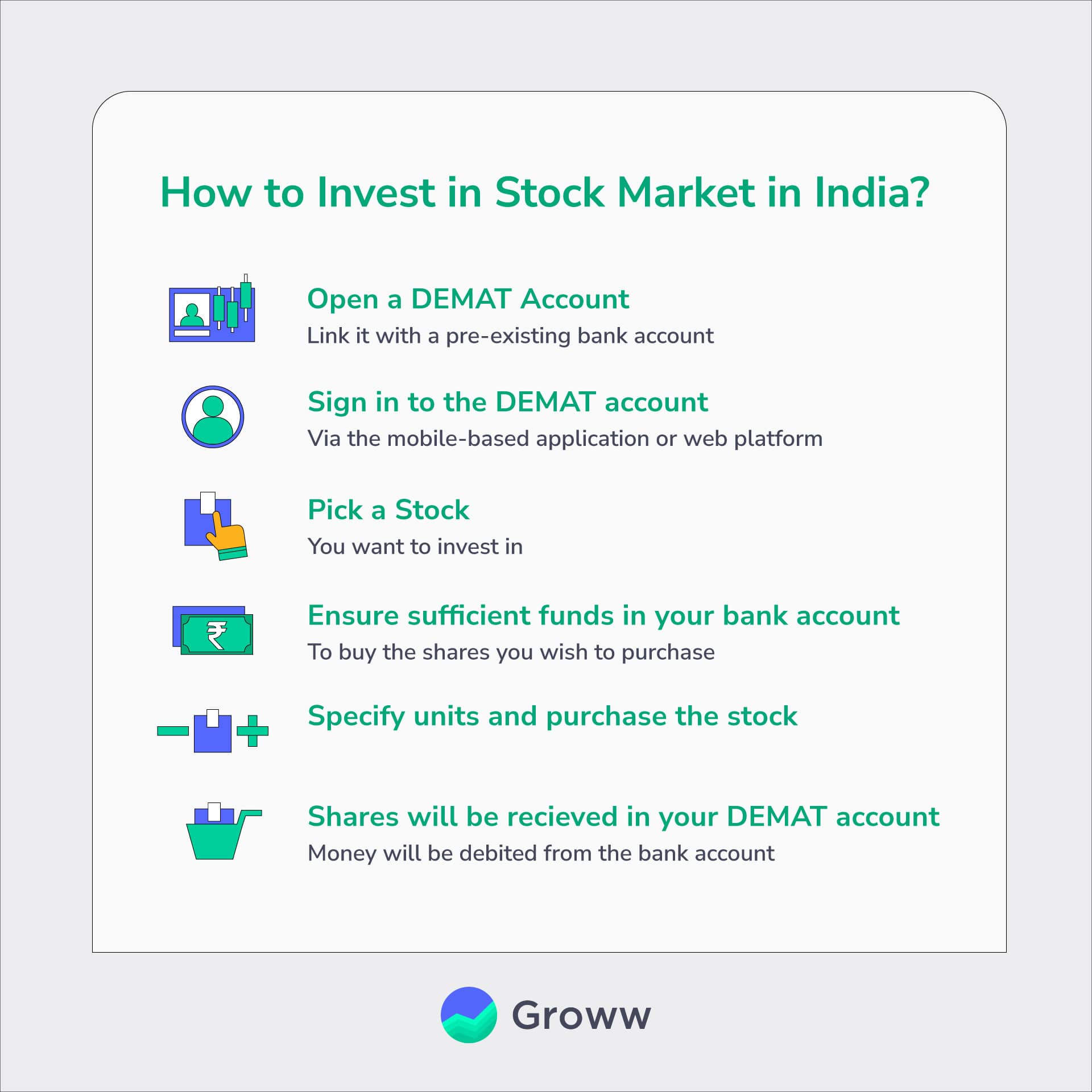
With your foundation set and platform chosen, you’re ready to make your first investment. This is an exciting step, but it’s important to proceed with discipline and a long-term mindset.
How to Place a Trade
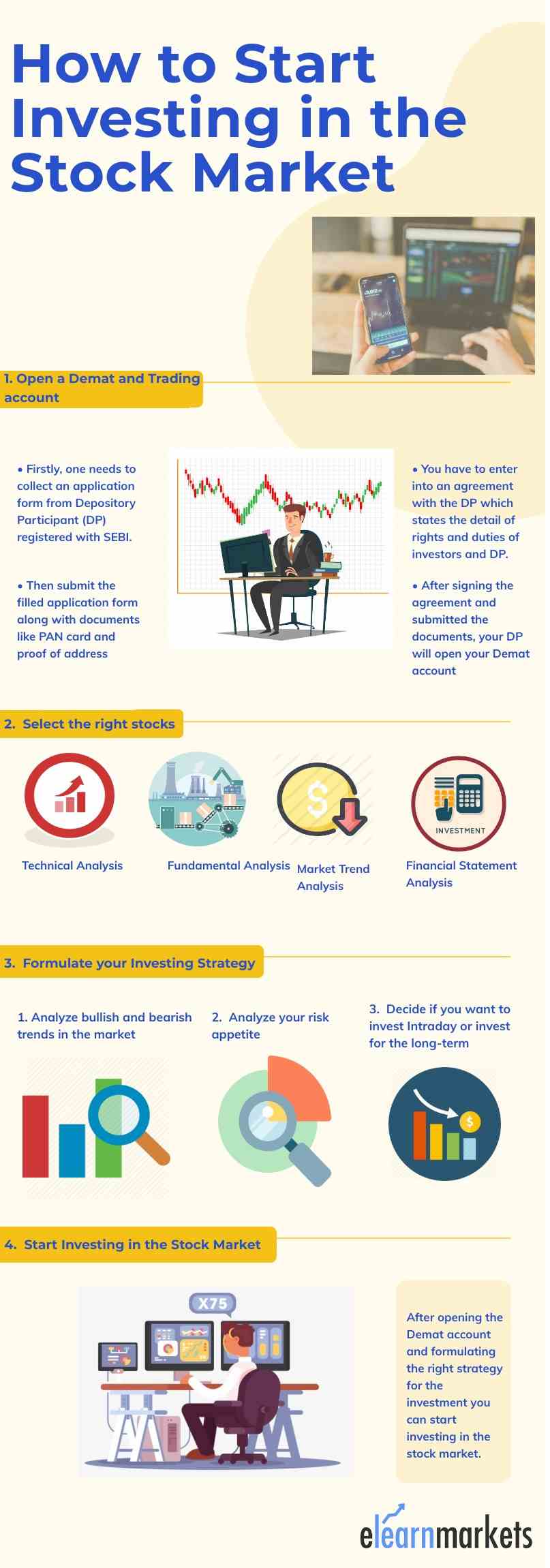
The exact steps will vary slightly depending on your chosen platform, but generally, it involves:
-
Funding Your Account: Link your bank account and transfer funds to your brokerage or robo-advisor account.
-
Selecting Your Investment: Search for the specific stock, ETF, or mutual fund you wish to buy.
-
Entering Order Details: Specify the number of shares or the dollar amount you want to invest. You’ll typically choose between a “market order” (executes immediately at the current market price) or a “limit order” (executes only if the stock reaches a specific price you set). For beginners, market orders are usually fine for highly liquid ETFs and stocks.
-
Review and Confirm: Double-check all details before confirming your trade.
Many platforms also offer “recurring investments,” allowing you to set up automatic contributions and purchases on a regular schedule. This is an excellent way to automate your investing and benefit from dollar-cost averaging.
The Importance of Diversification
Reiterating this crucial principle: diversification is your best friend in risk management. Don’t put all your money into one company, no matter how promising it seems. By investing across various industries, company sizes, and even geographies, you reduce the impact of any single poor-performing investment on your overall portfolio. ETFs and mutual funds are perfect tools for achieving this broad diversification easily.
Monitoring Your Investments
While a long-term approach discourages constant fiddling, it doesn’t mean ignoring your portfolio entirely.
-
Regular Reviews: Periodically review your portfolio (e.g., quarterly or semi-annually) to ensure it still aligns with your goals and risk tolerance.
-
Rebalancing: Over time, some assets in your portfolio may grow faster than others, throwing your target asset allocation out of whack. Rebalancing involves selling some of the outperforming assets and buying more of the underperforming ones to bring your portfolio back to your desired mix. Robo-advisors often do this automatically.
-
Stay Informed: Keep an eye on the broader economic landscape and news related to your investments, but avoid making impulsive decisions based on short-term market fluctuations.
Avoiding Common Beginner Mistakes
-
Emotional Decisions: Fear and greed are the enemies of rational investing. Stick to your plan, especially during market downturns.
-
Chasing Hot Stocks: Don’t buy a stock just because everyone else is talking about it. Do your own research or stick to diversified funds.
-
Lack of Diversification: As discussed, this exposes you to unnecessary risk.
-
Trying to Time the Market: Predicting market ups and downs consistently is impossible. “Time in the market beats timing the market.”
-
Not Investing Enough or Too Late: Start early, even with small amounts, to harness the power of compounding.
Continuous Learning and Long-Term Strategy
Investing is a journey of continuous learning. The more you understand, the better equipped you’ll be to make informed decisions and navigate market cycles.
Staying Informed
Regularly read reputable financial news sources (e.g., Wall Street Journal, Financial Times, Bloomberg, established financial blogs). Consume educational content from your brokerage firm, financial literacy websites, and books. Focus on understanding macroeconomic trends, company fundamentals, and investment strategies, rather than just daily stock price movements.
Adapting to Market Changes
The market is dynamic. Economic conditions, technological advancements, and geopolitical events can all influence investment performance. While your long-term strategy should remain consistent, be open to adjusting your portfolio composition as your life circumstances change or as new, compelling investment opportunities or risks emerge. This doesn’t mean panicking and selling during a downturn, but rather calmly assessing how significant shifts might impact your holdings.
Compounding and the Power of Time
Albert Einstein reputedly called compounding the eighth wonder of the world. It’s the process where your investment earnings also start earning returns. The longer your money is invested, the more powerful compounding becomes. Starting early, even with modest amounts, gives your investments decades to grow exponentially. This highlights why “time in the market” is so crucial.
Seeking Professional Advice
While this guide empowers you to start, there may come a time when your financial situation becomes complex enough to warrant professional guidance. A certified financial planner (CFP) can help with comprehensive financial planning, tax optimization, estate planning, and advanced investment strategies. They can provide unbiased advice tailored to your specific needs, helping you refine your long-term strategy and navigate significant life events.
Starting your investment journey in the stock market is a proactive step towards building a more secure and prosperous financial future. By understanding the basics, building a strong financial foundation, choosing appropriate investment vehicles, and committing to a long-term, disciplined approach, you can harness the power of the market to achieve your financial dreams. Remember, consistency, patience, and continuous learning are your greatest assets as an investor.
aViewFromTheCave is a participant in the Amazon Services LLC Associates Program, an affiliate advertising program designed to provide a means for sites to earn advertising fees by advertising and linking to Amazon.com. Amazon, the Amazon logo, AmazonSupply, and the AmazonSupply logo are trademarks of Amazon.com, Inc. or its affiliates. As an Amazon Associate we earn affiliate commissions from qualifying purchases.