
In the dynamic world of commerce, a business plan stands as the bedrock of any successful venture. Far more than a mere formality, it is a strategic financial blueprint, a comprehensive guide that charts the course for a company’s inception, growth, and sustained profitability. For entrepreneurs, investors, and financial institutions alike, understanding what is contained within a business plan is paramount, as it directly impacts funding decisions, resource allocation, and the overall financial health of an enterprise. This document, meticulously crafted, translates aspirational ideas into concrete financial strategies, outlining how a business will generate revenue, manage expenses, and ultimately achieve financial viability and growth.
The Strategic Financial Blueprint: Why a Business Plan Matters for Your Wallet
At its core, a business plan is a financial document, even if it covers operational and marketing aspects. It is the roadmap for how a business will make, manage, and grow its money. Without it, even the most brilliant idea can falter due to lack of financial foresight and control. It serves as a critical internal planning tool and an essential external communication device for potential investors or lenders.
Guiding Investment Decisions
For any individual considering investing their time, capital, or resources into a new venture, the business plan provides the necessary due diligence. It offers a transparent view of the proposed business model, its market potential, and, critically, its expected financial returns. From an investor’s perspective, the plan outlines the potential for return on investment (ROI), the timeline for profitability, and the inherent risks involved. It details how capital will be utilized, ensuring that funds are directed towards areas that will generate the highest value and contribute to the business’s financial objectives. This foresight helps investors make informed decisions, mitigating risk and optimizing their portfolio.
Securing Funding and Capital
Perhaps the most recognized function of a business plan within the “Money” niche is its role in securing external funding. Whether seeking a loan from a bank, attracting venture capital, or pitching to angel investors, a well-structured business plan is non-negotiable. Financial institutions and private investors require a clear understanding of the business’s financial viability, its revenue model, projected cash flows, and its ability to repay debt or generate investor returns. The plan demonstrates financial acumen, a thorough understanding of market dynamics, and a robust strategy for capital utilization and growth. It answers critical questions about the amount of funding needed, how it will be spent, and the expected financial outcomes, making it the primary tool for capital acquisition.
Laying the Financial Foundation: Core Components of Your Business Plan
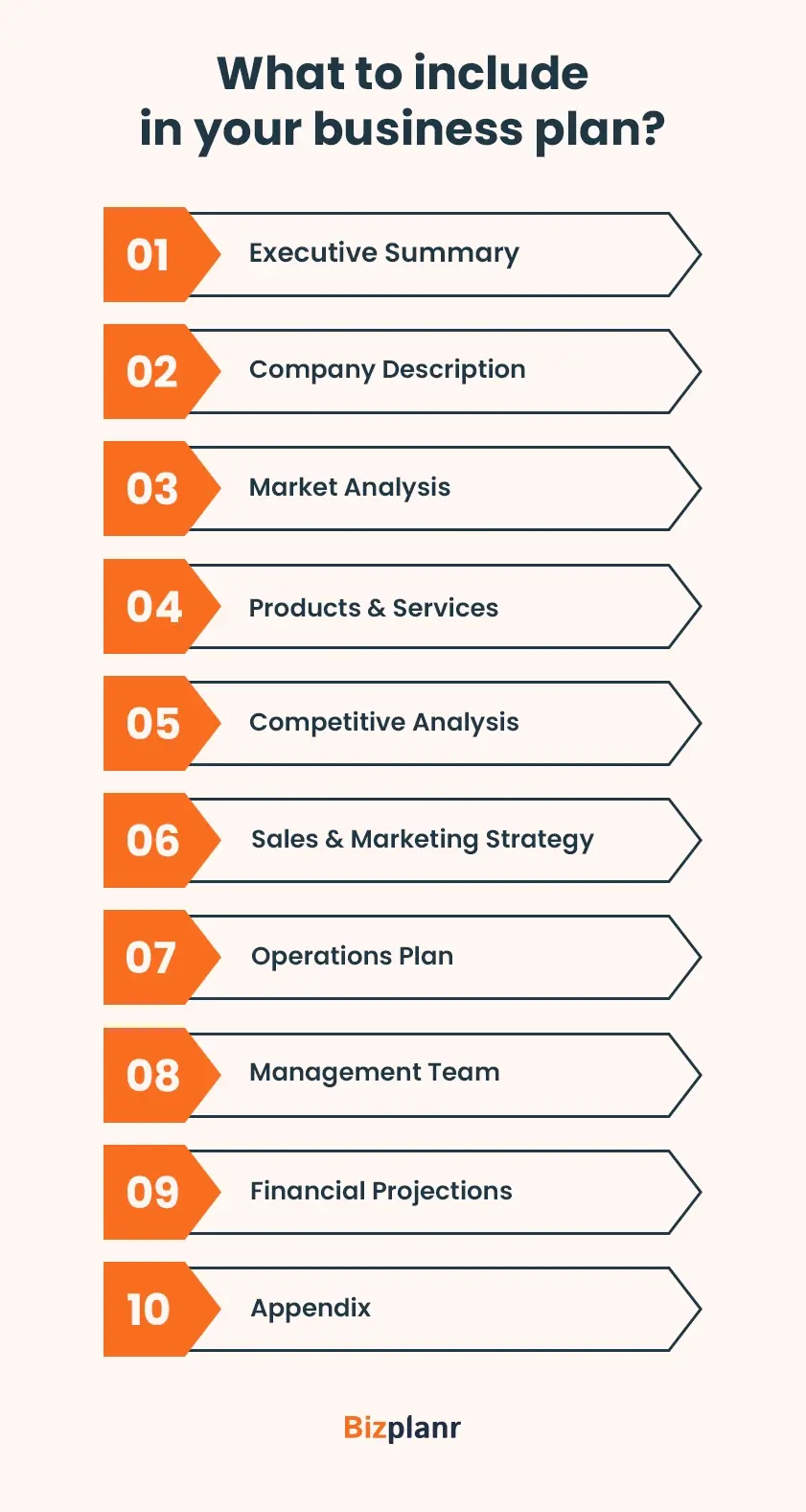
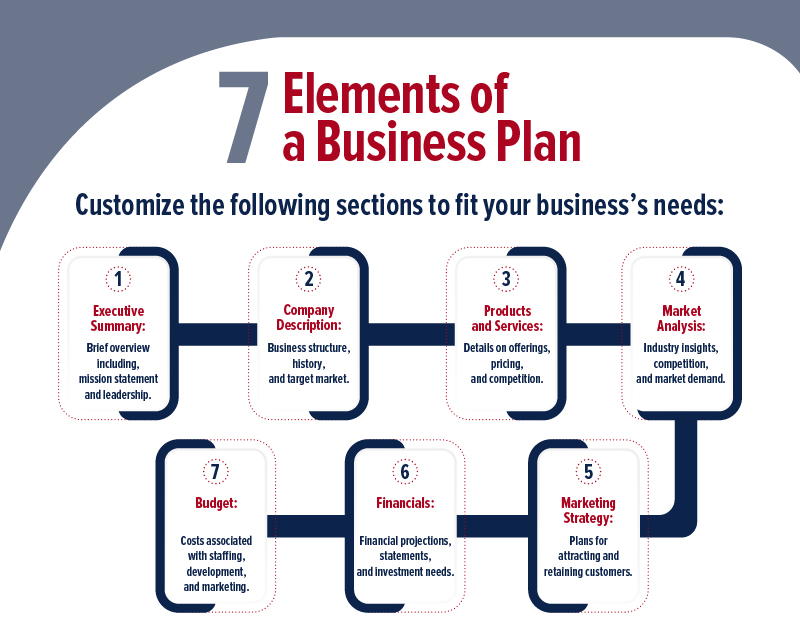
While a business plan covers many facets, each section indirectly or directly contributes to the financial narrative. These core components serve to build a comprehensive financial model that supports the entire venture.
Executive Summary: Your Financial Snapshot
The executive summary is arguably the most crucial section, especially from a financial perspective. It provides a concise, high-level overview of the entire business plan, summarizing the company’s mission, products/services, target market, competitive advantages, and, most importantly, its financial highlights. This includes key financial projections, funding requirements, and the expected return on investment. For busy investors or loan officers, this section offers a quick assessment of the business’s financial potential and whether it warrants further review. It’s a critical ‘hook’ that must immediately convey financial viability and opportunity.
Company Description: The Business Value Proposition
This section details what the business does, its legal structure (which has tax and liability implications), and its overarching vision and mission. While seemingly non-financial, understanding the company’s core values and unique selling proposition helps to contextualize its revenue streams and market position. For instance, a clear description of a proprietary technology or a unique service delivery model can justify premium pricing or higher market share, directly influencing financial projections. It explains why the business exists and how it plans to create economic value.
Market Analysis: Understanding Revenue Potential
A thorough market analysis is indispensable for accurate financial forecasting. This section outlines the industry landscape, target market, market size, growth trends, and competitive analysis. From a financial standpoint, it helps to:
-
Estimate Revenue: By defining the total addressable market (TAM), serviceable available market (SAM), and serviceable obtainable market (SOM), a business can project realistic sales volumes and revenues.
-
Price Strategy: Understanding customer demographics, purchasing power, and competitor pricing informs the pricing strategy, directly impacting gross margins and profitability.
-
Risk Assessment: Identifying market entry barriers, regulatory changes, and competitive threats helps to build more robust financial models that account for potential downturns or increased costs.
This section essentially validates the financial assumptions underlying the projected sales and income.
Operationalizing for Profit: Management, Products, and Services
The operational aspects of a business plan dictate how efficiently money is spent and how effectively revenue is generated. These sections link strategic decisions to tangible financial outcomes, influencing cost structures, profit margins, and overall financial health.
Organization and Management: Leveraging Human Capital for Financial Gains
This section outlines the organizational structure, the management team’s expertise, and key personnel. From a financial perspective, it details compensation structures (salaries, benefits, equity), which represent a significant operational cost. More importantly, it highlights the experience and capabilities of the team responsible for executing the financial plan, managing resources, and driving profitability. A strong, experienced management team is often seen by investors as a key indicator of a business’s ability to achieve its financial objectives, mitigate risks, and adapt to market changes, thereby safeguarding their investment.
Service or Product Line: The Revenue Generators
This part describes the products or services offered, their features, benefits, and lifecycle. For financial analysis, it’s crucial for:
-
Cost of Goods Sold (COGS): Detailing the materials, labor, and overhead directly attributable to production helps calculate COGS, which is essential for determining gross profit margins.
-
Pricing Strategy: Justifying the pricing model based on value, cost, and competitive positioning directly impacts revenue per unit.
-
Future Development Costs: Outlining plans for new product development or service enhancements helps project future R&D expenses and potential new revenue streams, impacting long-term financial forecasts.
This section is fundamentally about defining the mechanisms through which the business generates its income.
Marketing and Sales Strategy: Driving Income and ROI
How a business attracts and retains customers directly affects its revenue generation. This section details the marketing mix (product, price, place, promotion) and sales approach. Financially, it’s about:
-
Marketing Budget: Allocating funds for advertising, promotions, digital marketing, and sales initiatives. This is a critical expenditure that needs to show a clear return on investment (ROI).
-
Customer Acquisition Cost (CAC): Understanding how much it costs to acquire a new customer is vital for financial planning and profitability analysis.
-
Sales Forecasts: The marketing and sales strategies must directly feed into the sales projections, providing a credible basis for revenue forecasts in the financial statements.
A robust strategy here ensures that marketing spend translates into profitable sales and sustainable income.
The Heart of the Plan: Comprehensive Financial Projections
This is where the “Money” niche truly comes to the forefront. The financial section of a business plan is the quantitative expression of all preceding sections. It provides a detailed financial outlook, projecting the business’s future financial performance and needs.
Funding Request and Use of Funds
If seeking external capital, this section explicitly states the amount of funding required and precisely how it will be deployed. This includes allocation for startup costs, operational expenses, capital expenditures, marketing initiatives, and working capital. Lenders and investors scrutinize this to ensure the requested funds are reasonable, justifiable, and directly contribute to the business’s ability to generate revenue and achieve profitability, thereby providing a clear path for repayment or return on investment.
Financial Forecasts: Income Statements, Balance Sheets, Cash Flow
These are the three cornerstone financial statements within any business plan:
-
Projected Income Statement (P&L): This forecasts revenues, COGS, operating expenses, and ultimately, net profit or loss over a specific period (typically 3-5 years). It demonstrates the business’s earning potential.
-
Projected Balance Sheet: This provides a snapshot of the company’s assets, liabilities, and equity at various points in time. It shows the financial health and solvency of the business, indicating its ability to manage debt and retain owner equity.
-
Projected Cash Flow Statement: This is arguably the most critical for new businesses, as it tracks the actual movement of cash in and out of the business. It shows if the business will have enough liquid funds to meet its obligations, regardless of profitability. Positive cash flow is essential for survival and growth.
Break-Even Analysis and Key Financial Metrics
A break-even analysis determines the sales volume (in units or revenue) required to cover all costs, leaving zero net profit. This provides a crucial benchmark for financial viability. Additionally, key financial metrics and ratios (e.g., gross profit margin, net profit margin, return on assets, debt-to-equity ratio, customer lifetime value, customer acquisition cost) are often included to provide deeper insights into the business’s financial performance, efficiency, and risk profile. These metrics help investors and management track progress against financial goals and make data-driven decisions.
Beyond the Initial Document: Sustaining Financial Health and Growth
A business plan is not a static document to be filed away. It is a living, breathing tool that requires ongoing attention and adaptation to market realities and financial performance.
Appendix: Supporting Your Financial Claims
The appendix contains supporting documents that bolster the financial credibility of the plan. This can include resumes of key management, market research data, letters of intent from customers or suppliers, intellectual property documents, and detailed financial assumptions. These documents provide the empirical evidence and transparency that investors and lenders demand to validate the financial projections and strategic claims made throughout the plan.

The Business Plan as a Living Financial Tool
Ultimately, the most valuable aspect of a business plan, from a financial perspective, is its utility as a dynamic management tool. It should be regularly reviewed, updated, and compared against actual financial performance. This iterative process allows management to:
-
Track Performance: Monitor actual revenue, expenses, and cash flow against projections, identifying variances.
-
Adjust Strategies: Make informed financial adjustments to pricing, marketing spend, or operational costs based on real-world results.
-
Re-forecast: Update financial projections to reflect new market conditions, competitive actions, or internal operational changes, maintaining an accurate financial outlook.
-
Support Ongoing Funding: A well-maintained plan facilitates ongoing discussions with existing and potential investors, demonstrating fiscal responsibility and a proactive approach to financial management.
In conclusion, a business plan is an indispensable financial instrument. Every section, from the executive summary to the detailed financial projections, converges on the central theme of how a business will achieve and sustain financial success. It is the roadmap for securing capital, managing resources effectively, generating profits, and ultimately building a financially robust and resilient enterprise. Without a comprehensive understanding of what is contained in a business plan, navigating the complex financial landscape of entrepreneurship would be an almost impossible task.
aViewFromTheCave is a participant in the Amazon Services LLC Associates Program, an affiliate advertising program designed to provide a means for sites to earn advertising fees by advertising and linking to Amazon.com. Amazon, the Amazon logo, AmazonSupply, and the AmazonSupply logo are trademarks of Amazon.com, Inc. or its affiliates. As an Amazon Associate we earn affiliate commissions from qualifying purchases.