
In the dynamic world of business, whether you’re a budding entrepreneur with a groundbreaking idea or an established enterprise seeking to scale, a business plan stands as the foundational document for success. Far more than just a bureaucratic hurdle, it is a strategic blueprint that delineates your vision, outlines your operational framework, and critically, details your financial projections and needs. For anyone navigating the complex landscape of finance, investment, and sustainable growth, understanding the core components of a robust business plan is paramount. It serves as your guide to securing funding, attracting talent, and, most importantly, making informed financial decisions that drive profitability and longevity. In essence, a well-crafted business plan is the financial narrative of your venture, painting a clear picture of where you are, where you’re going, and how you intend to get there in monetary terms.
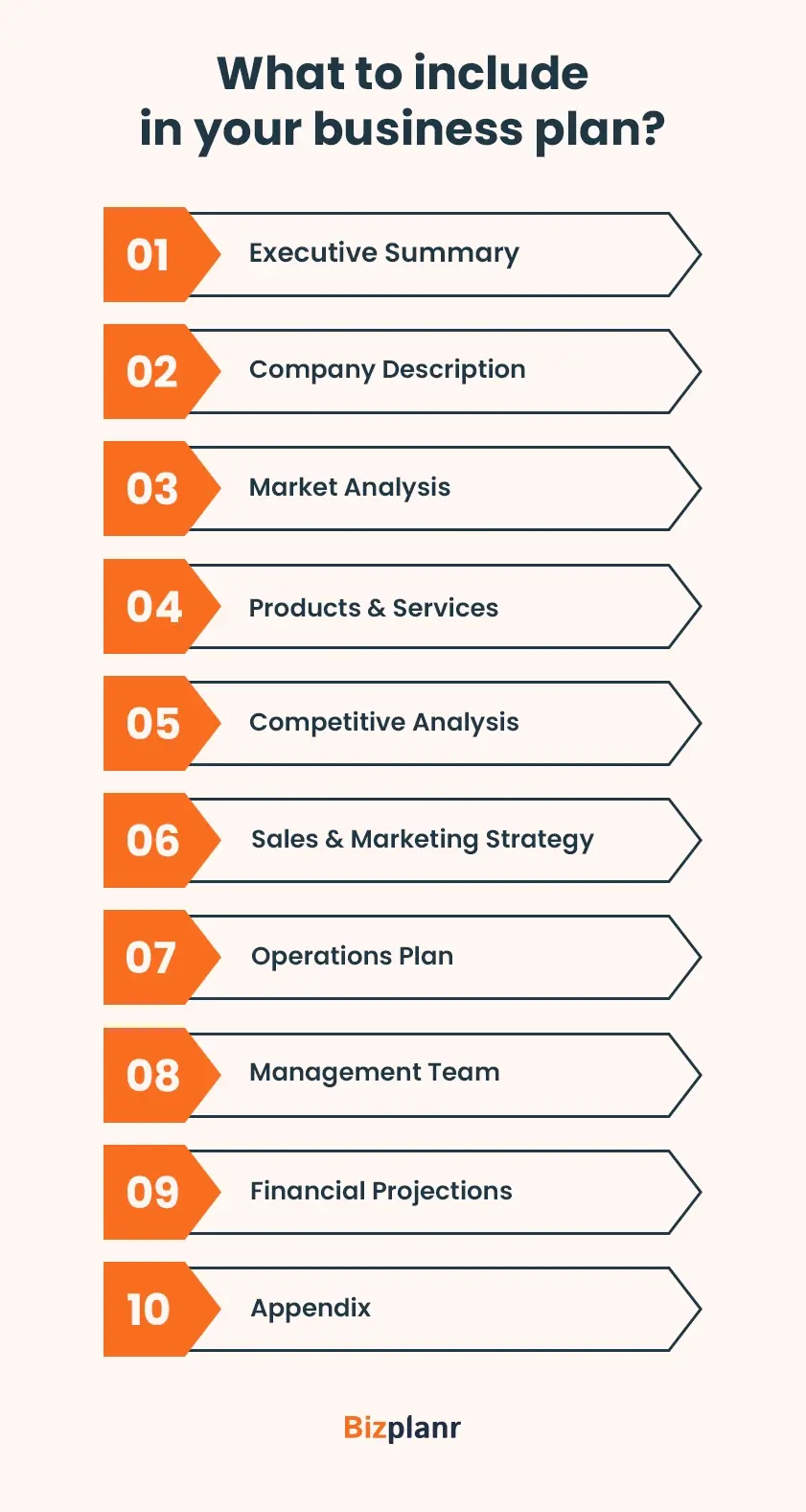
The Strategic Cornerstone: Executive Summary and Company Description
Every compelling business plan begins with a concise yet powerful introduction that captures its essence and a detailed description that grounds its identity. These initial sections are crucial, especially when appealing to potential investors or lenders who prioritize financial viability and strategic clarity.
Crafting the Compelling Executive Summary
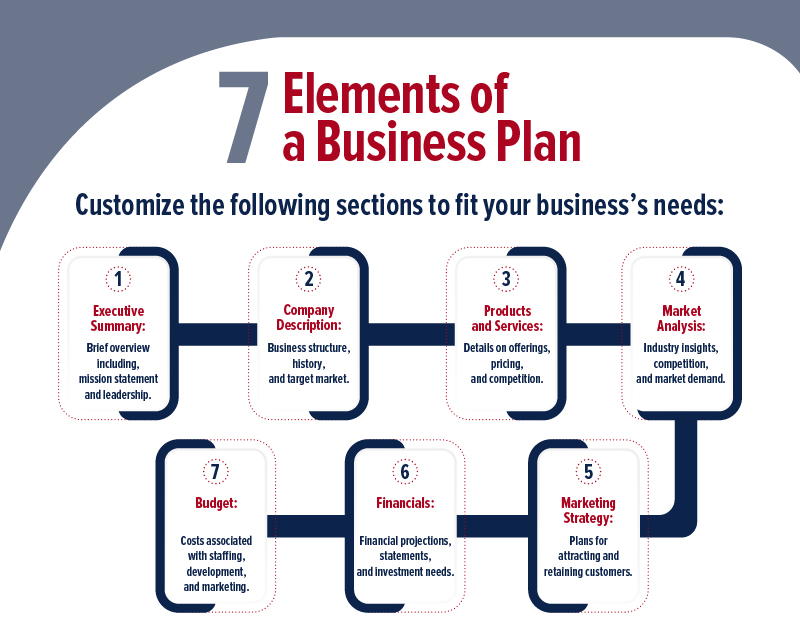
The executive summary is arguably the most vital part of your business plan. It’s a snapshot, usually one to two pages, that encapsulates the entire document. For financial stakeholders, this section must immediately highlight the opportunity, your unique solution, and the projected financial returns. It should clearly state your business concept, target market, competitive advantages, and the financial ask – specifically, how much capital you need, what it will be used for, and the expected return on investment (ROI) for lenders or equity partners. The emphasis here is on demonstrating a clear path to profitability and showing that you have a well-thought-out strategy to generate revenue and manage expenses effectively. This is where you first pitch the financial health and potential of your venture.
Defining Your Business Identity and Mission
Following the summary, the company description provides a more detailed overview of your enterprise. This includes your legal structure (e.g., sole proprietorship, partnership, corporation), the industry you operate in, and a compelling mission statement that articulates your purpose. From a financial perspective, the legal structure impacts liability, tax obligations, and fundraising capabilities. The industry analysis helps benchmark financial performance and identify market trends that could influence revenue streams and operational costs. Your vision and core values, while seemingly intangible, inform the culture and operational efficiency, indirectly impacting employee retention and overall financial performance. This section sets the stage for the specific financial calculations and projections that follow, establishing the framework within which your money will operate.
Market Analysis and Competitive Advantage: Understanding the Revenue Landscape
A business cannot thrive financially without a deep understanding of its market and how it stacks up against the competition. This section is where you demonstrate the existence of a viable revenue stream and your strategy for capturing it.
Deep Dive into Market Research
Thorough market research is the bedrock of reliable financial forecasting. This involves identifying your target customers, understanding their needs, buying behaviors, and willingness to pay. It also encompasses defining the overall market size, growth trends, and any significant market segments. For your financial plan, this research translates directly into sales projections and revenue models. An accurate understanding of your market will allow you to make realistic assumptions about customer acquisition costs, average transaction values, and potential market penetration, all of which are critical for projecting income statements and cash flows. Misjudging your market can lead to overly optimistic revenue forecasts and, subsequently, significant financial shortfalls.
Assessing the Competitive Environment
No business operates in a vacuum. A comprehensive business plan must meticulously analyze the competitive landscape. This involves identifying direct and indirect competitors, evaluating their strengths and weaknesses, and understanding their market share and pricing strategies. Crucially, you must articulate your unique selling proposition (USP) – what makes your product or service stand out and why customers will choose you over others. From a money perspective, your competitive advantage often dictates your pricing power and ability to sustain profit margins. A strong USP can justify premium pricing, while a crowded market might necessitate competitive pricing strategies that affect profitability. Understanding competitor pricing, operational costs, and market share helps refine your own financial projections and assess the feasibility of achieving your desired revenue targets.
Sales and Marketing Strategy
Once you understand your market and competitors, you need a concrete plan to reach your customers and generate revenue. Your sales and marketing strategy outlines how you will attract, convert, and retain customers. This includes detailing your marketing channels (digital, traditional, PR), sales processes, and pricing models. Each marketing channel comes with associated costs, which must be meticulously budgeted. Sales forecasts, directly linked to your marketing efforts, are a critical component of your financial projections, informing your revenue targets. This section also explores customer acquisition costs (CAC) and customer lifetime value (CLTV), both essential metrics for assessing the long-term financial health and scalability of your business. A well-defined strategy demonstrates a clear understanding of how to turn marketing investments into tangible financial returns.
Operational Framework: Bringing Your Business to Life (and Counting the Costs)
This section of the business plan outlines the practical aspects of your business, detailing how products and services are created and delivered, who is responsible for what, and the day-to-day processes. Each operational decision has direct financial implications, influencing both initial capital expenditure and ongoing operating costs.
Products and Services
Here, you provide a detailed description of what you are selling. This includes the features, benefits, and the value proposition of your products or services. From a financial viewpoint, this section is critical for determining your cost of goods sold (COGS) or cost of services. You must detail your pricing strategy (e.g., cost-plus, value-based, competitive), which directly impacts your gross profit margins. If you are developing new products, research and development (R&D) costs must be accounted for. Understanding the lifecycle of your offerings and potential for future product development impacts long-term revenue streams and capital requirements. This section directly feeds into the revenue and cost assumptions made in your financial projections.
Management Team and Organizational Structure
Investors and lenders often invest as much in the team as in the idea. This section introduces the key players behind your business, highlighting their relevant experience, expertise, and roles. For financial stakeholders, the management team’s compensation and equity stakes are significant considerations. Salaries, benefits, and potential bonuses form a substantial part of your operating expenses. Moreover, the organizational structure dictates how resources are allocated, responsibilities are distributed, and decisions are made, all of which can impact efficiency and ultimately, profitability. Demonstrating a competent and committed management team reduces perceived risk and instills confidence in your ability to execute the financial plan.
Operational Plan
The operational plan details the day-to-day processes that ensure your business runs smoothly. This includes the physical location, manufacturing processes, technology infrastructure, equipment, inventory management, and supply chain logistics. Each of these components has associated costs. Rent, utilities, equipment purchases (capital expenditure), raw material costs, production expenses, and distribution costs all contribute to your overall financial outlay. An efficient operational plan can significantly reduce costs and improve profitability, while inefficiencies can lead to financial strain. This section provides the granular detail needed to justify the expense lines in your financial statements and demonstrates a realistic understanding of the financial commitments required to run the business.
The Financial Blueprint: Projections, Funding, and Profitability
This is arguably the most critical section for anyone interested in the “money” aspect of a business plan. It’s where you translate all the previous strategic and operational details into quantifiable financial terms, demonstrating viability and potential returns.
Startup Costs and Funding Request
This sub-section meticulously details all the expenses required to get your business off the ground, from legal fees and permits to equipment, initial inventory, and marketing campaigns. It categorizes these costs into one-time startup expenses and initial operating capital. Crucially, it clearly states how much funding you are seeking, the specific purpose for which these funds will be used (e.g., equipment purchase, working capital, R&D), and the proposed structure of the funding (e.g., debt, equity, grant). For investors, this demonstrates a clear understanding of your capital needs and how their investment will be deployed to generate future returns.
Revenue Projections
Your revenue projections are a forecast of your expected sales over a specific period, typically 3-5 years. These projections should be realistic, thoroughly researched, and based on logical assumptions derived from your market analysis and sales strategy. This involves detailing your pricing strategy, sales volume, and any seasonality. Often, a break-even analysis is included, showing the point at which your total revenue equals your total costs. This provides a critical benchmark for financial viability and demonstrates when the business is expected to become profitable. Accurate revenue projections are fundamental to attracting investors and securing loans, as they directly impact potential returns.
Income Statement (Profit & Loss), Balance Sheet, and Cash Flow Projections
These three core financial statements are the heart of your business plan’s financial section:
-
Income Statement (Profit & Loss): This projects your revenues, costs of goods sold, operating expenses, and ultimately, your net profit or loss over a period (e.g., quarterly, annually). It’s the primary indicator of your business’s profitability.
-
Balance Sheet: This provides a snapshot of your business’s financial health at a specific point in time, detailing your assets (what you own), liabilities (what you owe), and owner’s equity. It demonstrates solvency and financial structure.
-
Cash Flow Projections: This is perhaps the most critical statement for new and growing businesses. It forecasts the actual movement of cash into and out of your business, highlighting liquidity. Even a profitable business can fail without sufficient cash flow. It shows how you plan to manage expenses, fund operations, and maintain a healthy cash balance.
These projections, usually presented for 3-5 years, are vital for demonstrating your business’s financial feasibility, ability to repay debt, and potential to generate investor returns.
Exit Strategy (for Investors)
While more relevant for businesses seeking equity investment, outlining an exit strategy demonstrates your understanding of an investor’s need for a return on their capital. This could involve a future acquisition by a larger company, an initial public offering (IPO), or a management buyout. For lenders, it provides confidence that the business has a long-term vision and potential for growth that ensures debt repayment. This section underscores the financial commitment and long-term planning inherent in your business strategy.
The Dynamic Document: Business Plans as Living Financial Guides
A business plan is not a static document to be filed away once funding is secured. It is a living, breathing guide that must be continually revisited and updated to reflect market changes, operational realities, and financial performance.
Why a Business Plan Isn’t a One-Time Task
The market evolves, competitors emerge, economic conditions shift, and your own business will naturally adapt and grow. Your financial assumptions, revenue projections, and operational costs from yesterday may not hold true tomorrow. Regularly reviewing and updating your business plan ensures that your financial strategies remain aligned with current realities. This iterative process helps in proactive financial management, allowing for adjustments to budgets, forecasts, and funding needs before minor issues escalate into major financial crises. It’s a tool for continuous financial health checks.

Using Your Plan for Strategic Financial Management
Beyond fundraising, the business plan serves as an invaluable internal tool for strategic financial management. It provides benchmarks for performance measurement, allowing you to compare actual financial results against your projections. This comparison is crucial for identifying variances, understanding their causes, and making informed financial decisions. It aids in budgeting, resource allocation, and identifying opportunities for cost reduction or revenue enhancement. By consistently referring to and refining your business plan, you maintain a clear focus on your financial objectives, manage risks effectively, and guide your business towards sustainable profitability and long-term financial success.
In conclusion, a business plan is the definitive financial blueprint for any venture. From its opening executive summary promising financial returns to its detailed financial projections demonstrating solvency and profitability, every component is intricately linked to the money aspect of your business. It is the comprehensive guide that not only articulates your vision but also quantifies its financial feasibility, making it an indispensable tool for entrepreneurs, investors, and anyone invested in the financial success of a business.
aViewFromTheCave is a participant in the Amazon Services LLC Associates Program, an affiliate advertising program designed to provide a means for sites to earn advertising fees by advertising and linking to Amazon.com. Amazon, the Amazon logo, AmazonSupply, and the AmazonSupply logo are trademarks of Amazon.com, Inc. or its affiliates. As an Amazon Associate we earn affiliate commissions from qualifying purchases.