
In the dynamic landscape of the 21st century, the internet has democratized entrepreneurship, offering an unparalleled avenue for individuals to transform ideas into profitable ventures. Starting a web business is no longer a futuristic concept but a tangible pathway to financial independence and wealth creation. However, the allure of low barriers to entry often overshadows the critical financial planning and shrewd monetary management required for sustainable success. This guide delves into the essential financial considerations, strategies, and principles necessary to not just launch, but to build a robust and financially thriving web business.
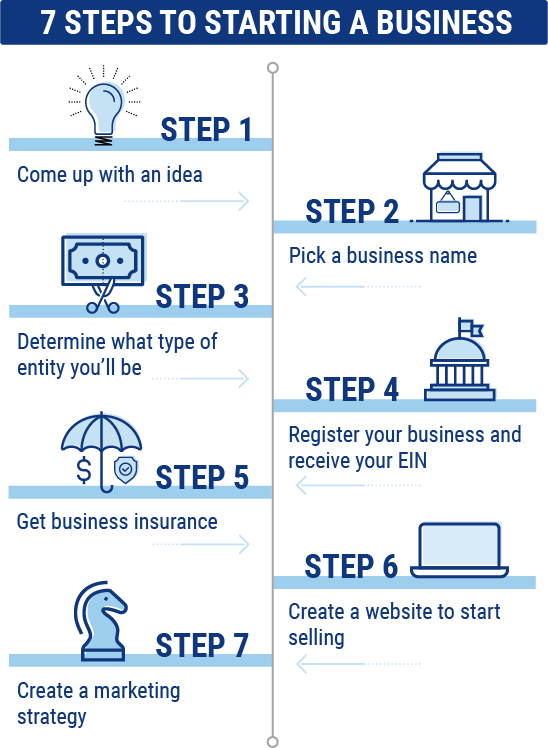
Laying the Financial Foundation: Strategic Planning for Profitability
The genesis of any successful web business is not merely a brilliant idea, but a meticulously planned financial blueprint. Before a single dollar is spent or earned, a deep dive into market viability and fiscal forecasting is paramount.
Validating Your Business Idea and Market Demand
Before committing significant capital, it’s crucial to ascertain that your web business concept addresses a genuine need in a sufficiently large and accessible market. This isn’t just about identifying a niche; it’s about understanding its revenue potential. Research the target audience’s willingness to pay, the existing pricing structures of competitors, and the overall market size. Are customers already spending money on similar solutions? What is the average transaction value? What is the potential for recurring revenue? Financial validation often precedes product validation, ensuring that your efforts will ultimately translate into profit. A seemingly innovative idea without a clear path to monetization is a costly hobby, not a business.
Crafting a Comprehensive Business Plan with Financial Projections
A robust business plan serves as your financial roadmap. It compels you to think critically about every monetary aspect of your venture. This includes detailed sections on your revenue model (how you plan to make money), your pricing strategy, a breakdown of startup costs, operational expenses, and crucially, detailed financial projections. These projections should include conservative, realistic, and optimistic scenarios for sales forecasts, profit and loss statements, cash flow analyses, and balance sheets for at least the first three to five years. This exercise helps identify potential financial bottlenecks, predict break-even points, and justify initial investments. It’s also an indispensable document when seeking external funding.
Budgeting for Initial Startup Costs
Even a “lean” web business has startup costs. These can range from essential technology infrastructure to legal compliance and initial marketing efforts. Categorize your expenses into one-time costs and recurring operational costs. One-time costs might include domain registration, website development (if outsourced), initial software licenses, legal fees for business registration, and perhaps some initial inventory. Recurring costs will encompass web hosting, software subscriptions, ongoing marketing and advertising spend, payment gateway fees, and potentially salaries or contractor payments. A meticulous budget helps prevent unexpected financial strain and ensures you have enough capital to sustain operations until profitability is achieved. Overestimating costs and underestimating revenue are common pitfalls; strive for realism.
Understanding Your Pricing Strategy and Value Proposition
Your pricing strategy is a direct determinant of your revenue and perceived value. It should be based on a comprehensive understanding of your costs, competitor pricing, and the perceived value to your customer. Are you aiming for a premium price point reflecting high value and exclusivity, or a competitive price to capture market share? Consider various models: subscription fees, one-time purchases, tiered pricing, freemium models, or transaction-based fees. Critically, your pricing must clearly articulate the financial value you provide. A strong value proposition communicates how your product or service solves a problem or fulfills a need more effectively or affordably than alternatives, thereby justifying its price and ensuring financial attractiveness to your target market.
Diverse Monetization Models for Online Success
The beauty of a web business lies in the myriad ways it can generate income. Selecting the right monetization model, or a combination thereof, is pivotal to your financial trajectory. Each model comes with its own financial implications regarding revenue predictability, scalability, and overheads.
E-commerce: Selling Products Online
E-commerce remains a cornerstone of the web business world. This involves selling physical or digital products directly to consumers through an online storefront. Financial considerations here are extensive: sourcing products (manufacturing, dropshipping, wholesale), managing inventory (and its associated holding costs), processing payments securely, handling shipping logistics, and managing returns. Profit margins are crucial and vary widely by product and industry. Digital products, such as e-books, software, or templates, often boast higher profit margins due to minimal production and delivery costs after initial development. Success hinges on efficient supply chains, effective marketing, and a seamless customer experience that encourages repeat purchases and customer lifetime value (CLTV).
Service-Based Web Businesses: Trading Expertise for Revenue
For those with specialized skills, a service-based web business offers a direct path to monetizing expertise. This includes consulting, freelance writing, web design, online coaching, virtual assistance, or delivering specialized digital services. The financial model here often involves charging hourly rates, project-based fees, or retainer agreements. Key financial advantages include lower startup costs (as inventory is replaced by skill), and higher profit margins. However, scalability can be limited by the availability of your time or the capacity of your team. The focus is on valuing your time and expertise appropriately, building a strong reputation to command premium rates, and efficiently managing your project pipeline and client relationships to ensure consistent income.
Content Monetization: Advertising, Affiliates, and Premium Content
If your web business centers around creating valuable content (blogs, podcasts, videos), there are multiple avenues for financial gain. Advertising revenue, often through display ads (e.g., Google AdSense) or sponsored content, scales with audience size and engagement. Affiliate marketing involves earning commissions by promoting other companies’ products or services, requiring no inventory but a strong, trusting audience. Offering premium content, such as exclusive articles, webinars, or members-only communities, allows you to charge directly for enhanced value. These models often require significant upfront investment in content creation and audience building before substantial revenue materializes, but once established, they can generate passive or semi-passive income streams with high scalability.
Subscription and Membership Models: Recurring Revenue Streams
The holy grail of many web businesses is recurring revenue. Subscription and membership models provide predictable income streams, allowing for better financial forecasting and stability. This could involve software-as-a-service (SaaS) products, exclusive content access, online courses with ongoing support, or curated product boxes. The financial focus shifts to customer acquisition cost (CAC) and customer retention. A high customer lifetime value (CLTV) relative to CAC is essential for long-term profitability. Strategies for success include offering tiered pricing plans, constantly adding value to justify ongoing payments, and minimizing churn rates through excellent customer service and engagement. The initial investment in product or platform development can be significant, but the long-term financial rewards are substantial.
Funding Your Web Business: Sourcing Capital for Growth
Every web business, regardless of how lean it aims to be, requires some form of capital. Understanding your funding options and their financial implications is critical for both launching and scaling your venture.
Bootstrapping: Leveraging Personal Capital and Lean Operations
Bootstrapping means funding your business entirely with personal savings or revenue generated from early sales. This approach necessitates extreme fiscal discipline, minimal overheads, and a relentless focus on profitability from day one. Financially, it offers immense freedom and full ownership, as you incur no debt and surrender no equity. However, it can limit growth potential initially and places personal financial assets at risk. Successful bootstrappers often start with a minimum viable product (MVP), reinvest profits aggressively, and continuously seek ways to optimize expenses, ensuring every dollar spent contributes directly to revenue generation.
Exploring Small Business Loans and Lines of Credit
For those needing external capital without diluting ownership, traditional debt financing can be a viable option. Small business loans, offered by banks and credit unions, typically come with fixed repayment schedules and interest rates. A line of credit offers more flexibility, allowing businesses to borrow up to a certain limit as needed, repaying and re-borrowing as cash flow fluctuates. The financial implications include interest payments, which reduce profitability, and the obligation for timely repayment, regardless of business performance. Lenders will scrutinize your business plan, financial projections, and personal credit history, demanding a clear understanding of your capacity to service the debt.
Attracting Angel Investors and Venture Capital
If your web business has high growth potential and requires substantial capital to scale rapidly, angel investors or venture capitalists (VCs) may be appropriate. Angel investors are high-net-worth individuals who provide seed funding in exchange for equity. Venture capital firms invest larger sums in more mature startups, also in exchange for significant equity stakes. The financial upside is substantial capital injection and often invaluable mentorship. The downside is diluting your ownership and giving up a portion of future profits. The financial due diligence process is rigorous, focusing on scalability, market opportunity, team expertise, and a clear exit strategy for their investment (e.g., acquisition or IPO). This route is less about small business finance and more about high-stakes investment finance.
Crowdfunding: Tapping into Community Investment
Crowdfunding platforms (e.g., Kickstarter, Indiegogo) allow you to raise small amounts of capital from a large number of individuals, often in exchange for a product pre-order, unique perks, or even a small equity stake. From a financial perspective, reward-based crowdfunding can serve as a powerful market validation tool and generate initial sales without giving up equity or incurring debt. Equity crowdfunding, where investors receive a share of the company, is also growing. The financial challenge lies in setting realistic funding goals, effectively marketing your campaign, and fulfilling promises to your backers, all while managing platform fees and payment processing costs. It offers an innovative way to secure funding while simultaneously building a loyal customer base.
Financial Management for Sustainable Growth and Profitability
Securing initial funding is just the beginning. The ongoing financial health of your web business hinges on rigorous financial management, enabling informed decision-making and ensuring long-term profitability.
Implementing Robust Bookkeeping and Accounting Systems
Accurate and timely bookkeeping is the bedrock of sound financial management. It involves meticulously recording all financial transactions – income, expenses, assets, and liabilities. Implementing appropriate accounting software (e.g., QuickBooks, Xero) can automate much of this process. This allows for the generation of critical financial statements: the income statement (profit & loss), balance sheet, and cash flow statement. These reports provide a clear snapshot of your business’s financial performance and position, helping you understand where money is coming from, where it’s going, and how profitable your operations truly are. Without this clarity, strategic financial decisions are made in the dark.
Managing Cash Flow Effectively
Cash flow is the lifeblood of any business. It refers to the movement of money in and out of your web business. Even a profitable business can fail if it runs out of cash. Effective cash flow management involves forecasting your income and expenses to anticipate periods of surplus or deficit. This allows you to plan for necessary operational expenses, make timely payments to suppliers, and ensure liquidity. Strategies include optimizing billing cycles, managing inventory efficiently to avoid tied-up capital, and establishing a financial reserve. Proactive cash flow management prevents financial crises and ensures the business has the necessary funds to operate and grow.
Analyzing Key Financial Metrics and Performance Indicators
Beyond basic financial statements, specific key performance indicators (KPIs) offer deeper insights into your web business’s financial health and operational efficiency. For an e-commerce business, metrics like customer acquisition cost (CAC), customer lifetime value (CLTV), average order value (AOV), and conversion rates are critical. For subscription models, churn rate, monthly recurring revenue (MRR), and annual recurring revenue (ARR) are paramount. Analyzing these KPIs regularly allows you to identify trends, pinpoint areas for improvement, and make data-driven decisions that directly impact profitability, such as optimizing marketing spend to lower CAC or improving customer service to increase CLTV.
Strategic Financial Forecasting and Risk Mitigation
Financial forecasting is the process of estimating future financial outcomes based on historical data and projected market conditions. This includes sales forecasts, expense budgets, and cash flow projections. Good forecasting allows you to set realistic financial goals, allocate resources effectively, and prepare for potential challenges. Risk mitigation involves identifying potential financial threats (e.g., economic downturns, increased competition, technological shifts) and developing strategies to minimize their impact. This could include building an emergency fund, diversifying revenue streams, hedging against currency fluctuations, or securing business insurance. Proactive financial planning protects your web business against unforeseen financial shocks and fosters long-term stability.

Tax Planning and Compliance
Navigating the complexities of tax regulations is a critical financial responsibility for any web business. This involves understanding your obligations regarding income tax, sales tax (VAT/GST), and potentially payroll taxes. Effective tax planning aims to minimize your tax burden legally, taking advantage of applicable deductions and credits. Engaging with a qualified accountant or tax professional is highly advisable to ensure compliance, avoid penalties, and optimize your financial position. Ignoring tax obligations can lead to significant financial repercussions, undermining all other efforts to build a profitable enterprise.
Starting a web business is an exciting journey brimming with potential. However, its success is inextricably linked to astute financial planning, diligent management, and a deep understanding of monetary principles. By meticulously laying your financial foundation, selecting appropriate monetization models, strategically sourcing capital, and rigorously managing your finances, you can transform your online venture into a sustainable, profitable, and financially rewarding enterprise.
aViewFromTheCave is a participant in the Amazon Services LLC Associates Program, an affiliate advertising program designed to provide a means for sites to earn advertising fees by advertising and linking to Amazon.com. Amazon, the Amazon logo, AmazonSupply, and the AmazonSupply logo are trademarks of Amazon.com, Inc. or its affiliates. As an Amazon Associate we earn affiliate commissions from qualifying purchases.