
Starting a company is an ambitious endeavor, a journey fraught with both immense potential and significant challenges. While vision, innovation, and perseverance are critical, the bedrock upon which any successful startup is built is sound financial planning and management. Far from being a mere byproduct, money is the lifeblood, the fuel, and often the ultimate metric of a startup’s viability and success. This article delves into the financial intricacies of launching and scaling a startup, providing a roadmap through the critical monetary considerations that underpin every stage of your entrepreneurial journey.
1. Laying the Financial Foundation: From Idea to Viable Business Model
Every startup begins with an idea, but transforming that idea into a functional business requires a rigorous financial assessment from the outset. Before a single line of code is written or a product is designed, entrepreneurs must meticulously evaluate the economic realities of their concept.

Validating Your Idea with Market Economics
The first step in any startup journey, especially from a financial perspective, is market validation. This isn’t just about whether people like your idea, but whether they are willing to pay for it, and if there’s a large enough market to sustain a profitable venture.
-
Market Size & Demand: Research the total addressable market (TAM), serviceable available market (SAM), and serviceable obtainable market (SOM). Understand the existing demand and potential for new demand. Is the market growing or shrinking? What is the purchasing power of your target customers?
-
Competitive Analysis: Identify direct and indirect competitors. Analyze their pricing strategies, revenue models, customer acquisition costs, and profitability. This provides crucial benchmarks for your own financial projections and helps identify potential pricing floors and ceilings.
-
Problem-Solution Fit & Willingness to Pay: Conduct surveys, interviews, and pilot programs to confirm that your solution genuinely addresses a significant problem, and that customers perceive enough value to open their wallets. A great idea that no one will pay for is not a viable business.
Crafting a Sustainable Business Model
Your business model defines how your startup creates, delivers, and captures value. From a financial standpoint, this is about identifying how your venture will generate revenue and sustain profitability.
-
Revenue Streams: What will you sell? Products, services, subscriptions, licenses, advertising, freemium models, or a combination? Clearly define each potential revenue stream and estimate its potential contribution.
-
Pricing Strategy: How will you price your offerings? Cost-plus, value-based, competitive pricing, penetration pricing, or premium pricing? Your pricing must cover costs, reflect perceived value, and allow for a healthy profit margin while remaining attractive to your target market.
-
Key Costs: Identify all significant costs associated with delivering your value proposition. This includes direct costs (cost of goods sold – COGS), operational costs (salaries, rent, utilities), marketing expenses, research and development, and administrative overhead.
-
Scalability: Can your business model grow without a proportional increase in costs? Highly scalable models often leverage technology or intellectual property, allowing for exponential growth without linear increases in expenses, thereby improving profit margins over time.
Initial Cost Estimation and Budgeting
Before seeking external funding or even committing significant personal capital, develop a detailed breakdown of your startup’s initial financial needs. This foundational budget will serve as your financial blueprint.
-
Startup Costs: These are one-time expenses incurred before you begin operations. Examples include legal fees for incorporation, intellectual property registration, initial product development or prototyping, equipment purchases, website development, and initial marketing campaigns.
-
Operating Expenses (OpEx): These are ongoing costs required to run the business. Categorize them into fixed costs (rent, salaries, insurance) and variable costs (raw materials, production costs tied to volume, sales commissions).
-
Runway Calculation: Based on your estimated OpEx, determine how long your initial capital will last without any revenue coming in. This “runway” is critical for planning and demonstrates financial prudence to potential investors. Aim for at least 12-18 months of runway for a healthy buffer.
-
Break-Even Analysis: Calculate the point at which your total revenue equals your total costs. Understanding your break-even point is crucial for setting sales targets and evaluating the financial feasibility of your business model.
2. Securing the Fuel: Funding Your Vision
No matter how brilliant your idea or how robust your business plan, a startup needs capital to get off the ground and scale. Understanding the various funding avenues and choosing the right one for your stage and needs is paramount.
Bootstrapping and Personal Investment
Bootstrapping, or self-funding, is often the first and most challenging route. It involves using personal savings, credit cards, or revenue generated early on to finance operations.
-
Advantages: Complete control over your company, no dilution of equity, forces financial discipline and lean operations.
-
Disadvantages: Limited capital often restricts growth, higher personal financial risk, slower scaling.
-
Strategy: Maximize personal investment, minimize expenses, and focus intensely on generating early revenue to become self-sufficient as quickly as possible. This approach often leads to more resilient and sustainable businesses in the long run.
Exploring Angel Investors and Venture Capital
Once a startup demonstrates initial traction and requires significant capital for rapid growth, external equity financing becomes a viable option.
-
Angel Investors: High-net-worth individuals who invest their own money into early-stage companies, often in exchange for equity. They typically provide smaller investments than VCs and may offer mentorship.
-
Venture Capital (VC): Funds managed by professional investors that invest pooled money from limited partners (e.g., pension funds, endowments) into high-growth potential startups in exchange for significant equity. VCs typically invest larger sums and expect substantial returns within a specific timeframe (5-7 years).
-
Readiness: To attract angels or VCs, you need a compelling pitch deck, a detailed financial model (including projections), a strong team, and often, proof of concept or early customer traction. Valuation becomes a key discussion point, requiring a clear understanding of your company’s worth and future potential.
Grants, Crowdfunding, and Debt Financing
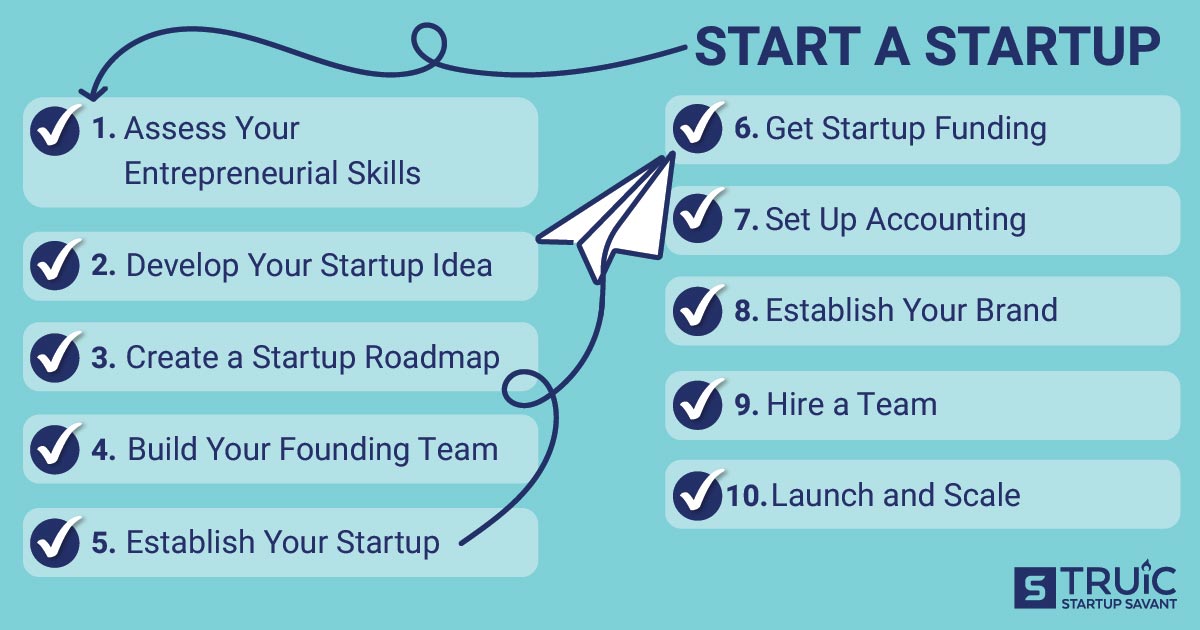
Beyond equity and personal funds, several other financial avenues exist, each with its own characteristics and suitability.
-
Grants: Non-dilutive funding, often from government agencies, non-profits, or foundations, for startups addressing specific societal problems or developing innovative technologies. They require meticulous application processes but don’t demand equity in return.
-
Crowdfunding: Raising small amounts of money from a large number of people, typically through online platforms. This can be equity-based (investors receive shares), reward-based (donors receive a product/perk), or donation-based. It also serves as a powerful marketing and validation tool.
-
Debt Financing: Securing a loan from banks or alternative lenders. This typically involves fixed repayment schedules and interest.
-
Pros: No equity dilution, retain full ownership.
-
Cons: Requires strong credit history, collateral, or sufficient cash flow for repayment. Risk of default. Often more accessible for established businesses than early-stage startups.
-
Types: Small business loans, lines of credit, convertible notes (debt that converts to equity at a later funding round).
-
3. Mastering Startup Finance: Operations and Profitability
Securing funding is just the beginning. The ongoing financial management of your startup determines its operational efficiency, sustainability, and ultimate profitability.
Cash Flow Management: The Lifeblood of Your Startup
Cash flow is arguably more critical than profit in the early stages of a startup. A profitable company can still fail if it runs out of cash.
-
Forecasting: Develop accurate cash flow forecasts, projecting incoming and outgoing cash over short-term (weekly, monthly) and long-term (quarterly, annually) periods. Identify potential cash shortages before they occur.
-
Monitoring: Regularly track actual cash inflows (sales, funding) and outflows (expenses, payroll). Reconcile against your forecasts and adjust strategies as needed.
-
Working Capital: Manage your working capital (current assets minus current liabilities) effectively. Optimize accounts receivable (get paid faster) and accounts payable (pay strategically without damaging relationships).
-
Emergency Reserve: Maintain a cash reserve for unexpected expenses or downturns. This buffer is crucial for surviving lean periods.
Pricing Strategies for Sustainable Growth
Pricing is a dynamic financial lever that directly impacts revenue, profitability, and market positioning.
-
Value-Based Pricing: Pricing based on the perceived value your product or service delivers to the customer, rather than just cost. This often allows for higher margins.
-
Cost-Plus Pricing: Adding a markup percentage to your total cost per unit. Simple but may not reflect market demand or perceived value.
-
Competitive Pricing: Setting prices relative to competitors. Requires a deep understanding of the competitive landscape and your unique selling proposition.
-
Tiered Pricing: Offering different versions or packages of your product/service at various price points to cater to different customer segments and needs.
-
Dynamic Pricing: Adjusting prices in real-time based on demand, supply, and other market factors.
Regularly review and adjust your pricing strategy as your costs, market conditions, and value proposition evolve.
Understanding Unit Economics and Profit Margins
Unit economics examines the revenues and costs associated with a business’s individual unit. This micro-level financial analysis is fundamental to understanding overall profitability.
-
Customer Acquisition Cost (CAC): The total cost of sales and marketing divided by the number of new customers acquired over a specific period. A low CAC is desirable.
-
Customer Lifetime Value (CLTV): The total revenue a customer is expected to generate over their relationship with your company. Ideally, CLTV should be significantly higher than CAC (e.g., 3:1 ratio or more).
-
Gross Margin: Revenue minus Cost of Goods Sold (COGS). This indicates the profitability of your core product or service before overhead.
-
Net Profit Margin: The percentage of revenue left after all expenses, including taxes, have been deducted.
By optimizing unit economics and improving profit margins, startups can demonstrate a path to sustainable, scalable growth, making them more attractive to investors and ensuring long-term financial health.
4. Scaling and Exiting: Financial Growth and Future Strategies
As a startup matures, financial strategy shifts from mere survival to optimized growth, strategic investment, and ultimately, maximizing shareholder value through various exit strategies.
Financial Metrics for Growth and Performance Tracking
To effectively manage and scale, you need a robust system for tracking key financial performance indicators (KPIs).
-
Revenue Growth Rate: How quickly your revenue is increasing.
-
Burn Rate: The rate at which your company is spending its cash. Crucial for managing runway.
-
Customer Churn Rate: The percentage of customers who stop using your service over a given period. High churn significantly impacts CLTV.
-
Return on Investment (ROI): Measures the profitability of investments, whether in marketing campaigns, new product features, or personnel.
-
EBITDA (Earnings Before Interest, Taxes, Depreciation, and Amortization): A measure of operational profitability, often used to compare companies and assess cash flow potential.
Implement financial dashboards and use accounting software to provide real-time insights into these metrics, enabling data-driven decision-making.
Strategic Financial Planning for Expansion
Growth requires thoughtful financial planning, identifying where to invest capital to generate the highest returns.
-
Capital Expenditure (CapEx) Planning: Decisions around investing in new equipment, facilities, or technology infrastructure. These long-term investments require careful ROI analysis.
-
Market Expansion Analysis: Financially evaluate entering new markets or launching new product lines. This includes market research, forecasting new revenue streams, and estimating the additional operational and marketing costs.
-
Talent Investment: Plan for scaling your team, including salaries, benefits, and recruitment costs. Attracting and retaining top talent is a significant investment that needs to be budgeted for strategically.
-
M&A Considerations: For some startups, growth may involve acquiring smaller companies or competitors. Financial due diligence and valuation are paramount in such strategic moves.

Understanding Valuation and Exit Strategies
For many founders and investors, the ultimate financial goal of a startup is a successful exit that provides a significant return on investment.
-
Valuation: The process of determining the present worth of a company. Various methods exist (e.g., discounted cash flow, multiples of revenue/EBITDA, venture capital method). Understanding your company’s valuation is critical for fundraising, potential acquisitions, and exit planning.
-
Initial Public Offering (IPO): Taking the company public by offering its shares on a stock exchange. This is typically for large, mature, and highly profitable companies, allowing founders and investors to sell their shares to the public. It’s a complex, expensive, and highly regulated process.
-
Acquisition (M&A): Selling the company to a larger corporation. This is the most common exit strategy for startups. Buyers are often looking for market share, technology, talent, or synergistic opportunities. The sale price is heavily influenced by valuation, market conditions, and competitive interest.
-
Secondary Sales: Founders or early investors sell their shares to other investors (often VCs or private equity firms) before an IPO or acquisition. This provides liquidity without a full company exit.
-
Liquidation: The worst-case scenario where the company’s assets are sold off to pay creditors, and any remaining funds are distributed to shareholders. While an undesirable outcome, understanding the legal and financial implications is part of comprehensive planning.
Ultimately, “how to make a startup” boils down to how effectively you can build a sustainable, profitable, and valuable business. By prioritizing robust financial planning, judiciously managing resources, strategically securing funding, and constantly optimizing for profitability, entrepreneurs can significantly enhance their chances of turning an initial idea into a thriving enterprise and achieving their ultimate financial objectives.
aViewFromTheCave is a participant in the Amazon Services LLC Associates Program, an affiliate advertising program designed to provide a means for sites to earn advertising fees by advertising and linking to Amazon.com. Amazon, the Amazon logo, AmazonSupply, and the AmazonSupply logo are trademarks of Amazon.com, Inc. or its affiliates. As an Amazon Associate we earn affiliate commissions from qualifying purchases.