
In an increasingly digitized world, the allure of establishing an online business has never been stronger. It promises flexibility, global reach, and often, lower overheads compared to traditional brick-and-mortar ventures. However, at its core, an online business, like any other, is a financial endeavor. Its success hinges not just on a brilliant idea or cutting-edge technology, but on meticulous financial planning, shrewd money management, and a relentless focus on profitability. This guide delves into the essential financial considerations for building, sustaining, and scaling a lucrative online enterprise, ensuring your venture isn’t just a passion project, but a robust engine for wealth creation.
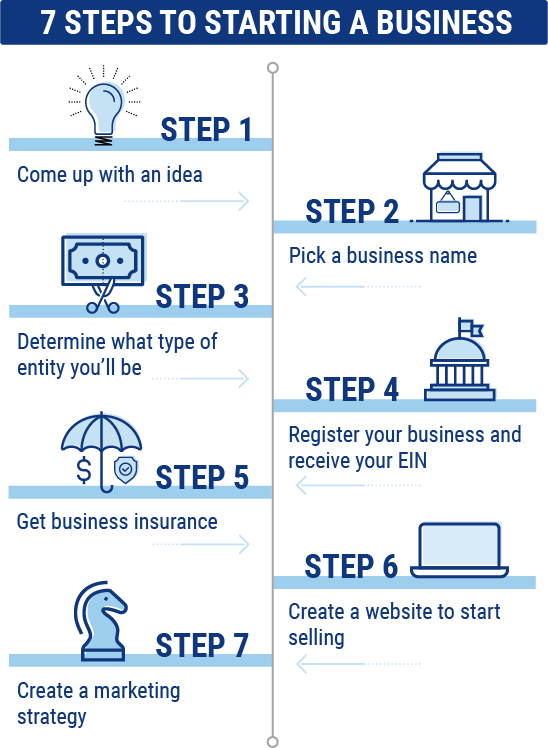
Laying the Financial Foundation: Niche Selection and Business Models
The journey to a profitable online business begins long before a website is built or a product is launched. It starts with strategic financial thinking – identifying where money can be made, how it will be generated, and what initial investment will be required.
Identifying Profitable Niches and Market Gaps
The first financial decision is choosing a niche. A niche isn’t just an area of interest; it’s a specific segment of the market with identifiable needs and, crucially, the willingness and ability to pay for solutions.
-
Market Research for Demand: Utilize tools like Google Trends, keyword research platforms, and social media analytics to gauge demand for products or services. Look for areas where people are actively searching for solutions and where competition might be present but not saturated. A high search volume combined with high commercial intent keywords can indicate a financially promising niche.
-
Problem-Solving for Profit: The most successful businesses solve problems. Identify pain points in a specific audience and consider how your online business can offer a unique, value-driven solution. The greater the perceived value of your solution, the more you can command in terms of pricing.
-
Audience Spending Habits: Research the demographics and psychographics of your target audience. Do they have disposable income? Are they accustomed to purchasing online? Understanding their spending habits is critical for projecting revenue and setting appropriate price points.
Choosing a Financially Viable Business Model
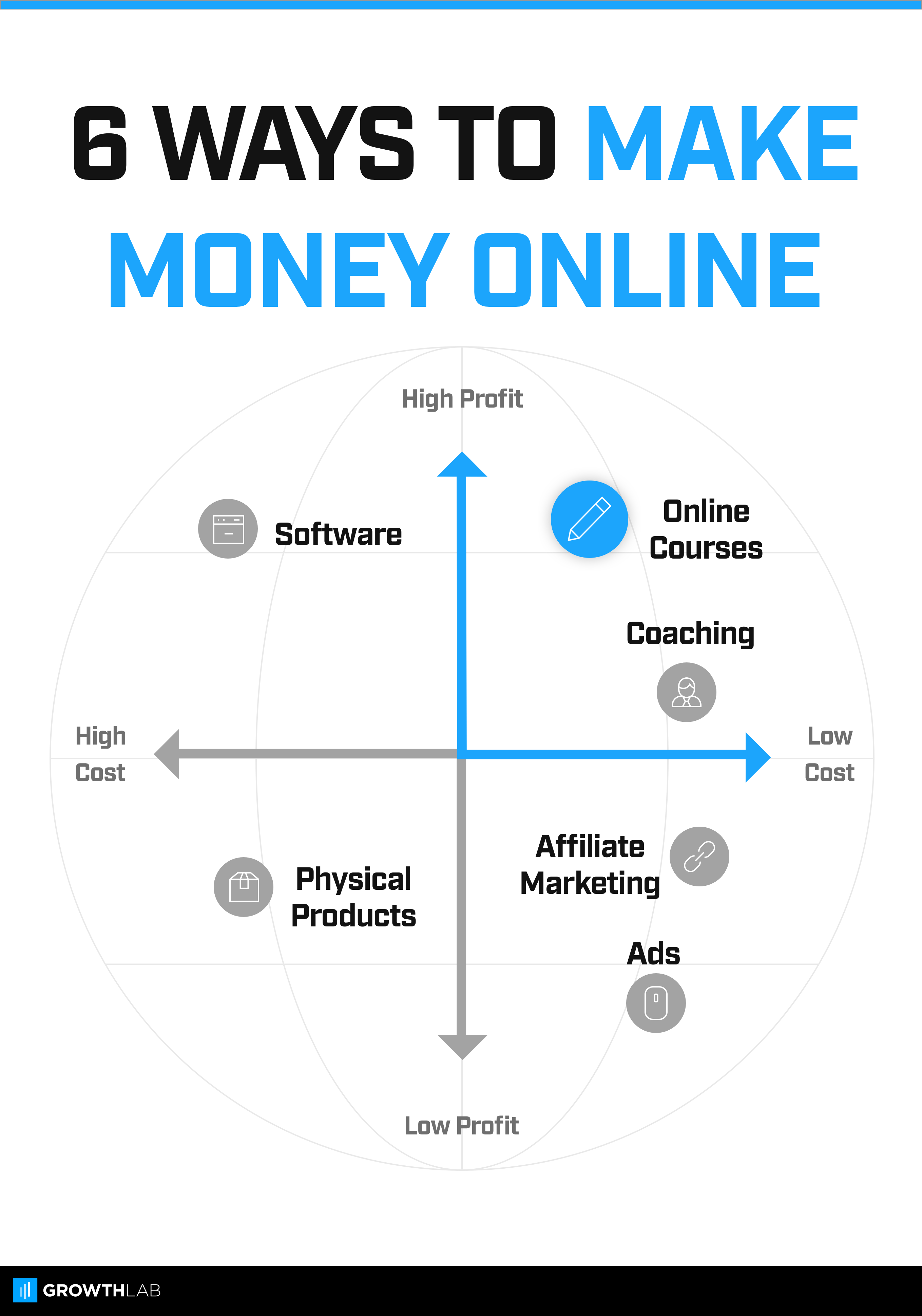
Once a niche is identified, selecting the right business model dictates how money flows into your venture. Each model has distinct financial implications concerning upfront costs, revenue streams, and scalability.
-
E-commerce (Product Sales): This involves selling physical or digital products. Financial considerations include inventory management (cost of goods sold, warehousing), shipping costs, payment processing fees, and potential customs duties for international sales.
-
Service-Based Businesses: Offering skills or expertise (e.g., consulting, coaching, freelance design/writing). This often has lower startup costs, as inventory is your time and skill. Revenue is directly tied to billable hours or project fees.
-
Digital Products (Courses, E-books, Software): High upfront development costs but virtually zero cost of goods sold once created, leading to high-profit margins and excellent scalability.
-
Affiliate Marketing: Promoting other companies’ products/services and earning a commission. Very low startup costs, but revenue depends entirely on conversion rates and commission structures.
-
Subscription Models: Charging recurring fees for access to content, software, or products. Provides predictable recurring revenue (MRR/ARR), which is highly valued by investors, but requires continuous value delivery.
-
Advertising/Content Monetization: Generating revenue through ads displayed on a website or content platform. Requires significant traffic volume to become financially viable.
Understanding Startup Costs and Initial Investment
Every online business, regardless of how “lean” it aims to be, requires some form of initial financial outlay. Accurately estimating these costs is crucial for avoiding early financial distress.
-
Essential Infrastructure: Domain registration, web hosting, e-commerce platform fees (Shopify, WooCommerce, etc.), professional email services.
-
Software and Tools: Accounting software, project management tools, email marketing services, CRM, graphic design subscriptions, analytics tools.
-
Product/Service Development: Costs associated with creating digital products, initial inventory for e-commerce, or specialized training/certifications for service providers.
-
Marketing and Advertising: Initial budget for paid ads (Google, social media), content creation, SEO efforts, and potentially influencer collaborations.
-
Legal and Administrative: Business registration fees, legal advice, obtaining necessary licenses or permits, setting up payment gateways.
-
Working Capital: Funds to cover operational expenses during the initial period before significant revenue is generated. This “runway” is critical for survival.
Funding Your Venture and Managing Cash Flow
Securing capital and then diligently managing the flow of money in and out of your business are non-negotiable aspects of long-term financial health.
Securing Capital: Bootstrapping, Loans, and Investors
How you fund your initial operations significantly impacts your financial independence and growth trajectory.
-
Bootstrapping: Funding the business entirely from personal savings or initial sales. This is often the leanest approach, maximizing ownership and control, but can limit the speed of growth due to constrained capital. It demands extreme financial discipline and creativity in resource allocation.
-
Small Business Loans: Traditional bank loans or SBA-backed loans can provide significant capital. Requires a solid business plan, financial projections, and often personal collateral. Interest rates and repayment schedules must be factored into financial forecasts.
-
Crowdfunding: Platforms like Kickstarter or Indiegogo allow you to raise funds from a large number of individuals, often in exchange for early access to products or other rewards. This can also validate market demand for your product.
-
Angel Investors/Venture Capital: For high-growth potential businesses, external investors can provide substantial capital in exchange for equity. This involves rigorous pitches, valuation discussions, and relinquishing a portion of ownership and control. While offering significant financial injection, it also brings external pressures for rapid growth and returns.
Developing a Robust Budget and Financial Projections
A detailed budget and realistic financial projections are your financial roadmap. They provide clarity, guide decision-making, and are essential for attracting external funding.
-
Operating Budget: A comprehensive breakdown of all anticipated expenses (fixed and variable) over a specific period (monthly, quarterly, annually). This includes infrastructure costs, marketing spend, salaries, software subscriptions, and unforeseen contingencies.
-
Revenue Projections: Based on market research, pricing strategy, and conversion rate assumptions, project your expected sales volume and revenue. Be conservative in your initial estimates and aim for realistic growth curves.
-
Profit and Loss (P&L) Statement: Project your net profit by subtracting total expenses from total revenue. This helps you understand the profitability of your venture over time.
-
Cash Flow Statement: Forecast the movement of cash into and out of your business. This is distinct from profit; a profitable business can still run out of cash if expenses are paid before revenue is collected. Managing cash flow is paramount for liquidity.
Mastering Cash Flow Management for Sustainability
Cash flow is the lifeblood of any business. Poor cash flow management is a leading cause of business failure, even for profitable ventures.
-
Monitor Inflows and Outflows: Implement a system to track all money coming in (sales, payments) and going out (expenses, salaries, vendor payments) daily or weekly. Accounting software is indispensable here.
-
Optimize Payment Terms: If selling services, establish clear payment terms (e.g., upfront deposits, net 30, milestones) to ensure timely collection. For products, ensure efficient payment processing.
-
Manage Expenses Proactively: Regularly review all expenses. Identify areas for cost reduction without compromising quality or essential operations. Negotiate with vendors, explore alternative suppliers, and consolidate subscriptions.
-
Build a Cash Reserve: Maintain a financial buffer for unexpected expenses or downturns. Aim for at least 3-6 months of operating expenses in reserve.
Revenue Generation and Strategic Pricing
Generating consistent revenue and setting the right prices are critical levers for financial success. It’s not just about making sales, but making profitable sales.
Crafting Effective Pricing Strategies
Pricing is a powerful financial tool that directly impacts revenue, perceived value, and profitability.
-
Cost-Plus Pricing: Calculate your total cost (direct costs, overheads) for a product or service, then add a desired profit margin. Simple, but may not reflect market value.
-
Value-Based Pricing: Price based on the perceived value your product/service provides to the customer, rather than just your costs. This often allows for higher margins, especially for unique solutions or premium offerings.
-
Competitive Pricing: Analyze competitor pricing and position your offering accordingly (e.g., lower, similar, premium). Be careful not to engage in price wars that erode profit margins.
-
Tiered Pricing/Bundling: Offer different versions of your product/service at varying price points or bundle multiple offerings together. This caters to different customer segments and can increase average transaction value.
-
Psychological Pricing: Utilizing strategies like ending prices in .99 or offering limited-time discounts to influence purchasing decisions and perceived value.
-
Dynamic Pricing: Adjusting prices in real-time based on demand, inventory, or other market factors, common in e-commerce and travel.
Diversifying Income Streams
Reliance on a single income stream can be precarious. Diversifying revenue sources provides financial stability and new avenues for growth.
-
Product Extensions: If selling services, consider creating digital products (e-books, courses) as passive income streams. If selling products, explore complementary accessories or subscriptions.
-
Affiliate Partnerships: Monetize your audience by promoting relevant, high-quality products or services from other businesses for a commission.
-
Advertising/Sponsorships: If you build a significant audience (blog, podcast, YouTube channel), consider monetizing through ads, sponsored content, or brand partnerships.
-
Consulting/Coaching: Leverage your expertise to offer premium, one-on-one services, complementing a product-based business.
Key Performance Indicators for Financial Health
Regularly monitoring financial KPIs is essential for understanding your business’s performance and making data-driven decisions.
-
Customer Acquisition Cost (CAC): The total cost to acquire a new customer. Essential for evaluating marketing efficiency.
-
Customer Lifetime Value (CLTV): The total revenue a business can expect to generate from a single customer account over the average period of relationship. Comparing CLTV to CAC indicates profitability.
-
Gross Profit Margin: Revenue minus cost of goods sold, expressed as a percentage. Shows the profitability of your core products/services.
-
Net Profit Margin: Net profit (after all expenses, including taxes) as a percentage of revenue. The ultimate measure of overall business profitability.
-
Return on Investment (ROI): The profitability of various investments (e.g., marketing campaigns, new software). Helps prioritize spending.
-
Burn Rate: How quickly your business is spending its cash reserves, especially relevant for bootstrapped or venture-backed startups.
Financial Growth, Scalability, and Long-Term Planning
Building an online business isn’t just about making money today; it’s about creating a sustainable, scalable financial asset for the future.
Strategies for Sustainable Revenue Growth
Growth should be strategic and financially sound, not just growth for growth’s sake.
-
Optimize Conversion Rates: Improve your website’s ability to turn visitors into paying customers. Small improvements here can significantly boost revenue without increasing marketing spend.
-
Increase Average Order Value (AOV): Implement upselling, cross-selling, and product bundling strategies to encourage customers to spend more per transaction.
-
Retain Customers: It’s often cheaper to retain an existing customer than to acquire a new one. Focus on excellent customer service, loyalty programs, and personalized communication to encourage repeat purchases and reduce churn.
-
Expand Market Reach: Once proven in your initial niche, consider expanding to new geographical markets or target demographics, carefully evaluating the financial viability and required investment.
-
New Product/Service Development: Continuously innovate and introduce new offerings that align with your market’s evolving needs, ensuring a fresh revenue pipeline.
Reinvesting Profits and Scaling Operations
Strategic reinvestment of profits is crucial for accelerating growth and building long-term value.
-
Growth Marketing: Allocate a portion of profits back into marketing and advertising campaigns to acquire more customers.
-
Technology and Infrastructure Upgrades: Invest in better software, faster hosting, or more robust e-commerce platforms to improve efficiency and customer experience.
-
Talent Acquisition: Hire skilled individuals to manage increasing workloads, specialize functions (e.g., marketing, finance, customer support), and enable you to focus on strategic growth.
-
Product/Service Enhancement: Invest in research and development to improve existing offerings or create new ones, maintaining a competitive edge.
-
Automation: Invest in automation tools to streamline repetitive tasks, freeing up human resources for more strategic work and reducing operational costs in the long run.
Tax Implications and Financial Compliance
Ignoring financial compliance and tax obligations can lead to severe penalties and jeopardize your business.
-
Understand Business Structure: Whether you operate as a sole proprietorship, LLC, or corporation impacts your tax obligations and financial liability. Consult with an accountant to choose the most advantageous structure.
-
Track All Income and Expenses: Meticulous record-keeping is vital for accurate tax filings and financial audits. Separate business finances from personal finances.
-
Sales Tax/VAT: Understand your obligations for collecting and remitting sales tax (for products) or VAT (internationally) based on your location and customer locations.
-
Income Tax: Pay estimated quarterly taxes based on your projected profits to avoid underpayment penalties.
-
Professional Financial Advice: Engage a qualified accountant or bookkeeper to ensure compliance, optimize tax strategies, and provide financial guidance as your business grows.
Planning for the Future: Exit Strategies and Wealth Creation
Thinking about the end game from the beginning helps shape your financial strategy and build a more valuable asset.
-
Selling the Business: If your goal is to build a valuable asset to sell, focus on creating recurring revenue, documented processes, strong customer relationships, and clear financial records.
-
Passive Income Generation: Structure your business to generate income with minimal ongoing effort, allowing for greater financial freedom.
-
Diversified Investments: As your online business generates profit, consider diversifying your personal investments beyond the business itself to build robust personal wealth.
-
Succession Planning: If you envision a multi-generational business or want to hand over operations, plan for a smooth financial and operational transition.

Conclusion
Building a successful online business is a multifaceted endeavor, but at its heart, it’s a financial journey. From the initial spark of an idea to the realization of a thriving enterprise, every decision has monetary implications. By meticulously planning your financial foundation, shrewdly managing your cash flow, strategically generating and pricing your offerings, and focusing on sustainable growth, you can transform your online venture from a mere concept into a powerful engine for financial success and lasting wealth. Financial discipline, coupled with an insightful understanding of market dynamics, will be your most valuable assets on this exciting path.
aViewFromTheCave is a participant in the Amazon Services LLC Associates Program, an affiliate advertising program designed to provide a means for sites to earn advertising fees by advertising and linking to Amazon.com. Amazon, the Amazon logo, AmazonSupply, and the AmazonSupply logo are trademarks of Amazon.com, Inc. or its affiliates. As an Amazon Associate we earn affiliate commissions from qualifying purchases.