
The dream of entrepreneurship burns brightly for many, and the United States, with its dynamic economy and robust legal framework, presents an attractive landscape for bringing new businesses to life. However, the journey from an initial concept to a fully operational and thriving company requires meticulous planning, especially concerning its financial underpinnings. Forming a company in the USA isn’t merely a bureaucratic exercise; it’s a strategic financial endeavor that demands foresight, diligence, and a keen understanding of fiscal responsibilities.
This comprehensive guide delves into the essential financial and foundational steps required to establish a company in the U.S. We will explore everything from pre-formation financial planning and understanding diverse business structures to navigating legal obligations and operationalizing your financial strategy. By focusing on the monetary aspects, this article aims to provide an insightful roadmap for aspiring business owners, ensuring they lay a solid financial foundation for sustainable growth and success in the competitive American market.
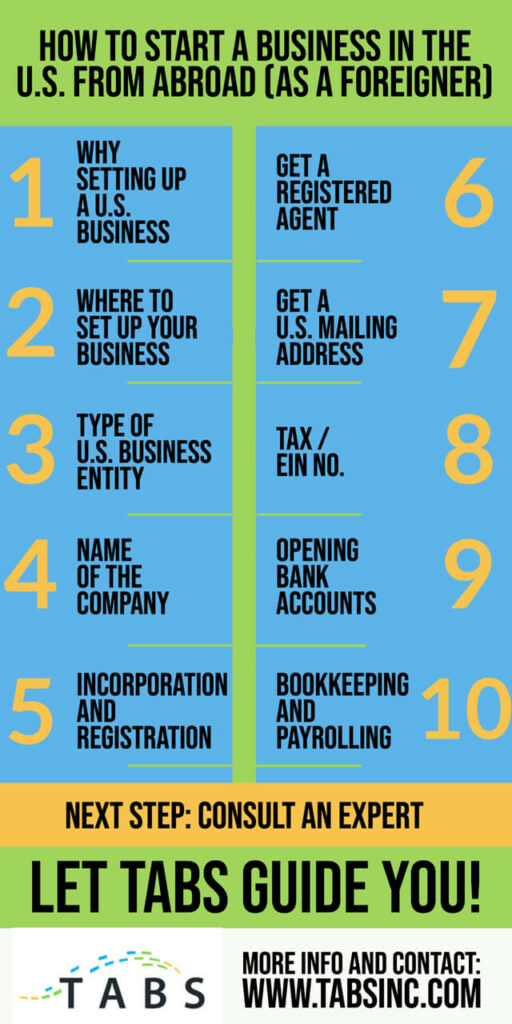
Laying the Financial Groundwork: Pre-Formation Essentials
Before any official paperwork is filed, the true work of making a company begins with rigorous financial planning. This foundational stage is critical for assessing viability, understanding costs, and strategizing how the venture will be funded and sustained. Without a clear financial blueprint, even the most innovative ideas risk faltering.
Business Planning & Financial Projections
Every successful company starts with a robust business plan, and at its heart are detailed financial projections. This involves more than just estimating sales; it requires a deep dive into every financial aspect of your proposed operation. Begin by defining your start-up costs, which encompass everything from initial legal and registration fees to equipment purchases, software licenses, initial inventory, and marketing expenses. Overlook nothing, as underestimating these initial outlays can quickly lead to cash flow crises.
Following this, develop realistic revenue forecasts. Base these on thorough market research, competitive analysis, and a clear understanding of your pricing strategy. Equally important are expense projections for the first 1-3 years, covering fixed costs like rent and salaries, and variable costs tied to production or service delivery. From these figures, you can generate crucial financial statements such as projected income statements, balance sheets, and cash flow statements. These documents are not just for potential investors; they are vital tools for you to gauge profitability, assess liquidity, and identify potential financial pitfalls long before they materialize. A comprehensive financial plan acts as your compass, guiding decisions and ensuring your business idea is not just good, but also financially sound.
Understanding Business Structures & Tax Implications
One of the most significant financial decisions you’ll make early on is selecting the appropriate legal structure for your company. This choice has profound implications for liability, management, operational flexibility, and, most importantly, taxation. Each structure comes with its own set of financial costs and benefits.
-
Sole Proprietorship: Simple to set up, minimal costs, but offers no personal liability protection. Your personal and business finances are intertwined, making you personally responsible for all business debts and obligations. All profits are taxed as personal income.
-
Partnership: Similar to a sole proprietorship but involves two or more owners. Again, personal liability is typically not separated from the business, though limited partnerships offer some protection for limited partners. Taxation is usually pass-through to partners’ individual tax returns.
-
Limited Liability Company (LLC): A highly popular choice for small to medium-sized businesses due to its balance of flexibility and protection. LLCs shield personal assets from business debts and lawsuits. They offer pass-through taxation by default (profits are taxed at the owner’s individual income tax rate), but can elect to be taxed as a corporation (S-Corp or C-Corp) for potential tax advantages. Initial setup and annual fees are higher than a sole proprietorship but generally manageable.
-
Corporation (C-Corp): A distinct legal entity separate from its owners. Offers the strongest personal liability protection. However, C-Corps face “double taxation” – the corporation pays taxes on its profits, and shareholders then pay taxes on dividends received. This structure is often chosen by larger companies seeking to raise significant capital through stock offerings.
-
S-Corporation (S-Corp): A special IRS tax election available to LLCs or C-Corps that allows profits and losses to be passed through directly to the owners’ personal income without being subject to corporate tax rates. This avoids double taxation and can lead to significant tax savings, particularly on self-employment taxes for active owners, though it comes with stricter compliance requirements regarding owner compensation.
Understanding these structures and their respective financial and tax consequences is paramount. Consulting with a tax advisor and a business attorney at this stage can save significant time and money in the long run.
Securing Initial Capital
Few businesses can launch without some form of initial capital. Identifying and securing funding is a critical pre-formation task that directly impacts the scope and timeline of your company’s establishment.
-
Self-Funding (Bootstrapping): Using personal savings, credit cards, or loans from friends and family. This offers maximum control but also places personal finances at risk. It’s often the starting point for many small businesses.
-
Debt Financing: Obtaining loans from banks, credit unions, or online lenders. This requires a solid business plan, often collateral, and a good personal credit score. Small Business Administration (SBA) loans are government-backed options that can make it easier for small businesses to qualify for favorable terms.
-
Equity Financing: Selling a portion of your company ownership to investors in exchange for capital. This includes angel investors, venture capitalists, or crowdfunding. While it provides significant funds without debt repayment, it means relinquishing a share of ownership and control.
-
Grants: Certain industries or types of businesses (e.g., those with social impact, innovation, or specific research goals) may qualify for government grants or private foundation grants. These are non-repayable funds but are highly competitive and often come with strict reporting requirements.
The choice of funding method will influence your company’s financial structure, future obligations, and ownership dynamics. Develop a detailed funding strategy aligned with your projected capital needs and risk tolerance.
Navigating the Legal and Regulatory Landscape for Financial Compliance
Once the financial blueprint is solid, the next phase involves translating that plan into a legal entity, which entails specific financial and regulatory responsibilities. Navigating this landscape correctly is crucial for operational legality and avoiding costly penalties.
Registering Your Business Entity
The first tangible step in making your company official is registering it with the appropriate authorities. While specific requirements vary by state, the general process involves:
-
Choosing a Business Name: Ensure the name is unique and available in your state (and potentially federally if you plan for trademark protection).
-
Filing Formation Documents: For an LLC, this is typically the Articles of Organization; for a corporation, it’s the Articles of Incorporation. These documents are filed with the Secretary of State in the state where your primary operations will be located. This process involves a filing fee, which is a foundational financial outlay.
-
Obtaining an Employer Identification Number (EIN): Even if you don’t initially have employees, an EIN (Employer Identification Number) from the IRS is essential. It’s like a social security number for your business, required for opening business bank accounts, filing taxes, and applying for licenses and permits. This is a free but mandatory step.
-
Registered Agent: Most states require businesses to designate a registered agent, an individual or entity that receives legal and tax documents on behalf of your company. This can be you, a legal professional, or a dedicated service, often incurring an annual fee.
Each of these steps has direct or indirect financial implications, from filing fees to professional service costs, all of which should be accounted for in your start-up budget.
Obtaining Necessary Licenses and Permits
Beyond state registration, your company will likely need specific licenses and permits to operate legally, both at the federal, state, and local levels. These requirements are often tied to your industry, location, and specific business activities, and they almost invariably come with application and renewal fees.
-
Federal Licenses: Certain industries, such as those involved in alcohol, tobacco, firearms, transportation, or broadcasting, require federal licenses or permits.
-
State Licenses: Many professions (e.g., lawyers, accountants, real estate agents, contractors) require state-level professional licenses. Additionally, some states require a general business license or specific permits for retail sales or environmental compliance.
-
Local Permits: Cities and counties often mandate specific permits, such as zoning permits, occupancy permits, health permits (for food service), fire permits, and general business operating licenses.
Failing to secure the correct licenses and permits can result in significant fines, operational shutdowns, and legal complications, all of which pose severe financial risks to your nascent company. Diligently research all applicable requirements and factor the associated fees into your ongoing operational budget.
Bank Accounts & Financial Compliance

A non-negotiable step for any new company is establishing separate business bank accounts. This separation is crucial for several financial and legal reasons:
-
Legal Protection: For LLCs and corporations, maintaining distinct finances is essential to uphold the limited liability protection. Commingling personal and business funds can lead to “piercing the corporate veil,” making owners personally liable for business debts.
-
Financial Tracking: Separate accounts simplify bookkeeping, expense tracking, and financial reporting. This clarity is invaluable for budgeting, tax preparation, and understanding your company’s true financial health.
-
Professionalism: Having dedicated business accounts, credit cards, and payment processing systems projects professionalism and facilitates easier transactions with vendors, clients, and employees.
Once accounts are established, prioritize implementing basic financial compliance measures. This includes setting up systems for proper record-keeping of all transactions, receipts, invoices, and payroll data. Adhering to these financial hygiene practices from day one prevents chaos later and ensures you are ready for tax season and potential audits.
Operationalizing Your Financial Strategy
With your company legally formed and funded, the focus shifts to day-to-day financial management. This involves setting up robust systems for tracking money in and out, budgeting effectively, and understanding your ongoing tax obligations to maintain fiscal health.
Setting Up Accounting Systems
An efficient accounting system is the backbone of financial management for any company. It allows you to track income and expenses, monitor cash flow, and generate crucial financial reports.
-
Accounting Software: Invest in appropriate accounting software from the outset. Options range from user-friendly platforms like QuickBooks, Xero, or FreshBooks for small businesses to more complex ERP systems for larger enterprises. These tools automate many tasks, categorize transactions, and generate financial statements with ease.
-
Expense Tracking: Implement a disciplined approach to tracking every business expense. Utilize your accounting software, dedicated apps, or even simple spreadsheets. Proper expense tracking is vital for accurate tax deductions and for understanding where your money is going.
-
Invoicing and Collections: Establish a clear system for invoicing clients promptly and following up on overdue payments. Consistent cash flow is paramount, and efficient collection practices minimize accounts receivable.
-
Payroll System: If you plan to hire employees, a reliable payroll system is essential. This involves calculating wages, deducting taxes and benefits, and ensuring timely payments. Consider using a payroll service provider (e.g., ADP, Gusto) to manage the complexities of payroll taxes and compliance.
Budgeting and Financial Management
Effective budgeting is an ongoing process that ensures your company’s financial resources are allocated wisely and supports its strategic goals.
-
Operating Budget: Develop and regularly review an operating budget that forecasts revenue and expenses over a specific period (e.g., monthly, quarterly, annually). This allows you to compare actual performance against planned performance and identify variances.
-
Cash Flow Management: Closely monitor your cash flow – the movement of money into and out of your business. Positive cash flow is critical for survival. Forecast potential dips and peaks, and maintain adequate cash reserves or lines of credit to cover shortfalls.
-
Profit Margins: Understand your gross and net profit margins. Continuously look for ways to optimize pricing, control costs, and improve efficiency to enhance profitability without compromising quality or customer value.
-
Financial Analysis: Regularly analyze your financial statements. Understand key performance indicators (KPIs) relevant to your industry. This data-driven approach allows you to make informed decisions about investments, expansion, cost-cutting, and operational improvements.
Understanding and Meeting Tax Obligations
One of the most complex, yet critical, financial responsibilities of operating a company in the USA is understanding and meeting its tax obligations. Missteps here can lead to significant penalties.
-
Federal Income Tax: Your company’s structure determines how federal income tax is handled. Sole proprietorships, partnerships, and LLCs (by default) have pass-through taxation, where profits are reported on the owners’ personal tax returns. C-Corps pay corporate income tax. S-Corps offer pass-through but with specific rules for owner salaries.
-
State Income Tax: Most states also have income taxes, which vary significantly. Some states have no corporate or individual income tax, while others have complex structures.
-
Sales Tax: If your business sells tangible goods or certain services, you will likely need to collect and remit sales tax to the state where the sale occurs. This requires registering for a sales tax permit and understanding nexus rules (when you have a physical or economic presence in a state that obligates you to collect tax).
-
Payroll Taxes: If you have employees, you are responsible for withholding federal income tax, Social Security, and Medicare taxes from their wages, as well as paying employer portions of Social Security, Medicare, and federal unemployment tax (FUTA). State unemployment taxes and workers’ compensation insurance also apply.
-
Other Taxes: Depending on your industry and location, other taxes may apply, such as property taxes, excise taxes, or industry-specific levies.
It is highly advisable to work with a qualified tax professional or accountant who specializes in business taxation to ensure compliance and optimize your tax strategy. Proactive tax planning can yield substantial savings and prevent costly errors.
Sustaining Growth and Future Financial Planning
Establishing a company is just the beginning. For long-term success, a company must continuously evolve its financial strategies to support growth, manage risks, and plan for the future.
Scaling Your Business Financially
As your company grows, its financial needs and complexities will multiply. Scaling financially involves making strategic decisions about reinvestment and securing additional capital.
-
Reinvestment of Profits: Decide how much of your retained earnings should be reinvested back into the business for expansion, research and development, or new initiatives, versus distributed to owners.
-
Growth Funding: As you expand, you may need additional funding. This could involve seeking more debt financing (e.g., larger bank loans, venture debt) or additional equity financing (e.g., Series A, B, C rounds from venture capitalists) to fund new product lines, market expansion, or significant capital expenditures.
-
Mergers & Acquisitions: For some companies, scaling may involve acquiring other businesses. This requires sophisticated financial due diligence, valuation analysis, and financing strategies.
Each growth stage demands a reassessment of your financial models and a strategic approach to funding to ensure sustainable expansion without overextending resources.
Protecting Your Financial Assets
Mitigating financial risk is paramount for the long-term health of your company. This involves a comprehensive approach to safeguarding assets and ensuring business continuity.
-
Business Insurance: Secure appropriate insurance policies to protect against various risks. This includes general liability insurance, property insurance, professional liability (E&O) insurance, workers’ compensation, cyber liability insurance, and potentially key person insurance. These are critical financial safeguards against unforeseen events that could otherwise cripple your business.
-
Legal Protections: Beyond liability insurance, ensuring contracts are robust, intellectual property is protected (through trademarks, copyrights, and patents), and regulatory compliance is maintained all contribute to safeguarding your company’s financial and operational assets.
-
Emergency Fund: Just like personal finance, having a business emergency fund (typically 3-6 months of operating expenses) can provide a crucial buffer against economic downturns, unexpected expenses, or sudden loss of revenue.

Long-Term Financial Vision
True financial mastery extends beyond day-to-day operations to envisioning the company’s long-term trajectory.
-
Succession Planning: For founder-led businesses, planning for leadership transitions, whether internal or external, has significant financial implications regarding valuation, ownership transfer, and continuity of operations.
-
Exit Strategies: Consider potential exit strategies from the outset. Will you eventually sell the business, pass it down to family, go public, or liquidate? Each path has vastly different financial requirements and outcomes, influencing current financial decisions and investments.
-
Wealth Management: For successful business owners, integrating personal and business financial planning becomes crucial to optimize overall wealth, tax efficiency, and legacy planning.
Establishing a company in the USA is a multifaceted endeavor, but a strong focus on the financial aspects from the very beginning is arguably the most critical determinant of its success. From meticulous financial planning and understanding complex tax structures to securing capital, navigating regulatory fees, and managing ongoing budgets, every step requires a strategic financial mindset. By diligently addressing these monetary considerations, entrepreneurs can build not just a company, but a resilient and prosperous enterprise ready to thrive in the dynamic American economic landscape.
aViewFromTheCave is a participant in the Amazon Services LLC Associates Program, an affiliate advertising program designed to provide a means for sites to earn advertising fees by advertising and linking to Amazon.com. Amazon, the Amazon logo, AmazonSupply, and the AmazonSupply logo are trademarks of Amazon.com, Inc. or its affiliates. As an Amazon Associate we earn affiliate commissions from qualifying purchases.