
Securing adequate funding is often the make-or-break challenge for any aspiring entrepreneur or growing business. It’s the lifeblood that fuels innovation, expands operations, and sustains vision. Without capital, even the most brilliant ideas remain just that – ideas. Understanding the diverse landscape of funding options, knowing when and how to approach them, and meticulously preparing your business for investor scrutiny are critical steps toward transforming your entrepreneurial dream into a tangible, thriving enterprise.
This comprehensive guide delves into the multifaceted world of business finance, offering insights into identifying your specific capital needs, exploring traditional and alternative funding avenues, mastering the art of the investor pitch, and managing your financial resources for sustainable growth. Whether you’re a startup founder taking your first steps or an established business looking to scale, navigating the journey to financial stability and expansion requires strategic foresight, meticulous planning, and a deep understanding of the monetary mechanisms available to you.

Understanding Your Funding Needs and Business Stage
Before embarking on the quest for capital, a crucial preliminary step involves an honest and thorough assessment of your business’s financial requirements and its current stage of development. Different stages demand different types of funding, and a misaligned approach can lead to wasted time and missed opportunities.
Assessing Your Capital Requirements
The first question isn’t “where can I get money?” but “how much money do I actually need, and for what?” Begin by itemizing all anticipated expenses:
-
Startup Costs: Initial legal fees, permits, equipment, software, intellectual property registration, initial inventory.
-
Operating Expenses: Rent, utilities, salaries, marketing, insurance, supplies – typically for at least 6-12 months without revenue.
-
Growth Capital: Funds for expansion, new product development, market entry, increasing production capacity.
-
Working Capital: Money to cover day-to-day operations and bridge gaps between expenses and revenue collection.
-
Contingency Funds: An essential buffer for unforeseen challenges, usually 15-20% of your total estimated need.
A detailed financial projection, including a profit and loss statement, cash flow analysis, and balance sheet for the next 3-5 years, is indispensable. This projection should be realistic, based on market research, and clearly articulate your assumptions.
Matching Funding Types to Business Life Cycle
Businesses evolve through distinct phases, each with unique financial characteristics and suitable funding sources:
-
Seed Stage: This is the very beginning, often pre-revenue. Funding typically comes from personal savings (bootstrapping), friends and family, small grants, or pre-seed angel investors who invest based on the team and idea. The amounts are generally smaller, covering initial development and market validation.
-
Early Stage/Startup: The business is developing its product/service, acquiring initial customers, and demonstrating market fit. This stage often attracts angel investors, venture capitalists (VCs) for larger sums, crowdfunding, or small business loans. The focus is on proving the business model and achieving traction.
-
Growth Stage: The business has proven its model, is generating revenue, and is ready to scale rapidly. Significant capital is needed for expansion, new markets, and increased operational capacity. VC firms, growth equity firms, larger bank loans, and potentially private equity or even an IPO become viable options.
-
Mature Stage: The business is established, profitable, and stable. Funding might be sought for strategic acquisitions, market consolidation, or further operational efficiencies. Debt financing, corporate bonds, or internal capital generation are common.
Understanding your current stage allows you to target the most appropriate funders, saving time and aligning expectations.
Developing a Robust Business Plan and Financial Projections
A well-articulated business plan is your roadmap and your primary communication tool for potential investors. It should detail:
-
Executive Summary: A concise overview of your business, its mission, and funding request.
-
Company Description: What you do, your vision, and your legal structure.
-
Market Analysis: Industry overview, target market, competitive analysis.
-
Organization & Management: Your team, their experience, and legal structure.
-
Service or Product Line: Detailed description, intellectual property, future plans.
-
Marketing & Sales Strategy: How you will reach customers and generate revenue.
-
Financial Projections: Detailed 3-5 year forecasts, including income statements, cash flow statements, and balance sheets. This is the heart of your funding request.
-
Funding Request: The exact amount needed, how it will be used, and your exit strategy (for equity investors).
This document demonstrates your understanding of the market, your operational capabilities, and your financial viability, instilling confidence in potential investors.
Traditional Funding Avenues
For many businesses, particularly those with a proven track record or significant assets, traditional funding avenues remain a primary source of capital. These methods are well-established, regulated, and often come with predictable terms.
Debt Financing: Bank Loans and Lines of Credit
Debt financing involves borrowing money that you promise to repay, typically with interest, over a set period.
-
Bank Loans: Commercial banks offer various loan products, including term loans (fixed amount, fixed repayment schedule) and working capital loans. Eligibility often depends on your business’s credit history, collateral, revenue, and a solid business plan. Small business loans, particularly those guaranteed by government agencies like the Small Business Administration (SBA) in the U.S., can offer more favorable terms for qualified businesses that might not meet conventional lending criteria.
-
Lines of Credit: Similar to a credit card for your business, a line of credit provides access to a maximum amount of funds that you can draw upon as needed and repay. Interest is only charged on the amount drawn. These are ideal for managing short-term cash flow fluctuations or unexpected expenses.
While debt financing allows you to retain full ownership, it also comes with repayment obligations regardless of your business’s profitability, and failure to repay can lead to significant financial and legal repercussions.
Equity Financing: Angel Investors and Venture Capital
Equity financing involves selling a portion of your company’s ownership in exchange for capital.
-
Angel Investors: High-net-worth individuals who invest their own money, often in early-stage startups with high growth potential. Angels often provide not just capital but also valuable mentorship, industry connections, and strategic advice. They typically invest smaller amounts (tens of thousands to a few million dollars) than VCs.
-
Venture Capital (VC) Firms: Professional investment firms that manage funds from institutional investors and high-net-worth individuals. VCs typically invest larger sums (millions to hundreds of millions) in high-growth, scalable businesses, often with a technology component, in exchange for significant equity stakes. They expect a substantial return on investment (ROI) within a specific timeframe, often through an acquisition or initial public offering (IPO).
Equity financing can provide substantial capital and strategic partners without the burden of immediate repayment. However, it means giving up a share of your company and potentially some control, and it requires a clear exit strategy for investors.
Bootstrapping and Personal Savings
Bootstrapping means funding your business primarily from personal funds, early sales, and minimal external capital. It forces founders to be lean, efficient, and resourceful.
-
Personal Savings: Using your own money is the most common form of initial funding. It demonstrates commitment to investors and allows you to retain full ownership.
-
Friends and Family: Often the first external investors, they provide patient capital, though it’s crucial to treat these investments professionally with clear terms to avoid damaging relationships.
-
Pre-Sales/Customer Funding: Selling your product or service before it’s fully developed, or getting deposits, can generate initial capital and validate market demand simultaneously.
Bootstrapping provides maximum control and fosters financial discipline but can limit growth speed and put personal finances at risk.
Government Grants and Small Business Administration (SBA) Programs
Various government agencies offer grants and loan programs to support specific types of businesses or industries.
-
Government Grants: Non-repayable funds awarded by federal, state, or local governments, often for businesses involved in research and development, innovation, environmental solutions, or those located in specific economic development zones. Eligibility criteria are often stringent, and the application process can be complex and time-consuming.
-
SBA Loans (U.S.): The Small Business Administration doesn’t directly lend money but guarantees a portion of loans made by commercial lenders, reducing risk for banks and making it easier for small businesses to qualify. Popular programs include 7(a) loans (general purpose), 504 loans (real estate and equipment), and microloans (up to $50,000).
These programs can offer favorable terms but require thorough understanding of eligibility and detailed application processes.
Emerging and Alternative Funding Strategies
The financial landscape has evolved significantly, giving rise to innovative funding mechanisms that cater to a wider range of businesses, particularly those that may not fit traditional banking models or attract venture capital.
Crowdfunding Platforms
Crowdfunding leverages the power of the internet and social networks to raise capital from a large number of individuals, often for small amounts each.
-
Reward-Based Crowdfunding (e.g., Kickstarter, Indiegogo): Individuals pledge money in exchange for non-monetary rewards, such as early access to a product, exclusive merchandise, or recognition. It’s excellent for product validation, market testing, and generating early buzz.
-
Equity Crowdfunding (e.g., SeedInvest, StartEngine): Allows businesses to raise capital by selling small equity stakes to a large number of unaccredited and accredited investors. This democratized form of investment is regulated (e.g., Reg CF, Reg A+ in the U.S.) and enables a broader pool of investors to participate in startup growth.
-
Debt Crowdfunding (P2P Lending): Individuals lend money directly to businesses, often through online platforms, receiving interest payments in return.
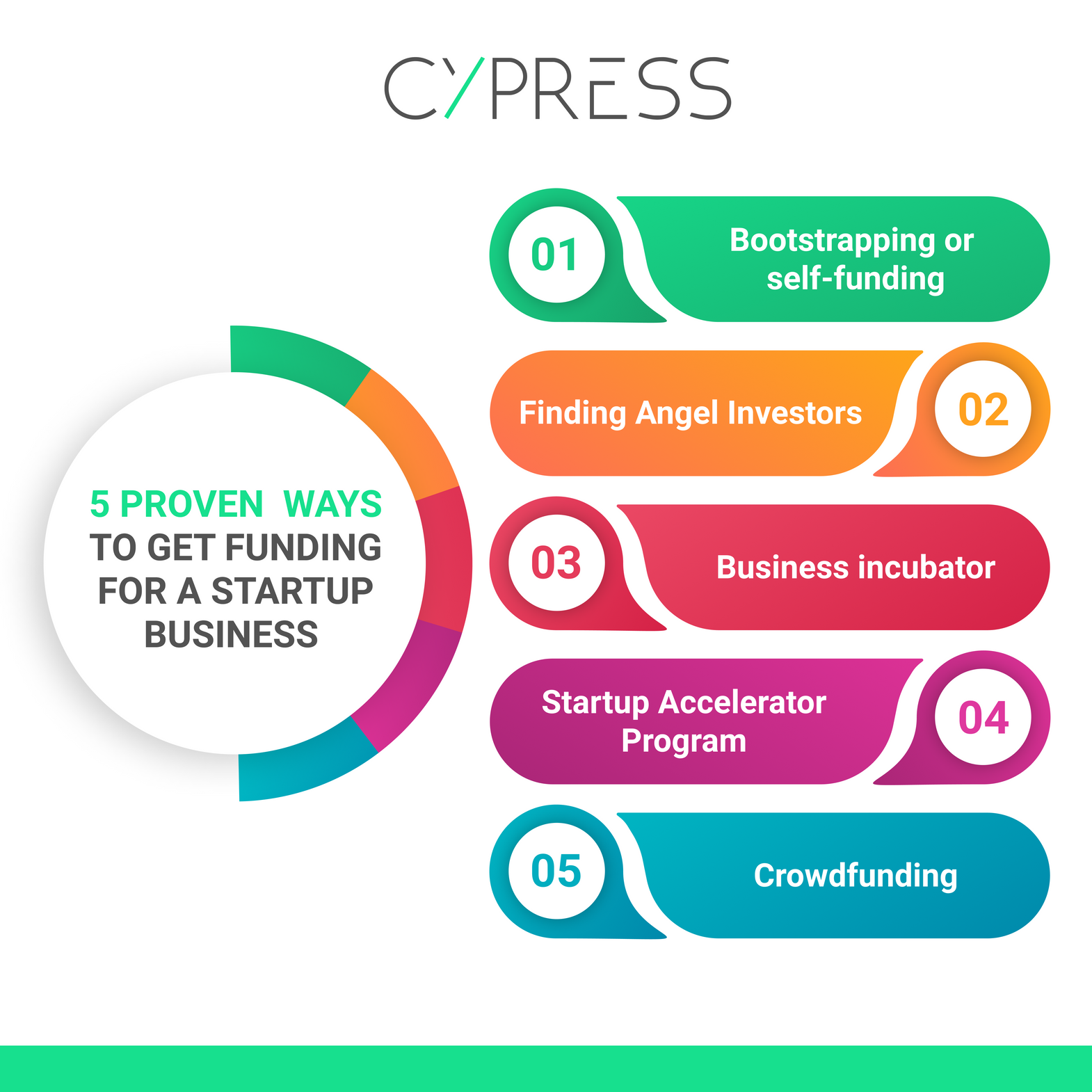
Crowdfunding can generate capital, market your product, and build a community of loyal customers simultaneously, but it requires significant marketing effort and transparency.
Peer-to-Peer Lending (P2P)
P2P lending platforms directly connect borrowers (businesses) with individual lenders, often bypassing traditional financial institutions. These loans can sometimes be secured more quickly and with more flexible terms than conventional bank loans, especially for businesses with less-than-perfect credit but strong cash flow. Rates and terms vary widely depending on the platform and borrower’s creditworthiness.
Revenue-Based Financing and Merchant Cash Advances
These options are suitable for businesses with consistent revenue but potentially limited collateral or a desire to avoid equity dilution.
-
Revenue-Based Financing (RBF): Investors provide capital in exchange for a percentage of the business’s future revenue until a specified multiple of the initial investment is repaid. There’s no equity dilution, and repayment flexes with revenue, making it ideal for cyclical businesses.
-
Merchant Cash Advances (MCAs): A lump sum is provided in exchange for a percentage of future credit card sales. While often fast and accessible for businesses with high credit card transaction volume, MCAs typically come with very high effective interest rates, making them a costly last resort for short-term liquidity.
Incubators, Accelerators, and Strategic Partnerships
These programs offer more than just capital; they provide a structured environment for growth and valuable connections.
-
Business Incubators: Support early-stage companies by providing office space, mentorship, shared resources, and networking opportunities. They typically don’t take equity or take a very small stake.
-
Startup Accelerators: Offer intensive, fixed-term programs (e.g., 3-6 months) for startups with high growth potential, providing seed funding, mentorship, and extensive networking opportunities in exchange for a small equity stake (typically 5-10%). Famous examples include Y Combinator and Techstars.
-
Strategic Partnerships/Corporate Venture Capital (CVC): Large corporations invest in or partner with startups that align with their strategic interests. This can provide not only capital but also access to corporate resources, distribution channels, and industry expertise.
These avenues offer a holistic approach to growth, combining funding with critical support systems.
Crafting a Compelling Pitch and Due Diligence
Once you’ve identified potential funding sources, the next step is to convince them that your business is a worthwhile investment. This involves meticulous preparation and a masterful presentation.
Preparing Your Pitch Deck and Executive Summary
Your pitch deck is a visual summary of your business plan, typically 10-20 slides, designed to be concise and captivating. It should cover:
-
Problem: Clearly define the pain point you are solving.
-
Solution: Introduce your product/service and how it addresses the problem.
-
Market Opportunity: Size of the market, target customers, and growth potential.
-
Product/Service: Key features, benefits, and competitive advantages.
-
Business Model: How you make money.
-
Team: Highlight experience and expertise.
-
Traction/Milestones: What you’ve achieved so far.
-
Financials: Key projections and funding request.
-
The Ask: How much money you need and what you’ll use it for.
-
Call to Action: What happens next.
The Executive Summary is a one-to-two-page narrative that acts as a standalone document, summarizing all the above key points. Both must be compelling enough to spark further interest.
Mastering the Art of Presentation and Storytelling
A great pitch deck is only as good as the presenter. Investors don’t just invest in ideas; they invest in people.
-
Be Passionate and Confident: Your belief in your business should be infectious.
-
Know Your Numbers Inside Out: Be ready to defend every financial projection and assumption.
-
Tell a Story: Weave a narrative that connects with the investor emotionally and logically, explaining the “why” behind your business.
-
Anticipate Questions: Prepare for challenging questions about your market, competition, team, and financials.
-
Practice, Practice, Practice: Rehearse your pitch until it flows naturally and precisely within the allotted time.
Understanding Investor Expectations and Due Diligence Processes
Investors perform extensive due diligence to verify all claims made by your business. This can include:
-
Financial Audit: Verifying financial statements, projections, and assumptions.
-
Legal Review: Checking contracts, intellectual property, corporate structure, and regulatory compliance.
-
Market Research: Independent verification of market size, trends, and competitive landscape.
-
Team Assessment: Background checks and interviews with key personnel.
-
Technical Due Diligence: For tech companies, evaluating the underlying technology, architecture, and development roadmap.
Be prepared to provide detailed documentation and transparency throughout this rigorous process.
Legal Considerations and Term Sheets
Once an investor decides to proceed, they will issue a Term Sheet, outlining the proposed terms and conditions of the investment. This is a non-binding agreement that covers key aspects such as:
-
Valuation: The agreed-upon value of your company.
-
Investment Amount: How much capital is being invested.
-
Equity Stake: The percentage of ownership the investor will receive.
-
Board Representation: Whether the investor gets a seat on your board of directors.
-
Liquidation Preferences: How proceeds are distributed in an exit event.
-
Vesting Schedules: For founders’ equity.
-
Protective Provisions: Rights granted to investors to block certain company actions.
It is crucial to have legal counsel review and negotiate the term sheet and all subsequent definitive agreements to protect your interests and ensure favorable conditions.
Managing Your Funding and Ensuring Sustainability
Securing funding is a significant milestone, but it’s just the beginning. Effective financial management, strategic deployment of capital, and continuous investor relations are paramount for long-term success.
Financial Discipline and Cash Flow Management
Money acquired should be treated as a precious resource.
-
Budgeting: Adhere strictly to your budget, allocating funds as planned in your business plan.
-
Cash Flow Monitoring: Regularly track your cash inflows and outflows. Maintain a healthy cash runway (how long your business can operate before running out of cash) to avoid crisis.
-
Cost Control: Continuously look for ways to optimize spending without compromising quality or growth.
-
Financial Reporting: Implement robust accounting systems and provide regular, accurate financial reports to management and investors.
Poor cash flow management is a leading cause of business failure, even for funded companies.
Building Investor Relationships and Reporting
Your investors are now stakeholders in your success. Foster strong, transparent relationships.
-
Regular Communication: Provide quarterly or monthly updates on performance, milestones achieved, challenges faced, and financial health.
-
Honesty and Transparency: Be upfront about setbacks as well as successes. Investors appreciate honesty and proactive problem-solving.
-
Seek Advice: Leverage their experience and networks. Investors often have valuable insights and connections that can accelerate your growth.
-
Show Appreciation: Acknowledge their contribution to your journey.
Good investor relations can pave the way for future funding rounds and provide crucial support during difficult times.
Strategic Use of Funds for Growth and Scalability
The capital you’ve raised is intended to fuel growth, not merely sustain operations.
-
Invest in Key Areas: Allocate funds to areas that directly contribute to revenue generation, product development, market expansion, or operational efficiency.
-
Measure ROI: Continuously evaluate the return on investment for major expenditures to ensure funds are being used effectively.
-
Build a Scalable Infrastructure: Invest in technology, processes, and talent that can support rapid growth without breaking down.
-
Don’t Overspend: Avoid the temptation to spend extravagantly just because you have capital. Maintain a lean and efficient operation.
Every dollar should be deployed with a clear strategic objective tied to your business’s overall growth trajectory.

Planning for Future Funding Rounds
Most businesses, especially high-growth startups, require multiple rounds of funding. Plan for your next fundraising cycle well in advance.
-
Achieve Milestones: Demonstrate significant progress and hit the key performance indicators (KPIs) you promised in your previous funding round.
-
Build Momentum: Show increasing revenue, user acquisition, market share, or product development.
-
Networking: Continuously network with potential future investors, even when you’re not actively fundraising.
-
Maintain Financial Health: A strong balance sheet and healthy cash flow make you a more attractive prospect for subsequent investors.
By strategically planning for future capital needs and demonstrating consistent growth, you position your business for long-term financial stability and continued expansion.
In conclusion, securing funding for your business is a dynamic process that demands meticulous planning, strategic decision-making, and persistent effort. From understanding your specific capital needs and exploring the diverse array of funding sources to crafting a compelling pitch and managing your finances judiciously, each step is critical. With the right approach and a clear vision, entrepreneurs can successfully navigate the complexities of business finance, unlocking the capital necessary to build, grow, and sustain their ventures.
aViewFromTheCave is a participant in the Amazon Services LLC Associates Program, an affiliate advertising program designed to provide a means for sites to earn advertising fees by advertising and linking to Amazon.com. Amazon, the Amazon logo, AmazonSupply, and the AmazonSupply logo are trademarks of Amazon.com, Inc. or its affiliates. As an Amazon Associate we earn affiliate commissions from qualifying purchases.