
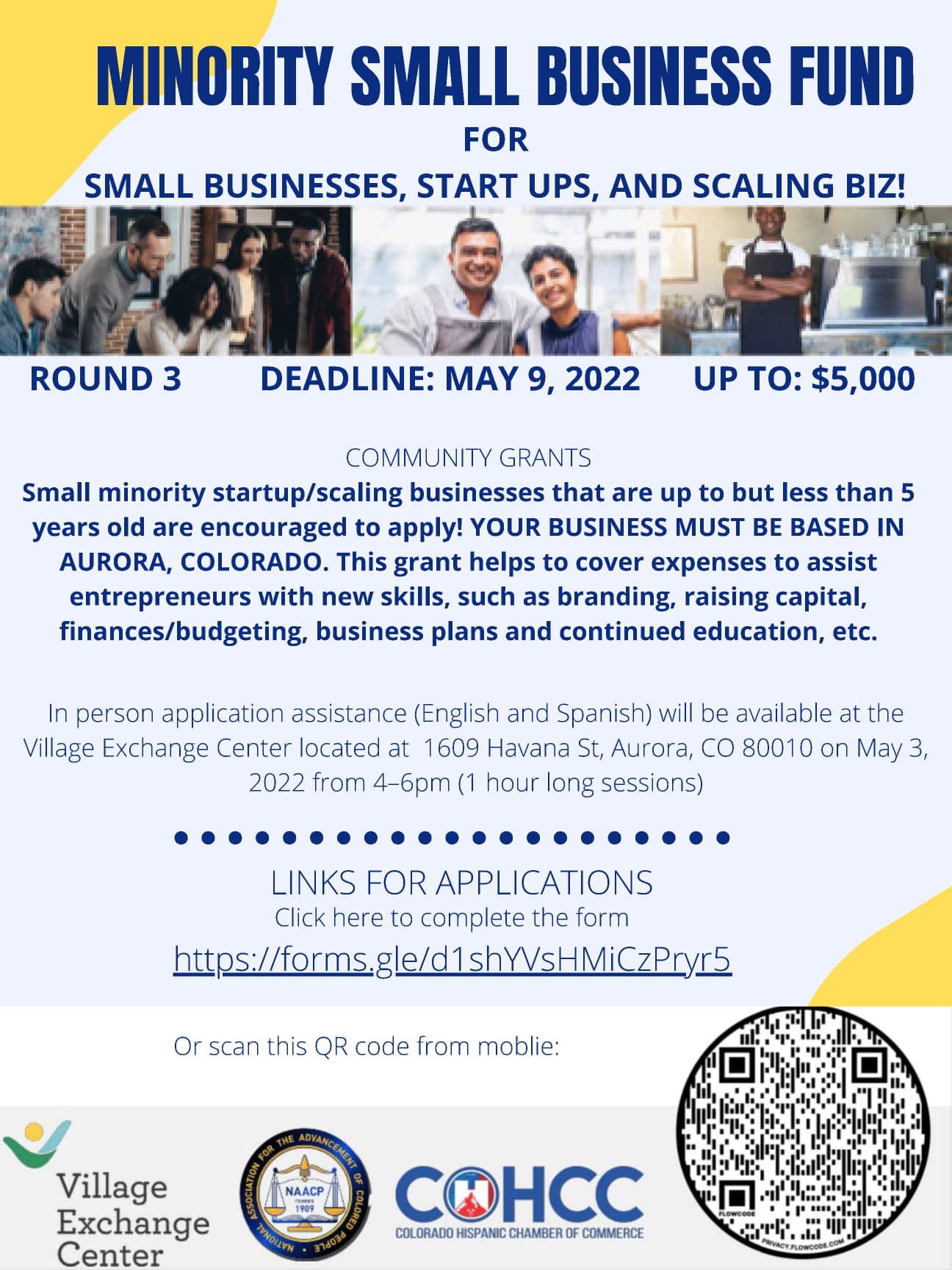
Securing capital is a perennial challenge for many entrepreneurs, and minority business owners often face unique hurdles in accessing traditional financing. Minority business grants offer a powerful alternative, providing non-dilutive funding that can be instrumental in launching, sustaining, or expanding a business. These grants are specifically designed to foster economic equity and support underserved communities, recognizing the significant contributions minority-owned businesses make to the economy. Navigating the application process, however, requires diligence, strategic preparation, and a deep understanding of what funders are looking for. This guide aims to demystify the journey, offering a comprehensive roadmap for minority entrepreneurs seeking to unlock these vital financial opportunities.

Understanding Minority Business Grants: An Overview
Before diving into the application specifics, it’s crucial to grasp the landscape of minority business grants, including their purpose, who qualifies, and how they differ from other forms of funding.
What Qualifies as a Minority Business?
Generally, a “minority business” is defined as a for-profit enterprise where at least 51% of the ownership is held by individuals who identify as members of a minority group. This typically includes individuals who are Black, Hispanic, Asian-American, Native American, and sometimes includes women (although grants for women-owned businesses are often a separate category, there’s overlap). Crucially, the minority owners must also be involved in the day-to-day management and control of the business. Many grant programs require official certification through bodies like the Minority Business Development Agency (MBDA), the National Minority Supplier Development Council (NMSDC), or state/local government agencies. This certification process validates the minority ownership and control, making the business eligible for specific programs. Understanding the specific definitions used by each grant provider is paramount, as criteria can vary.
Why Are These Grants Important?
Minority business grants serve several critical functions. Firstly, they address historical and systemic disparities in access to capital. Studies consistently show that minority entrepreneurs face higher rejection rates for loans and often receive smaller loan amounts compared to their non-minority counterparts. Grants help bridge this gap by providing equity-focused funding. Secondly, grants stimulate economic development within communities. By supporting minority-owned businesses, these programs foster job creation, innovation, and wealth building within underserved areas. Lastly, grants provide “seed capital” or expansion funds without requiring the entrepreneur to give up equity or incur debt. This allows businesses to grow organically, reinvest profits, and maintain full control over their operations and vision.
Grant vs. Loan: Key Differences
It’s essential to distinguish between grants and loans. The most fundamental difference is repayment. A grant is non-repayable funds given to a business, usually for a specific purpose, such as a new project, expansion, or recovery from an economic downturn. There is no expectation of repayment, although recipients are typically required to report on how the funds were used and the impact achieved. Loans, on the other hand, are borrowed funds that must be repaid, usually with interest, over a set period. While loans are a common form of business finance, grants offer a significant advantage by reducing financial burden and risk. Understanding this distinction helps entrepreneurs select the most appropriate funding source for their needs and financial situation.
Preparing for the Application Process: Laying the Groundwork
A successful grant application isn’t just about filling out forms; it’s about meticulous preparation, strategic planning, and demonstrating a clear vision for your business and its impact.
Researching Available Grants: Where to Look
The first step in preparation is identifying suitable grant opportunities. This requires dedicated research across various platforms. Government agencies, both federal and state, are major sources. The U.S. Small Business Administration (SBA), Minority Business Development Agency (MBDA), and local economic development offices often list or administer grant programs. Private foundations and corporate philanthropy programs are another significant avenue; many large corporations have initiatives to support diversity and inclusion in business. Non-profit organizations focused on entrepreneurship and specific minority groups frequently offer grants or connect businesses to opportunities. Online grant databases (e.g., Grants.gov, Foundation Directory Online, local chamber of commerce websites) are invaluable tools, allowing you to filter by industry, location, and minority status. Look for grants whose mission aligns with your business’s values and proposed use of funds.
Eligibility Criteria: Self-Assessment and Documentation
Once you’ve identified potential grants, a thorough self-assessment against each program’s eligibility criteria is crucial. This goes beyond just minority ownership. Funders will often specify industry focus, revenue thresholds, number of employees, geographic location, and specific use of funds (e.g., technology upgrades, market expansion, community outreach). Gather all necessary documentation before you start writing. This typically includes:
-
Business Registration Documents: Articles of Incorporation, LLC operating agreement.
-
Minority Business Certification: Official documentation from relevant certifying bodies.
-
Financial Statements: Profit & Loss statements, balance sheets, cash flow projections (often for the past 2-3 years and future 1-3 years).
-
Tax Returns: Business and sometimes personal tax returns.
-
Resumes: For key personnel and owners, highlighting experience and qualifications.
-
Legal Documents: Lease agreements, contracts, intellectual property registrations.
-
Letters of Recommendation: From mentors, clients, or community leaders.
Failing to meet even one criterion or missing a key document can lead to immediate disqualification, making this preparation phase non-negotiable.
Developing a Robust Business Plan

A compelling and well-articulated business plan is the backbone of any grant application. It’s not just a formality; it’s your opportunity to demonstrate your business’s viability, growth potential, and positive impact. Your plan should clearly outline:
-
Executive Summary: A concise overview of your business, mission, and grant request.
-
Company Description: What your business does, its history, and unique value proposition.
-
Market Analysis: In-depth understanding of your target market, competitors, and industry trends.
-
Organization & Management: The structure of your business and the experience of your team.
-
Service or Product Line: Detailed description of what you offer.
-
Marketing & Sales Strategy: How you will reach customers and generate revenue.
-
Financial Projections: Realistic forecasts for revenue, expenses, and profitability, demonstrating financial health and sustainability.
-
Funding Request: A clear articulation of how much money you need and exactly how the grant funds will be used, linking expenditures directly to achieving specific business goals.
Grant committees want to see that you have a solid foundation, a clear vision, and the capacity to execute your plans effectively and responsibly.
Crafting a Winning Application: Showcasing Your Vision
With your groundwork laid, the next phase focuses on articulating your business’s story and financial needs in a way that resonates with grant evaluators.
The Narrative: Telling Your Story
Beyond the numbers, grant applications are about storytelling. Your narrative should be compelling, authentic, and directly address the funder’s mission and evaluation criteria.
-
Clearly state your business’s mission and vision. How does it align with the grant’s objectives (e.g., economic empowerment, community impact, innovation)?
-
Highlight your unique strengths and competitive advantages. What makes your business stand out? What problem does it solve, and for whom?
-
Emphasize your personal journey as a minority entrepreneur. What challenges have you overcome? How has your identity shaped your business? This personal connection can be very powerful.
-
Articulate the impact. How will your business, particularly with the grant funding, positively affect your community, customers, employees, or industry? Quantifiable impact (e.g., jobs created, revenue generated, lives improved) is highly valued.
-
Maintain a consistent voice. Professional, confident, and passionate. Avoid jargon where plain language will suffice.
Financial Projections and Impact Statements
While the narrative tells why your business deserves funding, the financial projections and impact statements demonstrate how the funding will be used and what tangible results will follow.
-
Detailed Budget: Provide a line-item budget for how the grant money will be spent. Be specific: equipment purchases, marketing campaigns, salaries for new hires, product development costs. Each item should be justified and tied back to specific business objectives outlined in your plan.
-
Feasibility and Sustainability: Show how your business will become financially sustainable beyond the grant period. Grants are usually a catalyst, not a permanent funding source. Your projections should illustrate a path to profitability and independent growth.
-
Quantifiable Impact: Go beyond anecdotal impact. If the grant helps you expand, how many new jobs will be created? What will be the increase in revenue? How many new clients will be served? What environmental or social metrics will improve? Use data to support your claims wherever possible.
This section proves that you are a responsible steward of funds and that your project offers a strong return on investment for the grant provider’s mission.
Attention to Detail: Application Checklist and Submission Tips
The final step in crafting a winning application involves meticulous attention to detail.
-
Review all instructions carefully. Missing deadlines, page limits, or specific formatting requirements are common pitfalls.
-
Proofread rigorously. Typos, grammatical errors, and awkward phrasing can undermine your professionalism and credibility. Consider having multiple people review your application.
-
Tailor each application. Do not use a generic template. Customize your responses to specifically address the unique requirements and mission of each grant provider.
-
Complete all sections. Leave no blank spaces unless explicitly instructed. If a section is not applicable, briefly explain why.
-
Submit early. Avoid the last-minute rush. Technical glitches or unexpected issues can arise. Submitting a few days before the deadline demonstrates preparedness and reduces stress.
-
Keep copies of everything. Maintain a complete file of your application, supporting documents, and confirmation of submission.
Post-Application Steps and Grant Management
Applying for a grant is just one part of the journey. Understanding what happens next and how to manage a potential award is equally important.
What to Expect After Applying
The waiting period after submitting a grant application can be lengthy, often several weeks to a few months, depending on the funder.
-
Confirmation: Most reputable grant programs will send an email confirming receipt of your application. If you don’t receive one, follow up to ensure it was successfully submitted.
-
Review Process: Your application will typically go through multiple stages of review by staff, external evaluators, and potentially a selection committee or board.
-
Interviews or Additional Information: Some funders may request an interview to learn more about your business or ask for additional documentation or clarification. Be prepared to respond promptly and professionally.
-
Notification: You will eventually receive notification of their decision, whether you are awarded the grant or not. If rejected, some funders provide feedback, which can be invaluable for future applications. Always ask for feedback if it’s not provided automatically.
Grant Compliance and Reporting
If you are fortunate enough to receive a grant, the work isn’t over. Grant awards come with significant responsibilities.
-
Grant Agreement: You will need to sign a formal grant agreement outlining the terms and conditions, including reporting requirements, allowable expenses, and project timelines. Read this document thoroughly.
-
Financial Tracking: Meticulously track all expenditures related to the grant. Keep separate accounting records for grant funds to ensure transparency and simplify reporting. Use the funds strictly as outlined in your approved budget.
-
Progress Reports: Funders typically require periodic progress reports (quarterly, semi-annually, or annually) detailing how the funds have been used, milestones achieved, challenges encountered, and the overall impact of the project. Be honest, data-driven, and timely with these reports.
-
Final Report: A comprehensive final report is usually required at the end of the grant period, summarizing outcomes, financial reconciliation, and lessons learned.
Leveraging Your Grant for Sustainable Growth
A minority business grant is more than just money; it’s an endorsement of your business’s potential and a catalyst for growth.
-
Strategic Investment: Use the funds strategically to achieve the goals outlined in your application. Don’t deviate significantly from the approved plan without consulting the funder.
-
Build Relationships: Maintain good communication with your grant provider. They can become valuable allies, offering advice, networking opportunities, and potentially even future funding.
-
Visibility and Credibility: Announce your grant award (with the funder’s permission). This can enhance your business’s credibility, attract new customers, and open doors to other funding or partnership opportunities.
-
Future Funding: A well-managed grant project and strong reporting can significantly improve your chances of securing additional funding, whether from the same funder or others, demonstrating your capacity for responsible financial stewardship and impactful execution.
Applying for a minority business grant is a demanding but incredibly rewarding process. By understanding the landscape, preparing diligently, crafting a compelling narrative, and managing funds responsibly, minority entrepreneurs can effectively leverage these vital resources to build thriving, impactful businesses that contribute significantly to their communities and the broader economy.
aViewFromTheCave is a participant in the Amazon Services LLC Associates Program, an affiliate advertising program designed to provide a means for sites to earn advertising fees by advertising and linking to Amazon.com. Amazon, the Amazon logo, AmazonSupply, and the AmazonSupply logo are trademarks of Amazon.com, Inc. or its affiliates. As an Amazon Associate we earn affiliate commissions from qualifying purchases.