
Securing funding is a critical challenge for many small businesses. While traditional avenues like loans and equity investments are common, grants offer a unique and highly attractive alternative: non-dilutive capital that doesn’t need to be repaid. For small businesses, particularly those with innovative ideas, social missions, or operating in underserved communities, grants can provide the essential financial boost to launch, grow, or sustain operations without incurring debt. However, the process of finding and successfully applying for grants can seem daunting. This comprehensive guide will demystify the grant application journey, offering a strategic roadmap for small business owners looking to tap into this invaluable funding source.
Understanding Small Business Grants: Not a Loan, But Free Money (with Strings)
Before embarking on the grant application process, it’s crucial to understand what grants are, why they exist, and what distinguishes them from other forms of funding. This foundational knowledge will help align your expectations and strategy.
What Exactly is a Grant?
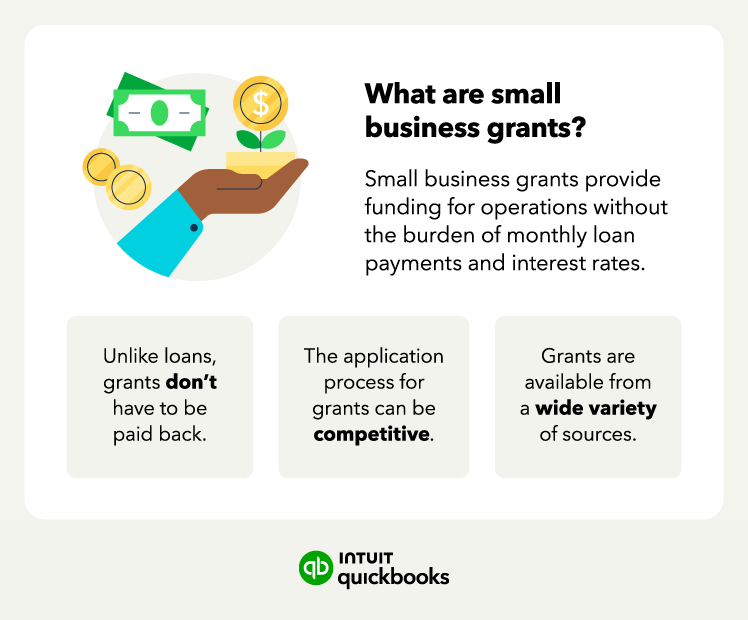
A grant is a sum of money awarded to an individual or organization for a specific purpose, often without an expectation of repayment. Unlike a loan, a grant is essentially “free money” in the sense that it doesn’t create debt. However, it’s not truly free; it comes with significant responsibilities, reporting requirements, and the expectation that the funds will be used strictly as outlined in the grant proposal. Grants are typically provided by government agencies (federal, state, local), private foundations, or corporations looking to support specific causes, research, or community development.
Why Grants are Attractive for Small Businesses
For small businesses, grants offer several compelling advantages. They provide capital without requiring a stake in your company, meaning you retain full ownership and control. This non-dilutive nature is particularly appealing for early-stage startups or businesses in growth phases. Grants can also enhance a business’s credibility, signaling external validation of its mission, innovation, or potential impact. Furthermore, they can act as a catalyst for projects that might not attract traditional financing due to higher risk or longer-term payoff, such as R&D initiatives or community-focused programs.
Key Misconceptions About Grants
Despite their allure, grants are often misunderstood. A common misconception is that they are easy to get or widely available for any business idea. In reality, the grant landscape is highly competitive, and funds are almost always tied to specific criteria, objectives, or target outcomes defined by the grantor. Another myth is that grants can fund general operating expenses; while some do, many are project-specific, requiring detailed plans for how the money will be spent and how success will be measured. It’s also vital to remember that the application process itself can be time-consuming and resource-intensive, requiring a significant upfront investment of effort.
Preparing Your Business for Grant Applications: The Foundation
Successfully securing a grant is less about luck and more about meticulous preparation and strategic alignment. Before you even begin searching for grants, your business needs to be in a position to demonstrate readiness and eligibility.
Defining Your Business Needs and Grant Alignment
The first step is internal introspection: clearly define what your business needs funding for and why a grant is the appropriate mechanism. Are you looking to develop a new product, expand into a new market, invest in specific equipment, or launch a community initiative? Identify specific projects or phases of your business that align with the philanthropic or strategic goals of potential grantors. Grants are rarely awarded for general operational costs; they fund specific initiatives with clear objectives and measurable outcomes. Understanding your “why” will guide your search and strengthen your proposal.
Ensuring Business Eligibility and Compliance
Grantors have strict eligibility criteria, and meeting these is non-negotiable. These often include the business structure (e.g., non-profit vs. for-profit, small business definition), revenue thresholds, location, industry, or even the demographic profile of the owner. Ensure your business is legally registered, in good standing, and has all necessary licenses and permits. Many government grants, for instance, require businesses to have a Unique Entity Identifier (UEI) and be registered with the System for Award Management (SAM.gov). Thoroughly review eligibility requirements for each grant opportunity to avoid wasting time on applications that won’t be considered.
Developing a Compelling Business Plan and Financial Projections
A robust business plan is the bedrock of any grant application. It demonstrates your vision, strategy, market understanding, and operational capabilities. Grantors want to see that you have a clear roadmap for success and that their investment will be utilized effectively. Beyond the narrative, accurate and realistic financial projections are crucial. These should detail how the grant funds will be integrated into your overall financial strategy, demonstrating sustainability and the potential for long-term impact. Highlight how the grant will contribute to revenue generation, job creation, or other quantifiable benefits.
Gathering Essential Documentation
Grant applications are notoriously document-heavy. Proactively gather and organize all necessary paperwork, which may include:
-
Legal Documents: Business registration, articles of incorporation, EIN, licenses.
-
Financial Statements: Profit and loss statements, balance sheets, cash flow projections for the past 2-3 years (if applicable).
-
Tax Returns: Recent business and personal tax returns.
-
Resumes/CVs: For key personnel, highlighting relevant experience and expertise.
-
Letters of Support: From community leaders, partners, or customers.
-
Project-Specific Details: Budgets, timelines, detailed project descriptions, and performance metrics.
Having these documents ready will streamline the application process and prevent last-minute scrambling.
Navigating the Grant Landscape: Where to Look and How to Search
The world of small business grants is vast and fragmented. Knowing where to look and how to effectively search for opportunities is key to finding grants that align with your business and project.
Government Grants: Federal, State, and Local Opportunities
Government agencies are significant sources of grant funding, often aimed at stimulating economic growth, fostering innovation, or addressing specific societal needs.
-
Federal Grants: Agencies like the Small Business Administration (SBA), National Institutes of Health (NIH), and Department of Energy (DOE) offer a wide array of grants. Key platforms include Grants.gov for federal opportunities and Challenge.gov for prize-based competitions. The Small Business Innovation Research (SBIR) and Small Business Technology Transfer (STTR) programs are particularly notable for businesses engaged in R&D.
-
State and Local Grants: These grants often focus on local economic development, workforce training, or supporting businesses within specific geographic areas or industries. Check your state’s economic development agency, local chambers of commerce, and municipal government websites. Many states offer grants for specific sectors like agriculture, clean energy, or tourism.

Corporate and Foundation Grants: Tapping into Private Philanthropy
Beyond government sources, private foundations and corporations contribute significantly to the grant landscape.
-
Private Foundations: These are charitable organizations established to provide funding for specific causes or projects. They often have defined missions related to education, healthcare, arts, community development, or environmental protection. Resources like the Foundation Directory Online (Candid.org) can help you identify foundations whose interests align with your business’s social impact or innovative goals.
-
Corporate Grants: Many large corporations have philanthropic arms or CSR (Corporate Social Responsibility) initiatives that offer grants. These grants often align with the company’s industry, values, or the communities where they operate. For example, a tech company might offer grants for STEM education or digital literacy programs, while a bank might support small business development in underserved areas.
Niche-Specific Grants: Industry, Demographics, or Innovation Focus
Many grants are highly specialized, targeting businesses based on specific criteria.
-
Industry-Specific: Grants exist for sectors like agriculture, manufacturing, sustainable energy, healthcare technology, arts and culture, and more. Industry associations and trade groups are excellent resources for finding these.
-
Demographic-Specific: Opportunities are available for businesses owned by women, minorities, veterans, or individuals with disabilities. Organizations like the National Minority Supplier Development Council (NMSDC) or the Women’s Business Enterprise National Council (WBENC) can provide information.
-
Innovation/Technology: Grants focused on specific technologies (e.g., AI, biotech, clean tech) or disruptive innovations are common, especially from federal agencies and private foundations looking to drive progress.
Utilizing Grant Databases and Professional Resources
Several online databases and professional services can streamline your grant search:
-
Grants.gov: The primary federal grant portal.
-
Candid.org (Foundation Directory Online): Comprehensive database of private and corporate foundations (subscription required for full access).
-
State Economic Development Websites: Often list state-specific grant programs.
-
Small Business Development Centers (SBDCs): Offer free or low-cost counseling and resources, including assistance with grant searching.
-
Grant Writing Consultants: Professionals who specialize in identifying suitable grants and crafting compelling proposals (consider ROI carefully).
When using these resources, filter extensively by eligibility, industry, geographic area, and project type to narrow down relevant opportunities.
Crafting a Winning Grant Proposal: Standing Out from the Crowd
Once you’ve identified suitable grant opportunities, the quality of your proposal is paramount. A well-written, compelling proposal can make the difference between securing funding and being overlooked.
Deconstructing the Request for Proposal (RFP)
The Request for Proposal (RFP) is your bible for each grant. Read it meticulously, multiple times, and highlight every requirement, guideline, and submission instruction. Pay close attention to word limits, formatting instructions, required attachments, and deadlines. Grantors often reject proposals simply for failing to follow instructions. Create a checklist to ensure every component is addressed and every question answered thoroughly and directly. Understanding the grantor’s mission and priorities, as outlined in the RFP, will help you tailor your narrative.
Articulating Your Vision and Impact: The Narrative
The core of your proposal is its narrative—the story of your business and project. This section must clearly articulate your business’s mission, the problem it solves, and the specific project for which you are seeking funding. Emphasize the potential impact of your project, not just on your business, but also on the community, economy, or industry it serves. Use clear, concise language, avoiding jargon where possible. Paint a vivid picture of the “before and after,” showcasing how the grant will enable you to achieve significant, measurable outcomes that align with the grantor’s objectives.
Presenting a Robust Budget and Justification
The budget section is where you detail exactly how every grant dollar will be spent. It must be realistic, specific, and directly linked to your project activities. Itemize expenses clearly (e.g., personnel, equipment, materials, marketing, administrative costs) and provide a narrative justification for each line item. Explain why each expense is necessary and how it contributes to the project’s success. Grantors look for transparency and fiscal responsibility; a well-justified budget demonstrates that you have a clear understanding of your costs and a plan for efficient resource utilization. Any co-funding or in-kind contributions from your business should also be highlighted.
Highlighting Your Team and Their Expertise
Grantors invest in people as much as ideas. Showcase the expertise, experience, and commitment of your team members who will be responsible for executing the project. Include brief bios or resumes that highlight relevant skills, past achievements, and their specific roles in the proposed project. If you have advisors, partners, or a strong board, mention them to demonstrate a robust support structure. This section builds confidence that your business has the human capital required to deliver on its promises.
The Importance of Proofreading and Professionalism
A grant proposal is a professional document. Errors in grammar, spelling, or punctuation can undermine your credibility. After drafting, take a break, then review with fresh eyes. Better yet, have multiple people proofread it—someone familiar with the project and someone unfamiliar, who can spot areas of ambiguity. Ensure the formatting is clean, consistent, and easy to read. A polished, professional presentation reflects attention to detail and respect for the grantor’s time and resources. Submit well in advance of the deadline to avoid technical issues.
Post-Application Strategies and Grant Management
The process doesn’t end with submission. Strategic post-application conduct and diligent grant management are crucial, whether you receive the funding or not.
Following Up Gracefully (or Not, as Advised)
Some grantors explicitly state their policy on follow-up communication. If they invite inquiries, a brief, polite follow-up email after a reasonable period (e.g., 2-4 weeks post-deadline) can reaffirm your interest without being intrusive. If they state “no calls please,” respect that instruction. The key is to demonstrate professionalism and patience. Avoid excessive communication, as it can be counterproductive. Focus on preparing for your next opportunity rather than dwelling on the one you just submitted.
Understanding Grant Award Agreements and Compliance
If your application is successful, congratulations! However, the work isn’t over. Carefully review the grant award agreement before signing. This document will outline the terms and conditions, reporting requirements, payment schedule, and any specific stipulations for fund usage. Ensure you fully understand your obligations and are prepared to comply. Non-compliance can lead to clawbacks of funds or make your business ineligible for future grants from that source. It’s advisable to consult with legal counsel if any terms are unclear or seem overly burdensome.
Reporting and Accountability: Maintaining Good Standing
Grantors require regular reports (e.g., quarterly, semi-annually, annually) detailing how funds have been used, project progress, and the achievement of stated outcomes. Maintain meticulous records of all expenditures, activities, and results. This includes financial records, receipts, timesheets (if grant funds personnel), and documentation of project milestones. Timely and accurate reporting is critical for maintaining a positive relationship with the grantor, ensuring future funding eligibility, and demonstrating your business’s commitment to accountability and transparency. Think of it as building a reputation for reliability.

Learning from Rejection and Reapplying
Not every grant application will be successful; the grant landscape is highly competitive. If your application is rejected, view it as a learning opportunity, not a failure. If feedback is offered, request and carefully review it to understand areas for improvement. Sometimes, a “no” simply means your project wasn’t the right fit for that specific grantor’s current priorities, not that your business or idea is unworthy. Refine your proposal based on feedback, seek out new opportunities, and reapply. Persistence, resilience, and a commitment to continuous improvement are vital traits for grant seekers.
Applying for small business grants is a journey that demands preparation, strategic thinking, and diligent execution. By understanding the nature of grants, meticulously preparing your business, skillfully navigating the search, crafting a compelling proposal, and diligently managing post-award responsibilities, you significantly increase your chances of securing this invaluable, non-dilutive funding. Grants can be a transformative resource, propelling your small business toward its goals and fostering sustainable growth.
aViewFromTheCave is a participant in the Amazon Services LLC Associates Program, an affiliate advertising program designed to provide a means for sites to earn advertising fees by advertising and linking to Amazon.com. Amazon, the Amazon logo, AmazonSupply, and the AmazonSupply logo are trademarks of Amazon.com, Inc. or its affiliates. As an Amazon Associate we earn affiliate commissions from qualifying purchases.