
Starting an online business in today’s digital age is no longer a futuristic dream but a tangible reality for millions seeking financial independence, supplementary income, or a complete career transformation. The internet has democratized entrepreneurship, lowering traditional barriers to entry and opening a vast global marketplace. For many, the allure lies in the potential for flexibility, scalability, and the direct control over one’s financial destiny. This comprehensive guide will navigate the essential financial considerations and strategic steps involved in launching a successful online venture, focusing exclusively on the monetary aspects that underpin every thriving enterprise. From identifying profitable niches to managing your finances for sustained growth, understanding the economic ecosystem of your business is paramount.
The Foundational Mindset & Financial Preparation
Embarking on an online business journey requires more than just a good idea; it demands a robust entrepreneurial mindset coupled with meticulous financial preparation. Success in the online arena is deeply intertwined with how effectively you manage risk, allocate capital, and understand the flow of money.
Cultivating an Entrepreneurial Mindset for Profit
Before any financial investment, the most crucial capital you deploy is your mindset. An online entrepreneur must adopt a perspective centered on value creation and financial return. This involves:
-
Risk Assessment and Tolerance: Understand that every business venture carries inherent risks. Online businesses often have lower initial monetary outlays than brick-and-mortar stores, but they still require an investment of time, effort, and often, some capital. Assess your comfort level with potential financial losses and develop strategies to mitigate them.
-
Long-Term Vision for Financial Independence: An online business isn’t a get-rich-quick scheme. It’s a strategic pathway to building a sustainable income stream and, eventually, financial independence. This requires patience, persistent effort, and a focus on compounding returns.
-
Continuous Learning and Adaptability: The online landscape is constantly evolving, with new monetization models and market trends emerging regularly. A commitment to continuous learning—especially in areas like digital marketing ROI, financial analytics, and new revenue streams—is vital for sustained profitability.
-
Problem-Solving for Profit: At its core, every successful business solves a problem for a paying customer. Cultivate a mindset that seeks out market needs and devises financially viable solutions.
Assessing Your Financial Readiness and Seed Capital
Even the leanest online business requires some degree of financial preparation. Understanding your current financial position and what resources you can commit is a critical first step.
-
Personal Financial Stability: Before venturing into entrepreneurship, ensure your personal finances are stable. An emergency fund covering 3-6 months of living expenses provides a crucial safety net, reducing pressure to generate immediate income and allowing your business time to grow.
-
Determining Seed Capital: How much money do you need to start? This varies widely based on your chosen business model.
-
Bootstrapping: Many online businesses can be started with very little capital (bootstrapping). This involves leveraging existing skills, free tools, and minimal infrastructure. Examples include freelance services, affiliate marketing, or content creation.
-
Moderate Investment: E-commerce (inventory, website platform fees), dropshipping (marketing costs), or software-as-a-service (SaaS) development might require more significant upfront investment for product development, platform subscriptions, and initial marketing campaigns.
-
-
Startup vs. Operational Costs: Differentiate between one-time startup costs (e.g., domain registration, initial website design, legal fees) and ongoing operational costs (e.g., monthly software subscriptions, advertising budget, payment processing fees). A clear understanding of these helps in budgeting and forecasting cash flow.
-
Separating Personal and Business Finances: From day one, establish separate bank accounts and credit cards for your business. This simplifies financial tracking, tax preparation, and presents a professional image, crucial for long-term financial health and legal compliance.
Identifying Profitable Opportunities & Niche Selection
The internet offers a bewildering array of potential business avenues. The key to financial success lies in identifying a profitable niche – a specific segment of the market with unmet needs and a willingness to pay for solutions.
Market Research for Financial Viability
Simply having an idea isn’t enough; it must be a financially viable idea. Thorough market research helps validate your concept and understand its earning potential.
-
Demand and Audience Willingness to Pay: Investigate if there’s a genuine demand for your product or service. Are people actively searching for solutions to the problem you address? More importantly, are they willing and able to pay for it? Tools like Google Keyword Planner, trend analysis (Google Trends), and competitor analysis can provide insights into market size and search volume for relevant keywords.
-
Competitor Analysis and Differentiation: Analyze existing competitors. What are their pricing strategies? What value do they offer? Can you provide a superior product/service or target an underserved segment? Your unique selling proposition (USP) must translate into a competitive financial advantage.
-
Pricing Strategy and Profit Margins: Research industry-standard pricing and determine a strategy that allows for healthy profit margins after accounting for all costs (production, marketing, operational). Undercutting competitors isn’t always sustainable; focus on value-based pricing.
-
Monetization Models: Consider how you will generate revenue. Common online monetization models include:
-
Product Sales: E-commerce (physical goods), digital products (e-books, courses, templates).
-
Service Provision: Consulting, coaching, freelancing (writing, design, web development).
-
Subscriptions: SaaS, membership sites, recurring content.
-
Advertising/Affiliate Marketing: Earning commissions from promoting other companies’ products or displaying ads on your content.
-
Donations/Crowdfunding: For specific projects or content creators.
-
Monetization Models: Choosing Your Income Stream
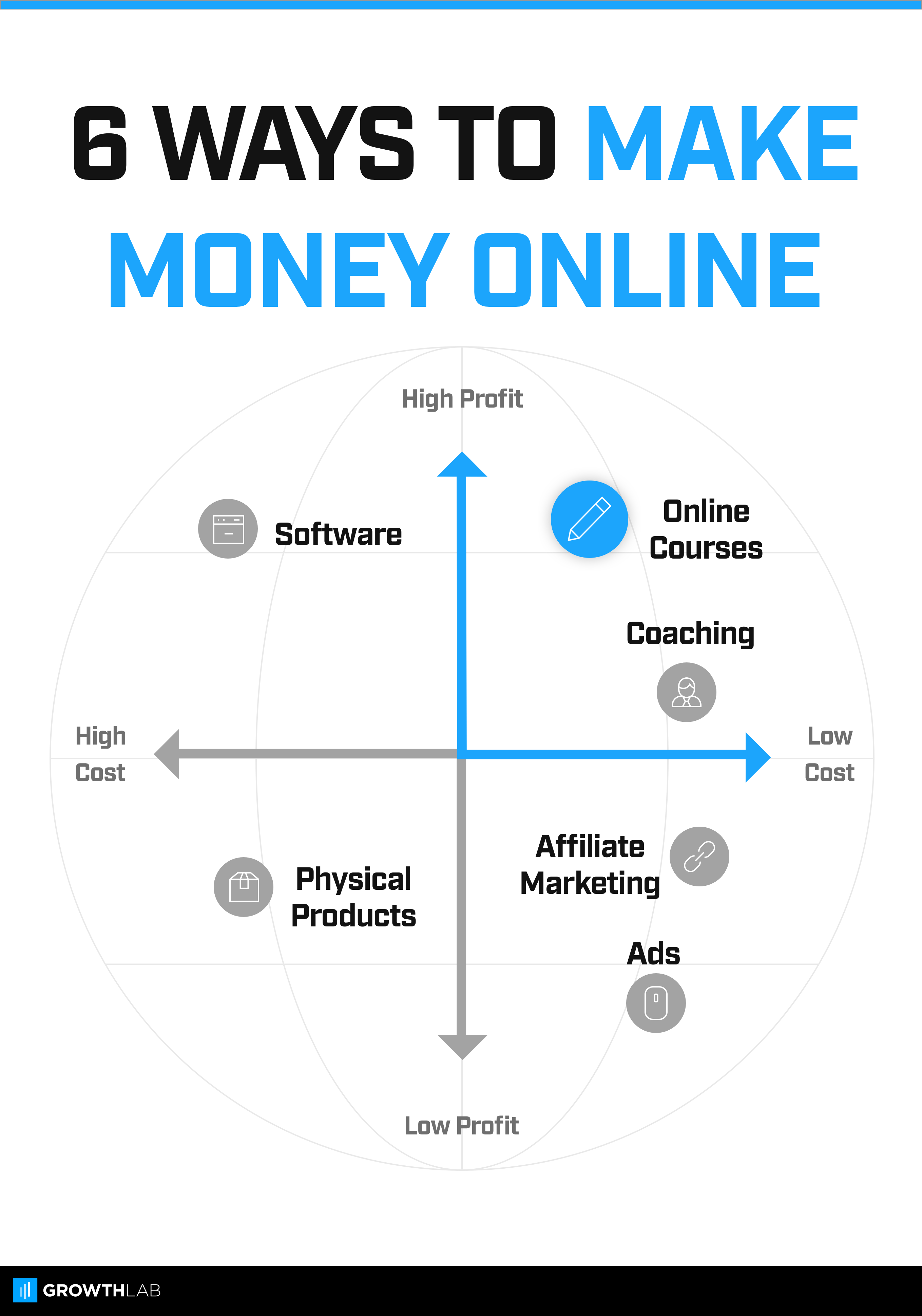
The choice of monetization model significantly impacts your revenue potential, scalability, and operational costs. Select a model that aligns with your skills, resources, and long-term financial goals.
-
E-commerce (Products): High potential for direct sales. Requires investment in inventory (unless dropshipping), payment gateways, and shipping logistics. Profitability hinges on product sourcing, pricing, and efficient order fulfillment.
-
Affiliate Marketing: Low barrier to entry and minimal overheads. Income is commission-based, so consistent traffic generation and trust-building are crucial for significant earnings. Focus on high-value products relevant to your niche.
-
Content Creation (Blogs, YouTube, Podcasts): Monetization through ads, sponsorships, affiliate links, or selling proprietary products/services. Builds an audience over time, offering multiple income streams, but requires consistent value delivery and audience growth for substantial revenue.
-
Services/Consulting: Leverages existing expertise. High-profit margins as primary cost is your time. Scalability can be limited unless you build a team or productize your services into courses or workshops.
-
SaaS (Software as a Service): Potentially very high recurring revenue, but requires significant upfront development investment and ongoing maintenance. Focus on a clear problem it solves and a subscription model that provides predictable income.
-
Dropshipping: Low inventory risk, but often lower profit margins and high reliance on effective marketing and supplier reliability. Cash flow management is key.
Structuring Your Online Business for Financial Success
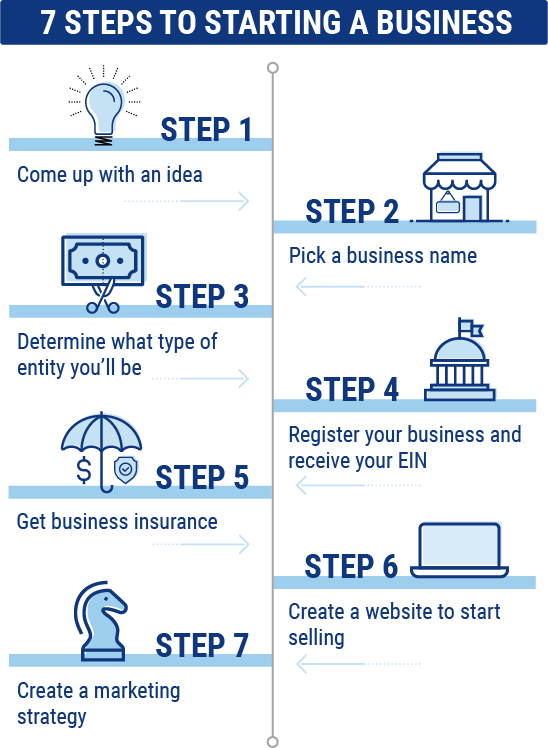
Once you have a clear idea of your niche and monetization strategy, the next step is to lay down the formal and financial structure of your business. This involves legal considerations, basic financial planning, and setting up the infrastructure for transactions.
Business Planning & Legal-Financial Foundations
A formal business plan, even if simple, is a roadmap for your financial journey. It outlines revenue projections, cost analyses, and growth strategies.
-
Simple Business Plan: Detail your target market, proposed solution, financial projections (start-up costs, operating expenses, projected revenue, break-even analysis), and marketing strategy (with an emphasis on ROI). This document serves as a guide and can be crucial if you seek external funding.
-
Choosing a Business Structure: The legal structure (e.g., sole proprietorship, LLC, partnership) has significant financial and legal implications, particularly regarding personal liability and taxation.
-
Sole Proprietorship: Simple, low cost, but no legal distinction between you and your business. All profits are personal income, and you’re personally liable for business debts.
-
LLC (Limited Liability Company): Offers personal asset protection, separating you from business liabilities. More complex to set up and maintain than a sole proprietorship, with varying state fees. Offers flexibility in taxation.
-
Consulting with a legal or financial professional is advisable to choose the most advantageous structure for your specific situation.
-
-
Obtaining Necessary Licenses and Permits: Depending on your location and business type, you might need specific licenses or permits. Research local, state, and federal requirements to ensure compliance and avoid financial penalties.
-
Setting Up Business Banking & Accounting Systems: As mentioned, separate business bank accounts are non-negotiable. Implement basic accounting software (e.g., QuickBooks, Wave, Xero) from the outset to track income and expenses accurately. This is vital for financial health monitoring, tax purposes, and making informed financial decisions.
Setting Up Your Digital Storefront/Platform (Cost & ROI)
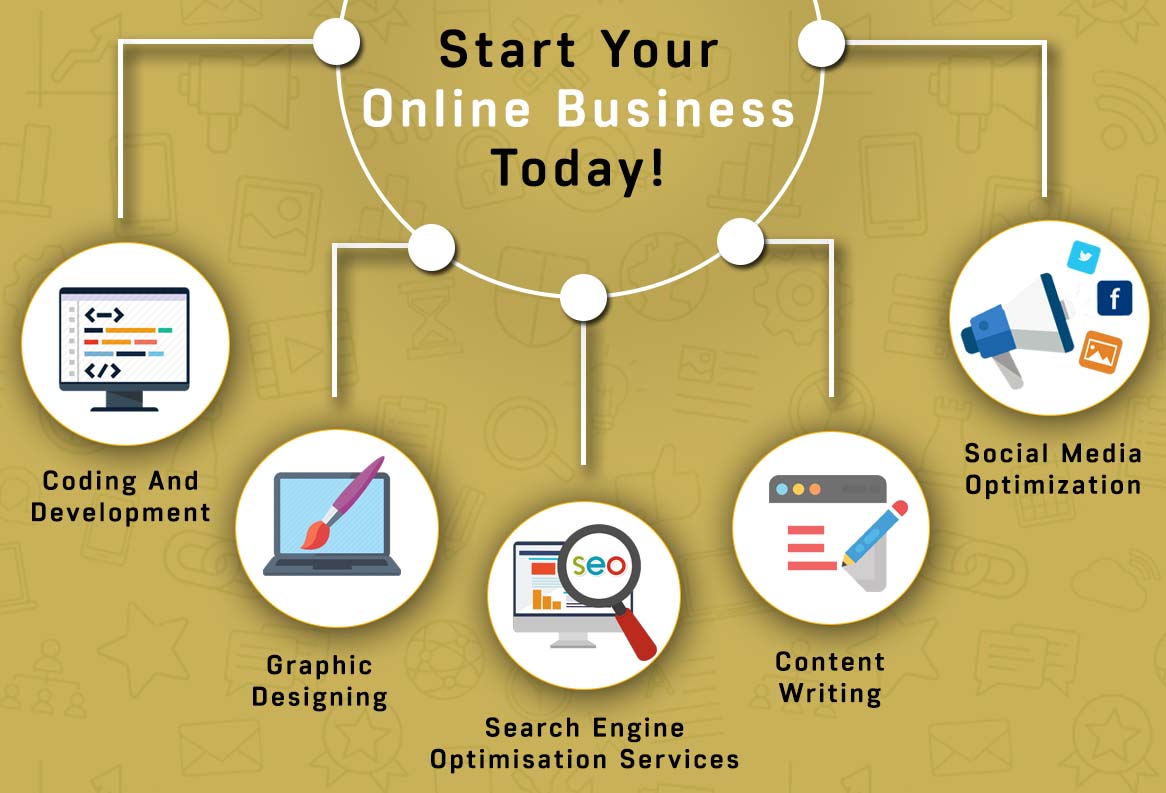
The platform you choose to operate on is a critical financial decision. It influences setup costs, ongoing fees, ease of management, and ultimately, your ability to generate revenue.
-
Website/E-commerce Platform:
-
Self-Hosted (WordPress + WooCommerce): Offers maximum control and flexibility. Initial setup might require a web developer or significant learning, but ongoing costs (hosting, domain) can be relatively low. Excellent for long-term scalability and SEO-driven revenue.
-
Hosted Platforms (Shopify, Squarespace, Wix): User-friendly, all-in-one solutions with integrated e-commerce features. Monthly subscription fees vary, plus transaction fees. Ideal for those prioritizing ease of use and quick launch for direct sales.
-
-
Marketplaces (Etsy, Amazon FBA): Leverage existing customer bases. Lower initial costs but involve platform fees, listing fees, and commissions. Good for testing product viability and reaching a wide audience quickly, but you have less control over the customer experience and branding.
-
Service-Based Platforms (Upwork, Fiverr): Excellent for freelancers to find initial clients. Commission fees are a factor, but they provide a ready audience and invoicing/payment processing.
-
Payment Gateways: Essential for any online business accepting payments. Options like Stripe, PayPal, Square, or various local gateways charge transaction fees. Factor these into your pricing and profit calculations.
Funding, Growth, and Financial Management
Once your online business is launched, the focus shifts to generating revenue, managing cash flow, and strategically growing your financial footprint.
Smart Funding Strategies
While many online businesses can be bootstrapped, understanding various funding options is crucial for scaling.
-
Bootstrapping and Reinvestment: The most common approach for online startups. Use personal savings and reinvest early profits back into the business to fuel growth. This maintains full ownership and control, but growth might be slower.
-
Friends and Family: A source of capital often based on trust, potentially with more flexible terms than traditional lenders. Ensure clear agreements to prevent financial strain on relationships.
-
Small Business Loans/Lines of Credit: Available from banks or online lenders. Requires a solid business plan and often personal collateral or a good credit score. Best for established businesses seeking to expand.
-
Angel Investors/Venture Capital (VC): Typically for high-growth potential businesses (often tech-centric SaaS) that require significant capital infusion in exchange for equity. Less common for smaller online businesses.
Driving Revenue and Scaling Your Operations
Generating sales is the lifeblood of any business. Strategic financial allocation to marketing and operations is key.
-
Cost-Effective Digital Marketing: Focus on channels with measurable ROI.
-
SEO (Search Engine Optimization): Organic traffic is free in the long run but requires consistent effort and expertise. High ROI for sustainable revenue.
-
Content Marketing: Provides value to your audience, builds authority, and drives organic traffic. Can be time-intensive but highly effective for long-term customer acquisition.
-
Social Media Marketing (Organic & Paid): Build community and drive engagement. Paid ads allow for precise targeting and measurable results, but require careful budget management and A/B testing to optimize ad spend for maximum conversion.
-
Email Marketing: High ROI channel for customer retention, repeat purchases, and nurturing leads. Build your email list from day one.
-
-
Customer Lifetime Value (CLV): Focus on retaining existing customers, as it’s significantly cheaper than acquiring new ones. Loyal customers contribute more revenue over time. Implement strategies like loyalty programs, excellent customer service, and personalized offers.
-
Measuring Financial Performance: Regularly track key performance indicators (KPIs) to understand financial health:
-
Conversion Rate: Percentage of visitors who complete a desired action (e.g., purchase).
-
Customer Acquisition Cost (CAC): How much it costs to acquire one new customer.
-
Average Order Value (AOV): The average amount spent per customer transaction.
-
Gross Profit Margin: Revenue minus the cost of goods sold.
-
Net Profit Margin: The percentage of revenue left after all expenses (including taxes) have been deducted.
-
-
Scaling for Efficiency: As you grow, look for ways to automate processes, outsource non-core tasks (e.g., virtual assistants, accounting), and optimize your supply chain to reduce costs and increase output.
Ongoing Financial Discipline and Profit Optimization
Sustainable online business growth is a marathon, not a sprint. Continuous financial discipline is essential.
-
Budgeting and Expense Tracking: Stick to a budget for all business operations. Categorize and track every expense meticulously to identify areas for cost reduction and ensure profitability.
-
Cash Flow Management: Understand the timing of money coming in and going out. Proactive cash flow management prevents shortages and allows for strategic investments.
-
Reinvestment Strategy: Don’t just take all profits out of the business. Develop a strategy for reinvesting a portion of earnings back into growth initiatives (e.g., new product development, marketing campaigns, technology upgrades).
-
Tax Planning: Understand your tax obligations as an online business owner. Set aside a percentage of your income for taxes, make estimated tax payments, and consult with a tax professional to leverage legitimate deductions and ensure compliance.
Navigating Challenges and Sustaining Financial Growth
The path to online business success is rarely linear. It’s marked by challenges that, when overcome with financial acumen, lead to resilience and sustained growth.
Overcoming Initial Financial Hurdles
Many online entrepreneurs face initial struggles that test their financial resolve.
-
Patience and Realistic Expectations: Revenue might not flow immediately. Set realistic financial goals for the first few months or even the first year. Avoid overspending on non-essentials in the early stages.
-
Adapting to Market Shifts: The online market is dynamic. Economic downturns, platform changes, or new competition can impact revenue. Be agile in adapting your business model or marketing strategy to maintain financial viability.
-
Learning from Financial Mistakes: Not every investment or marketing campaign will yield the desired financial return. Analyze failures, learn from them, and adjust your financial strategy accordingly. Don’t let setbacks derail your overall financial vision.
Long-Term Vision for Financial Independence
Ultimately, starting an online business is about building a valuable asset that contributes to your long-term financial independence.
-
Diversification of Income Streams: Relying on a single income source is risky. Explore opportunities to diversify your online income through complementary products, services, or monetization models.
-
Automation for Efficiency and Scale: Invest in tools and systems that automate repetitive tasks (e.g., email marketing, customer service chatbots, inventory management). This frees up your time, reduces operational costs, and allows you to scale without proportionally increasing overhead.
-
Building a Valuable Asset: A well-structured, profitable online business is a valuable asset that can eventually be sold. Focus on building strong systems, a loyal customer base, and clear financial records to maximize its eventual valuation.
In conclusion, starting your own online business is a journey rich with financial potential and personal growth. By meticulously planning your financial strategy, identifying profitable niches, effectively managing your resources, and consistently optimizing for profit, you can build a resilient and rewarding enterprise. The digital world offers unprecedented opportunities for wealth creation, but sustained success demands not just passion, but an unwavering commitment to financial discipline and a deep understanding of the economic levers that drive your business forward.
aViewFromTheCave is a participant in the Amazon Services LLC Associates Program, an affiliate advertising program designed to provide a means for sites to earn advertising fees by advertising and linking to Amazon.com. Amazon, the Amazon logo, AmazonSupply, and the AmazonSupply logo are trademarks of Amazon.com, Inc. or its affiliates. As an Amazon Associate we earn affiliate commissions from qualifying purchases.