
Securing a small business loan can be a pivotal moment for any entrepreneur, whether you’re looking to launch a new venture, expand an existing one, or simply manage working capital more effectively. Access to capital is often the lifeblood of a growing business, enabling investments in inventory, equipment, marketing, and human resources. However, the path to obtaining a loan isn’t always straightforward. Lenders assess a myriad of factors to determine a business’s creditworthiness and its ability to repay borrowed funds. Understanding these qualification criteria is not just about meeting requirements; it’s about strategically positioning your business for success in the competitive landscape of financial access. This comprehensive guide will demystify the qualification process, outlining the essential elements lenders scrutinize and offering actionable insights to boost your chances of approval.

The Pillars of Lender Assessment: Key Qualification Criteria
When a lender evaluates your small business loan application, they are primarily looking to mitigate risk. They want assurance that their investment in your business will yield returns and, most importantly, be repaid on schedule. This assessment hinges on several critical pillars that collectively paint a picture of your business’s financial health and operational stability.
1. Financial Health and Performance
At the heart of any loan application is a deep dive into your business’s financial health. Lenders need to see a clear track record of revenue generation, profitability, and, crucially, robust cash flow.
A. Revenue and Profitability
Lenders typically prefer businesses that demonstrate consistent revenue streams and a history of profitability. This isn’t just about sales figures; it’s about whether your business genuinely earns more than it spends, leaving a surplus that can be allocated towards debt repayment. For startups without a long history, projections become critical, but even then, lenders will want to see the underlying assumptions for those projections are sound and realistic. Established businesses should provide profit and loss statements (P&Ls) spanning at least the last 2-3 years, showcasing positive trends or at least stability.
B. Cash Flow Analysis
While profitability is important, cash flow is paramount. A profitable business can still struggle with cash flow if its accounts receivable are high, inventory is stagnant, or expenses are poorly managed. Lenders meticulously analyze your cash flow statements to ensure your business consistently generates enough liquid assets to cover operational expenses, anticipated growth, and, most importantly, loan repayments. Positive and predictable cash flow signals the ability to meet financial obligations without strain.
C. Debt-to-Income Ratio
Lenders also scrutinize your business’s existing debt load relative to its income or equity. A high debt-to-income (DTI) ratio can signal that your business is overleveraged, making it riskier to take on additional debt. They want to ensure there’s enough room in your financial structure to comfortably service a new loan without jeopardizing the business’s stability.
2. Credit Scores: Personal and Business
Your credit history, both personal and professional, plays a significant role in a lender’s decision-making process. These scores act as a quick, standardized indicator of your past financial responsibility.
A. Personal Credit Score
For most small businesses, especially newer ones, the owner’s personal credit score (FICO score) is a primary factor. Lenders view your personal financial habits as an indicator of how you might manage business finances. A strong personal credit score (typically 680+) demonstrates a history of responsible borrowing and timely repayments, building trust with potential lenders. Conversely, a low personal score can be a significant hurdle, signaling a higher risk of default.
B. Business Credit Score
As your business matures, it begins to build its own credit profile. Business credit scores (like Paydex from Dun & Bradstreet or scores from Experian Business and Equifax Business) reflect your business’s ability to handle its financial obligations independently. Establishing and nurturing good business credit by paying suppliers on time, having credit lines in the business name, and maintaining proper financial records is crucial for qualifying for larger loans and better terms in the future.
3. Collateral and Guarantees
Lenders often require some form of security to mitigate their risk, especially for larger loan amounts or businesses perceived as higher risk.
A. Understanding Collateral
Collateral refers to assets that you pledge to the lender as security for the loan. If your business defaults on the loan, the lender has the right to seize and sell these assets to recover their losses. Common forms of collateral include real estate, equipment, accounts receivable, or inventory. The value and liquidity of the collateral directly influence the amount and terms of the loan you might receive.
B. Personal Guarantees
Even with business collateral, many small business loans, particularly from traditional banks, will require a personal guarantee from the business owner. A personal guarantee means you are personally responsible for repaying the loan if your business defaults. This puts your personal assets at risk, underscoring the lender’s commitment to ensuring repayment and your own commitment to the business’s success.
4. Business Plan and Industry Experience
Beyond the numbers, lenders want to understand the vision and viability of your business. A well-crafted business plan and relevant experience instill confidence.
A. Importance of a Robust Business Plan
Your business plan is a narrative that complements your financial statements. It should clearly outline your business model, market analysis, competitive advantages, operational strategy, management team, and financial projections. A compelling business plan demonstrates that you have a clear understanding of your industry, your target market, and how you intend to generate revenue and repay the loan. It shows foresight and strategic thinking, reassuring lenders about the future prospects of your venture.
B. Time in Business and Industry Experience
Lenders often prefer businesses with a proven track record. Most traditional lenders look for businesses that have been operational for at least two years, as this indicates stability and an ability to navigate market challenges. While newer businesses can secure financing, they may face higher interest rates or stricter terms. Furthermore, the owner’s industry experience and expertise are significant. Demonstrating a deep understanding of your sector and a history of success within it can be a powerful mitigating factor, even for newer businesses.
Navigating the Lender Landscape: Types of Loans and Lenders
The right loan depends on your specific needs, and different lenders have varying appetites for risk and distinct qualification criteria. Understanding the options available is crucial for identifying the best fit.
1. Traditional Banks
A. Stricter Criteria, Lower Rates
Traditional banks (e.g., Chase, Wells Fargo, Bank of America) are known for their rigorous qualification processes. They typically require strong credit scores (both personal and business), significant time in business (2+ years), solid revenue, and often collateral. While their criteria are stringent, they generally offer the most competitive interest rates and favorable repayment terms. They are ideal for established businesses with strong financial histories.
2. Online Lenders
A. Speed and Flexibility
Online lenders (e.g., Kabbage, OnDeck, Fundbox) have emerged as a popular alternative, particularly for businesses that may not meet traditional bank requirements or need faster access to funds. They often have more flexible criteria, including lower time-in-business requirements (sometimes as little as 6 months), and can provide funding within days. However, this convenience often comes with higher interest rates and shorter repayment periods compared to banks.
3. SBA Loans
A. Government-Backed Advantages
Loans guaranteed by the Small Business Administration (SBA) are a hybrid solution. The SBA doesn’t lend money directly but rather guarantees a portion of loans made by traditional lenders. This reduces the risk for banks, making them more willing to lend to small businesses that might not otherwise qualify. SBA loans offer competitive rates, longer repayment terms, and often require lower down payments. They are an excellent option for businesses looking for favorable terms, but they still involve a comprehensive application process and require strong financials.
Preparing a Winning Application: Documentation and Strategy
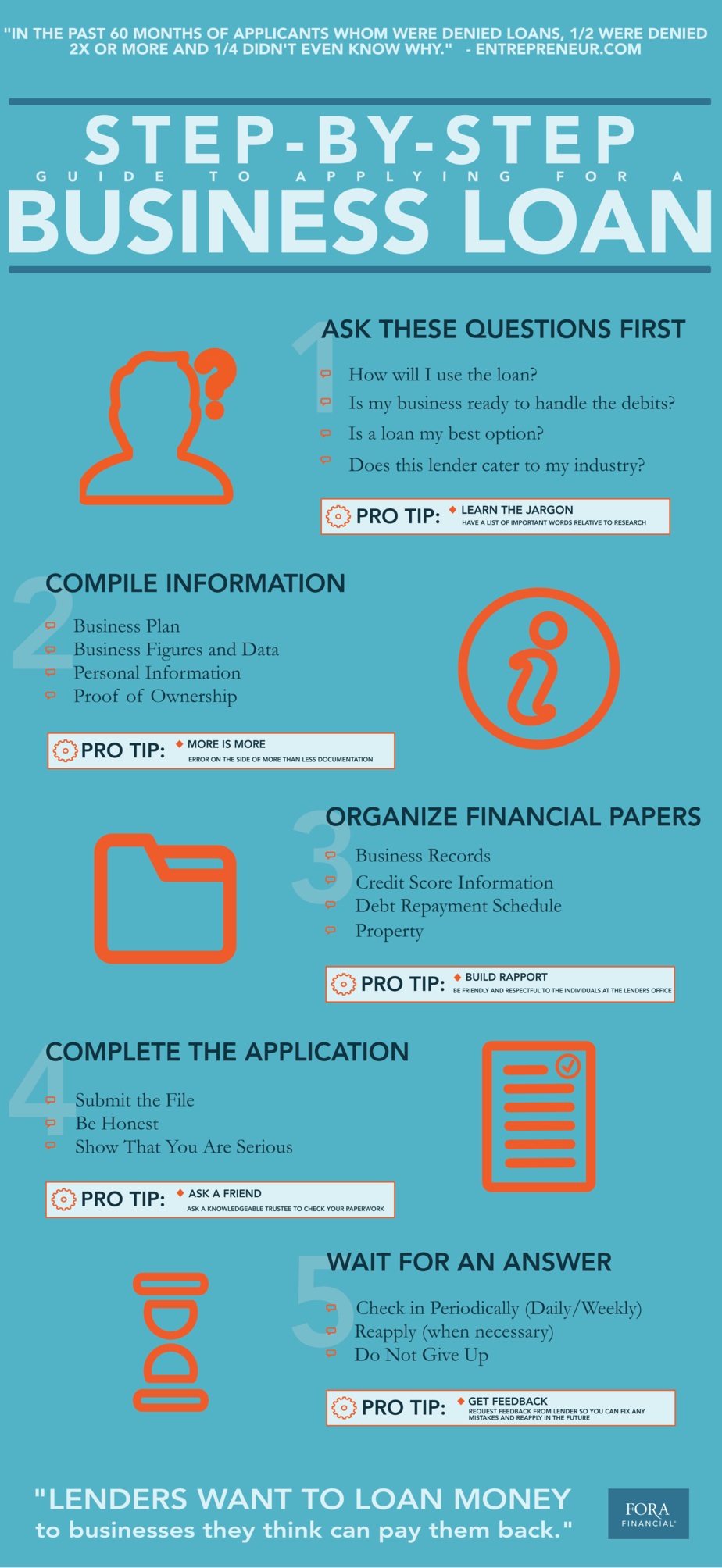
A successful loan application is not just about meeting criteria; it’s about presenting your business in the best possible light. Meticulous preparation is key.
1. Gathering Essential Documentation
A. Financial Statements and Tax Returns
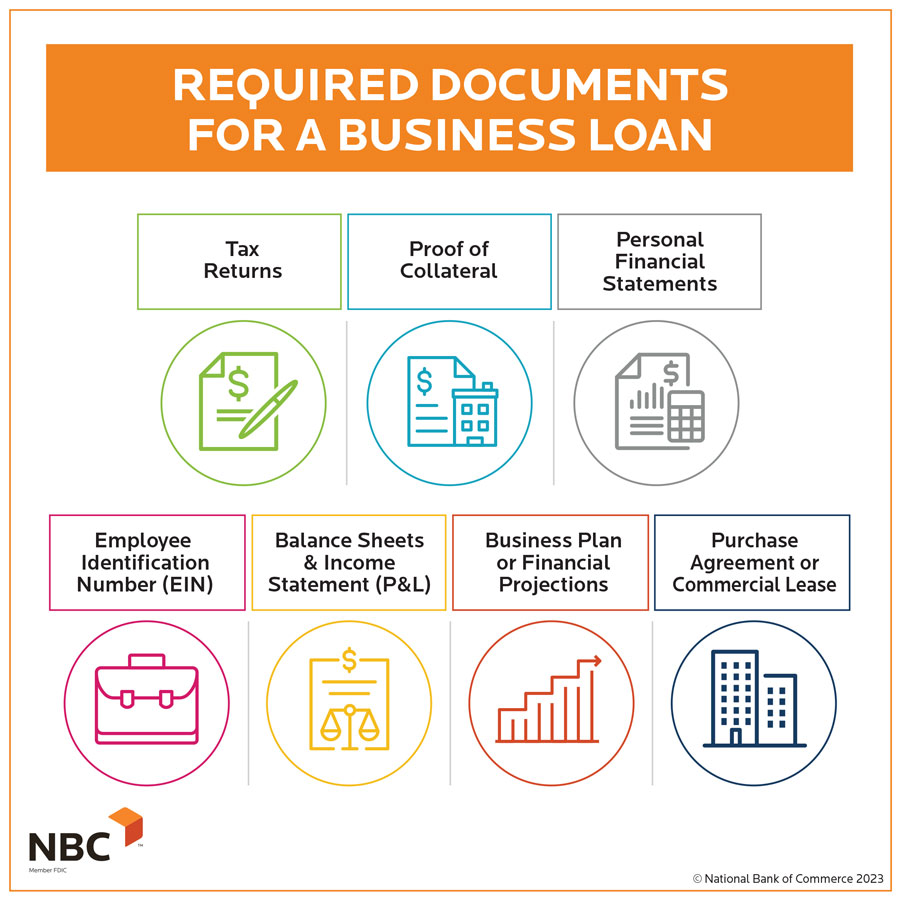
Be ready to provide comprehensive financial statements, including profit and loss statements, balance sheets, and cash flow statements, ideally for the past two to three years. Personal and business tax returns for the same period will also be required. These documents provide concrete evidence of your business’s financial health.
B. Legal and Operational Documents
This includes your business legal structure documents (articles of incorporation/organization), business licenses, permits, and any relevant contracts (e.g., leases, significant customer contracts). Lenders also want to see a clear personal resume for the owner(s), detailing relevant experience.
C. Loan Proposal and Use of Funds
While not always explicitly requested as a standalone document, a clear, concise explanation of how you intend to use the loan funds and how this will benefit your business is crucial. Lenders want to see that the loan is for a specific, strategic purpose that will generate sufficient returns to enable repayment.
2. Crafting a Compelling Narrative
Beyond the numbers, tell your business’s story. Highlight your unique selling propositions, your market growth opportunities, and the expertise of your management team. If there are any perceived weaknesses (e.g., a dip in revenue in a particular year), be prepared to explain them with a credible recovery plan. Demonstrating confidence, transparency, and a clear vision can significantly sway a lender’s decision.
Conclusion
Qualifying for a small business loan is a multi-faceted process that requires careful planning, diligent financial management, and a clear understanding of what lenders prioritize. By focusing on maintaining strong personal and business credit, demonstrating robust financial health, crafting a comprehensive business plan, and understanding the various lending options available, you can significantly enhance your chances of securing the capital needed to fuel your business’s growth. Remember, every “no” is an opportunity to refine your approach, strengthen your business, and better prepare for the next application. Approach the process strategically, and you’ll unlock the financial resources necessary to turn your entrepreneurial vision into a thriving reality.
aViewFromTheCave is a participant in the Amazon Services LLC Associates Program, an affiliate advertising program designed to provide a means for sites to earn advertising fees by advertising and linking to Amazon.com. Amazon, the Amazon logo, AmazonSupply, and the AmazonSupply logo are trademarks of Amazon.com, Inc. or its affiliates. As an Amazon Associate we earn affiliate commissions from qualifying purchases.