
In the dynamic world of business, the ability to craft a clear, actionable plan is not merely an advantage—it’s an absolute necessity. For brands, whether emerging startups, established corporations, or individuals cultivating a personal brand, a well-defined plan serves as the compass guiding every decision, every campaign, and every interaction. It transforms abstract goals into concrete steps, aligning resources and efforts towards a singular, powerful vision. Without a strategic plan, even the most innovative ideas risk languishing in obscurity, their potential unrealized. This article delves into the meticulous process of making a plan specifically tailored for brand success, ensuring that every facet of your identity, marketing, and market presence is intentionally developed and executed.

Understanding the Core of Brand Planning
Before any tactical steps can be taken, the foundational elements of your brand must be crystal clear. This initial phase is about introspection and definition, setting the bedrock upon which all subsequent planning will rest. It’s about answering the fundamental questions that define who your brand is, what it offers, and who it serves.
Defining Your Brand’s Vision and Mission
Every compelling brand begins with a compelling story—a reason for being that resonates deeply. Your vision is your aspirational North Star, a future state you aim to create or contribute to. It’s often grand and inspiring, painting a picture of the world you wish to see. For instance, a tech brand’s vision might be “to democratize access to advanced computational power for all businesses.” Complementing this is your mission statement, which articulates your brand’s core purpose and how it plans to achieve its vision. It defines your business’s scope and values, acting as a guiding principle for strategic decisions. Using the same tech brand example, their mission might be “to develop intuitive, scalable AI-driven software solutions that empower small and medium-sized enterprises to optimize operations and innovate.” These statements are not just words; they are the soul of your brand, influencing culture, product development, and communication.
Identifying Your Target Audience
A plan without a specific audience is a message cast into the void. Effective brand planning necessitates a deep understanding of who you are trying to reach. This goes beyond basic demographics to psycho-graphics, behavioral patterns, pain points, aspirations, and media consumption habits. Creating detailed buyer personas is invaluable here. For example, instead of targeting “young adults,” pinpoint “Maria, a 28-year-old freelance graphic designer living in a mid-sized city, who values sustainable products, seeks efficient digital tools, and spends her evenings researching design trends on Pinterest.” Understanding your audience intimately allows you to tailor your messaging, choose appropriate channels, and develop products or services that genuinely meet their needs, fostering a stronger, more authentic connection.
Crafting Your Unique Value Proposition
In a crowded marketplace, standing out is paramount. Your unique value proposition (UVP) is the singular, compelling reason why your target audience should choose your brand over competitors. It clearly articulates the specific benefits your brand delivers, how it solves a customer’s problem, and what makes it distinctly better or different. This isn’t just a slogan; it’s a strategic statement of competitive advantage. It needs to be concise, relevant, and persuasive. For a personal brand, this might be “I help small business owners craft compelling digital marketing strategies that convert leads into loyal customers, without the jargon or the hefty agency fees.” For a corporate brand, it could be “Our eco-friendly home cleaning products deliver superior performance using only plant-based ingredients, ensuring a safe home for your family and a healthier planet.” Developing a strong UVP requires honest assessment of your strengths and a keen awareness of your competitive landscape.
Developing Your Brand Strategy Blueprint
With your core identity defined, the next phase involves translating these insights into a actionable strategy. This is where the “how” of your brand plan truly takes shape, outlining the strategic approaches you will employ to achieve your objectives.
Research and Analysis: Knowing Your Landscape
A robust brand plan is built on data, not assumptions. This phase involves thorough market research and competitive analysis. Understanding market trends, industry benchmarks, customer behavior shifts, and technological advancements provides crucial context. Equally important is a detailed analysis of your competitors: who they are, what they offer, their pricing strategies, marketing tactics, and customer feedback. Tools like SWOT analysis (Strengths, Weaknesses, Opportunities, Threats) and PESTLE analysis (Political, Economic, Social, Technological, Legal, Environmental) can help map out the internal and external factors influencing your brand. This comprehensive understanding ensures your strategy is not only innovative but also realistic and resilient in the face of market challenges.
Setting SMART Brand Objectives
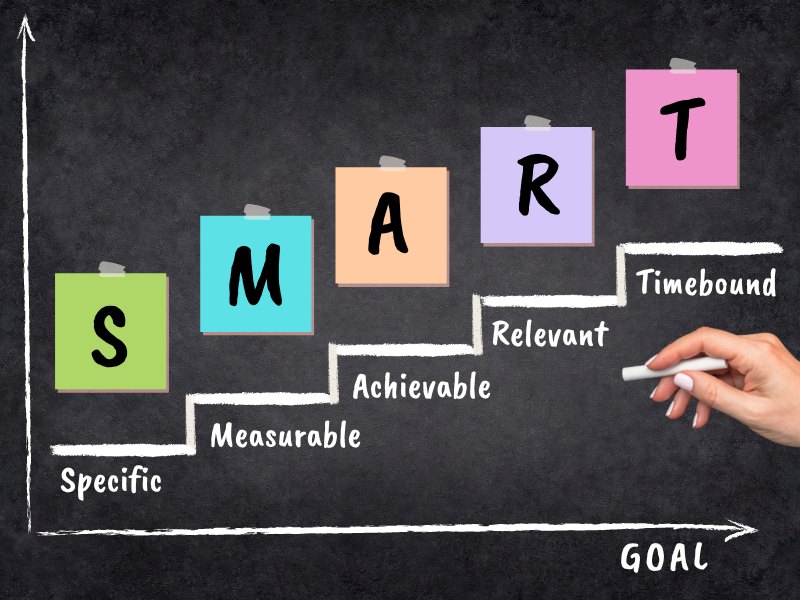
Goals provide direction and a means of measuring success. For brand planning, objectives should be SMART: Specific, Measurable, Achievable, Relevant, and Time-bound. Vague goals like “increase brand awareness” are ineffective. Instead, a SMART objective might be: “Increase organic brand mentions on social media by 20% among our target demographic within the next six months” or “Achieve a 15% increase in website traffic from search engines for key brand-related keywords within one year.” These objectives are precise, quantifiable, and provide a clear benchmark for evaluation, making it easier to track progress and adjust your plan as needed.
Mapping Out Your Brand Messaging and Tone

Your brand’s voice and message are critical for establishing connection and credibility. This involves defining the key messages you want to convey across all touchpoints, ensuring consistency and clarity. What are the core benefits, values, and differentiators you want your audience to remember? Equally important is establishing your brand’s tone of voice. Is it authoritative, playful, empathetic, innovative, or inspiring? This tone should reflect your brand’s personality and resonate with your target audience. A playful tone might suit a snack brand targeting Gen Z, while an authoritative, confident tone would be more appropriate for a financial advisory service. Consistency in messaging and tone builds trust and strengthens brand recognition, creating a cohesive experience for your audience.
The Pillars of Brand Execution Planning
Once the strategic blueprint is in place, the focus shifts to execution. This phase outlines the practical steps, channels, and resources required to bring your brand plan to life, ensuring your strategy translates into tangible actions and market presence.
Channel Strategy: Where to Engage Your Audience
Knowing your target audience isn’t enough; you also need to know where they spend their time. Your channel strategy dictates which platforms and mediums you will use to reach and engage with your audience. This could include digital channels like social media (Facebook, Instagram, LinkedIn, TikTok), search engine marketing (SEO, SEM), email marketing, content marketing (blogs, videos, podcasts), and influencer collaborations. Offline channels might involve traditional advertising (print, TV, radio), public relations, events, or direct mail. The key is to select channels that align with your audience’s habits, your brand’s message, and your overall objectives. A thoughtful channel strategy optimizes your reach and ensures your efforts are concentrated where they will yield the most impact.
Content Planning and Calendarization
Content is the fuel that drives engagement and reinforces your brand’s message. A robust content plan details the types of content you will create (blog posts, videos, infographics, social media updates, case studies, etc.), the topics you will cover, and how they align with your brand messaging and audience needs. Content calendarization takes this a step further by scheduling when and where each piece of content will be published. This ensures a consistent flow of valuable content, prevents last-minute scrambles, and allows for strategic alignment with marketing campaigns, product launches, or seasonal trends. A well-organized content calendar is a powerful tool for maintaining brand visibility and relevance, systematically nurturing your audience over time.
Budgeting and Resource Allocation
Even the most brilliant brand plan is futile without the necessary resources. This involves creating a detailed budget that allocates funds across various activities, from marketing campaigns and content creation to design, technology, and personnel. Consider costs for advertising spend, software subscriptions, creative services, event participation, and team salaries. Beyond financial resources, resource allocation also encompasses human capital, time, and technology. Who is responsible for what? What tools are needed? What are the timelines for each task? A realistic budget and clear allocation of responsibilities are crucial for operational efficiency and ensuring that your brand plan is executed within financial and logistical constraints, preventing overspending or under-delivery.
Measuring, Adapting, and Iterating Your Brand Plan
The final, yet continuous, phase of brand planning involves monitoring performance, learning from outcomes, and adapting your strategy. A plan is not a static document; it’s a living guide that must evolve with market shifts and new insights.
Establishing Key Performance Indicators (KPIs)
To determine if your brand plan is successful, you need quantifiable metrics. Key Performance Indicators (KPIs) are specific, measurable values that demonstrate how effectively your brand is achieving its objectives. These should directly tie back to your SMART goals. For a brand awareness goal, KPIs might include website traffic, social media reach and engagement rates, brand mentions, or media impressions. For lead generation, KPIs could be conversion rates, cost-per-lead, or lead quality scores. By establishing relevant KPIs upfront, you create a clear framework for evaluating the effectiveness of your brand activities, allowing for data-driven decision-making.
Monitoring and Analytics: The Feedback Loop
Regularly collecting and analyzing data is paramount. This involves using analytics tools (e.g., Google Analytics, social media insights, email marketing platform reports) to track your KPIs and gather insights into customer behavior, campaign performance, and market sentiment. This data forms a critical feedback loop, providing an objective view of what’s working and what isn’t. Are your social media campaigns generating the expected engagement? Is your website content leading to conversions? Are there shifts in customer preferences you need to address? Consistent monitoring allows for early detection of issues and identification of opportunities, informing tactical adjustments and strategic refinements.
Flexibility and Agile Planning
The business landscape is constantly evolving. Consumer tastes change, new technologies emerge, and competitors innovate. Therefore, a successful brand plan must incorporate flexibility and agile methodologies. Instead of rigid, long-term plans that are difficult to pivot, consider iterative planning cycles. Regularly review your data, hold team check-ins, and be prepared to make adjustments to your strategy, messaging, or channel mix. This doesn’t mean abandoning your core vision, but rather being responsive to real-world outcomes and emerging trends. An agile approach ensures your brand remains relevant, resilient, and continuously optimized for growth in an unpredictable environment.
Crafting a brand plan is a multifaceted endeavor that demands strategic foresight, creative thinking, and meticulous execution. By systematically defining your brand’s core, developing a robust strategy, executing with precision, and continuously measuring and adapting, you not only make a plan—you forge a blueprint for enduring brand success. This structured approach moves beyond hopeful aspirations to deliver measurable impact, building a brand that resonates, engages, and thrives.
aViewFromTheCave is a participant in the Amazon Services LLC Associates Program, an affiliate advertising program designed to provide a means for sites to earn advertising fees by advertising and linking to Amazon.com. Amazon, the Amazon logo, AmazonSupply, and the AmazonSupply logo are trademarks of Amazon.com, Inc. or its affiliates. As an Amazon Associate we earn affiliate commissions from qualifying purchases.