
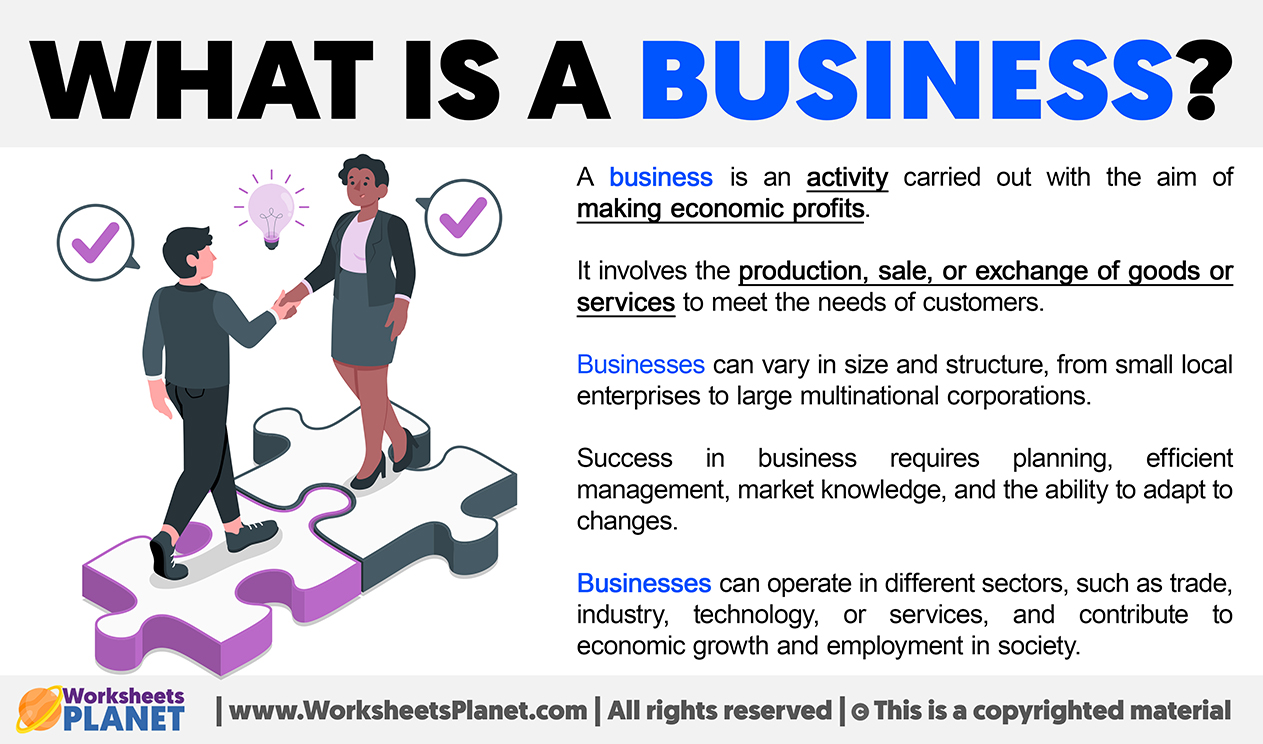
At its core, a business is an organized entity or enterprise engaged in commercial, industrial, or professional activities. Its primary purpose is to generate revenue, often with the ultimate goal of making a profit, by providing goods or services to customers. While this definition might seem straightforward, the modern business landscape is incredibly diverse, encompassing everything from a sole proprietor selling handmade goods online to multinational corporations with complex global operations. Fundamentally, a business thrives on the principle of value exchange: it offers something of value—be it a product that solves a problem, a service that fulfills a need, or an experience that entertains—in return for financial compensation. This foundational transaction underpins all commercial activity and is the engine of economic growth.
The concept of a “business” is deeply intertwined with personal finance, investing, and the broader financial ecosystem. For individuals, understanding how businesses operate is crucial for making informed investment decisions, evaluating career paths, or even launching their own online income streams or side hustles. For society, businesses are the drivers of innovation, job creation, and wealth accumulation. They connect producers and consumers, facilitate trade, and continuously adapt to evolving market demands and technological advancements. This article will delve into the multifaceted nature of a business, exploring its fundamental principles, diverse structures, financial underpinnings, and its vital role in the economic tapestry, all through the lens of monetary implications and financial strategy.
The Core Essence of a Business: Value Exchange and Profit
The existence of any business hinges on two fundamental principles: the exchange of value and the pursuit of profit. Without these, an entity may be a hobby, a social club, or a charity, but it wouldn’t be classified as a business in the traditional sense. Understanding these pillars is crucial for anyone looking to invest in, work for, or create a successful venture.
Defining the Fundamental Transaction
Every business transaction, regardless of its scale or complexity, boils down to an exchange of value. A business identifies a specific need or desire within a market and develops a product or service to address it. Customers, in turn, perceive that the value offered by the business (e.g., convenience, quality, solution to a problem) is greater than the financial cost they incur. This perception drives the purchasing decision. For example, a software company offers an AI tool that automates tedious tasks, saving businesses time and money. The perceived value of this efficiency gain by the purchasing business must exceed the subscription fee. Similarly, a local baker offers fresh bread, satisfying a craving for delicious food. The value of the bread (taste, convenience, nourishment) outweighs its price for the customer. This value can be tangible, like a physical product, or intangible, like a consulting service or digital content. The more effectively a business can identify, create, and communicate this value, the greater its potential for success and sustained financial performance.
The Role of Profit: Sustainability and Growth
While generating revenue is the initial goal, the ultimate financial objective for most businesses is to make a profit. Profit is the financial gain, especially the difference between the amount earned and the amount spent in buying, operating, or producing something. It’s not merely a bonus; it’s the lifeblood of a business. Without profit, a business cannot pay its employees, reinvest in its operations, repay its debts, or expand. It’s the metric that indicates a business is creating value efficiently enough to cover its costs and still have a surplus. This surplus allows for innovation (developing new products or services), expansion (reaching new markets), and resilience (withstanding economic downturns). From an investor’s perspective, profit is paramount as it underpins dividends and share price appreciation. For entrepreneurs pursuing online income or a side hustle, profit directly translates into personal financial gain and the ability to scale their venture. Sustained profitability signals financial health and viability, attracting further investment and talent, and ensuring the business’s long-term survival and growth.
Beyond Simple Transactions: Solving Problems and Creating Value
Modern businesses, especially those thriving in competitive markets, often go beyond simple transactional exchanges. They position themselves as problem-solvers and value creators. A successful business doesn’t just sell a product; it sells a solution to a customer’s pain point, an enhancement to their life, or a fulfillment of an aspiration. Consider a financial advisory firm: it doesn’t just offer investment products; it provides peace of mind, strategic planning, and expertise to help clients achieve their financial goals. An online course creator doesn’t just sell videos; they sell knowledge, skill development, and a pathway to a better career or a new side hustle. This deeper understanding of customer needs allows businesses to build stronger relationships, foster loyalty, and command premium pricing, all of which contribute to more robust revenue streams and higher profit margins. The ability to innovate and consistently deliver new forms of value is what differentiates market leaders and ensures their continued financial relevance.
Diverse Forms and Structures of Business
The legal and operational structure a business adopts significantly impacts its financial liabilities, tax obligations, administrative burden, and ability to raise capital. Understanding these differences is crucial for anyone starting a venture, investing in one, or simply understanding the economic landscape.
Sole Proprietorships and Partnerships: Personal Responsibility
These are typically the simplest and most common forms of business, especially for side hustles or small online income ventures. A sole proprietorship is an unincorporated business owned by one individual. There’s no legal distinction between the owner and the business, meaning the owner personally bears all liabilities, debts, and obligations. This simplicity offers ease of setup and minimal regulatory hurdles but exposes the owner’s personal assets to business risks. Financially, all profits and losses flow directly through to the owner’s personal tax return. A partnership involves two or more individuals who agree to share in the profits or losses of a business. Similar to sole proprietorships, partners typically face unlimited personal liability for the business’s debts, though specific partnership agreements can outline different levels of responsibility. While offering pooled resources and shared expertise, the financial implications of shared liability and profit distribution require clear, legally binding agreements. These structures are often chosen for their low startup costs and ease of administration, making them popular for independent contractors, freelancers, and small local businesses where capital needs are modest.
Corporations and LLCs: Limiting Liability and Scaling Potential
For ventures with higher growth aspirations or greater financial risks, structures that limit personal liability are often preferred. A Limited Liability Company (LLC) offers the liability protection of a corporation with the pass-through taxation of a sole proprietorship or partnership. Owners (members) are not personally liable for the company’s debts or legal actions, protecting their personal assets. This flexibility makes LLCs extremely popular for a wide range of businesses, from startups seeking venture capital to established small businesses. A corporation (C-Corp or S-Corp) is a legal entity separate and distinct from its owners (shareholders). This separation provides the strongest liability protection, as shareholders’ personal assets are generally shielded from business debts and lawsuits. Corporations can also raise capital more easily by selling stock, making them ideal for large, publicly traded companies or those planning significant expansion through investment. However, C-Corps face “double taxation”—the corporation pays taxes on its profits, and shareholders pay taxes on dividends received. S-Corps avoid this by passing profits and losses directly to shareholders’ personal incomes, similar to an LLC, but with more stringent operational requirements. The choice of corporate structure is a critical financial decision impacting taxation, risk management, and fundraising capabilities.
Non-Profit Organizations: Mission-Driven Value
While typically not focused on generating profit for owners, non-profit organizations (NPOs) are still organized entities engaged in specific activities, often providing goods or services. Their primary objective is to fulfill a social mission, address a public need, or promote a cause, rather than to distribute profits to shareholders. Financially, NPOs rely on grants, donations, fundraising events, and sometimes even earned income from related activities. They must manage their finances meticulously, ensuring transparency and adherence to their mission. Any surplus revenue is reinvested into the organization to further its objectives. While they operate under different financial incentives, non-profits still require sound business practices in budgeting, financial reporting, and operational efficiency to ensure sustainability and impact. Understanding non-profits is important in the money niche because they represent a significant sector of the economy, employing many and often interacting financially with for-profit businesses through partnerships or service provision.
Online Businesses and Gig Economy: New Paradigms of Value Creation
The digital age has ushered in new business forms that redefine traditional structures and opportunities for online income and side hustles. Online businesses leverage the internet to reach customers globally, often with lower overheads than brick-and-mortar stores. This includes e-commerce sites, software-as-a-service (SaaS) providers, digital content creators (bloggers, YouTubers, podcasters), online course platforms, and dropshipping operations. These ventures can scale rapidly and often operate with lean teams, making them attractive for entrepreneurs seeking financial independence. The gig economy represents a broader shift, where individuals provide services on a freelance or short-term basis, often through digital platforms (e.g., Uber, Airbnb, Upwork, Fiverr). Gig workers are essentially sole proprietors or independent contractors running micro-businesses. These new paradigms emphasize agility, digital marketing, and leveraging technology to create value and generate income, fundamentally altering how many individuals engage with the concept of “doing business.” The financial strategies for these entities often focus on platform optimization, rapid iteration, and managing variable income streams.
Key Financial Pillars of Any Business
Regardless of its size or structure, every business operates on a set of core financial principles. Understanding these pillars is fundamental to assessing a business’s health, making informed financial decisions, and ensuring its long-term viability. For investors, these are the metrics that matter most. For entrepreneurs, they are the levers for success.

Revenue Generation: The Lifeblood of Operations
Revenue, often called “top-line” income, is the total amount of money a business generates from its sales of goods or services before deducting any expenses. It is the absolute prerequisite for any business’s existence. Diverse strategies exist for revenue generation, from direct sales and subscriptions to licensing agreements and advertising. An online course platform generates revenue from course enrollments and premium memberships. A consultant generates revenue from client contracts. A retailer earns revenue from product sales. The effectiveness of a business’s revenue generation strategy directly impacts its ability to cover costs and ultimately achieve profitability. Key considerations include pricing strategy (how much to charge), sales volume (how many units or services to sell), and market penetration (how many customers to reach). For an online income venture, optimizing conversion rates on a website or increasing affiliate sales through targeted content are direct revenue generation activities.
Cost Management: Optimizing for Profitability
While revenue is crucial, it’s only half the equation. Profitability is determined by how effectively a business manages its costs. Costs can be broadly categorized into fixed costs (expenses that don’t change with production volume, like rent or salaries) and variable costs (expenses that fluctuate with production, like raw materials or shipping fees). Effective cost management involves identifying all expenses, scrutinizing their necessity, negotiating favorable terms with suppliers, and seeking efficiencies in operations. For a side hustle involving product sales, managing inventory costs, shipping fees, and marketing spend are critical. A business that can increase revenue while simultaneously controlling or reducing costs will see its profit margins expand, leading to greater financial stability and growth potential. This often involves careful budgeting, leveraging financial tools for expense tracking, and strategic procurement.
Funding and Capital: Fueling Growth
Few businesses can start or grow without some form of capital. Capital is the financial resources a business uses to fund its operations, invest in assets, and expand. Sources of capital can include:
-
Bootstrapping: Using personal savings or early revenue to fund the business (common for side hustles and small online businesses).
-
Debt Financing: Borrowing money from banks, credit unions, or other lenders, which must be repaid with interest. This includes business loans, lines of credit, or venture debt.
-
Equity Financing: Selling ownership stakes (shares) in the company to investors (e.g., angel investors, venture capitalists). This provides capital without repayment obligations but dilutes ownership.
-
Grants: Non-repayable funds, often from government programs or foundations, typically for specific purposes or industries.
-
Crowdfunding: Raising small amounts of capital from a large number of individuals, often via online platforms.
The choice of funding method has significant financial implications regarding interest payments, dilution of ownership, and repayment schedules, all of which directly impact a business’s cash flow and overall financial health.
Financial Statements: Measuring Performance and Health
Financial statements are formal records that represent the financial activities and position of a business. They are essential tools for internal management, investors, lenders, and regulators to understand a business’s financial health. The three primary financial statements are:
-
Income Statement (Profit & Loss Statement): Shows a company’s revenues and expenses over a period (e.g., a quarter or year), culminating in net income (profit or loss). It’s crucial for assessing profitability.
-
Balance Sheet: Provides a snapshot of a company’s assets (what it owns), liabilities (what it owes), and equity (owners’ stake) at a specific point in time. It’s vital for understanding financial position and solvency.
-
Cash Flow Statement: Tracks the movement of cash in and out of a business over a period, categorized into operating, investing, and financing activities. It’s critical for understanding liquidity and a company’s ability to generate cash to pay its obligations.
These statements, often prepared using accounting software, provide the critical data for financial analysis, investment decisions, and strategic planning, ensuring a business can accurately measure its progress and manage its monetary resources effectively.
The Business Ecosystem: Interconnected Financial Relationships
No business operates in a vacuum. It exists within a complex ecosystem of relationships, each with significant financial implications. Understanding these interdependencies is key to grasping how a business generates, sustains, and grows its financial value.
Customers: The Source of Revenue
Customers are the most critical component of the business ecosystem, as they are the ultimate source of revenue. Without customers willing to purchase goods or services, a business cannot generate income and will fail. Effective businesses deeply understand their target customers, their needs, purchasing behaviors, and price sensitivities. Customer acquisition costs (CAC) and customer lifetime value (CLTV) are key financial metrics. A business must invest in marketing and sales to attract new customers, and in customer service and product quality to retain existing ones, all of which have direct financial costs and returns. For online income ventures, building an audience and converting them into paying customers through effective funnels and compelling offers is paramount. The financial health of a business is directly proportional to its ability to consistently attract and satisfy its customer base.
Suppliers: Managing Costs and Resources
Suppliers provide the raw materials, components, services, and infrastructure that a business needs to operate. From the software platform used by an online consultant to the raw ingredients for a food business, supplier relationships are critical to cost management and operational efficiency. Negotiating favorable terms with suppliers—including pricing, delivery schedules, and payment terms—can significantly impact a business’s cost of goods sold (COGS) and cash flow. A strong relationship with reliable suppliers ensures consistent quality and supply, preventing costly disruptions. Conversely, over-reliance on a single supplier or poor supplier management can lead to financial vulnerabilities. Managing supplier payments is a significant aspect of business finance, impacting accounts payable and overall liquidity.
Investors and Lenders: Providers of Capital
Investors (individuals, venture capitalists, private equity firms) and lenders (banks, credit unions) are crucial for providing the capital a business needs to start, grow, or survive challenging periods. They assess a business’s financial viability, growth potential, and risk profile before committing funds. For investors, the expectation is a financial return on their investment, either through dividends, capital appreciation (selling shares at a higher price), or an exit event. Lenders expect timely repayment of loans plus interest. Managing relationships with investors involves transparent financial reporting, demonstrating growth, and often adhering to specific financial covenants. Dealing with lenders involves maintaining a good credit score, managing debt, and ensuring sufficient cash flow to cover debt service. These relationships are foundational to a business’s ability to fund its ambitions and manage its balance sheet effectively.
The Regulatory Environment: Compliance and Financial Governance
Businesses operate within a framework of local, national, and international laws and regulations. This regulatory environment has significant financial implications, impacting everything from taxation and labor laws to environmental standards and consumer protection. Compliance costs can be substantial, including legal fees, specialized personnel, and technology. Non-compliance, however, can lead to severe financial penalties, lawsuits, reputational damage, and even operational shutdowns. Businesses must navigate complex tax codes, understand licensing requirements, adhere to financial reporting standards (e.g., GAAP or IFRS), and ensure data privacy compliance. For online businesses operating across borders, navigating varying tax laws and data regulations (like GDPR) is a constant challenge. Effective financial governance, including internal controls and auditing, is crucial to ensure legal and ethical operation, protect assets, and maintain stakeholder trust.
The Journey of Entrepreneurship: From Idea to Financial Success
The entrepreneurial journey is a dynamic process of transforming an idea into a financially viable and sustainable business. It’s a path characterized by innovation, calculated risk-taking, strategic financial planning, and continuous adaptation. For many, it’s the ultimate path to creating online income, building substantial wealth, or developing a significant side hustle into a full-time venture.
Identifying Market Opportunities and Financial Viability
The journey begins with identifying a market opportunity – a problem to solve, a need to fulfill, or a desire to satisfy. This involves thorough market research to understand potential customers, competitors, and the overall industry landscape. Crucially, an entrepreneur must assess the financial viability of the opportunity. This means asking: Is there a large enough market willing to pay for the solution? What are the potential revenue streams? What are the anticipated costs? Can the business generate sufficient profit to be sustainable? This initial financial assessment often includes creating preliminary financial projections, such as sales forecasts and expense budgets, to determine if the idea has the potential to generate a positive return on investment. Without a clear path to financial viability, even the most innovative idea is unlikely to become a successful business.
Developing a Business Model and Revenue Streams
Once an opportunity is identified, the next step is to develop a robust business model, which outlines how the business will create, deliver, and capture value. This includes defining the value proposition, target customer segments, key activities, resources, partnerships, and, most importantly from a financial perspective, the cost structure and revenue streams. Revenue streams specify how the business will make money – whether through product sales, subscriptions, advertising, commissions (common in affiliate marketing side hustles), licensing, or service fees. A well-defined business model considers not only how to generate income but also how to optimize pricing, manage costs, and create sustainable competitive advantages that protect profit margins. For example, a content creator might diversify revenue streams through ad revenue, sponsorships, merchandise sales, and premium content subscriptions.
Scaling and Sustaining Financial Growth
After initial launch and achieving some traction, the focus shifts to scaling and sustaining financial growth. Scaling involves expanding operations to serve more customers or offer more products/services without a proportional increase in costs, leading to increased profitability. This often requires strategic investment in infrastructure, technology (like new financial software or e-commerce platforms), marketing, and personnel. Sustaining growth means continually innovating, managing cash flow effectively, and adapting to market changes. Key financial considerations at this stage include managing working capital, securing additional funding (through debt or equity) for expansion, optimizing operational efficiency to reduce costs, and analyzing financial metrics like customer acquisition cost, churn rate, and return on marketing investment. Effective financial forecasting and budgeting become even more critical to ensure that growth is healthy and sustainable, preventing “growth for growth’s sake” that can lead to cash flow crises.
Exit Strategies: Realizing Financial Returns
While often considered much later in the business lifecycle, entrepreneurs should ideally consider their exit strategy from the outset. An exit strategy is a plan for how an owner will eventually leave a business and convert their ownership into cash. This is a critical financial consideration, as it determines how entrepreneurs and investors ultimately realize their financial returns. Common exit strategies include selling the business to another company (acquisition), selling shares to the public (Initial Public Offering or IPO), selling to employees or management, or winding down operations and liquidating assets. Each option has different financial implications regarding valuation, timing, tax consequences, and the level of return for the owners. For individuals building a substantial online income business or a scalable side hustle, understanding potential exit opportunities can influence early decisions about legal structure, intellectual property, and building transferrable value, ultimately maximizing the financial reward for their entrepreneurial efforts.
In conclusion, understanding “what is a business” is an exploration of financial principles, value creation, risk management, and strategic growth. Whether viewed from the perspective of an investor seeking returns, an entrepreneur building wealth, or an individual navigating the modern economy, the core mechanisms of revenue, cost, profit, and capital remain central to defining and driving every successful enterprise.
aViewFromTheCave is a participant in the Amazon Services LLC Associates Program, an affiliate advertising program designed to provide a means for sites to earn advertising fees by advertising and linking to Amazon.com. Amazon, the Amazon logo, AmazonSupply, and the AmazonSupply logo are trademarks of Amazon.com, Inc. or its affiliates. As an Amazon Associate we earn affiliate commissions from qualifying purchases.