
The allure of working from home, setting your own hours, and being your own boss is powerful. For many, starting a home-based business represents the ultimate pursuit of professional autonomy and financial freedom. It’s a journey fraught with both incredible opportunities and significant challenges, particularly on the financial front. This comprehensive guide will navigate the monetary landscape of launching and scaling a successful home-based venture, offering insights into everything from initial funding to long-term financial sustainability. Embrace the entrepreneurial spirit and arm yourself with the financial acumen needed to turn your home-based business dream into a profitable reality.
I. Laying the Financial Foundation for Your Venture
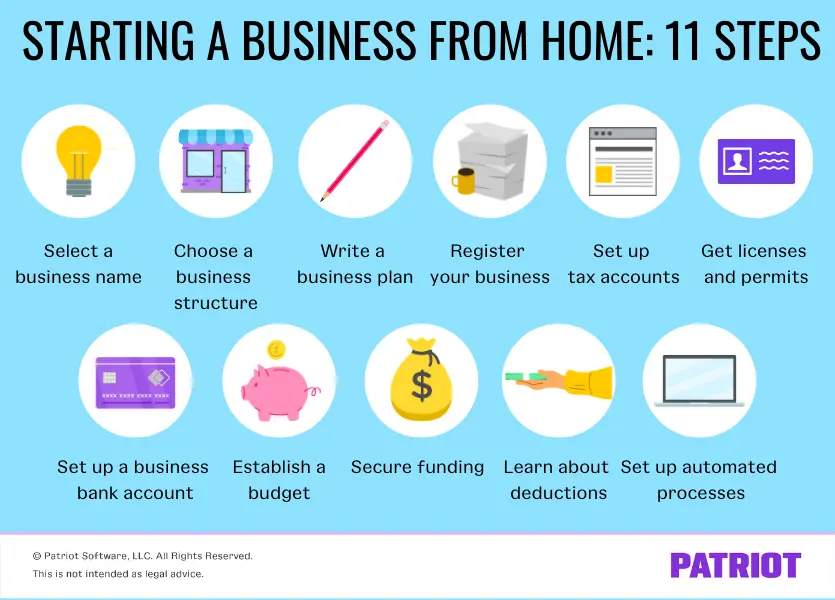
Embarking on any entrepreneurial endeavor necessitates a robust financial groundwork. For a home-based business, this involves a careful assessment of personal finances, strategic capital acquisition, and meticulous planning.
A. Assessing Your Personal Financial Readiness
Before you even think about business plans, look inward at your personal financial situation. This is perhaps the most overlooked, yet critical, first step.
-
Understanding Current Expenses vs. Potential Income: Objectively evaluate your monthly personal expenses. How long can you sustain your current lifestyle if your business doesn’t generate immediate income? Many home-based businesses take time to become profitable, requiring a buffer.
-
Emergency Fund Importance: A robust personal emergency fund (3-6 months of living expenses) is paramount. It acts as a safety net, preventing you from dipping into your nascent business’s funds or incurring personal debt if income is slow or unexpected personal expenses arise.
-
Managing Personal Debt While Starting: High-interest personal debt can stifle your entrepreneurial spirit and siphon crucial funds. Prioritize reducing or eliminating credit card debt before starting your business, allowing you to dedicate more financial and mental resources to your venture.
B. Initial Capital and Funding Strategies
Every business needs capital to get off the ground. Even home-based businesses, often perceived as low-cost, require investment in equipment, marketing, and operational expenses.
-
Bootstrapping (Personal Savings): This is the most common and often recommended funding method for home-based businesses. Using your own savings minimizes debt and gives you complete control. It also forces financial discipline from day one.
-
Small Business Loans: Explore options like SBA (Small Business Administration) loans, microloans from non-profits, or conventional bank loans. These typically require a solid business plan, collateral, and a good personal credit score. Understand the interest rates and repayment terms thoroughly.
-
Grants, Crowdfunding, Friends & Family: Depending on your business type, grants (often sector-specific or for underserved groups) can be non-repayable capital. Crowdfunding platforms (Kickstarter, Indiegogo) can validate your idea and raise funds, while seeking investment from friends and family requires clear agreements to avoid strain on relationships.
-
Understanding Startup Costs: Detail every conceivable initial expense: domain registration, website hosting, software subscriptions, initial inventory, marketing materials, professional services (legal, accounting), necessary equipment (computer, printer, specialized tools), and licenses/permits. Overestimate rather than underestimate.
C. Crafting a Detailed Business Plan with Financial Projections
A comprehensive business plan serves as your financial roadmap. It’s not just for investors; it’s a living document that guides your decisions.
-
Revenue Models and Pricing Strategies: How will your business make money? Will it be through product sales, service fees, subscriptions, advertising, or a combination? Define your pricing strategy – cost-plus, value-based, competitive pricing – and justify it.
-
Break-Even Analysis: Calculate the point at which your total revenue equals your total costs. This critical figure tells you how much you need to sell to cover your expenses and start making a profit.
-
Projected Profit and Loss Statements: Create realistic projections for your sales, cost of goods sold, and operating expenses for at least the first 1-3 years. Be conservative in your revenue estimates and liberal in your expense estimates.
-
Cash Flow Forecasts: This is arguably the most vital financial projection. It tracks money coming in and going out, showing if you have enough cash on hand to meet your obligations. A profitable business can still fail if it runs out of cash.
II. Smart Financial Management from Day One
Once your business is operational, diligent financial management becomes paramount. It’s not just about making money; it’s about managing it effectively to ensure long-term viability and growth.
A. Separating Personal and Business Finances
This is a non-negotiable rule for any serious home-based entrepreneur.
-
Dedicated Business Bank Account: Open a separate checking and savings account specifically for your business. This simplifies accounting, tax preparation, and protects your personal assets by establishing a clear financial distinction.
-
Business Credit Card: Obtain a business credit card to manage business expenses. This helps build business credit, which can be crucial for future loans, and provides another clear separation of expenditures.
-
Benefits for Tracking, Taxes, and Liability: Clear separation makes expense tracking effortless, streamlines tax filings by providing an undeniable record of business transactions, and offers a layer of legal protection by maintaining the business as a distinct entity.
B. Budgeting and Expense Tracking
Effective budgeting and meticulous expense tracking are the bedrock of financial control.
-
Essential Tools: Utilize accounting software like QuickBooks Self-Employed, FreshBooks, or Xero, which are designed for small businesses and freelancers. Even a detailed spreadsheet can work initially. These tools automate tracking, categorize expenses, and generate reports.
-
Categorizing Expenses for Tax Deductions: Understand common deductible business expenses (home office, supplies, software, utilities, professional development, travel). Proper categorization ensures you maximize legitimate tax write-offs.
-
Controlling Overhead: Regularly review your fixed and variable expenses. Can you negotiate better rates with suppliers? Are there subscriptions you no longer use? Minimizing unnecessary overhead directly impacts your profit margin.
C. Pricing Strategies for Profitability
Setting the right price for your products or services is a delicate balance between covering costs, achieving profitability, and attracting customers.
-
Cost-Plus Pricing: Calculate your total costs (materials, labor, overhead) for a product or service, then add a desired profit margin percentage. Simple but may not always reflect market value.
-
Value-Based Pricing: Price based on the perceived value your customers derive from your offering. This often allows for higher prices if your solution provides significant benefits, time savings, or unique features.
-
Competitive Pricing: Analyze what competitors are charging for similar products or services. You might price slightly lower to attract customers, match competitors, or price higher to signify premium quality.
-
Understanding Perceived Value: Beyond the tangible, consider the intangible benefits your business offers. Brand reputation, exceptional customer service, unique expertise, and convenience all contribute to perceived value and can justify higher price points.
-
Analyzing Competitor Pricing and Market Demand: Don’t just set a price in a vacuum. Research your market thoroughly to understand customer willingness to pay and what the going rate is.
III. Navigating the Financial Landscape of Income and Taxes
Successfully managing a home-based business extends to understanding how you generate income and fulfilling your obligations to tax authorities.
A. Generating and Diversifying Revenue Streams

While your initial business idea forms the core, exploring additional income avenues can build resilience and boost overall profitability.
-
Primary Service/Product: Focus on perfecting your core offering and consistently delivering value to establish a strong customer base.
-
Upselling and Cross-selling: Once customers are happy, offer premium versions of your product/service (upselling) or complementary items (cross-selling). This increases average transaction value.
-
Subscription Models and Passive Income Opportunities: Consider recurring revenue models (memberships, subscriptions) for stable income. Explore passive income streams like digital products, affiliate marketing, or licensing your content, which require initial effort but can generate income over time.
-
Importance of Consistent Sales: Develop strong marketing and sales funnels to ensure a steady influx of customers and consistent revenue. Fluctuate income can be destabilizing.
B. Understanding Tax Obligations for Home-Based Businesses
Taxes are a significant aspect of running a business and often catch new entrepreneurs off guard.
-
Sole Proprietorship, LLC, S-Corp Implications: Your business legal structure profoundly impacts your tax obligations. A sole proprietor’s business income and expenses are reported on their personal tax return (Schedule C). LLCs offer flexibility, while S-Corps can provide tax advantages for owner-employees by allowing them to pay themselves a reasonable salary and take remaining profits as distributions.
-
Self-Employment Taxes (Social Security, Medicare): As a self-employed individual, you are responsible for paying both the employer and employee portions of Social Security and Medicare taxes, totaling 15.3% on your net earnings.
-
Estimated Taxes: Quarterly Payments: If you expect to owe at least $1,000 in taxes for the year, you are generally required to pay estimated taxes quarterly (April 15, June 15, September 15, January 15 of the following year). Failure to do so can result in penalties.
-
Home Office Deductions and Business Expense Deductions: Take advantage of legitimate deductions, such as the simplified home office deduction or actual expenses (a portion of rent/mortgage, utilities, insurance). Keep impeccable records for all business-related expenses.
C. Seeking Professional Financial Guidance
While DIY financial management is possible, professional help can be invaluable.
-
When to Hire an Accountant or Financial Advisor: As your business grows in complexity and revenue, consider hiring a CPA (Certified Public Accountant) for tax planning, preparation, and general financial advice. A financial advisor can help with long-term wealth management and investment strategies.
-
Benefits of Professional Tax Planning and Financial Strategy: Professionals can identify deductions you might miss, ensure compliance, help you choose the optimal business structure, and develop strategies for profit optimization and wealth accumulation.
IV. Sustaining Growth and Financial Health
Beyond the initial setup and day-to-day operations, long-term success hinges on strategic financial planning and continuous monitoring.
A. Reinvesting Profits Strategically
Once your business is profitable, the decision of how to use those profits is crucial.
-
Scaling Operations: Invest in expanding your team, upgrading technology, or increasing production capacity to meet growing demand.
-
Marketing and New Product Development: Allocate funds to more aggressive marketing campaigns, market research, or the development of new products/services to maintain relevance and competitive edge.
-
Building a Business Savings Buffer: Just as personal finances need an emergency fund, so too does your business. A reserve fund can cushion against economic downturns, unexpected expenses, or seasonal lulls.
B. Monitoring Key Financial Performance Indicators (KPIs)
Financial health isn’t just about the bottom line; it’s about understanding the metrics that drive it.
-
Revenue Growth: Track your sales over time to identify trends and measure the effectiveness of your sales and marketing efforts.
-
Profit Margins: Understand your gross and net profit margins to assess the efficiency of your operations and pricing strategy.
-
Customer Acquisition Cost (CAC): How much does it cost to acquire a new customer? This helps optimize marketing spend.
-
Customer Lifetime Value (CLV): How much revenue does an average customer generate over their relationship with your business? This helps prioritize customer retention.
-
Using Data to Make Informed Financial Decisions: Regularly review your KPIs to identify areas for improvement, pinpoint successful strategies, and make data-driven decisions that impact your financial trajectory.
C. Planning for Retirement and Long-Term Financial Security
As a home-based business owner, you don’t have an employer-sponsored 401(k). You need to proactively plan for your future.
-
SEP IRAs, Solo 401(k)s for Self-Employed: These are excellent retirement savings vehicles for self-employed individuals, allowing for much higher contribution limits than traditional IRAs.
-
Integrating Business Finance with Personal Financial Goals: Your business should be a tool to achieve your broader personal financial goals, including retirement, buying a home, or funding education. Plan how profits will flow into these long-term objectives.
V. Mitigating Financial Risks and Ensuring Stability
Every business faces risks. Proactive financial strategies can help cushion the blow of unforeseen challenges and ensure resilience.
A. Understanding Business Insurance Needs
Insurance is a critical financial safeguard for your home-based business.
-
General Liability Insurance: Protects against claims of bodily injury or property damage caused by your business operations.
-
Professional Liability (E&O) Insurance: Essential for service-based businesses, covering claims of negligence, errors, or omissions in professional services.
-
Home Business Insurance Riders: Your homeowner’s policy likely offers minimal coverage for business assets. A rider or separate home-based business policy can provide adequate protection for equipment, inventory, and liability.
-
Protecting Assets and Income: The right insurance policies protect your financial assets from legal claims and can provide income replacement if your business operations are disrupted.
B. Building a Financial Safety Net for Your Business
Beyond insurance, an internal financial buffer is crucial.
-
Emergency Fund for Unexpected Downturns: Maintain a separate business emergency fund, ideally covering 3-6 months of operating expenses. This fund provides stability during slow periods or unforeseen crises (e.g., economic recession, supply chain disruption).
-
Contingency Planning: Develop financial contingency plans for various scenarios – what if a major client leaves? What if a key supplier goes out of business? Having a plan in place reduces panic and ensures continuity.
C. Managing Debt Wisely
Debt can be a powerful tool for growth but a dangerous trap if misused.
-
Using Credit Strategically for Growth, Not Just Survival: Business loans or lines of credit should be used to invest in growth opportunities with a clear ROI, such as expanding operations or launching a new product. Avoid using debt to cover operational shortfalls.
-
Avoiding High-Interest Debt: Stay clear of high-interest credit cards for long-term business financing. If you must use them, pay them off quickly to avoid crippling interest payments.
Starting a home-based business is an exhilarating journey, promising unparalleled flexibility and financial reward. By diligently laying a strong financial foundation, mastering smart money management, understanding your tax obligations, and planning for sustainable growth and risk mitigation, you can transform your entrepreneurial vision into a thriving, resilient, and financially secure venture. The keys to success lie not just in your innovative ideas, but equally in your disciplined and proactive approach to business finance.
aViewFromTheCave is a participant in the Amazon Services LLC Associates Program, an affiliate advertising program designed to provide a means for sites to earn advertising fees by advertising and linking to Amazon.com. Amazon, the Amazon logo, AmazonSupply, and the AmazonSupply logo are trademarks of Amazon.com, Inc. or its affiliates. As an Amazon Associate we earn affiliate commissions from qualifying purchases.