
Building a small company from the ground up is often perceived as an act of creative will or marketing prowess, but at its core, it is an exercise in financial engineering. To transform a concept into a viable, profit-generating entity requires more than just a good idea; it necessitates a rigorous understanding of capital allocation, cash flow management, and long-term fiscal strategy. For the aspiring entrepreneur, the journey begins not with a logo, but with a spreadsheet.
The transition from a side hustle or an abstract concept to a formal small business involves navigating complex financial landscapes. Every decision—from how you choose to fund your initial operations to the way you structure your tax obligations—will dictate the longevity and agility of the enterprise. This guide explores the essential financial pillars required to build a small company that is not only operational but resilient and profitable.
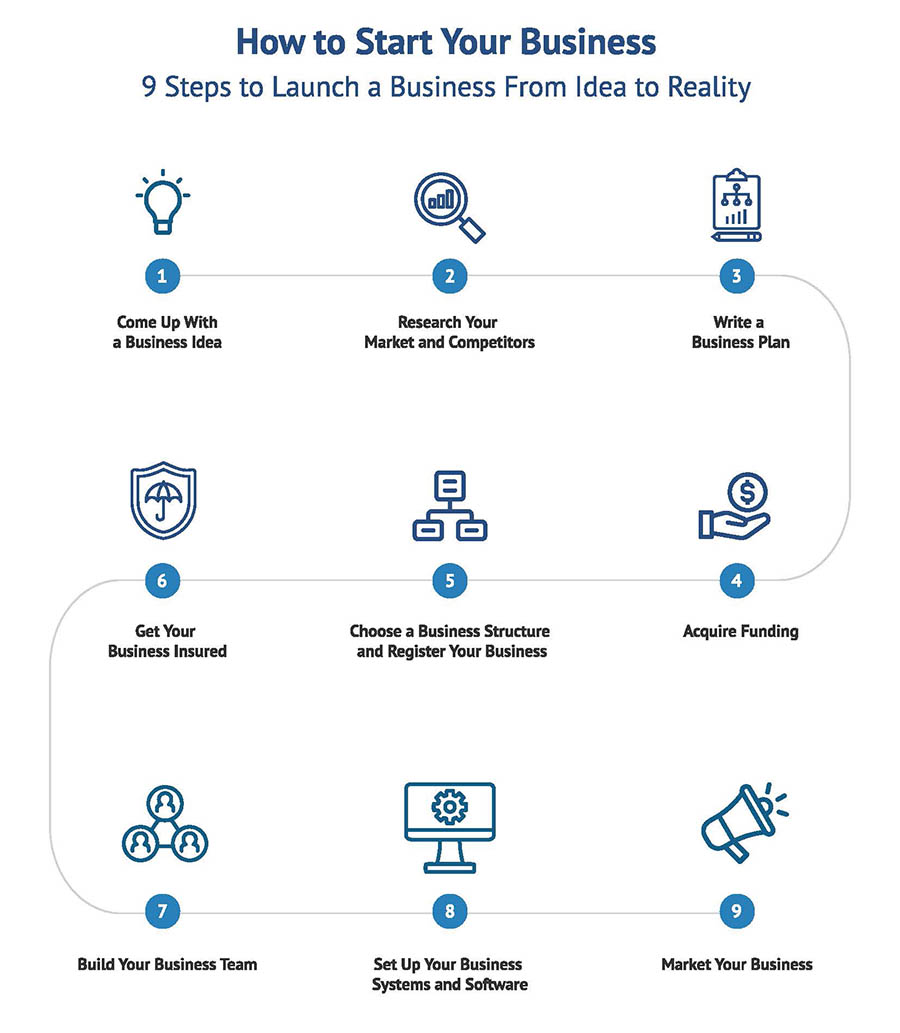
Establishing the Financial Foundation: Capital and Structure
The first hurdle in making a small company is determining how to fund the venture without compromising its future. Capital is the fuel for any business, and how you source it determines your level of control and your risk profile.
Bootstrapping vs. External Funding
Most successful small companies today begin through bootstrapping—the process of self-funding using personal savings and early revenue. The primary advantage of bootstrapping is the retention of 100% equity and total decision-making power. It forces a lean operational style, which often leads to more disciplined spending habits. However, bootstrapping limits the speed at which a company can scale.
Alternatively, seeking external funding through angel investors, small business loans, or crowdfunding can provide a significant injection of liquidity. While this allows for rapid expansion and the ability to hire talent early, it introduces debt or dilutes ownership. For a small company, the “Money” category rule of thumb is to exhaust all internal funding options and reach a proof-of-concept stage before taking on external liabilities. This ensures that when you do borrow or trade equity, you are doing so from a position of strength rather than desperation.
Selecting the Right Tax and Legal Structure
The legal architecture of your company has profound implications for your personal financial liability and your tax burden. In the early stages, many founders operate as Sole Proprietorships due to the ease of setup. However, as the company grows, transitioning to a Limited Liability Company (LLC) or an S-Corp becomes a financial necessity.
An LLC provides a “corporate veil,” protecting your personal assets from business-related debts and lawsuits. From a tax perspective, an S-Corp election can be particularly beneficial for small business owners, as it allows them to be treated as an employee-owner, potentially reducing self-employment taxes. Choosing the right structure early prevents the “tax drag” that can stifle a young company’s growth.
Building a Lean Revenue Model
A small company cannot survive on high-level projections; it survives on unit economics. You must understand exactly how much it costs to acquire a customer and how much profit each transaction generates after all overhead is accounted for.
Identifying High-Margin Offerings
In the initial phase of making a small company, focus is your greatest financial asset. Many entrepreneurs make the mistake of offering too many products or services, which dilutes their resources. Instead, identify the high-margin “core” of your business.
Margin is the difference between the selling price and the cost of goods sold (COGS). For a service-based small company, this includes the value of your time and any software or materials used. For a product-based company, this includes manufacturing, shipping, and storage. By focusing on products with high margins (ideally 50% or higher), you create a buffer that allows the company to absorb unexpected costs or market fluctuations.
The Importance of Recurring Revenue
Stability in a small company is found in predictability. Transactional models—where you must find new customers every month—are financially exhausting. To build a sustainable company, integrate recurring revenue streams into your model. This could be in the form of subscriptions, retainers, or maintenance contracts. Recurring revenue increases the lifetime value (LTV) of a customer and allows you to forecast future cash flow with much higher accuracy, making it easier to plan for investments or hires.

Mastering Cash Flow Management
Cash flow is the literal lifeblood of a small business. A company can be profitable on paper—meaning its sales exceed its expenses—and still go bankrupt if the cash is tied up in accounts receivable while bills are due.
Separation of Personal and Business Finances
The most common financial mistake in small companies is the “commingling” of funds. To make a legitimate company, you must establish a dedicated business bank account and a business credit line. This separation is vital for two reasons: it simplifies the accounting process during tax season, and it provides a clear picture of the company’s actual performance. When personal expenses are mixed with business operations, it becomes impossible to calculate the true “burn rate” (the rate at which the company spends its capital before reaching profitability).
Optimizing the Cash Conversion Cycle
The Cash Conversion Cycle (CCC) measures how fast a company can convert its investments in inventory and other resources into cash flows from sales. For a small company, a shorter cycle is always better.
To optimize this, consider the following strategies:
-
Request Upfront Payments: For service providers, a 50% deposit before work begins ensures that you aren’t financing the client’s project out of your own pocket.
-
Negotiate Vendor Terms: If you sell physical products, try to negotiate longer payment terms with your suppliers (e.g., Net-60) while ensuring your customers pay immediately.
-
Incentivize Early Payments: Offer small discounts for clients who pay invoices within ten days.
Efficient cash flow management allows a small company to remain liquid, giving it the ability to seize opportunities or weather downturns without needing to seek emergency high-interest loans.
Scaling Through Strategic Reinvestment
Once a small company becomes profitable, the next challenge is deciding what to do with that profit. While it is tempting to take a large draw to reward your hard work, the most successful companies are those that practice disciplined reinvestment.
The Rule of Thirds for Profit Allocation
A robust financial strategy for a growing small company involves dividing net profits into three distinct buckets:
-
Tax Reserves: Setting aside roughly 25-30% of profit ensures you are never surprised by a tax bill that could cripple your liquidity.
-
Owner’s Draw/Dividends: This is your personal income. It should be a fair market wage that supports your lifestyle without draining the company’s coffers.
-
Business Reinvestment: The remaining capital should be funneled back into the company to fund “growth drivers.” This might include upgrading equipment, investing in a more efficient CRM, or hiring a part-time assistant to free up the founder’s time for high-value tasks.
Leveraging Financial Tools for Automation
In a small company, time is money. As you scale, manually managing books, payroll, and invoicing becomes a bottleneck. Investing in financial technology (FinTech) is one of the highest-ROI moves a small company can make. Automated accounting software, automated tax filing services, and digital payroll systems reduce the margin for human error and provide real-time financial dashboards. Having access to an accurate Profit and Loss (P&L) statement at the click of a button allows for data-driven decisions rather than “gut-feeling” gambles.
Risk Mitigation and Long-Term Financial Health
The final stage in making a small company is ensuring its survival against the unforeseen. Financial resilience is built through contingency planning and a clear-eyed view of the company’s ultimate value.
Building a Business Emergency Fund
Just as individuals need an emergency fund, companies need a “war chest.” Aim to keep three to six months of operating expenses (rent, payroll, software, utilities) in a high-yield business savings account. This fund acts as insurance against a major client leaving, a market shift, or a global economic downturn. Knowing the “sleep well at night” number—the amount of cash needed to keep the doors open for half a year without a single new sale—provides the psychological and financial freedom to take calculated risks.
Planning for Exit and Valuation
Even if you have no intention of selling your company today, you should build it as if you were going to sell it tomorrow. A small company that is dependent entirely on the founder’s daily labor has little value to an outside buyer. To build a valuable financial asset, document your processes, diversify your client base (so no single client represents more than 10-15% of revenue), and maintain immaculate financial records.
A company with clean books, high margins, and recurring revenue is not just a job for the owner—it is a liquid asset. Whether you eventually sell the company, pass it on, or simply continue to run it, focusing on these financial metrics ensures that the small company you made is a pillar of personal and professional wealth.
aViewFromTheCave is a participant in the Amazon Services LLC Associates Program, an affiliate advertising program designed to provide a means for sites to earn advertising fees by advertising and linking to Amazon.com. Amazon, the Amazon logo, AmazonSupply, and the AmazonSupply logo are trademarks of Amazon.com, Inc. or its affiliates. As an Amazon Associate we earn affiliate commissions from qualifying purchases.