
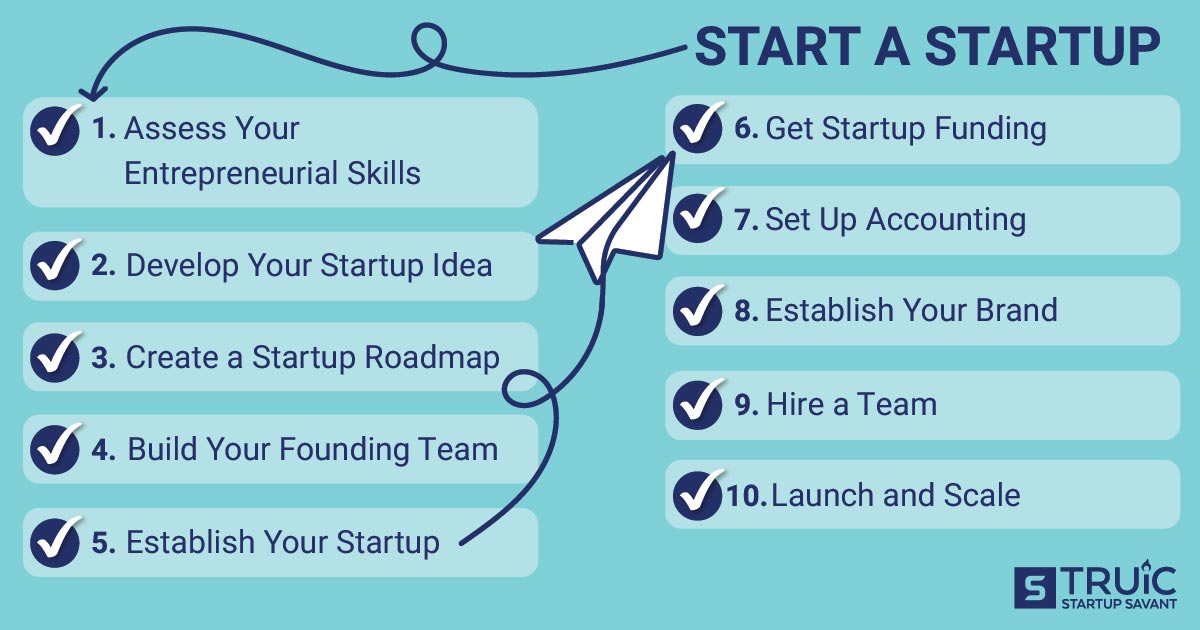
Launching a startup is a complex financial undertaking that requires more than just a visionary idea; it demands a rigorous understanding of capital allocation, revenue modeling, and fiscal discipline. In the modern economic landscape, a startup is defined by its ability to scale rapidly, which is inextricably linked to how its founders manage liquidity and leverage financial instruments. To successfully navigate the journey from a fledgling concept to a profitable enterprise, one must master the intricacies of business finance, from initial seed funding to the eventual realization of value through an exit strategy.

Mastering the Financial Foundation: Capital Acquisition and Budgeting
The first hurdle for any startup is securing the capital necessary to move from ideation to execution. This phase is less about the product and more about the financial architecture of the business. Founders must decide early on whether to pursue a bootstrapping model or to seek external investment, a choice that dictates the company’s trajectory and the founders’ long-term equity position.
Bootstrapping vs. External Funding
Bootstrapping involves self-funding the business through personal savings and early revenue. This approach offers the highest degree of control and prevents equity dilution, but it often limits the speed at which a company can grow. Conversely, seeking external capital—whether through angel investors, venture capital, or crowdfunding—infuses the business with the liquidity needed for rapid scaling. However, this comes at the cost of equity and often requires the founders to hit aggressive financial milestones to satisfy stakeholders.
Navigating Seed Rounds and Series Funding
If a startup opts for the investment route, understanding the stages of funding is vital. Seed funding is typically the first official equity funding stage, used to prove a concept and conduct initial market research. As the business matures, it may progress to Series A, B, and C rounds. Each stage represents a valuation event where the company’s worth is assessed based on its revenue, growth potential, and market share. Founders must become adept at negotiating terms such as “pre-money valuation” and “liquidation preferences” to protect their financial interests during these rounds.
Creating a Lean Operating Budget
Regardless of the funding source, a lean operating budget is a startup’s most important survival tool. This budget should prioritize “non-discretionary” spending—costs essential to product development and customer acquisition—while minimizing overhead. In the early stages, every dollar must be treated as a strategic investment. High burn rates on non-essential luxuries or premature scaling are the primary reasons startups fail before achieving a sustainable cash flow.
Developing a Sustainable Revenue Model
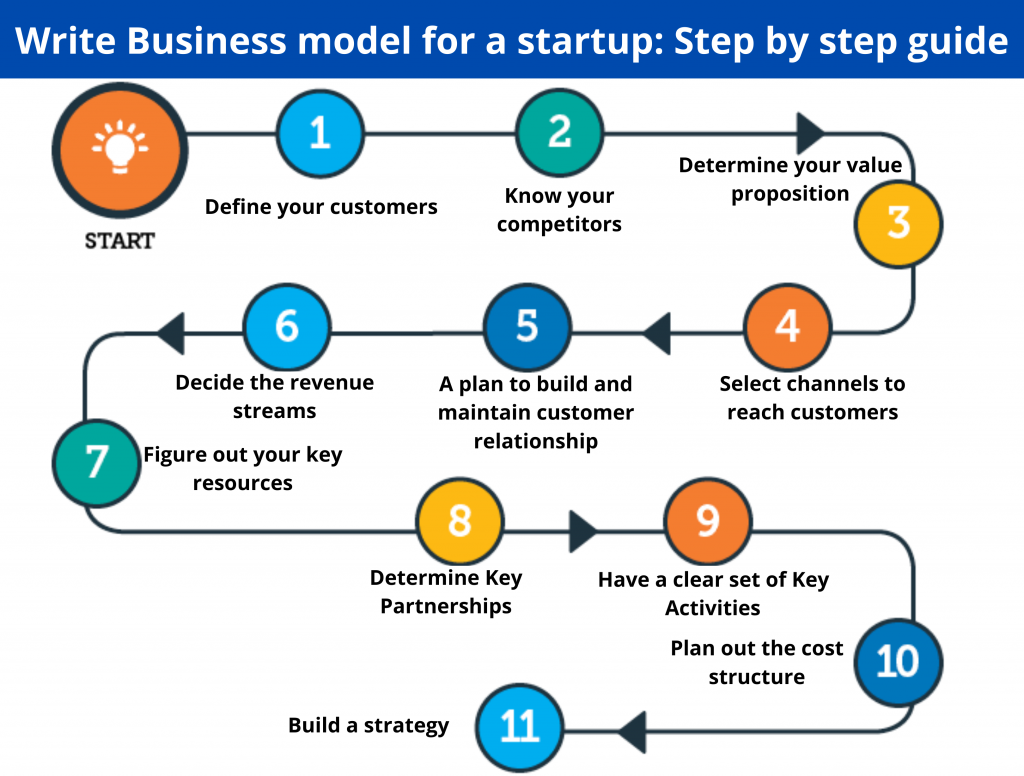
Profitability is the ultimate validator of a startup business. While many modern startups prioritize user growth over immediate profit, a clear path to monetization is essential for long-term viability and attracting serious investors. A robust revenue model acts as the engine of the business, converting market demand into measurable financial returns.
Subscription vs. Transactional Models
The choice of revenue model significantly impacts the company’s valuation and cash flow predictability. Subscription-based models (Software as a Service or SaaS) are highly favored in the current market because they generate Recurring Monthly Revenue (MRR). This predictability makes it easier to forecast future growth and manage expenses. Transactional models, where customers pay per product or service, offer immediate liquidity but require constant reinvestment in customer acquisition to maintain revenue levels.
Maximizing Unit Economics and Lifetime Value (LTV)
To ensure the business is financially healthy, founders must analyze their unit economics. This involves calculating the Customer Acquisition Cost (CAC) and comparing it to the Lifetime Value (LTV) of that customer. A healthy startup typically aims for an LTV that is at least three times the CAC. If the cost to acquire a customer exceeds the revenue they generate over their lifespan, the business model is fundamentally flawed and will lead to financial insolvency as it scales.
Diversifying Income Streams
As a startup matures, relying on a single source of income can be risky. Successful businesses often look for ways to diversify their revenue. This could involve tiered pricing structures, add-on services, or licensing their proprietary technology to other firms. Diversification provides a financial cushion against market volatility and increases the overall valuation of the company by proving the versatility of the business model.
Financial Operations and Cash Flow Management
Managing a startup’s finances requires constant vigilance over the movement of money. Cash flow is the lifeblood of a new business; even a profitable company can collapse if its capital is tied up in accounts receivable while its bills are due. Effective financial operations ensure that the company remains solvent during the volatile early years.
Managing Burn Rate and Runway
“Burn rate” refers to the amount of money a startup spends each month in excess of its income. “Runway” is the amount of time the company can survive before it runs out of cash, calculated by dividing the total cash on hand by the monthly burn rate. Professional startup management involves keeping a close eye on these two metrics. Founders must have a plan to either reach “default alive” status—where the business is profitable enough to survive without further investment—or to secure additional funding before the runway ends.
Strategic Tax Planning and Legal Structuring
The financial health of a startup is also influenced by its legal and tax structure. Choosing between a C-Corp, S-Corp, or LLC has significant implications for how the business is taxed and how it can raise capital. For instance, most venture capitalists require a startup to be structured as a Delaware C-Corp due to the clarity of its corporate laws and tax advantages for investors. Additionally, startups should leverage tax credits, such as the Research and Development (R&D) tax credit, which can provide substantial relief for companies investing in innovative technologies.
Implementing Robust Financial Controls
As the team grows, decentralized spending can lead to financial leakage. Implementing automated accounting software and expense management tools is crucial. These tools provide real-time visibility into the company’s financial position, allowing for data-driven decision-making. Founders should establish clear protocols for capital expenditure and regular financial audits to ensure that funds are being used efficiently and ethically.
Leveraging FinTech and Financial Tools for Scalability
In the digital age, a startup’s ability to scale is often enhanced by the financial technology (FinTech) it employs. Modern tools allow small teams to handle complex global financial operations that previously required large accounting departments.
Automated Accounting and Real-Time Reporting
Traditional, manual bookkeeping is no longer sufficient for the fast-paced startup environment. Cloud-based accounting platforms allow for automated bank reconciliation, real-time profit and loss statements, and seamless integration with payroll systems. This level of automation reduces the risk of human error and provides founders with the up-to-the-minute data required to pivot strategies quickly in response to market shifts.
Global Payments and Currency Management
For startups targeting international markets, managing cross-border payments and currency fluctuations is a significant financial challenge. Leveraging FinTech platforms that offer multi-currency accounts and low-cost international transfers can save a company thousands in transaction fees. Furthermore, using hedging instruments can protect the startup’s margins from volatility in the foreign exchange market, ensuring that international growth remains profitable.
Equity Management Platforms
As a startup grows, its “cap table” (capitalization table) becomes increasingly complex. Managing equity for founders, early employees, and multiple rounds of investors requires precision. Digital equity management tools help track ownership stakes, vesting schedules, and stock options. This transparency is vital for maintaining employee morale and is a prerequisite for any due diligence process during future funding rounds or an acquisition.
Exit Strategies and Long-Term Wealth Generation
The ultimate goal of many startup founders is to achieve a successful “exit.” This is the point at which the founders and investors realize the financial value of the company they have built. An exit is not just an ending; it is the culmination of years of strategic financial planning.
Mergers and Acquisitions (M&A)
An acquisition is the most common exit strategy for startups. A larger corporation may buy a startup for its technology, its talent (often called an “acq-hire”), or its market share. From a financial perspective, an acquisition can provide a significant payout for shareholders. To prepare for this, founders must ensure their financial records are impeccable, as any discrepancies found during due diligence can derail a deal or significantly lower the purchase price.
The Path to an Initial Public Offering (IPO)
While rarer than acquisitions, an IPO is the “gold standard” for startup exits. Going public allows a company to raise massive amounts of capital by selling shares to the general public on a stock exchange. However, the financial requirements for an IPO are stringent, requiring years of audited financial statements, a proven track record of revenue growth, and a robust corporate governance structure.
Secondary Markets and Partial Exits
In some cases, founders and early employees may seek liquidity before a full exit occurs. Secondary markets allow individuals to sell their private shares to other investors. This can be a strategic way for founders to de-risk their personal finances while continuing to lead the company toward a larger eventual exit.
Starting a business is a high-stakes financial journey. By focusing on capital efficiency, sustainable revenue, and rigorous cash flow management, entrepreneurs can transform a high-risk startup into a high-value asset. The difference between a failed venture and a successful enterprise often lies not in the brilliance of the idea, but in the precision of the financial execution.
aViewFromTheCave is a participant in the Amazon Services LLC Associates Program, an affiliate advertising program designed to provide a means for sites to earn advertising fees by advertising and linking to Amazon.com. Amazon, the Amazon logo, AmazonSupply, and the AmazonSupply logo are trademarks of Amazon.com, Inc. or its affiliates. As an Amazon Associate we earn affiliate commissions from qualifying purchases.