
In an era defined by ambition and the pursuit of financial independence, the dream of starting one’s own business has never been more attainable. Yet, the initial hurdle often appears insurmountable: identifying a venture that is both rewarding and genuinely “easy” to launch. This article delves into the nuances of what constitutes an “easy” business to start up, dissecting the key criteria, exploring promising avenues within the digital and service-based economies, and outlining the strategic considerations necessary for transforming a nascent idea into a sustainable income stream. For anyone looking to break free from traditional employment or supplement their current income, understanding these pathways is the first step toward entrepreneurial success without undue complexity or exorbitant upfront investment.
Defining “Easy”: Key Criteria for Accessible Entrepreneurship
Before diving into specific business ideas, it’s crucial to establish a framework for what “easy” truly means in the context of starting a business. It’s not about a guaranteed path to riches overnight, but rather about minimizing common barriers to entry, thereby increasing the likelihood of a successful launch for aspiring entrepreneurs with limited resources or experience.
Low Startup Costs: Minimizing Financial Risk
Perhaps the most significant barrier for many aspiring business owners is the capital required to get started. An “easy” business typically demands minimal financial investment. This means avoiding expensive inventory, commercial leases, specialized machinery, or large marketing budgets from the outset. Instead, it leverages existing assets, digital tools, or services that require little to no upfront financial commitment. This approach significantly reduces the initial financial risk, making entrepreneurship accessible to a broader demographic. Think about businesses that can be run from a home office, a personal vehicle, or even just a smartphone. The lower the cost, the less pressure there is to generate immediate, substantial revenue, allowing for a more organic growth process.
Minimal Specialized Skills: Leveraging Existing Abilities
Another critical aspect of an “easy” business is that it doesn’t necessitate years of specialized training or advanced degrees. Instead, it often relies on general skills, hobbies, or professional expertise that individuals already possess. This could range from strong organizational skills, proficiency in writing, a knack for social media, a talent for cooking, or even just being a reliable and personable individual. The idea is to monetize existing capabilities rather than investing heavily in acquiring new ones before launching. While continuous learning is vital for any business owner, the initial hurdle of skill acquisition should be low for an “easy” startup. This allows entrepreneurs to hit the ground running, leveraging their inherent strengths to deliver immediate value.
Flexible Time Commitment: Balancing Life and Business
For many, starting a business isn’t about quitting their day job immediately. It’s often a side hustle that eventually grows into a full-time venture. Therefore, an “easy” business should offer flexibility in terms of time commitment. This means it can be started and managed with a few hours a week, gradually scaling up as demand and resources allow. Businesses that don’t require strict office hours, rigid schedules, or constant hands-on presence are ideal. This flexibility allows individuals to test the waters, validate their ideas, and build momentum without sacrificing their primary income or personal life balance. It’s about gradual immersion rather than an all-or-nothing leap.
High Demand & Scalability Potential: Ensuring Future Growth
Finally, an easy business should address a genuine market need or solve a common problem, ensuring there’s inherent demand for its product or service. While starting easy is the goal, the potential for growth and scalability is what transforms a simple idea into a sustainable business. This doesn’t mean aiming for unicorn status from day one, but rather ensuring the business model isn’t inherently capped by limited resources or time. Scalability could mean the ability to serve more clients, expand service offerings, reach a wider audience online, or even hire others as the business grows. Identifying these growth pathways early on, even if they aren’t immediately pursued, ensures the venture has a viable future beyond its initial easy start.
Digital-First Ventures: The Power of Online Income Streams
The internet has democratized entrepreneurship, making it possible to launch businesses with global reach and minimal overhead. Digital-first ventures often embody the criteria of an “easy” business, leveraging technology to connect with customers and deliver value.
Freelance Services: Monetizing Your Expertise
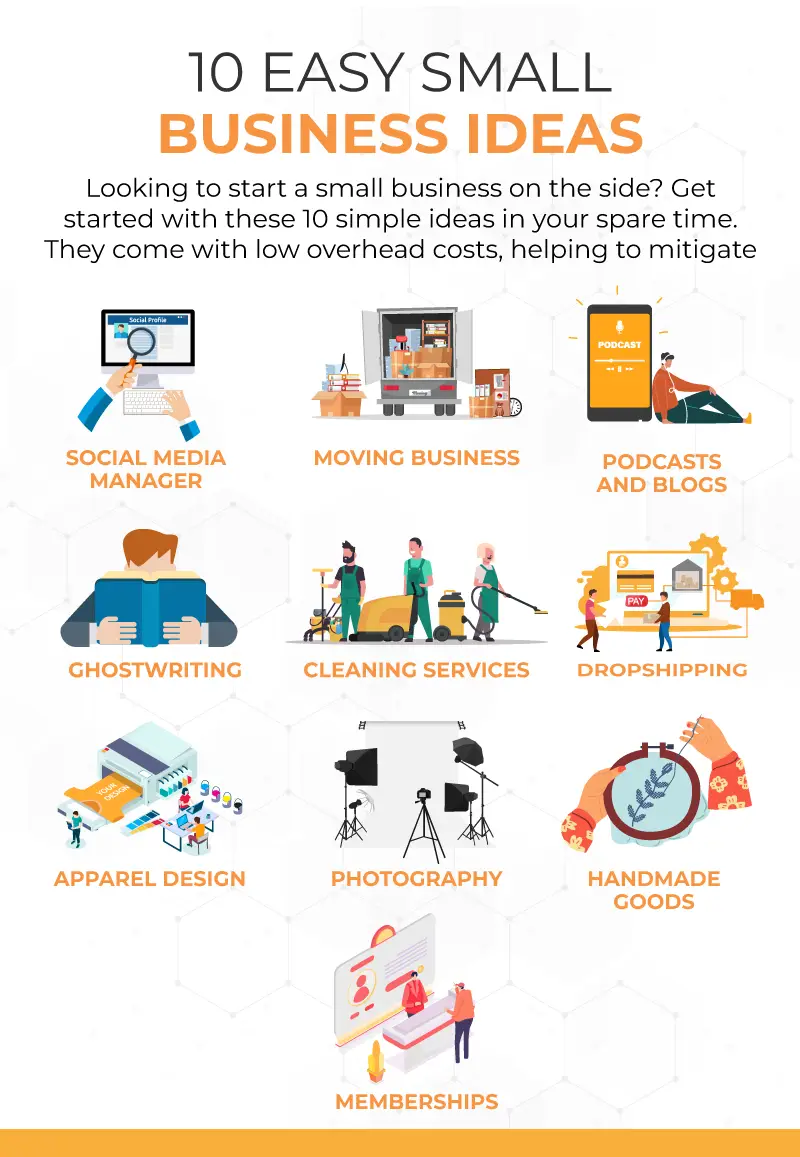
One of the most straightforward ways to start a business is by offering freelance services. If you have skills in writing, graphic design, web development, virtual assistance, social media management, or even data entry, you can immediately begin monetizing them. Platforms like Upwork, Fiverr, and Freelancer.com allow individuals to connect with clients worldwide, eliminating the need for extensive marketing or a physical storefront.
-
Writing & Editing: From blog posts and articles to resumes and website copy, good writers are always in demand.
-
Graphic Design: Businesses constantly need logos, marketing materials, and social media visuals.
-
Virtual Assistant Services: Offering administrative support, scheduling, email management, or research remotely.
The startup costs are minimal – often just a computer and internet connection – and you can set your own hours and rates, making it highly flexible. The “ease” comes from leveraging existing skills and a ready market of clients.
Content Creation: Building an Audience and Diverse Revenue Streams
For those with a passion for a particular topic or a knack for storytelling, content creation offers a powerful pathway to entrepreneurship. This includes blogging, starting a YouTube channel, podcasting, or building a strong social media presence.
-
Blogging: Choose a niche, create valuable content, and monetize through affiliate marketing, advertising, sponsored posts, or selling your own digital products.
-
YouTube & Podcasting: Share your expertise or entertain audiences through video or audio. Revenue can come from ads, sponsorships, merchandise, or direct listener/viewer support.
The initial investment is primarily time and effort, though a good microphone or camera can be beneficial for quality. The “ease” lies in starting small, building an audience organically, and diversifying income streams over time, often beginning as a passion project that evolves into a lucrative business.
E-commerce with Low Inventory: Dropshipping and Print-on-Demand
Selling physical products can be intimidating due to inventory costs and logistics. However, models like dropshipping and print-on-demand eliminate these barriers, making e-commerce significantly easier to start.
-
Dropshipping: You sell products online without holding any inventory. When a customer places an order, you purchase the item from a third-party supplier (often overseas) who then ships it directly to the customer. Your role is primarily marketing and customer service.
-
Print-on-Demand (POD): Design custom graphics for products like t-shirts, mugs, phone cases, and more. When an order comes in, a POD service prints the design on the product and ships it. You only pay for the product and printing once a sale is made.
Both models drastically reduce financial risk by eliminating inventory costs and storage, allowing entrepreneurs to focus on product selection, branding, and marketing – tasks that can often be done from a laptop anywhere in the world.
Online Courses and Digital Products: Packaging Your Knowledge
If you have specialized knowledge, experience, or skills in any area, you can package that expertise into online courses, e-books, templates, or other digital products.
-
Online Courses: Teach others a skill, a language, a software program, or even a craft. Platforms like Teachable, Thinkific, or Udemy provide the infrastructure to host and sell your courses.
-
E-books & Templates: Write a guide, create a collection of recipes, or design useful templates (e.g., resume templates, social media templates, budget spreadsheets).
The “ease” here comes from creating the product once and selling it repeatedly, generating passive income. The initial effort is in creation, but once launched, the ongoing maintenance and costs are very low, offering excellent scalability and profit margins.
Service-Based Businesses: Meeting Local Needs with Low Overhead
Beyond the digital realm, many traditional service-based businesses continue to offer accessible entry points, particularly those that cater to local communities and require minimal upfront capital.
Personal and Home Services: Direct Impact, Repeat Business
Many individuals and families are willing to pay for convenience and quality assistance with everyday tasks. These businesses often require more effort than digital ventures, but they offer direct client interaction and often lead to repeat business.
-
Cleaning Services: Residential or commercial cleaning requires basic supplies and a strong work ethic. It’s in constant demand and can be scaled by hiring additional staff.
-
Pet Sitting/Dog Walking: Animal lovers can turn their passion into a business with minimal startup costs beyond insurance and perhaps some marketing materials.
-
Handyman Services: If you’re handy with tools and can tackle minor repairs, painting, or assembly tasks, you can offer valuable services to homeowners and small businesses.
These businesses thrive on reliability, professionalism, and word-of-mouth referrals. The “ease” factor comes from their low financial barrier to entry and the direct connection to fulfilling an immediate, tangible need.
Coaching and Consulting: Leveraging Experience Without Extensive Capital
If you possess expertise in a specific field – be it business strategy, career development, fitness, or life coaching – you can offer one-on-one or group coaching and consulting services.
-
Business Consulting: Advise small businesses on marketing, operations, finance, or strategy.
-
Life/Career Coaching: Help individuals set goals, overcome challenges, and achieve personal or professional milestones.
The primary “capital” here is your knowledge and experience. Marketing can start with networking, referrals, and building an online presence. While certification can enhance credibility, many successful coaches begin by simply helping others leverage their proven track record or unique insights. The overhead is extremely low, often limited to a website, scheduling software, and communication tools.
Event Planning/Specialty Services: Niche Markets, High Margins
For those with a knack for organization and creativity, niche event planning or highly specialized service offerings can be surprisingly easy to start.
-
Niche Event Planning: Focus on a specific type of event (e.g., children’s birthday parties, intimate dinner parties, small corporate gatherings) to streamline operations and target marketing efforts.
-
Mobile Detailing/Car Wash: With a few specialized tools and a vehicle, you can offer convenient car detailing services at clients’ homes or workplaces.
-
Personal Chef/Catering for Small Groups: If you love to cook, offering personalized meal preparation or catering for small, private events can be a lucrative venture with manageable logistics.
These businesses often have higher profit margins due to the perceived value and personalized nature of the service. The “ease” comes from focusing on a specific segment, controlling the scope of work, and building a reputation through exceptional service.
Strategic Considerations for Launching Your Easy Business
While identifying an easy business is a great start, successful execution requires a thoughtful approach. Even the simplest ventures benefit from strategic planning and a clear understanding of the market.
Market Research and Niche Identification: Finding Your Sweet Spot
Before launching, take time to understand your potential customers. What problems do they face? What solutions are they actively seeking? Research your competitors to identify gaps in the market or ways to differentiate your offering.
-
Identify Your Niche: Don’t try to serve everyone. Focusing on a specific segment allows you to tailor your services, messaging, and marketing efforts more effectively, making it easier to stand out.
-
Validate Demand: Use surveys, interviews, and online tools (like Google Trends) to confirm there’s genuine demand for your proposed product or service.
Building a Minimum Viable Product (MVP) or Service: Start Small, Iterate Fast
The beauty of an “easy” business is that you don’t need to perfect everything before launching. Start with the most basic version of your product or service that can deliver core value to customers.
-
Launch Lean: Get your MVP out quickly to gather feedback from real customers. This iterative approach allows you to refine your offering based on actual market response, rather than making costly assumptions.
-
Focus on Core Value: What is the single most important problem your business solves? Start with that and build from there.
Effective Marketing on a Budget: Leveraging Digital Channels
With low startup costs being a priority, expensive marketing campaigns are out of the question. Fortunately, digital channels offer powerful, cost-effective ways to reach your target audience.
-
Social Media Marketing: Identify the platforms where your target audience spends their time and create engaging content. Focus on building community and showcasing your expertise.
-
Content Marketing: Create valuable blog posts, videos, or podcasts that attract potential customers seeking information related to your niche.
-
Email Marketing: Build an email list to nurture leads and communicate directly with your audience, offering promotions, updates, and valuable insights.
-
Word-of-Mouth & Referrals: Encourage satisfied customers to spread the word. Offer referral incentives if appropriate.
Financial Discipline and Reinvestment: Sustaining Growth
Even with minimal startup costs, sound financial management is crucial.
-
Separate Finances: Keep personal and business finances distinct from day one.
-
Track Everything: Monitor all income and expenses meticulously.
-
Reinvest Smartly: As your business generates revenue, strategically reinvest a portion back into growth initiatives, whether it’s improved tools, targeted advertising, or professional development. This disciplined approach ensures sustainability and fosters long-term success.
Beyond the Hype: Mindset and Sustainability
The concept of an “easy” business often conjures images of overnight success or effortless passive income. While low barriers to entry certainly make starting easier, sustaining and growing a business, regardless of its initial simplicity, requires dedication, resilience, and a strategic mindset.
The Entrepreneurial Mindset: Persistence and Problem-Solving
No business is truly “easy” once it’s up and running. There will be challenges, setbacks, and moments of doubt. The key to navigating these is cultivating an entrepreneurial mindset characterized by:
-
Persistence: The ability to keep going even when faced with obstacles.
-
Adaptability: Being willing to pivot your strategy, product, or service based on market feedback and changing conditions.
-
Problem-Solving: Approaching challenges as opportunities to learn and innovate, rather than insurmountable roadblocks.
This mindset is more critical than any specific skill set for long-term success. It’s about viewing failures as learning experiences and celebrating small victories to maintain momentum.
Understanding Your “Why”: Motivation Beyond Money
While financial independence is a primary driver for many entrepreneurs, a deeper “why” can provide the necessary motivation during difficult times. What impact do you want to make? What problem are you passionate about solving? What values does your business embody?
-
Purpose-Driven Business: Businesses rooted in purpose often resonate more deeply with customers and employees alike.
-
Personal Fulfillment: Beyond the financial rewards, finding personal satisfaction in your work can prevent burnout and fuel sustained effort.
Connecting your business to a greater purpose can be the invisible engine that drives you forward when the going gets tough.

Planning for Profitability and Growth: From Side Hustle to Main Venture
Even an “easy” side hustle should have a clear path to profitability and potential for growth if you intend for it to become a primary income source.
-
Pricing Strategy: Ensure your services or products are priced competitively yet profitably. Don’t undervalue your work.
-
Time Management: As demand grows, learn to manage your time effectively or delegate tasks to avoid becoming overwhelmed.
-
Scalability Roadmap: Constantly think about how you can serve more customers, offer new products, or improve efficiency without increasing your effort proportionally. This could involve automation, hiring, or expanding your digital reach.
In conclusion, the easiest business to start up is not a single, universally applicable idea, but rather a strategic alignment of personal skills, market demand, and minimal resources. By focusing on ventures with low startup costs, leveraging existing expertise, offering flexibility, and possessing genuine growth potential, aspiring entrepreneurs can significantly lower the barrier to entry. Whether it’s through a digital freelance service, a niche e-commerce store, or a local service business, the path to financial independence through entrepreneurship is more accessible than ever before. However, the initial ease is merely the starting line; sustained success demands a resilient mindset, continuous learning, and a clear vision for growth, transforming a simple start into a thriving enterprise.
aViewFromTheCave is a participant in the Amazon Services LLC Associates Program, an affiliate advertising program designed to provide a means for sites to earn advertising fees by advertising and linking to Amazon.com. Amazon, the Amazon logo, AmazonSupply, and the AmazonSupply logo are trademarks of Amazon.com, Inc. or its affiliates. As an Amazon Associate we earn affiliate commissions from qualifying purchases.