
In the intricate landscape of personal finance, few practices offer as profound and measurable an impact as setting clear, actionable savings goals. Far from being a mere theoretical exercise, savings goals serve as the strategic anchors that guide our financial decisions, transforming vague aspirations into concrete plans. They provide direction, motivation, and a framework for accountability, fundamentally altering how we interact with our money. This article delves into the critical junctures and scenarios where embracing a savings goal can not only help you, but prove to be an indispensable tool for achieving financial stability, freedom, and a better quality of life.

The Foundational Power of Financial Goals
At its core, a savings goal is more than just a number; it’s a commitment to a future outcome. It provides a destination in the often-turbulent journey of personal finance, offering a map to navigate the myriad of spending temptations and economic uncertainties. Without a defined goal, savings can feel like an arbitrary act, lacking purpose and easily derailed by immediate gratification.
Clarifying Your Financial Vision
One of the primary benefits of setting a savings goal is the unparalleled clarity it brings to your financial life. Instead of simply “saving money,” you begin to save for something. This shift in perspective is transformative. Do you dream of owning a home, retiring comfortably, or perhaps starting a business? Each of these aspirations, when quantified and given a timeline, becomes a savings goal. This process forces you to articulate what truly matters to you financially, aligning your daily spending and saving habits with your long-term values and desires. It’s about building a future you genuinely want, rather than passively accepting whatever financial circumstances come your way. This clarity is the first step towards intentional financial management, allowing you to prioritize and allocate resources effectively.
Motivation Beyond the Paycheck
The daily grind of earning money can often feel uninspiring if it’s solely for the sake of survival or immediate consumption. A well-defined savings goal injects a powerful dose of motivation into your financial routine. When you know that every dollar saved brings you closer to a down payment on a house, a much-needed vacation, or the peace of mind of an emergency fund, your relationship with money changes. Spending impulsively becomes less appealing when contrasted with the tangible progress towards a cherished objective. This intrinsic motivation acts as a powerful deterrent against frivolous spending and encourages diligent saving, turning what might feel like a chore into an exciting pursuit. It allows you to visualize the reward, making the sacrifices along the way feel worthwhile and temporary.
The Anti-Procrastination Catalyst
Procrastination is a common pitfall in financial planning. The idea of “I’ll start saving more next month” can perpetuate indefinitely. Savings goals, particularly those with a deadline, serve as an excellent antidote to this tendency. They create a sense of urgency and provide a concrete starting point. Knowing you need X amount by Y date for Z purpose makes it difficult to postpone action. This structure encourages immediate engagement with your financial plan, pushing you to analyze your budget, identify areas for reduction, and actively seek ways to increase your savings contributions. It shifts saving from a passive hope to an active, present-day responsibility, initiating momentum that can be surprisingly easy to maintain once started.
Practical Scenarios Where Goals Shine Brightest
While the general benefits are clear, specific life events and financial aspirations particularly highlight the critical role of savings goals. These are moments when a goal-oriented approach is not just helpful but often essential for success.
Building an Emergency Fund
Perhaps the most universally critical savings goal is the establishment of an emergency fund. Life is unpredictable, and unexpected expenses—job loss, medical emergencies, car repairs—can quickly derail financial stability if adequate reserves are not in place. Setting a goal to save three to six months’ worth of living expenses provides a clear target and a strong incentive. This fund isn’t about luxury; it’s about financial resilience and peace of mind. Without a specific goal, these savings might be seen as optional or raided for non-emergencies. With a goal, it becomes a non-negotiable financial safeguard, protecting you from accumulating high-interest debt when crises strike.
Major Life Purchases (Home, Car, Education)
For most individuals, significant life purchases are rarely achievable without substantial planning and saving. Whether it’s a down payment on a house, a new car, or funding higher education, these aspirations demand a dedicated savings strategy.
-
Homeownership: A down payment goal dictates how much you need to save and by when, influencing your budget and investment choices.
-
Vehicles: Saving for a car, whether new or used, can help you avoid burdensome car loans or at least secure better financing terms.
-
Education: Funding a child’s college education or investing in your own professional development requires long-term planning and consistent contributions.
In each case, a clear goal breaks down a seemingly daunting sum into manageable monthly or annual saving targets, making these aspirations attainable rather than mere pipe dreams.
Retirement Planning and Long-Term Wealth
Saving for retirement is arguably the longest-term and most critical savings goal. The power of compounding makes early and consistent contributions exponentially more valuable. Setting a retirement savings goal, even if it’s just contributing enough to get an employer match initially, provides a benchmark. As you progress, these goals can become more sophisticated, aiming for a specific retirement age, a desired annual income in retirement, or a total portfolio value. Without such a goal, retirement savings can seem abstract and easily deprioritized in favor of more immediate needs, potentially leading to financial insecurity in later life. Goals help bridge the gap between your present self and your future self.
Debt Reduction and Financial Freedom
While often framed as an expenditure, aggressive debt repayment, especially high-interest debt, can be viewed as a form of “negative saving.” Setting a goal to pay off a credit card balance by a certain date or become mortgage-free within a specific timeframe can be incredibly empowering. Each payment towards the principal reduces your interest burden and frees up future cash flow, effectively “saving” you money in interest and accelerating your journey to financial freedom. This type of goal offers a clear finish line and tangible rewards as debts diminish, fostering a sense of control and accomplishment.
Experiential Goals (Travel, Hobbies)
Savings goals aren’t exclusively for life’s necessities or major investments; they can also significantly enhance your quality of life through experiences. Dreaming of a grand international trip, a personal sabbatical, or investing in a costly hobby? Setting a specific savings goal for these experiential desires transforms them from fantasies into achievable plans. This approach allows you to enjoy these experiences without accumulating debt, enriching your life without compromising your financial future. It demonstrates that responsible financial planning isn’t just about sacrifice; it’s about strategically funding a fulfilling life.
Strategies for Effective Goal Setting and Achievement
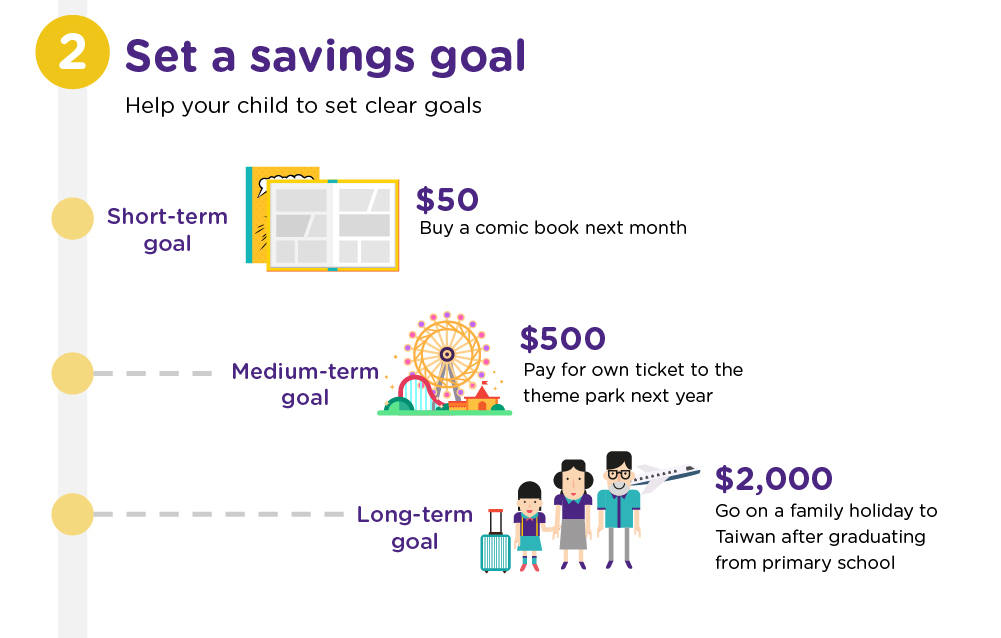
Once you recognize the situations where savings goals are most beneficial, the next step is to implement strategies that ensure their success.
The SMART Framework for Savings Goals
The renowned SMART framework provides an excellent blueprint for crafting effective savings goals:
-
Specific: Clearly define what you want to achieve. Instead of “save money,” say “save $10,000 for a down payment.”
-
Measurable: Quantify your goal so you can track progress. “Save $500 per month.”
-
Achievable: Set realistic goals based on your income and expenses. A goal that’s too ambitious can lead to discouragement.
-
Relevant: Ensure the goal aligns with your broader financial values and life plans. Is this goal truly important to you?
-
Time-bound: Give your goal a deadline. “Save $10,000 by December 31st of next year.”
Applying the SMART criteria ensures your goals are well-defined, actionable, and more likely to be met.
Automating Your Savings Journey
One of the most powerful strategies for achieving savings goals is automation. Set up automatic transfers from your checking account to your savings account, ideally timed with your paychecks. This “pay yourself first” approach removes the need for conscious decision-making each month, significantly reducing the likelihood of skipping contributions. Whether it’s $50 or $500, consistent, automated saving builds wealth effortlessly over time and ensures steady progress towards your goals. Many banks offer tools to create sub-accounts, allowing you to earmark specific savings for different goals, such as “Emergency Fund” or “Vacation Fund.”
Tracking Progress and Staying Accountable
Regularly monitoring your progress is crucial for staying motivated and making necessary adjustments. Utilize budgeting apps, spreadsheets, or even a simple notebook to track how close you are to reaching your goal. Seeing the numbers grow and watching the gap shrink between your current savings and your target amount provides tangible evidence of your efforts and fuels further commitment. Share your goals with a trusted friend, family member, or financial advisor for an added layer of accountability. External encouragement and check-ins can provide the boost you need to stay on track, especially when motivation wanes.
Adjusting and Adapting Along the Way
Life rarely follows a perfectly linear path, and your financial journey is no exception. Be prepared to adjust your savings goals as circumstances change. A job promotion might allow you to accelerate your savings, while an unexpected expense might require a temporary pause or a revised timeline. The key is flexibility and continuous engagement with your financial plan. Don’t view deviations as failures, but as opportunities to reassess and realign. The goal-setting process is dynamic, not static. Regular reviews (monthly or quarterly) allow you to celebrate progress and make informed decisions about modifying your targets or strategies.
Overcoming Obstacles and Maintaining Momentum
Even with well-defined goals and robust strategies, challenges will inevitably arise. The ability to navigate these obstacles is what truly defines successful financial goal achievement.
Addressing Unexpected Setbacks
A sudden car repair, a medical bill not fully covered by insurance, or a temporary reduction in income can all threaten to derail your savings efforts. This is precisely when your emergency fund proves its worth, acting as a buffer against having to raid your goal-specific savings or take on new debt. If you don’t have a fully funded emergency fund, prioritize it. If a setback forces you to temporarily divert funds from a goal, don’t abandon the goal entirely. Acknowledge the setback, address it, and then reassess how you can get back on track, perhaps by extending your timeline or temporarily reducing your monthly contribution until your finances stabilize.
The Role of Financial Literacy
Understanding basic financial principles—like compound interest, inflation, debt management, and investment vehicles—empowers you to set more informed and effective savings goals. The more you educate yourself about money, the better equipped you’ll be to make strategic decisions, evaluate financial products, and avoid common pitfalls. Financial literacy isn’t just about saving; it’s about optimizing your entire financial ecosystem to support your goals. Continuous learning is an investment in your financial future, leading to smarter choices and more rapid progress towards your objectives.
Celebrating Milestones (Big and Small)
The journey to achieving a significant savings goal can be long. It’s vital to celebrate milestones along the way to maintain motivation and acknowledge your hard work. Reaching 25% of your goal, paying off a major chunk of debt, or consistently hitting your monthly savings target—these are all achievements worthy of recognition. A small, non-financial reward (like a special dinner out or a relaxing evening) can reinforce positive saving habits and prevent burnout. These celebrations break down a large, intimidating goal into smaller, more manageable victories, making the process more enjoyable and sustainable.
The Broader Impact on Your Financial Well-being
Beyond the direct attainment of specific financial targets, setting and pursuing savings goals has a profound ripple effect on your overall financial well-being and life satisfaction.
Reducing Financial Stress
One of the most significant benefits of goal-oriented saving is the tangible reduction in financial stress. Knowing you have an emergency fund, that you’re actively saving for a down payment, or that your retirement is on track provides an immense sense of security and control. This alleviates the anxiety often associated with financial uncertainty, allowing you to focus on other aspects of your life with greater peace of mind. It’s about replacing worry with a sense of proactive preparedness.
Fostering Better Spending Habits
When you have clear savings goals, your spending habits naturally become more intentional. Every purchase is viewed through the lens of its impact on your goals. Do I really need this impulse buy, or would that money be better allocated towards my home down payment? This constant evaluation cultivates a mindset of conscious consumption, where spending aligns with your values and priorities, leading to more thoughtful financial decisions and less wasteful spending.

Empowering Future Financial Decisions
Successfully achieving savings goals builds confidence and strengthens your financial muscle. Each accomplished goal empowers you to set new, perhaps even more ambitious, ones. This iterative process fosters a proactive approach to financial management, giving you the clarity and experience to make informed decisions about investing, wealth building, and future financial planning. You move from passively reacting to financial circumstances to actively shaping your financial destiny, creating a virtuous cycle of goal setting, achievement, and growth.
In conclusion, setting a savings goal is not merely a helpful suggestion; it is a fundamental pillar of sound personal finance. From securing an emergency fund to planning for retirement, making major purchases, or simply enjoying life’s experiences debt-free, defined goals provide the direction, motivation, and structure necessary for financial success. By embracing the SMART framework, automating your savings, tracking your progress, and adapting to life’s inevitable changes, you can harness the transformative power of savings goals to build a secure, prosperous, and fulfilling financial future.
aViewFromTheCave is a participant in the Amazon Services LLC Associates Program, an affiliate advertising program designed to provide a means for sites to earn advertising fees by advertising and linking to Amazon.com. Amazon, the Amazon logo, AmazonSupply, and the AmazonSupply logo are trademarks of Amazon.com, Inc. or its affiliates. As an Amazon Associate we earn affiliate commissions from qualifying purchases.