
In an increasingly complex financial world, the ability to manage money wisely is not just a desirable trait; it’s a fundamental life skill that underpins personal well-being, long-term security, and the freedom to pursue one’s aspirations. Many believe that financial wisdom is reserved for experts or the wealthy, but the truth is, it’s accessible to everyone through a combination of informed decision-making, disciplined habits, and a clear understanding of one’s financial landscape.
Using money wisely isn’t about hoarding wealth or denying oneself every pleasure; rather, it’s about aligning your financial actions with your values and goals. It’s about making conscious choices today that create a more secure and prosperous tomorrow, whether that involves saving for a down payment, investing for retirement, eliminating debt, or simply having peace of mind that you can weather unexpected challenges. This comprehensive guide will delve into the core principles and actionable strategies that empower individuals to master their finances, transforming abstract concepts into practical steps towards enduring financial health.

The Foundation of Financial Wisdom: Budgeting and Saving
The cornerstone of wise money management lies in understanding where your money comes from and where it goes. Without this clarity, it’s impossible to make informed decisions, set realistic goals, or build a secure financial future. Budgeting and saving are not restrictive practices; they are empowering tools that give you control over your financial destiny.
Understanding Your Cash Flow: Income vs. Expenses
Before you can budget effectively, you need a clear picture of your current financial situation. This involves meticulously tracking your income and expenses. Start by listing all sources of income, whether it’s your primary salary, freelance work, or rental income. Then, systematically categorize every expense for a month or two. This includes fixed expenses (rent/mortgage, loan payments, insurance premiums) and variable expenses (groceries, dining out, entertainment, utilities). Many people are often surprised to discover how much they spend on discretionary items once they see it itemized. Tools like spreadsheets, budgeting apps, or even a simple notebook can be invaluable in this initial tracking phase. The goal is to identify patterns, pinpoint areas of overspending, and gain an undeniable understanding of your financial inflows and outflows.
Crafting a Realistic Budget: The 50/30/20 Rule and Beyond
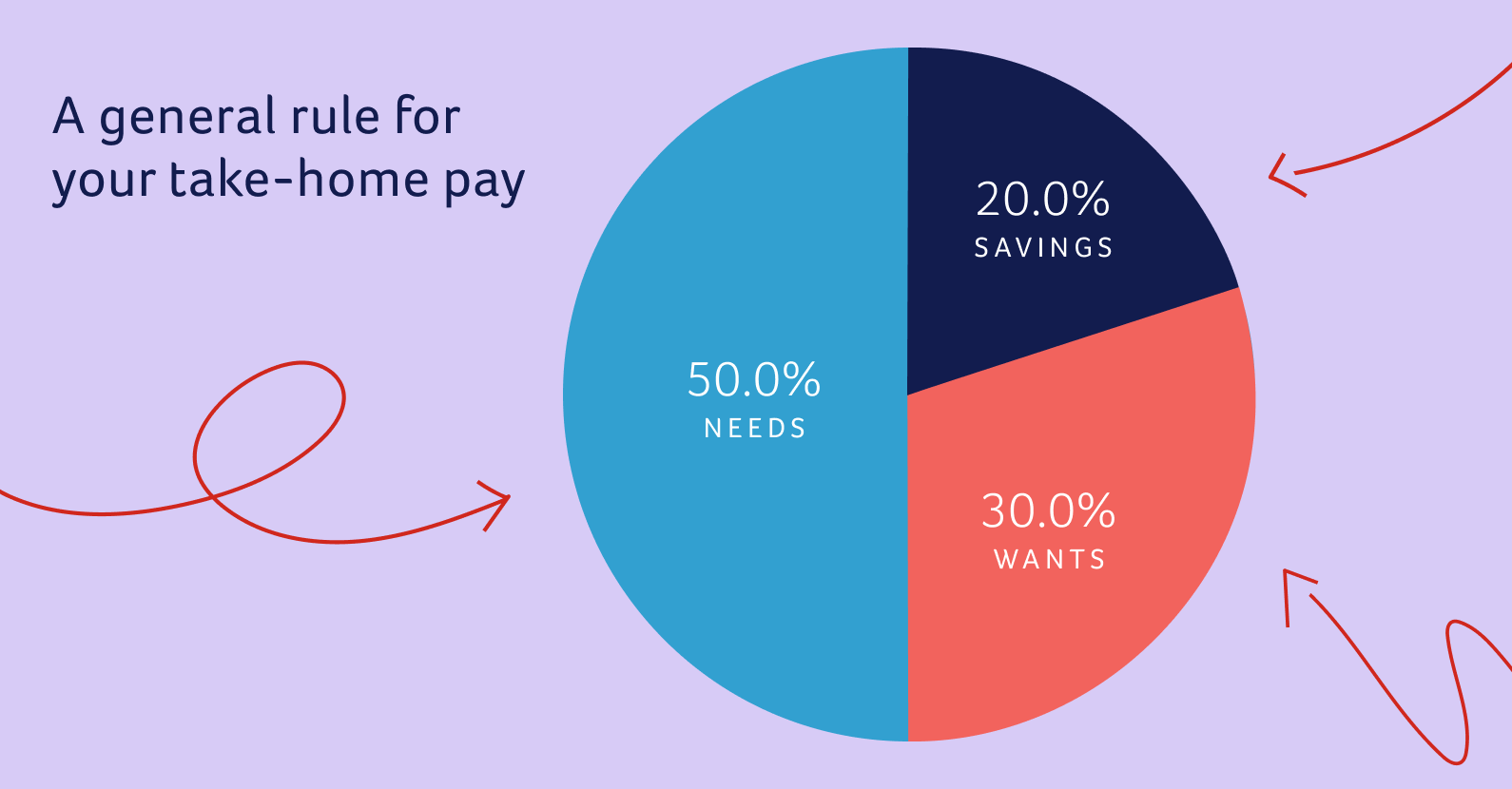
Once you understand your cash flow, the next step is to create a budget that aligns with your financial goals. A popular and effective framework is the 50/30/20 rule:
-
50% for Needs: This covers essential expenses like housing, utilities, groceries, transportation, insurance, and minimum debt payments.
-
30% for Wants: This category includes discretionary spending such as dining out, entertainment, hobbies, vacations, and shopping for non-essentials.
-
20% for Savings & Debt Repayment: This crucial portion is dedicated to building an emergency fund, saving for future goals (retirement, down payment), and aggressively paying down high-interest debt beyond the minimums.
While the 50/30/20 rule offers a great starting point, remember that a budget is a personal tool. Feel free to adjust these percentages to fit your unique circumstances and priorities. The key is to create a budget that is realistic, sustainable, and one you can consistently stick to. A budget that’s too restrictive will likely fail, while one that’s too lax won’t achieve your goals.
Building an Emergency Fund: Your Financial Safety Net
One of the most critical components of wise money management is establishing a robust emergency fund. Life is unpredictable, and unexpected expenses — a job loss, medical emergency, car repair, or home repair — can quickly derail even the best-laid financial plans. An emergency fund acts as a financial buffer, preventing you from going into debt or liquidating investments during unforeseen crises. The general recommendation is to save at least three to six months’ worth of essential living expenses in an easily accessible, high-yield savings account. For greater peace of mind, especially if you have an unstable income or dependents, aiming for six to twelve months might be more appropriate. Prioritize building this fund before focusing heavily on other investments.
Setting Achievable Savings Goals: Short-term and Long-term
Beyond the emergency fund, defining clear savings goals is vital for motivation and direction. Categorize your goals into short-term (1-3 years), mid-term (3-10 years), and long-term (10+ years).
-
Short-term goals might include saving for a vacation, a new gadget, or a down payment on a car.
-
Mid-term goals could involve a down payment on a house, funding a child’s education, or starting a small business.
-
Long-term goals are typically focused on retirement planning, substantial wealth building, or leaving an inheritance.
For each goal, specify the target amount and the desired timeline. This clarity allows you to calculate how much you need to save regularly and adjust your budget accordingly. Automating these savings transfers from your checking account to dedicated savings accounts can significantly increase your chances of success.
Smart Debt Management and Strategic Investing
While budgeting and saving build a strong financial base, smart debt management and strategic investing are the engines that propel you towards significant wealth creation and long-term financial independence. Ignoring either can severely impede your progress.
Conquering Debt: Prioritization and Repayment Strategies
Not all debt is created equal. Understanding the difference between “good debt” (like a mortgage or student loan that can increase your net worth or earning potential) and “bad debt” (high-interest consumer debt like credit cards) is crucial. High-interest debt is a significant impediment to financial progress, as the interest payments consume a large portion of your income, preventing it from being used for savings or investments. Two popular debt repayment strategies are:
-
Debt Snowball: Pay the minimum on all debts except the smallest one, which you pay off aggressively. Once the smallest debt is paid, roll that payment amount into the next smallest debt. This method provides psychological wins, keeping you motivated.
-
Debt Avalanche: Focus on paying off the debt with the highest interest rate first, while making minimum payments on others. Once that’s paid, move to the next highest interest rate debt. This method is mathematically more efficient, saving you more money in interest over time.
Choose the strategy that best fits your personality and stick with it diligently. Consider debt consolidation or balance transfers for credit card debt if you can secure a lower interest rate, but be wary of fees and ensure you don’t accumulate more debt.
Understanding Investment Basics: Risk, Return, and Diversification
Investing is how your money works for you, growing over time through the power of compounding. However, investing always involves some level of risk. The fundamental principle is that higher potential returns usually come with higher risk. Understanding your personal risk tolerance is paramount.
-
Risk: The possibility of losing some or all of your investment. Different asset classes carry different levels of risk.
-
Return: The profit or loss on an investment. Returns can come from capital appreciation (the investment growing in value) or income (dividends, interest).
-
Diversification: The strategy of spreading your investments across various asset classes, industries, and geographies to reduce overall risk. Don’t put all your eggs in one basket.
Before investing, educate yourself. There are numerous resources available online, in libraries, and through financial advisors. Start small and gradually increase your investment as your knowledge and comfort level grow.
Exploring Investment Vehicles: Stocks, Bonds, Mutual Funds, Real Estate
A diverse portfolio typically includes a mix of investment vehicles:
-
Stocks: Represent ownership in a company. They offer the potential for high growth but also come with higher volatility.
-
Bonds: Essentially loans made to governments or corporations. They are generally less volatile than stocks and provide regular interest payments, making them a good option for income and stability.
-
Mutual Funds/ETFs (Exchange-Traded Funds): These are professionally managed portfolios of stocks, bonds, or other assets. They offer instant diversification and are a great option for beginners who may not have the time or expertise to pick individual stocks.
-
Real Estate: Can provide rental income and potential appreciation in value, but it’s illiquid and often requires significant capital and management.
-
Retirement Accounts (401(k), IRA): These are tax-advantaged accounts designed specifically for long-term retirement savings, offering significant benefits like tax deductions or tax-free growth. Maxing these out, especially if your employer offers a match, should be a high priority.
The Power of Compound Interest: Starting Early
Compound interest is often called the “eighth wonder of the world” for good reason. It’s the process where the interest you earn on your initial investment also earns interest over time, leading to exponential growth. The earlier you start investing, the more time your money has to compound, resulting in a significantly larger nest egg. Even small, consistent contributions made early in life can outperform much larger contributions made later on. This highlights the importance of beginning your investment journey as soon as possible, leveraging time as your greatest ally.
Expanding Your Financial Horizon: Income Growth and Protection
Wise money management isn’t solely about meticulous tracking and savvy investing; it also involves actively seeking opportunities to increase your income and strategically protecting the assets you’ve worked hard to accumulate. This dual approach ensures both offensive growth and defensive stability.
Exploring Online Income and Side Hustles: Diversifying Your Revenue Streams
In today’s digital age, the possibilities for generating additional income are vast. Relying solely on a single income stream can leave you vulnerable to economic shifts or job instability. Exploring online income opportunities or developing a side hustle can not only provide extra cash for savings and investments but also offer a creative outlet and potential for future entrepreneurship. Options include:
-
Freelancing: Offering skills like writing, graphic design, web development, or social media management on platforms like Upwork or Fiverr.
-
E-commerce: Selling products through platforms like Etsy, eBay, or even your own online store.
-
Content Creation: Blogging, vlogging, podcasting, or creating digital products that generate passive income.
-
Gig Economy: Driving for ride-sharing services, delivering food, or performing tasks through apps.
The key is to leverage existing skills or develop new ones that are in demand, allowing you to diversify your income and accelerate your financial goals.
Continuous Learning and Skill Development: Investing in Yourself
Perhaps the most potent investment you can make is in yourself. Continuous learning and skill development directly impact your earning potential and career longevity. In a rapidly evolving job market, staying relevant and acquiring new, valuable skills can lead to promotions, higher salaries, or opportunities for more lucrative roles. This could involve:
-
Formal Education: Pursuing higher degrees or certifications.
-
Online Courses: Utilizing platforms like Coursera, edX, or LinkedIn Learning to gain new skills.
-
Workshops and Seminars: Attending industry events to network and learn from experts.
-
Reading and Research: Staying updated with trends in your field or exploring new areas of interest.
An investment in your human capital pays dividends for life, directly influencing your capacity to generate and manage wealth.
Protecting Your Assets: Insurance and Estate Planning
While growth is important, protecting what you’ve built is equally critical. Unexpected events can devastate your finances if you’re not adequately protected.
-
Insurance: Essential for safeguarding against various risks.
-
Health Insurance: Crucial for covering medical expenses.
-
Life Insurance: Provides financial security for your dependents in the event of your passing.
-
Disability Insurance: Replaces a portion of your income if you become unable to work due to illness or injury.
-
Home/Renters Insurance: Protects your property and belongings.
-
Auto Insurance: Mandatory for vehicle owners.
-
Ensure you have appropriate coverage for your specific situation. Review your policies regularly to ensure they meet your current needs.
-
Estate Planning: Although often overlooked, estate planning is a vital aspect of financial wisdom. It involves making decisions about how your assets will be managed and distributed after your death, and how your medical and financial decisions will be made if you become incapacitated. Key components include:
-
Wills: Legally document your wishes for asset distribution.
-
Trusts: Can help avoid probate, reduce estate taxes, and provide more control over asset distribution.
-
Power of Attorney: Designates someone to make financial decisions on your behalf if you cannot.
-
Healthcare Directives: Outline your wishes for medical treatment.
-
Proper estate planning ensures your loved ones are cared for and your legacy is preserved according to your desires, minimizing stress and legal complications during difficult times.
Mindset and Habits for Lasting Financial Success
Ultimately, wise money management is less about perfect calculations and more about consistent habits and a resilient mindset. Financial success isn’t a destination but an ongoing journey shaped by the choices you make every single day.
Cultivating a Frugal Mindset Without Deprivation
Frugality is often misunderstood as extreme deprivation, but it’s actually about intentional spending and finding joy in making smart choices. A frugal mindset encourages you to distinguish between needs and wants, seek value, avoid waste, and prioritize experiences over material possessions. It’s about being resourceful, finding creative ways to save money, and making conscious decisions that align with your financial goals rather than succumbing to impulse purchases or societal pressures. This doesn’t mean never enjoying life; it means enjoying life within your means and without compromising your future. Embracing a frugal mindset empowers you to live more intentionally, deriving satisfaction from financial security rather than fleeting consumerism.
Automating Your Finances: Set It and Forget It
One of the most powerful habits for wise money management is automation. By setting up automatic transfers and payments, you remove the need for constant vigilance and reduce the likelihood of human error or procrastination.
-
Automated Savings: Set up recurring transfers from your checking account to your savings, emergency fund, and investment accounts immediately after payday.
-
Automated Bill Payments: Ensure your essential bills (rent, utilities, loans) are paid on time, avoiding late fees and protecting your credit score.
-
Automated Investments: Schedule regular contributions to your 401(k), IRA, or brokerage account.
Automation transforms intentions into actions, ensuring your financial goals are consistently being worked towards without requiring constant effort. This “set it and forget it” approach builds consistency, which is a cornerstone of financial success.
Regular Financial Reviews and Adjustments
Your financial life is dynamic, constantly influenced by changes in income, expenses, life events, and market conditions. Therefore, wise money management requires regular check-ins and adjustments to your financial plan.
-
Monthly Reviews: Briefly review your budget, track your spending, and ensure you’re on track with your short-term goals.
-
Quarterly Reviews: Take a deeper dive into your investments, debt repayment progress, and adjust your budget as needed.
-
Annual Reviews: Conduct a comprehensive review of your entire financial plan, including retirement goals, insurance coverage, estate plan, and long-term investment strategy. Consider any significant life changes (marriage, new child, job change) and adapt your plan accordingly.
These regular reviews help you stay informed, make necessary course corrections, and ensure your financial plan remains aligned with your evolving goals and circumstances.
Seeking Professional Guidance: When to Consult an Expert
While self-education is crucial, there are times when seeking professional guidance is invaluable. A qualified financial advisor can provide personalized advice, help you navigate complex investment strategies, assist with retirement planning, or offer objective insights during major financial decisions. Look for a fee-only fiduciary advisor, meaning they are legally obligated to act in your best interest and are compensated directly by you, not by commissions from selling products. Don’t hesitate to consult tax professionals for complex tax situations or estate attorneys for comprehensive estate planning. Utilizing experts can save you time, money, and provide peace of mind that you are making the most informed decisions possible.

Conclusion
Using money wisely is a journey, not a destination, marked by continuous learning, disciplined action, and an evolving understanding of your personal financial landscape. It begins with the fundamental practices of budgeting and saving, progresses through strategic debt management and intelligent investing, and is fortified by income diversification and comprehensive protection. Most importantly, it is sustained by cultivating a mindful approach to spending, automating good habits, and regularly reviewing your progress.
Embracing these principles empowers you to move beyond simply earning and spending, allowing you to build a resilient financial future where your money works for you, aligning with your values and enabling you to achieve your most ambitious life goals. The path to financial wisdom is accessible to all who choose to walk it with intention and commitment. Start today, one wise decision at a time, and watch your financial destiny unfold.
aViewFromTheCave is a participant in the Amazon Services LLC Associates Program, an affiliate advertising program designed to provide a means for sites to earn advertising fees by advertising and linking to Amazon.com. Amazon, the Amazon logo, AmazonSupply, and the AmazonSupply logo are trademarks of Amazon.com, Inc. or its affiliates. As an Amazon Associate we earn affiliate commissions from qualifying purchases.