
In an increasingly complex financial world, the question “How do I manage money better?” resonates with countless individuals seeking stability, freedom, and a clear path to their financial aspirations. It’s a question born not out of a desire for deprivation, but for empowerment – the power to control your financial destiny rather than being controlled by it. Effective money management isn’t about earning a colossal income; it’s about making smart, informed decisions with the money you do have, regardless of the amount. It’s a journey that demands discipline, education, and a willingness to adapt, but the rewards—peace of mind, financial security, and the ability to pursue your dreams—are immeasurable.
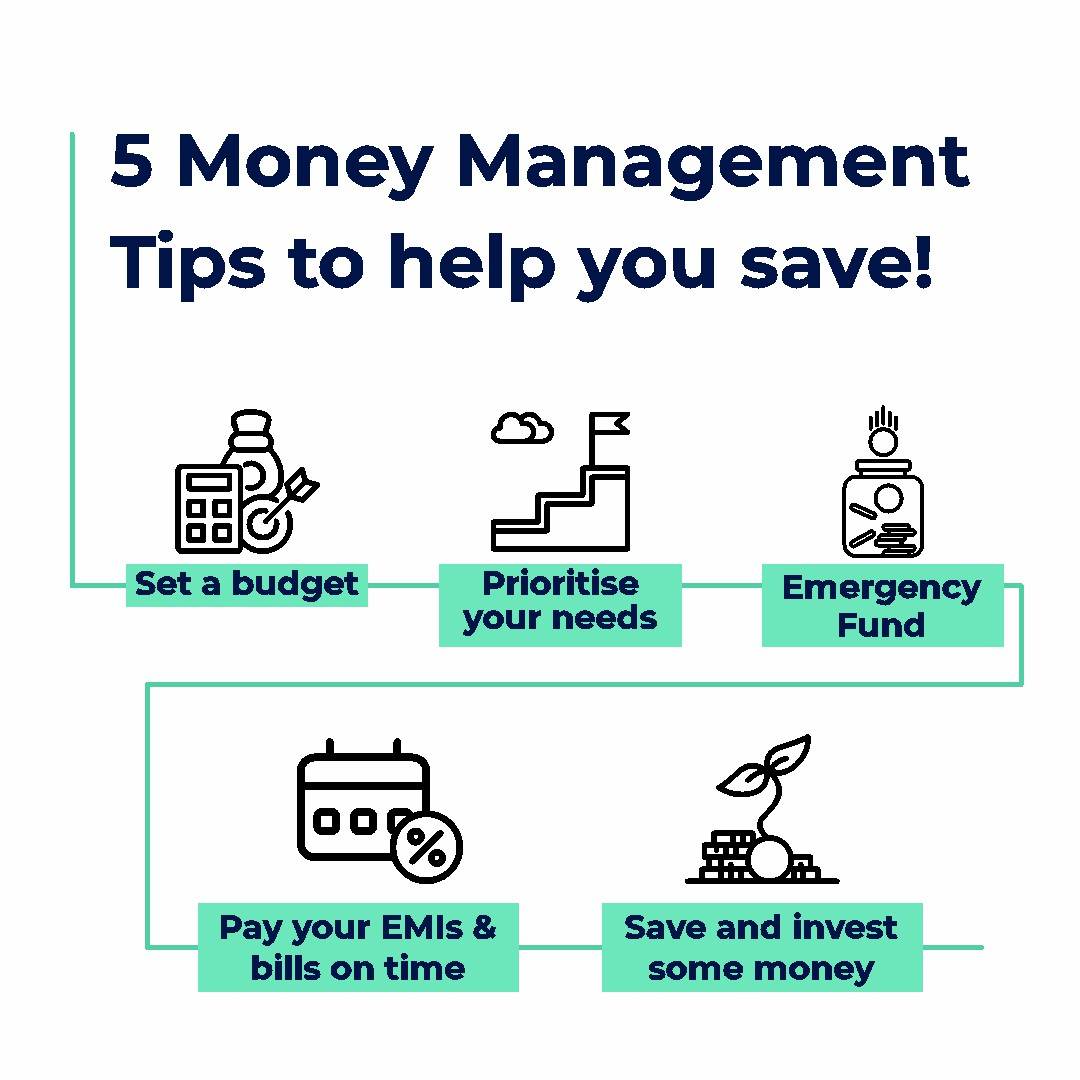
This comprehensive guide will equip you with the strategies, tools, and mindset necessary to take command of your finances. We’ll break down the often-overwhelming world of personal finance into actionable steps, guiding you from understanding your current financial standing to strategically growing your wealth and cultivating lasting healthy money habits.
1. Understanding Your Financial Landscape
Before you can chart a course to better financial management, you must first understand your current position. This initial assessment phase is crucial for identifying strengths, weaknesses, and potential pitfalls in your financial life. Think of it as mapping out the terrain before embarking on a long journey.
Conduct a Financial Health Check-up
The first step is to gain a clear, honest picture of where you stand. This involves two key components:
-
Calculating Your Net Worth: Your net worth is a snapshot of your financial health at a specific point in time. It’s calculated by subtracting your total liabilities (debts like mortgages, car loans, credit card balances, student loans) from your total assets (what you own, such as savings, investments, real estate, vehicles, and other valuables). A positive net worth is desirable, and tracking its growth over time provides a powerful indicator of your financial progress.
-
Reviewing Your Credit Score and Report: Your credit score is a numerical representation of your creditworthiness, impacting everything from loan interest rates to apartment rentals. Obtain your free credit report from annualcreditreport.com to check for errors and understand the factors influencing your score. A good credit score is a valuable asset that can save you significant money over your lifetime.
Identify Your Financial Goals
Managing money effectively becomes much easier when you have clear objectives. What are you saving for? What debts do you want to eliminate? Your goals will provide the motivation and direction for your financial decisions. Categorize them into:
-
Short-term Goals (1-3 years): Building an emergency fund, paying off a high-interest credit card, saving for a vacation or a down payment on a car.
-
Medium-term Goals (3-10 years): Saving for a home down payment, funding a child’s education, significant debt reduction, career transition.
-
Long-term Goals (10+ years): Retirement planning, paying off a mortgage, establishing a legacy.
Ensure your goals are SMART: Specific, Measurable, Achievable, Relevant, and Time-bound. This framework makes them concrete and actionable.
Track Your Income and Expenses Religiously
This is arguably the most fundamental step in money management. You cannot manage what you do not measure. Tracking every dollar that comes in and goes out reveals exactly where your money is going and helps identify spending leaks.
-
Methods of Tracking: You can use a simple spreadsheet, a notebook, or specialized budgeting apps (which we’ll discuss later). The key is consistency.
-
Benefits: You’ll uncover habitual spending patterns, pinpoint areas where you can cut back, and gain a realistic understanding of your discretionary income. This awareness is the foundation upon which all other financial improvements are built.
2. Strategic Budgeting & Spending Control
With a clear understanding of your financial situation and goals, the next critical phase is to implement a robust budgeting system and master the art of spending control. This is where you actively direct your money towards your goals, rather than letting it drift away.
Choose the Right Budgeting Method
There isn’t a one-size-fits-all budget, so find a method that aligns with your personality and financial situation.
-
The 50/30/20 Rule: This popular method allocates 50% of your after-tax income to Needs (housing, utilities, groceries, transportation), 30% to Wants (dining out, entertainment, hobbies), and 20% to Savings and Debt Repayment (emergency fund, investments, extra debt payments). It’s simple and offers flexibility.
-
Zero-Based Budgeting: With this method, every dollar of your income is assigned a specific job (spending, saving, debt repayment) until your income minus your expenses and savings equals zero. This ensures no money is left unaccounted for and gives you complete control.
-
The Envelope System: Best for those who prefer cash or struggle with overspending on specific categories. You allocate physical cash into envelopes for different spending categories (e.g., groceries, entertainment). Once an envelope is empty, you stop spending in that category until the next pay period.
Cut Unnecessary Expenses
Once you’ve tracked your spending, you’ll likely find areas where you can trim. Distinguishing between “needs” and “wants” is paramount here.
-
Review Subscriptions: Cancel unused streaming services, gym memberships, or app subscriptions. Even small monthly fees add up.
-
Negotiate Bills: Call your internet, cable, and insurance providers to see if you can get a better rate. Don’t be afraid to switch providers if they can’t match a competitive offer.
-
Reduce Discretionary Spending: Cook more meals at home, pack lunches, limit impulse purchases, and find free or low-cost entertainment options. Small changes can free up significant funds.
Master Debt Management
Debt can be a significant obstacle to financial freedom. Developing a strategic plan to tackle it is essential.
-
Prioritize High-Interest Debt: Credit card debt and personal loans often carry the highest interest rates. Focus on paying these down first to minimize the total interest paid.
-
Choose a Repayment Strategy:
-
Debt Avalanche Method: Pay off debts with the highest interest rate first, while making minimum payments on others. This saves the most money on interest.
-
Debt Snowball Method: Pay off the smallest debt first, then roll that payment into the next smallest. This provides psychological wins that keep you motivated.
-
-
Avoid New Bad Debt: Be mindful of taking on additional high-interest debt, and carefully consider the necessity of any new loans.
3. Growing Your Wealth & Planning for the Future
Managing money isn’t just about cutting expenses and paying down debt; it’s also about making your money work harder for you. This involves building a financial safety net and strategically investing for your long-term goals.
Prioritize Emergency Savings
An emergency fund is your first line of defense against unexpected financial setbacks, such as job loss, medical emergencies, or significant home/car repairs. Without it, these events can quickly derail your financial progress and force you into debt.
-
Goal: Aim to save 3-6 months’ worth of essential living expenses. For added security, some prefer up to a year.
-
Location: Keep your emergency fund in an easily accessible, high-yield savings account. This keeps it separate from your everyday spending money and allows it to earn a bit of interest.

Start Investing Early and Smartly
Investing is the most powerful tool for wealth accumulation, thanks to the magic of compound interest. The earlier you start, the more time your money has to grow.
-
Understand Basic Investment Vehicles:
-
Employer-Sponsored Plans (401(k), 403(b)): If your employer offers a matching contribution, contribute at least enough to get the full match – it’s free money! These are tax-advantaged accounts for retirement.
-
Individual Retirement Accounts (IRAs – Traditional or Roth): These offer additional tax advantages for retirement savings and are available to most individuals.
-
Mutual Funds and Exchange-Traded Funds (ETFs): These allow you to invest in a diversified basket of stocks, bonds, or other assets, providing instant diversification and reducing risk compared to individual stocks.
-
Robo-Advisors: These automated investment platforms make investing accessible and affordable, especially for beginners (more on this below).
-
-
Diversify: Don’t put all your eggs in one basket. Spread your investments across different asset classes, industries, and geographies to mitigate risk.
-
Understand Your Risk Tolerance: Your investment strategy should align with your comfort level with risk and your time horizon. Younger investors with a longer time horizon can typically afford to take on more risk.
Plan for Major Life Events
Saving for significant life milestones requires deliberate planning and consistent effort.
-
Retirement: Beyond employer plans and IRAs, consider health savings accounts (HSAs) if eligible, which offer triple tax advantages. Regularly review your retirement savings progress against your goals.
-
Homeownership: This often requires a substantial down payment. Start saving in a dedicated account and research first-time homebuyer programs.
-
Education: For children, 529 plans are tax-advantaged savings plans specifically designed for education expenses. For your own education, explore scholarships, grants, and federal student aid options before considering private loans.
4. Leveraging Financial Tools & Technology
In the digital age, technology has revolutionized personal finance, offering an array of tools that can simplify budgeting, automate savings, and optimize investments. Embracing these resources can significantly enhance your money management capabilities.
Utilize Budgeting Apps and Software
Gone are the days when budgeting meant meticulously updating spreadsheets by hand. Modern apps offer powerful features to streamline the process.
-
Connectivity: Many apps link directly to your bank accounts, credit cards, and investment accounts, automatically importing and categorizing transactions.
-
Features: Look for apps that offer real-time tracking, customizable budget categories, goal-setting capabilities, spending insights, and bill reminders. Popular options include Mint, YNAB (You Need A Budget), Personal Capital, and Simplifi.
-
Benefits: These tools provide a comprehensive view of your finances at a glance, helping you stay on track, identify trends, and make informed spending decisions.
Automate Your Savings and Investments
One of the most effective strategies for better money management is to remove the human element of decision-making from savings and investing.
-
“Pay Yourself First”: Set up automatic transfers from your checking account to your savings and investment accounts immediately after you get paid. This ensures you prioritize your financial future before spending on anything else.
-
Recurring Investments: Schedule regular contributions to your retirement accounts (401(k), IRA) and brokerage accounts. Consistency, even with small amounts, builds wealth over time.
-
Benefits: Automation ensures consistency, eliminates procrastination, and allows your money to grow passively without constant intervention.
Explore Online Banking and Robo-Advisors
Digital-first financial solutions can offer distinct advantages over traditional options.
-
High-Yield Online Savings Accounts: Online banks often have lower overheads than brick-and-mortar banks, allowing them to offer significantly higher interest rates on savings accounts. This means your emergency fund and other savings can grow faster.
-
Robo-Advisors: These are digital platforms that provide automated, algorithm-driven financial planning services with little to no human supervision.
-
Benefits: They offer low fees, diversified portfolios tailored to your risk tolerance, automatic rebalancing, and ease of use, making investing accessible even for beginners with smaller account balances. Popular robo-advisors include Betterment, Wealthfront, and Fidelity Go.
-
Considerations: While convenient, robo-advisors might not be suitable for those with complex financial situations or those who prefer personalized human advice.
-
5. Cultivating a Resilient Financial Mindset
Beyond the numbers and strategies, managing money better is fundamentally about adopting the right mindset. Your attitudes, beliefs, and behaviors toward money play a significant role in your financial success.
Practice Delayed Gratification
In a consumer-driven society, instant gratification is a powerful force. Learning to delay gratification—resisting immediate pleasures for greater long-term rewards—is a cornerstone of effective money management.
-
Resist Impulse Buys: Before making a non-essential purchase, implement a “24-hour rule” or even a “30-day rule.” Often, the desire for the item fades, or you realize it’s not truly necessary.
-
Focus on Long-Term Goals: Constantly remind yourself of your financial goals. Is this purchase moving you closer to or further away from buying a home, retiring comfortably, or becoming debt-free?
Educate Yourself Continuously
The financial world is dynamic. Interest rates change, investment opportunities evolve, and economic conditions shift. Staying informed is crucial.
-
Read Books and Articles: Follow reputable financial blogs, read personal finance books, and stay updated on economic news.
-
Listen to Podcasts: Many excellent personal finance podcasts offer actionable advice and insights from experts.
-
Learn from Others: Engage in discussions with financially savvy friends or mentors, and don’t be afraid to ask questions. The more you learn, the more confident and competent you’ll become in managing your money.
Seek Professional Guidance When Needed
While this guide provides a strong foundation, there may be times when professional advice is invaluable.
-
When to Seek Help: If you have a complex financial situation (e.g., managing an inheritance, starting a business, complex tax situations), are nearing retirement, or simply feel overwhelmed, a financial advisor can offer tailored guidance.
-
Finding the Right Advisor: Look for a fee-only fiduciary advisor. “Fee-only” means they are paid directly by you, avoiding commissions that could create conflicts of interest. A “fiduciary” is legally obligated to act in your best interest.
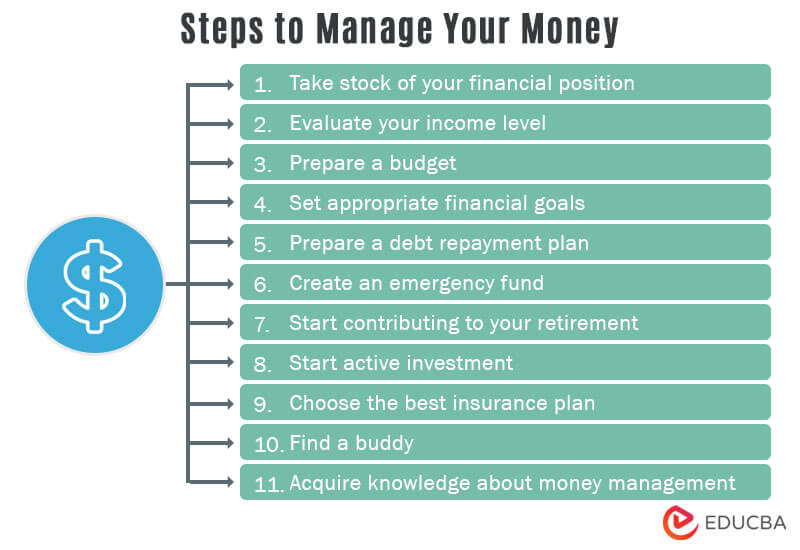
Conclusion
The journey to managing money better is not a sprint, but a marathon—a continuous process of learning, adapting, and growing. It begins with an honest assessment of your current financial state, progresses through strategic budgeting and debt management, and culminates in wealth building and mindful future planning. By embracing technology, cultivating a resilient financial mindset, and seeking knowledge, you can transform your financial habits and unlock a future of security and opportunity.
Remember, every small, consistent step forward contributes to significant long-term progress. Start today, stay disciplined, and empower yourself with the financial literacy to build the life you envision.
aViewFromTheCave is a participant in the Amazon Services LLC Associates Program, an affiliate advertising program designed to provide a means for sites to earn advertising fees by advertising and linking to Amazon.com. Amazon, the Amazon logo, AmazonSupply, and the AmazonSupply logo are trademarks of Amazon.com, Inc. or its affiliates. As an Amazon Associate we earn affiliate commissions from qualifying purchases.