
In an increasingly unpredictable economic landscape, the ability to consistently save money each month is not merely a desirable trait but a fundamental pillar of financial security and long-term prosperity. While the concept of saving might seem daunting, especially with rising costs of living, it is an achievable goal for everyone, regardless of their current income level. It simply requires a clear understanding of personal finance, a commitment to strategic planning, and the discipline to cultivate enduring habits. This guide will walk you through a structured approach to not just save, but to build a robust financial future, month after month.

Understanding Your Financial Landscape
Before you can effectively save, you must first understand where your money is currently going. This foundational step is critical for identifying areas of potential savings and creating a realistic financial plan. Without a clear picture of your income and expenditures, any attempt at saving will feel like navigating in the dark.
Tracking Income and Expenses
The first order of business is to meticulously track every dollar that comes in and goes out. This isn’t about judgment, but about awareness. Begin by tallying all sources of monthly income – salaries, side hustles, dividends, etc. Then, document every expense. This can be done manually with a spreadsheet, through dedicated budgeting apps, or by reviewing bank and credit card statements. Categorize your expenses into fixed costs (rent/mortgage, loan payments, insurance) and variable costs (groceries, entertainment, transportation). The goal is to see exactly where your money is flowing, uncovering hidden leaks and areas of potential overspending that you might not have been aware of. This exercise often reveals surprising insights, laying the groundwork for informed financial decisions.
Differentiating Needs vs. Wants
Once you have a clear expense report, the next crucial step is to differentiate between “needs” and “wants.” Needs are essential for survival and basic living: housing, utilities, food, essential transportation, and healthcare. Wants, on the other hand, are discretionary purchases that improve your quality of life but are not strictly necessary: dining out, streaming subscriptions, new gadgets, expensive clothing, vacations, and premium coffee. Be honest with yourself during this assessment. Many items we perceive as needs are, in fact, wants. This distinction is vital because wants are often the first place to look when seeking to cut expenses and reallocate funds towards savings. Prioritizing needs ensures your basic security, while consciously managing wants frees up capital for your financial goals.
Setting Realistic Financial Goals
Saving without a purpose can feel aimless and quickly lose momentum. Setting clear, realistic, and measurable financial goals provides motivation and direction. Do you want to build an emergency fund covering three to six months of living expenses? Save for a down payment on a house? Pay off high-interest debt? Fund a child’s education? Or invest for retirement? Break down larger goals into smaller, monthly targets. For example, if your goal is to save $6,000 for an emergency fund within a year, you know you need to save $500 per month. Ensure your goals are SMART: Specific, Measurable, Achievable, Relevant, and Time-bound. Regularly reviewing and adjusting these goals will keep you engaged and on track, transforming abstract desires into concrete financial milestones.
Implementing Effective Saving Strategies
With a solid understanding of your financial situation and clear goals in place, it’s time to implement practical strategies that actively channel your money towards savings. These strategies range from structured budgeting to smart spending habits, all designed to maximize your saving potential.
The Power of Budgeting: Zero-Based vs. 50/30/20 Rule
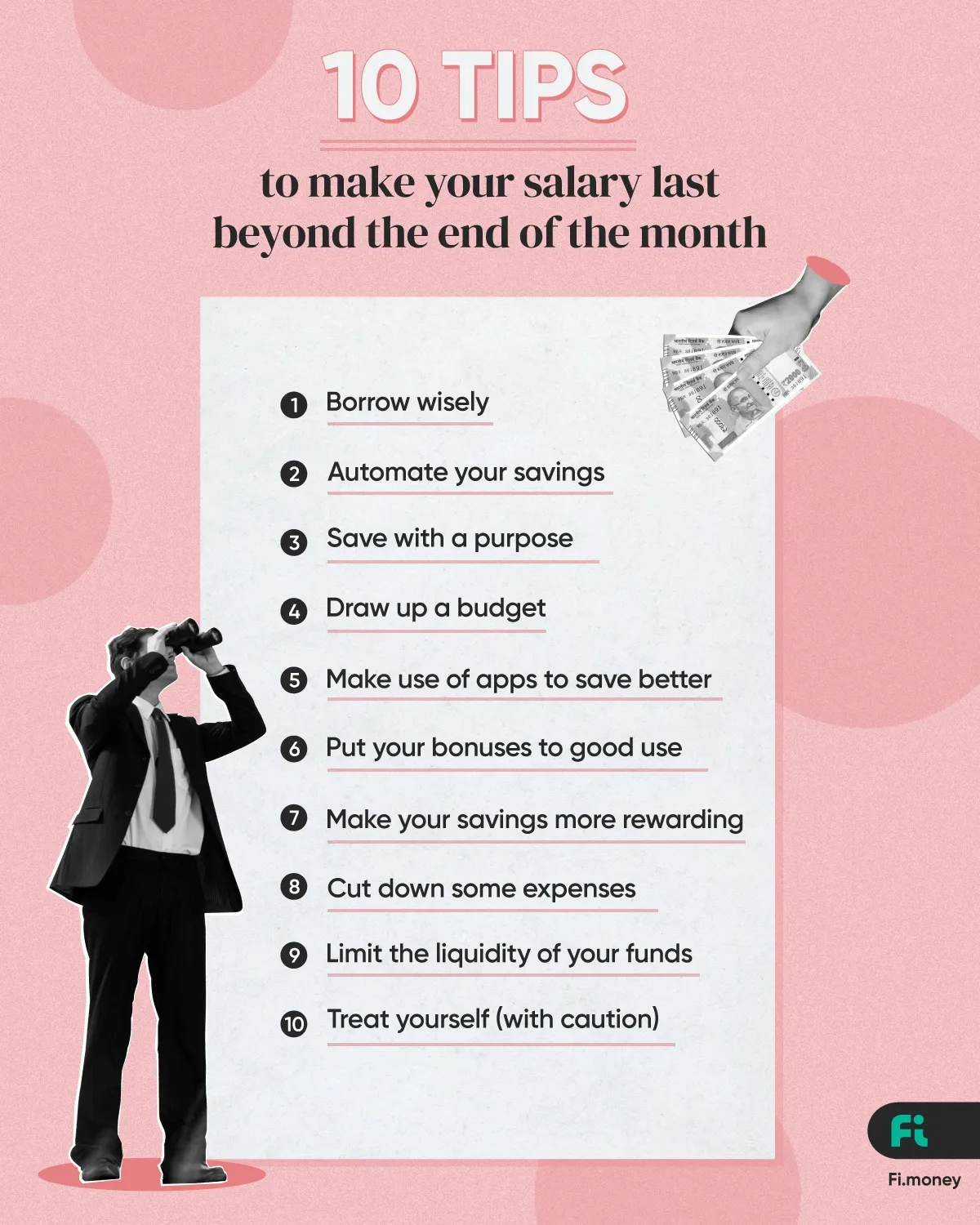
Budgeting is the cornerstone of effective saving. It’s not about restriction, but about conscious allocation of your money. Two popular budgeting methods offer distinct approaches. The Zero-Based Budgeting method requires you to assign every dollar of your income a “job” – whether it’s for an expense, a savings goal, or debt repayment – until your income minus your expenses and savings equals zero. This method ensures no money is unaccounted for and maximizes your savings potential, as you’re intentionally directing every dollar. Alternatively, the 50/30/20 Rule offers a simpler framework: 50% of your after-tax income goes to Needs, 30% to Wants, and 20% to Savings and Debt Repayment. This rule is less granular but provides a quick, intuitive way to manage your finances, especially for those new to budgeting. Choose the method that best suits your personality and financial complexity, but commit to consistently using it.
Automating Your Savings
One of the most powerful and effortless saving strategies is automation. Once you’ve determined how much you can realistically save each month, set up an automatic transfer from your checking account to a dedicated savings or investment account immediately after each payday. Treating savings as a fixed expense, just like rent or a loan payment, removes the temptation to spend it. This “pay yourself first” philosophy ensures that your financial goals are prioritized before discretionary spending. Over time, these consistent, automatic contributions will compound, building substantial wealth without requiring constant willpower. Many banks also offer options to round up transactions to the nearest dollar and transfer the difference to savings, adding another layer of passive saving.
Cutting Unnecessary Expenses and Smart Shopping Habits
After identifying wants versus needs, actively seek opportunities to reduce or eliminate unnecessary expenses. Conduct a thorough subscription audit – cancel unused gym memberships, streaming services, or recurring app subscriptions. Review your meal planning: preparing more meals at home significantly reduces dining-out costs. Explore ways to improve energy efficiency in your home, which can lower utility bills. When it comes to shopping, adopt smart habits: comparison shop for major purchases, utilize discounts and coupons, and consider buying non-perishable goods in bulk when cost-effective. Delay gratification on impulse buys by implementing a “24-hour rule” – if you still want it after a day, then consider the purchase. These small, consistent changes in spending habits accumulate into significant monthly savings.
Optimizing Your Debt and Investments for Savings
Saving isn’t just about putting money aside; it also involves intelligently managing debt and leveraging investment vehicles. High-interest debt can erode your savings potential, while smart investing can accelerate your wealth accumulation.
Tackling High-Interest Debt First
Before aggressively saving for long-term goals, prioritize paying down high-interest debt, such as credit card balances or personal loans. The interest rates on these debts can be exorbitant, often far exceeding any returns you might earn from a savings account or conservative investment. Think of paying off a 20% interest credit card as an guaranteed 20% return on your money – an incredible “saving.” Strategies like the debt avalanche method (paying off the debt with the highest interest rate first, then moving to the next) or the debt snowball method (paying off the smallest balance first for psychological wins) can be highly effective. Freeing yourself from the burden of high-interest debt not only saves you money in interest payments but also frees up significant cash flow for future savings and investments.
Leveraging Employer-Sponsored Retirement Plans

If available, actively participate in your employer-sponsored retirement plans, such as a 401(k) or 403(b). Crucially, aim to contribute at least enough to receive any employer match. This is essentially free money and an immediate 100% return on your investment. Contributions to these accounts are often pre-tax, reducing your taxable income in the present. Beyond the match, these accounts offer tax-advantaged growth, allowing your money to compound over decades, significantly boosting your retirement savings without requiring constant active management. Even small, consistent contributions can grow substantially due to the power of compound interest, making it one of the most effective long-term saving and wealth-building strategies.
Exploring Low-Risk Investment Options for Short-Term Savings
While a traditional savings account is good for an emergency fund, for short-to-medium term savings goals (e.g., a down payment, a new car within 1-5 years), consider exploring low-risk investment options that offer slightly better returns than standard savings accounts. Options like High-Yield Savings Accounts (HYSAs), Certificates of Deposit (CDs), or money market accounts can provide a modest but secure growth for your funds, helping your money work harder for you without exposing it to significant market volatility. The key is to choose options that align with your specific timeframe and risk tolerance, ensuring your funds are accessible when needed while still outperforming inflation to some degree.
Cultivating a Frugal Mindset and Long-Term Habits
Saving money isn’t just about applying strategies; it’s also about adopting a specific mindset and embedding sustainable habits into your daily life. A conscious shift in perspective can make all the difference.
Embracing Delayed Gratification
In an instant-gratification society, learning to delay gratification is a powerful tool for saving. This means resisting the urge for immediate pleasure in favor of a greater future reward. Instead of buying that new gadget today, consider waiting a month and putting that money into savings. The satisfaction of achieving a financial goal often far outweighs the fleeting joy of an impulse purchase. Practice mindfulness around spending decisions, asking yourself if a purchase truly aligns with your long-term financial objectives. This psychological shift can transform your relationship with money, making intentional saving feel empowering rather than restrictive.
Finding Free or Low-Cost Entertainment
Entertainment is a significant variable expense for many. Seek out free or low-cost alternatives to expensive outings. Explore local parks, free community events, public libraries (for books, movies, and sometimes even passes to local attractions), hiking trails, or host potluck dinners with friends instead of dining out. Many cities offer free museums or “pay-what-you-wish” days. Getting creative with your leisure activities not only saves money but can also lead to more enriching and memorable experiences. The goal isn’t to eliminate enjoyment, but to find joy in experiences that don’t constantly deplete your bank account.
Regular Financial Reviews and Adjustments
Your financial situation is not static; it evolves with life changes, income fluctuations, and shifting goals. Therefore, it’s crucial to conduct regular financial reviews, ideally monthly or quarterly. Review your budget, track your progress towards goals, and assess if your current saving strategies are still effective. Are there new expenses? Has your income changed? Are your goals still relevant? Adjust your budget and saving plan as needed. This iterative process ensures your financial strategy remains agile and responsive, keeping you on the path to financial success. Consistent self-assessment is key to sustained financial health.
Building an Emergency Fund as a Priority
One of the most critical long-term habits is prioritizing and maintaining an emergency fund. This fund, typically held in a separate, easily accessible savings account, should ideally cover 3 to 6 months of essential living expenses. It acts as a financial safety net, protecting you from unexpected life events like job loss, medical emergencies, or unforeseen home repairs, preventing you from going into debt during crises. Building this fund first provides immense peace of mind and forms the bedrock of a stable financial future, allowing you to pursue other savings goals without fear of derailment.
Utilizing Modern Financial Tools and Resources
In the digital age, a plethora of tools and resources are available to simplify and enhance your money-saving efforts. Leveraging these can streamline your financial management and boost your progress.
Budgeting Apps and Software
Gone are the days of tedious manual ledger entries. Modern budgeting apps like Mint, YNAB (You Need A Budget), Personal Capital, or Simplifi link directly to your bank accounts and credit cards, automatically categorizing transactions, tracking spending, and visualizing your financial health. They offer real-time insights, alert you to overspending, and help you stick to your budget. Many also provide goal-tracking features, allowing you to monitor your progress towards specific savings targets. Choosing an app that aligns with your preferred budgeting method and offers user-friendly features can significantly ease the process of managing your money effectively.
High-Yield Savings Accounts
While not a complex investment, utilizing high-yield savings accounts (HYSAs) is a simple yet effective way to maximize the growth of your emergency fund and short-term savings. Offered primarily by online banks, HYSAs typically offer significantly higher interest rates than traditional brick-and-mortar savings accounts, sometimes ten to twenty times more. This means your money earns more without any additional effort on your part. Ensure the account is FDIC-insured for security and check for any minimum balance requirements or fees before opening. The extra interest might seem small initially, but it compounds over time, making a noticeable difference in your total savings.
Financial Advisors and Online Resources
For those with more complex financial situations or significant wealth-building goals, consulting a qualified financial advisor can provide tailored strategies for saving, investing, and tax planning. They can help you create a comprehensive financial plan, optimize your portfolio, and navigate complex financial decisions. Additionally, a wealth of free online resources, blogs, podcasts, and reputable financial websites offer valuable education and insights. Continuously educating yourself on personal finance topics empowers you to make smarter decisions and take greater control over your financial destiny.
Saving money every month is a journey, not a destination. It requires consistent effort, a willingness to adapt, and a commitment to your financial well-being. By understanding your financial landscape, implementing effective strategies, optimizing your debt and investments, cultivating a frugal mindset, and leveraging modern tools, you can transform your financial habits and build a secure, prosperous future, one saved dollar at a time. The path to financial freedom begins with a single, deliberate step, taken consistently, month after month.
aViewFromTheCave is a participant in the Amazon Services LLC Associates Program, an affiliate advertising program designed to provide a means for sites to earn advertising fees by advertising and linking to Amazon.com. Amazon, the Amazon logo, AmazonSupply, and the AmazonSupply logo are trademarks of Amazon.com, Inc. or its affiliates. As an Amazon Associate we earn affiliate commissions from qualifying purchases.