
In an increasingly complex economic landscape, mastering the art of saving money is not just a prudent choice—it’s an absolute necessity for achieving financial security and pursuing your life’s aspirations. Whether you’re aiming to build an emergency fund, save for a down payment, plan for retirement, or simply gain better control over your finances, understanding and implementing effective saving strategies is paramount. This guide will walk you through foundational principles, practical techniques, and advanced strategies to transform your financial habits and build a resilient financial future.
I. Understanding Your Financial Landscape
Before you can effectively save, you must first understand where your money is currently going. This foundational step involves gaining clarity on your income, expenses, and overall financial health. Without this crucial insight, any saving efforts might feel like navigating a maze blindfolded.
The Importance of a Budget
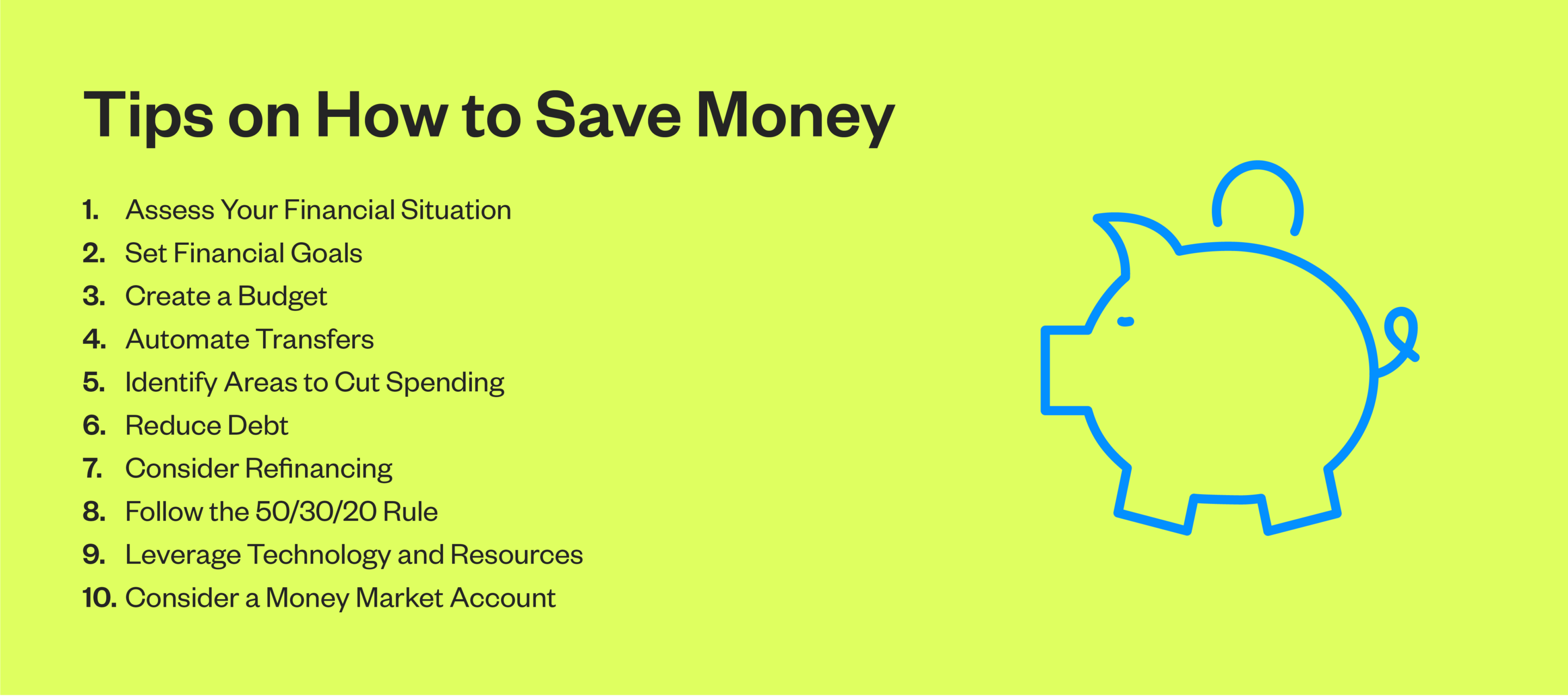
A budget is not a restrictive financial straitjacket; rather, it’s a powerful tool that illuminates your financial reality and empowers you to make conscious choices. It’s a detailed plan for how you’ll spend and save your money, helping you ensure you always have enough money for the things you need and the goals you want to achieve. Start by listing all your sources of income and then meticulously categorize all your expenses. Common budgeting methods include the 50/30/20 rule (50% for needs, 30% for wants, 20% for savings and debt repayment) or zero-based budgeting, where every dollar is assigned a specific purpose. The key is to find a method that resonates with your personal style and that you can consistently stick to.
Tracking Your Spending Habits
Many people are surprised to discover where their money truly goes once they start tracking. Every coffee, every impulsive online purchase, every forgotten subscription – these small outflows add up significantly over time. Utilize personal finance apps, spreadsheets, or even a simple notebook to record every transaction for at least a month. This exercise will expose your financial leaks and highlight areas where you can cut back without feeling deprived. It’s an eye-opening process that often reveals patterns you were previously unaware of, paving the way for targeted adjustments.
Differentiating Needs from Wants
A cornerstone of effective saving is the ability to distinguish between essential needs and discretionary wants. Needs are fundamental for survival and basic living: housing, utilities, groceries, transportation to work, and basic healthcare. Wants are non-essential items or services that improve your quality of life but are not strictly necessary: dining out, entertainment subscriptions, new gadgets, designer clothes, and vacations. While wants are certainly part of a balanced life, a critical step in saving is to identify where wants are consuming funds that could be better allocated to saving or debt repayment. Consciously reducing wants is often the quickest path to increasing your savings rate.
II. Strategic Approaches to Cutting Expenses
Once you have a clear picture of your finances, the next step is to actively seek out opportunities to reduce your outgoing expenses. This doesn’t necessarily mean sacrificing quality of life, but rather making smarter, more deliberate choices.
Everyday Savings: Groceries and Utilities
Your largest variable expenses often lie in groceries and utilities. For groceries, plan your meals ahead of time, create a shopping list, and stick to it. Buy generic brands when appropriate, compare unit prices, and avoid shopping when hungry. Consider meal prepping to reduce spontaneous takeout orders. For utilities, implement energy-saving habits: unplug electronics when not in use, adjust your thermostat, switch to energy-efficient appliances and LED lighting, and be mindful of water consumption. Even small changes, like taking shorter showers or line-drying clothes, can lead to substantial annual savings.
Re-evaluating Subscriptions and Memberships
In the age of streaming services and digital platforms, it’s easy to accumulate a multitude of recurring subscriptions. Take inventory of all your monthly and annual memberships—streaming services, gym memberships, software subscriptions, mobile apps, and more. Cancel anything you don’t actively use or that you can live without. Consider rotating subscriptions, enjoying one service for a few months before switching to another, rather than paying for multiple concurrently. Many people are surprised by how much money they save by simply auditing their recurring payments.
Smart Shopping Techniques and Avoiding Impulse Buys
Impulse buying is a major antagonist to saving. Develop strategies to combat it: create a waiting period (e.g., 24-48 hours) before purchasing non-essential items, research products thoroughly, read reviews, and compare prices. Leverage sales, discounts, and coupons judiciously, but only for items you truly need. Online, fill your cart and then walk away for a while before completing the purchase. In physical stores, stick to your shopping list. Developing patience and intentionality in your purchasing decisions can dramatically reduce unnecessary spending.
Reducing Transportation Costs
Transportation can be a significant drain on your wallet. If possible, consider public transport, cycling, or walking for shorter distances. Carpool with colleagues or friends. If you own a car, optimize your driving habits to improve fuel efficiency, keep up with regular maintenance, and shop around for competitive insurance rates. For longer-term savings, consider if you truly need a car, or if a smaller, more fuel-efficient vehicle could meet your needs. The cumulative savings from reducing fuel, maintenance, and insurance costs can be substantial.
III. Building a Robust Savings Foundation
Cutting expenses is only half the battle; the other half is channeling those savings into productive accounts and developing habits that foster long-term financial health.
Setting Clear Financial Goals
Saving without a clear objective can feel aimless. Define specific, measurable, achievable, relevant, and time-bound (SMART) financial goals. Do you want to save $10,000 for a down payment in two years? Build a six-month emergency fund by next year? Pay off a credit card debt by the end of the quarter? Clear goals provide motivation, direction, and a benchmark against which you can measure your progress. Break down large goals into smaller, manageable milestones to maintain momentum.

Automating Your Savings
One of the most powerful saving strategies is automation. Set up automatic transfers from your checking account to your savings account immediately after you get paid. Treat your savings contribution like any other non-negotiable bill. Even small, consistent transfers add up significantly over time, thanks to the power of compounding. When money is moved before you even see it, you’re less likely to spend it. This ‘pay yourself first’ mentality removes the temptation to spend money that you intend to save.
The Power of an Emergency Fund
An emergency fund is your financial safety net, designed to cover unexpected expenses like job loss, medical emergencies, or car repairs without resorting to high-interest debt. Aim to save at least three to six months’ worth of essential living expenses in a readily accessible, high-yield savings account. This fund provides peace of mind and prevents minor setbacks from snowballing into major financial crises. Prioritize building this fund before focusing on other long-term investment goals.
Debt Management: A Prerequisite for Saving
High-interest debt, such as credit card balances or personal loans, can severely hinder your saving efforts. The interest payments eat away at your income, making it difficult to allocate funds elsewhere. While building an emergency fund, concurrently work on paying down high-interest debt. Strategies like the “debt snowball” (paying off smallest debts first for psychological wins) or “debt avalanche” (paying off highest-interest debts first to save money on interest) can be highly effective. Eliminating debt frees up more of your income, allowing you to save significantly more each month.
IV. Maximizing Your Income and Investments
Saving isn’t solely about cutting back; it’s also about strategically growing your financial resources. This involves looking beyond your primary income and making your money work harder for you.
Exploring Side Hustles and Passive Income
If your current income isn’t sufficient to meet your saving goals, consider exploring additional income streams. Side hustles—freelancing, gig work, consulting, or selling goods online—can provide extra funds that you can directly channel into savings or debt repayment. Look for opportunities that leverage your existing skills or allow you to develop new ones. Additionally, explore passive income streams, such as investing in dividend stocks, rental properties, or creating digital products, which can generate income with minimal ongoing effort once established.
Smart Investing for Long-Term Growth
Once you have an emergency fund and are managing high-interest debt, investing becomes a crucial component of long-term wealth building. Start by understanding your risk tolerance and financial goals. Options range from low-risk savings accounts and certificates of deposit (CDs) to higher-risk but potentially higher-reward investments like stocks, bonds, and mutual funds. Consider tax-advantaged accounts like 401(k)s and IRAs, which offer significant benefits for retirement savings. Diversification is key to mitigating risk, and consistent, long-term investing allows you to benefit from the power of compounding.
Leveraging Financial Tools and Apps
The digital age offers a plethora of tools to assist with saving and investing. Budgeting apps (e.g., Mint, YNAB), investment platforms (e.g., Robinhood, Fidelity, Vanguard), and automated savings tools (e.g., Acorns, Digit) can simplify the process, track your progress, and provide insights into your spending and saving habits. Many banking apps also offer features like round-up savings, where spare change from purchases is automatically transferred to your savings account. Embrace these technologies to streamline your financial management and stay on track.
Negotiating Better Deals and Salaries
Don’t underestimate the power of negotiation. Whether it’s your salary, a bill, or a significant purchase, asking for a better deal can directly impact your saving potential. Research market rates for your skills and experience, and confidently negotiate your salary during job offers or performance reviews. Similarly, don’t hesitate to call your service providers (internet, cable, insurance) to inquire about lower rates or better packages. Many companies are willing to negotiate to retain customers. This proactive approach can lead to significant savings and increased income.
V. Cultivating a Frugal Mindset for Lasting Wealth
Saving money is not just about techniques and tools; it’s about cultivating a mindset that values prudence, patience, and long-term vision over instant gratification.
Embracing Delayed Gratification
The ability to delay gratification is a hallmark of financial success. It means choosing to forgo immediate pleasure for greater long-term rewards. Instead of buying that new gadget today, you save for a down payment. Instead of an expensive dinner, you cook at home and invest the difference. This doesn’t mean never enjoying life, but rather making conscious choices about where your money goes, aligning your spending with your core values and financial goals.
Financial Literacy as a Continuous Journey
The world of personal finance is dynamic, with new products, strategies, and economic conditions constantly emerging. Make financial literacy a lifelong pursuit. Read books, follow reputable financial news sources, listen to podcasts, and take online courses. The more you understand about money, investing, and economic principles, the better equipped you’ll be to make informed decisions and adapt your strategies as your life circumstances and financial goals evolve.

Celebrating Small Victories and Staying Motivated
The journey to financial security is a marathon, not a sprint. It’s crucial to acknowledge and celebrate your progress along the way. Did you stick to your budget for a month? Did you hit a savings milestone? Did you pay off a credit card? These small victories reinforce positive behaviors and provide the motivation to continue. Surround yourself with supportive communities, share your goals, and remind yourself of the larger vision you’re working towards. Consistent effort, combined with strategic planning, will inevitably lead you to a more secure and prosperous financial future.
Saving money is a journey that requires discipline, awareness, and continuous learning. By understanding your finances, strategically cutting expenses, building a strong savings foundation, maximizing your income, and adopting a frugal mindset, you can take control of your financial destiny and build the wealth necessary to achieve your dreams. Start today, and watch your financial security grow.
aViewFromTheCave is a participant in the Amazon Services LLC Associates Program, an affiliate advertising program designed to provide a means for sites to earn advertising fees by advertising and linking to Amazon.com. Amazon, the Amazon logo, AmazonSupply, and the AmazonSupply logo are trademarks of Amazon.com, Inc. or its affiliates. As an Amazon Associate we earn affiliate commissions from qualifying purchases.