
For the modern investor, the rhythm of the stock market often dictates the rhythm of daily life. From the ringing of the opening bell at 9:30 AM EST to the final trades at 4:00 PM, the movement of tickers represents the heartbeat of the global economy. However, there are specific days when the screens go dark, the floor of the New York Stock Exchange (NYSE) falls silent, and the digital order books of the Nasdaq stop ticking. When an investor asks, “Why is the market close today?” the answer typically falls into one of three categories: a scheduled federal holiday, a weekend, or—much more rarely—an emergency suspension of trading.
Understanding the logic behind market closures is essential for managing liquidity, setting expectations for trade settlements, and maintaining a healthy psychological distance from the volatility of daily price action.
The Standard Calendar: Federal Holidays and Observed Traditions
The most common reason the market is closed on a weekday is the observance of a public holiday. In the United States, the equity markets generally follow the federal holiday schedule, though there are notable exceptions and nuances. These closures provide a necessary pause for financial institutions, clearinghouses, and regulatory bodies to reset and for personnel to observe national traditions.
Major Market Holidays
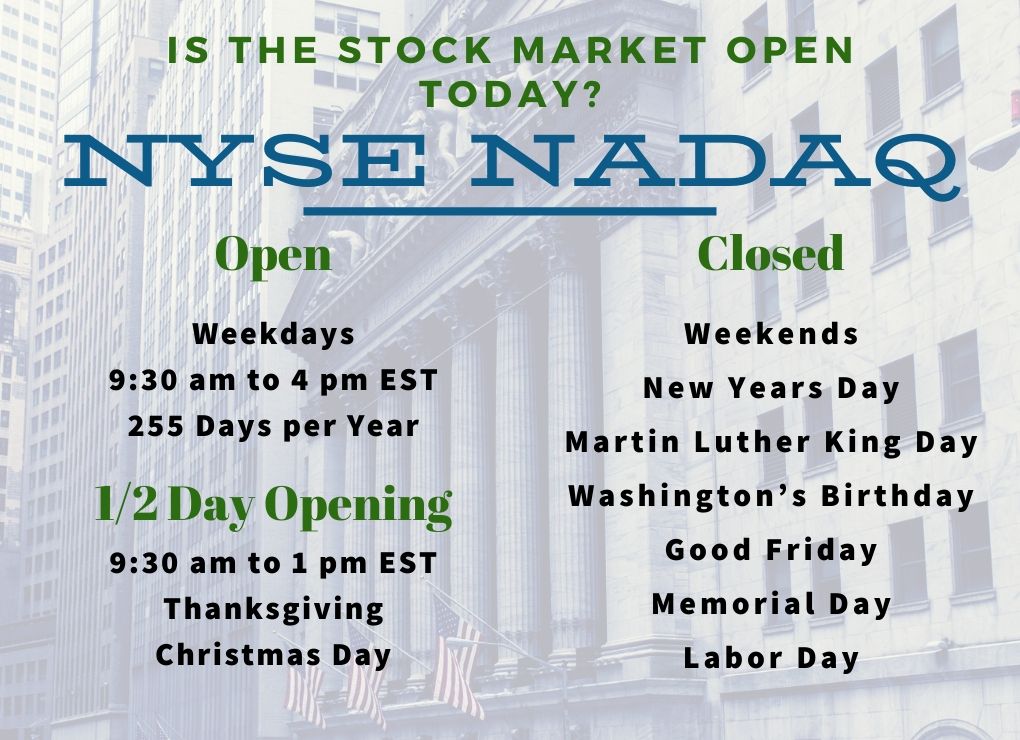
The NYSE and Nasdaq currently observe nine full-day holidays and several early closures throughout the year. These include:
-
New Year’s Day: A global standard for market closures, marking the beginning of the new fiscal year.
-
Martin Luther King, Jr. Day: Observed on the third Monday of January, honoring the civil rights leader’s legacy.
-
Presidents’ Day: Formally Washington’s Birthday, observed on the third Monday in February.
-
Good Friday: This is a unique instance where the stock market closes for a day that is not a federal holiday. While banks and post offices remain open, the markets traditionally close in observance of the religious holiday, a practice dating back decades.
-
Memorial Day: Observed on the last Monday of May, honoring those who died in military service.
-
Juneteenth National Independence Day: The newest addition to the market calendar, added in 2022 to commemorate the end of slavery in the United States.
-
Independence Day: Celebrated on July 4th. If the 4th falls on a Saturday, the market closes on Friday; if it falls on a Sunday, it closes on Monday.
-
Labor Day: The first Monday in September, marking the end of summer and often a return to higher trading volumes.
-
Thanksgiving Day: The fourth Thursday in November. The market also typically closes early (at 1:00 PM EST) on the following day, known as Black Friday.
-
Christmas Day: December 25th. Like Independence Day, observances shift if the holiday falls on a weekend.
The “Observed” Rule
A crucial piece of financial literacy for any trader is understanding the “observed” rule. When a holiday falls on a Saturday, the market is typically closed on the preceding Friday. If a holiday falls on a Sunday, the market is closed on the following Monday. This ensures that the financial system maintains a consistent number of working days and that employees are granted the time off regardless of the calendar’s alignment.
The Mechanics of Market Hours and Weekend Breaks
Beyond the specific holidays, the market maintains a rigid schedule that governs when capital can flow in and out of equities. For the uninitiated, it can be surprising to find the market “closed” during what feels like peak business hours.
The Weekend Effect
The most frequent market closures occur every Saturday and Sunday. While the 24/7 nature of cryptocurrency has changed expectations for some younger investors, traditional equity markets remain offline during the weekend. This serves several purposes. First, it allows for the settlement of trades from the previous week. Second, it prevents extreme volatility that could occur if global news broke when only a fraction of market participants were active. The weekend allows information to be digested, leading to a more orderly “price discovery” when the market opens on Monday morning.
Trading Sessions and After-Hours
It is important to distinguish between the “market being closed” and “trading being stopped.” While the primary exchange hours are 9:30 AM to 4:00 PM EST, there are extended-hours sessions. Pre-market trading typically runs from 4:00 AM to 9:30 AM, and after-hours trading runs from 4:00 PM to 8:00 PM.
When the market is “closed” for a holiday or weekend, these extended sessions are also generally unavailable for standard retail equities. However, other financial instruments, such as Treasury futures or foreign exchange (Forex), may continue to trade. The “Money” niche often focuses on equities, but a truly diversified investor understands that when the NYSE is closed, the global pulse of value continues to beat in London, Tokyo, and Hong Kong.
Extraordinary Circumstances: When the Market Closes Unexpectedly
While the holiday calendar is predictable, the market can close due to unforeseen events. These “black swan” closures are rare but represent some of the most significant moments in financial history.
Technical Glitches and Circuit Breakers
In an era of high-frequency trading and algorithmic execution, technical failures can force an exchange to halt trading. For example, in 2013, a technical “snag” forced the Nasdaq to shut down for three hours. More systematically, the market utilizes “circuit breakers.” These are automated regulatory measures that temporarily stop trading when the S&P 500 drops by specific percentages (7%, 13%, and 20%) to prevent panic selling and allow for a “cooling off” period. If the 20% threshold is hit, the market closes for the remainder of the day.
National Emergencies and Natural Disasters
Physical infrastructure still plays a role in our digital economy. In 2012, Hurricane Sandy caused the first multi-day weather-related closure of the NYSE since 1888. The exchange closed for two days due to the threat the storm posed to the safety of employees and the integrity of the power grid in Lower Manhattan.
Perhaps the most somber example of an unplanned closure was following the terrorist attacks of September 11, 2001. The markets remained closed for nearly a week—the longest shutdown since the Great Depression—to ensure the stability of the financial system and to allow for the physical and emotional recovery of the Wall Street community.
The Impact of Market Closures on Your Portfolio
A closed market does not mean that the value of your investments is static; it simply means you cannot execute a transaction at that moment. Understanding the implications of these pauses is vital for strategic personal finance.
Liquidity Risk and Gap Risk
The primary risk associated with a market closure is “gap risk.” Since news continues to break while the market is closed—geopolitical tensions, corporate scandals, or economic data releases—the price of a stock on Monday morning might be significantly different from its closing price on Friday afternoon. This “gap” can bypass “stop-loss” orders, leading to larger losses than an investor might have anticipated.
Settlement Cycles (T+1)
In the world of money management, the “Trade Date plus one day” (T+1) rule is the current standard for most securities. When the market is closed, the settlement clock stops. If you sell a stock on a Friday before a long holiday weekend, you will not see those funds settled in your account until the following Tuesday or Wednesday. For investors who rely on timely access to cash, these holiday “dead zones” must be factored into their cash-flow projections.
Psychological Benefits of the Pause
From a behavioral finance perspective, market closures are often beneficial for the average retail investor. Constant access to real-time price fluctuations can encourage “over-trading” and emotional decision-making. A holiday closure forces a break from the “noise,” allowing investors to step back, review their long-term strategy, and focus on fundamental goals rather than short-term ticks.
Strategic Moves for a Closed Market
When the market is closed, the proactive investor doesn’t simply stop working. Instead, they shift their focus from execution to education and analysis.
Reviewing the “Big Picture”
Without the distraction of moving tickers, a market holiday is the perfect time to perform a portfolio rebalance. Are your asset allocations still in line with your risk tolerance? Are you over-weighted in tech after a recent rally? Use the downtime to run the numbers and prepare orders for when the market reopens.
Research and Due Diligence
Professional analysts use weekends and holidays to dive into 10-K filings, earnings call transcripts, and industry white papers. In the “Money” niche, the greatest edge often comes from information that isn’t yet priced into the market. A closed market provides the quiet environment necessary for deep work—studying the competitive advantages of a company or the macroeconomic trends that will define the next quarter.
Setting “Limit Orders”
Just because the market is closed doesn’t mean you can’t place an order. Most brokerage platforms allow you to enter orders 24/7. By placing a “limit order” during a market closure, you ensure that your trade will execute only if the price meets your specific criteria when the opening bell rings. This prevents you from being caught in the “opening volatility” that often characterizes the first 15 minutes of a trading session after a long weekend.

Conclusion
The question “Why is the market close today?” serves as a reminder that the financial world is governed by both rigid schedules and the unpredictability of global events. Whether it is a day of national remembrance, a weekend rest, or an emergency halt, these pauses are essential components of a functional economy. For the disciplined investor, a closed market is not an obstacle, but an opportunity to sharpen their strategy, manage their liquidity, and prepare for the opportunities that the next opening bell will inevitably bring. Understanding the “why” behind the closure is the first step toward mastering the “how” of long-term wealth building.
aViewFromTheCave is a participant in the Amazon Services LLC Associates Program, an affiliate advertising program designed to provide a means for sites to earn advertising fees by advertising and linking to Amazon.com. Amazon, the Amazon logo, AmazonSupply, and the AmazonSupply logo are trademarks of Amazon.com, Inc. or its affiliates. As an Amazon Associate we earn affiliate commissions from qualifying purchases.