
The Dow Jones Industrial Average (DJIA), often referred to simply as “the Dow,” is one of the oldest and most watched equity indices in the world. Comprising 30 prominent “blue-chip” companies listed on stock exchanges in the United States, it serves as a primary pulse-check for the health of the American economy. When the Dow flashes red and the numbers begin to slide, it triggers a wave of concern among institutional investors and retail traders alike. Understanding why the DJIA is down requires a multi-faceted analysis of macroeconomic indicators, corporate performance, and the underlying mechanics of the index itself.

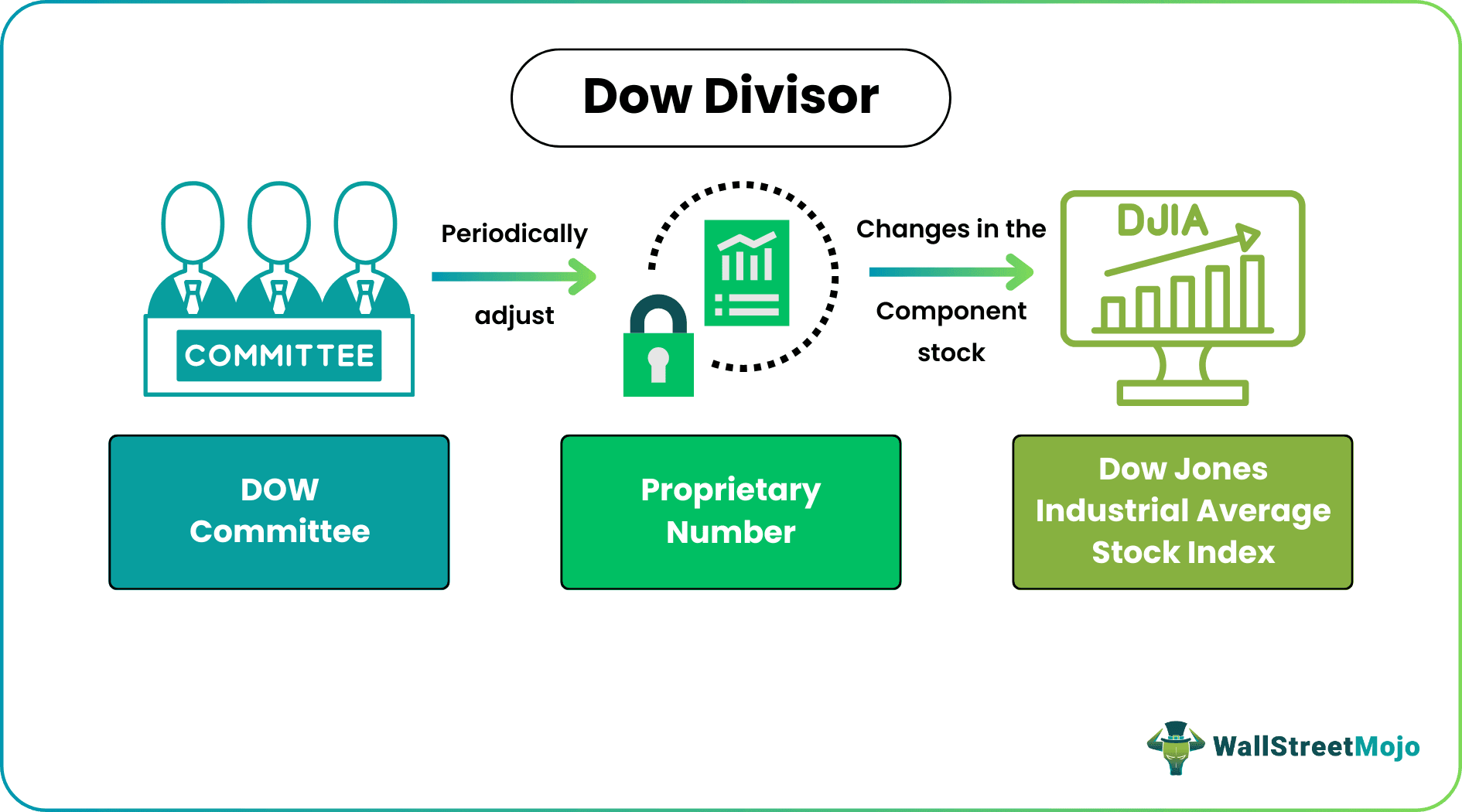
Unlike the S&P 500 or the Nasdaq Composite, the Dow is a price-weighted index. This means that companies with higher share prices exert a greater influence on the index’s movement than those with lower share prices, regardless of their actual market capitalization. Therefore, a significant drop in a high-priced stock like UnitedHealth Group or Goldman Sachs can pull the entire index down, even if the majority of the other 29 companies are performing well. To diagnose a downturn, one must look beyond the surface-level numbers and investigate the catalysts driving the selling pressure.
Macroeconomic Pressures and the Federal Reserve
The most common catalyst for a downward trend in the DJIA is the shifting landscape of macroeconomic policy, specifically the actions of the Federal Reserve. As the central bank of the United States, the Fed manages monetary policy to achieve a balance between maximum employment and stable prices. When the Fed perceives that inflation is rising too quickly, it typically resorts to raising interest rates.
The Impact of Interest Rates on Valuations
Higher interest rates are arguably the greatest headwind for equity markets. When rates rise, the cost of borrowing increases for both consumers and corporations. For the 30 companies in the Dow, many of which are industrial giants or financial institutions, expensive debt can crimp expansion plans, reduce profit margins, and slow down stock buyback programs. Furthermore, as interest rates climb, the “discount rate” used by analysts to value future cash flows also increases. This mathematically lowers the present value of a company’s future earnings, leading to a downward revision of stock prices.
Inflation and Purchasing Power
Persistent inflation is another primary driver of market declines. When the Consumer Price Index (CPI) or the Personal Consumption Expenditures (PCE) price index shows higher-than-expected growth, investors worry that the Fed will remain “hawkish”—meaning they will keep interest rates higher for longer. Inflation also erodes the purchasing power of the consumer. Since the U.S. economy is largely driven by consumer spending, any indication that households are tightening their belts due to the rising costs of groceries, fuel, and housing is seen as a negative sign for the blue-chip companies that provide these goods and services.
Corporate Earnings and Forward Guidance
While macroeconomic factors set the stage, individual corporate performance often acts as the primary actor in a Dow sell-off. Every quarter, the companies within the DJIA report their financial results. Because the index is so concentrated—containing only 30 stocks—an “earnings miss” from a major component can have a disproportionate impact on the index total.
The Weight of Expectations
In the financial world, it is rarely just about whether a company made a profit; it is about whether that profit met or exceeded the expectations of Wall Street analysts. If a major Dow component reports record revenue but warns that future growth may slow down—a concept known as “weak guidance”—the stock is likely to be sold off. Professional investors trade on the future, not the past. If the collective outlook for the industrial, tech, and financial sectors within the Dow turns grim, the index will inevitably trend lower.
Sector-Specific Weakness
The Dow is heavily weighted toward Industrials, Financials, and Healthcare. If there is a specific crisis in the banking sector, for instance, the Dow may fall more sharply than the tech-heavy Nasdaq. Conversely, when large-scale industrial companies face supply chain disruptions or rising raw material costs (such as the price of steel or energy), their margins contract. Because these companies represent the “backbone” of the index, their collective struggle translates into a downward move for the DJIA.

Geopolitical Instability and Global Trade
The companies that make up the Dow Jones Industrial Average are not just American entities; they are global conglomerates with operations, supply chains, and customers in every corner of the world. Consequently, the index is highly sensitive to geopolitical tensions and shifts in international trade policy.
Trade Wars and Tariffs
Many Dow components, such as Boeing, Caterpillar, and Apple, rely heavily on international trade. When trade tensions escalate between the United States and major trading partners like China or the European Union, the threat of tariffs looms large. Tariffs increase the cost of doing business and can lead to retaliatory measures that lock American companies out of foreign markets. Any news suggesting a breakdown in trade negotiations or the implementation of new protectionist policies often leads to an immediate drop in the DJIA.
Global Conflict and Energy Costs
Geopolitical instability, such as conflicts in the Middle East or Eastern Europe, introduces a “risk-off” sentiment into the markets. During times of uncertainty, investors tend to move their capital out of equities and into perceived “safe havens” like gold or U.S. Treasury bonds. Furthermore, global conflicts often disrupt energy markets. Since energy is a fundamental input for almost every company in the Dow—from the fuel needed for transportation to the electricity required for manufacturing—a spike in oil or natural gas prices acts as a de facto tax on corporate earnings, dragging the index down.
Investor Psychology and Technical Factors
Finally, it is essential to recognize that the stock market is not always a rational reflection of economic data. It is also a manifestation of human psychology—a tug-of-war between fear and greed.
The Fear Gauge and Momentum
When the Dow begins to slip, technical factors often take over. Many institutional investors use algorithmic trading systems that are programmed to sell when certain “support levels” are broken. If the DJIA falls below a psychologically important round number (like 30,000 or 35,000) or a moving average (like the 200-day moving average), it can trigger a wave of automated selling. This creates a feedback loop where the decline feeds on itself, leading to a sharp, rapid drop even if no new negative news has emerged.
Flight to Safety and Liquidity
In periods of high volatility, the “VIX” or Volatility Index (often called the fear gauge) tends to spike. As volatility increases, some investors are forced to sell positions to meet margin calls or to rebalance their portfolios. This “liquidity squeeze” means that there are more sellers than buyers at any given price point, forcing the index lower. In these moments, the DJIA isn’t just down because of a bad earnings report; it’s down because the market is experiencing a collective retreat into cash.
Navigating the Downturn: The Long-Term Perspective
For the individual investor, seeing the DJIA in the red can be a source of significant stress. However, it is vital to contextualize these moves within the broader history of the financial markets. The Dow has survived world wars, depressions, pandemics, and technological revolutions. While the factors mentioned above—interest rates, earnings, and geopolitics—can cause significant short-term pain, they are part of the natural ebb and flow of the business cycle.
Understanding why the Dow is down allows an investor to move from an emotional reaction to an analytical one. If the decline is driven by a temporary geopolitical headline, it may represent a buying opportunity. If it is driven by a fundamental shift in interest rates, it may signal a time to reallocate assets into more defensive sectors like consumer staples or utilities. Ultimately, a downward move in the DJIA is a reminder that risk is the price of admission for long-term equity returns. By identifying the specific pressures at play, investors can better position their portfolios to weather the storm and prepare for the eventual recovery.
aViewFromTheCave is a participant in the Amazon Services LLC Associates Program, an affiliate advertising program designed to provide a means for sites to earn advertising fees by advertising and linking to Amazon.com. Amazon, the Amazon logo, AmazonSupply, and the AmazonSupply logo are trademarks of Amazon.com, Inc. or its affiliates. As an Amazon Associate we earn affiliate commissions from qualifying purchases.