
The daily closing value of the Dow Jones Industrial Average (DJIA) is more than just a number; it’s a critical pulse point for global finance, an indicator of market sentiment, and a barometer of economic health. For investors, economists, and even casual observers, understanding this figure and its implications is fundamental to navigating the complex world of money. While a specific numerical answer for “today” would require real-time market data, the essence of the question lies in appreciating why this figure matters, what influences it, and how to interpret its movements within the broader financial landscape.
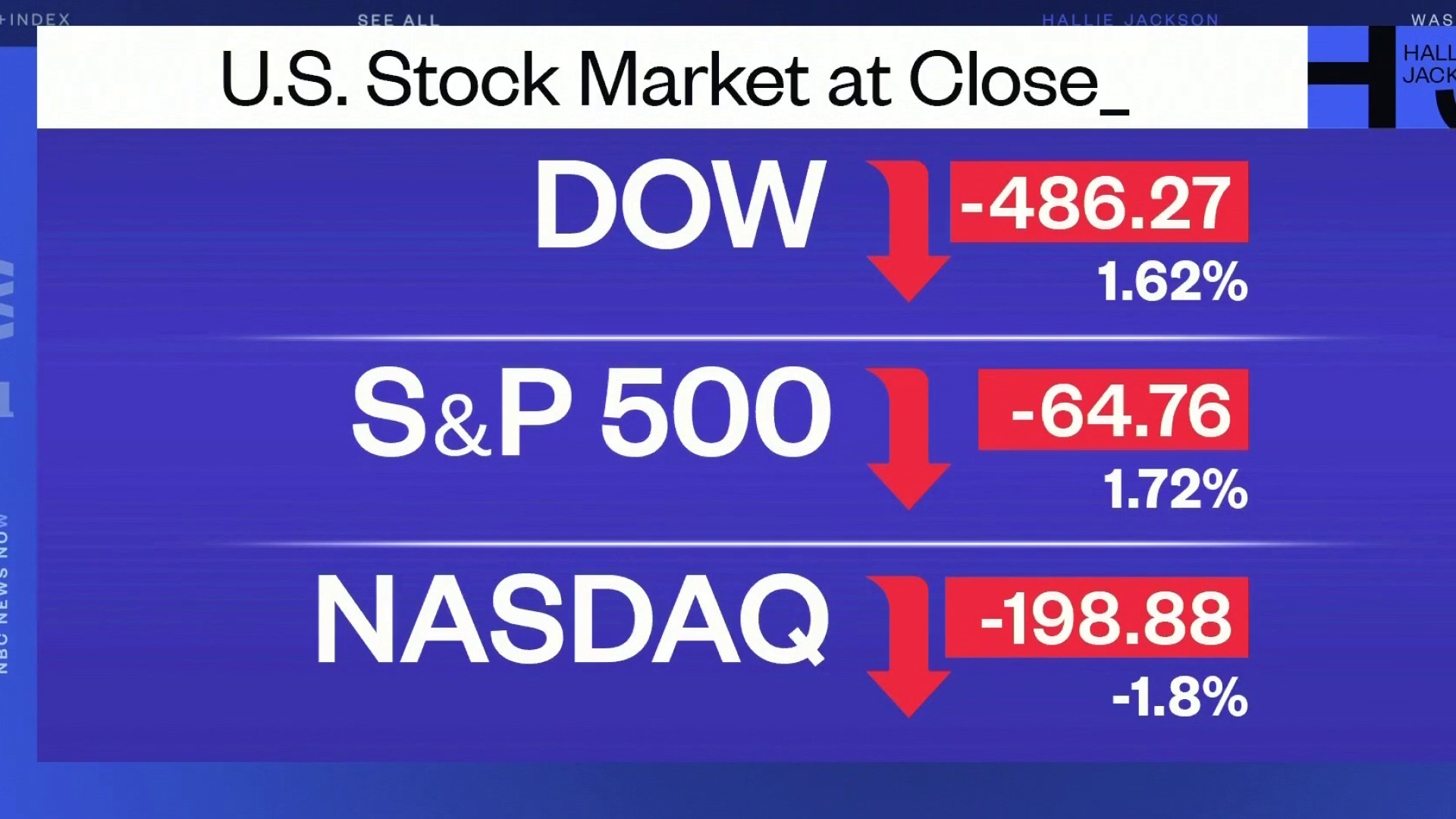
In the realm of personal finance, investing, and business strategy, the Dow’s daily close offers a snapshot. It reflects the collective judgment of market participants on the value of 30 bellwether American companies, providing insights into corporate profitability, consumer confidence, and the overall economic outlook. For sophisticated investors, it’s one data point among many, but for the general public, it often serves as the most accessible headline summarizing the day’s market activity. This article delves into the significance of the Dow’s close, the myriad factors shaping its trajectory, and how individuals and businesses can contextualize its movements for informed financial decision-making.
Understanding the Dow Jones Industrial Average (DJIA)
To fully grasp the importance of its daily closing value, one must first understand what the Dow Jones Industrial Average actually represents. Often simply called “the Dow,” it is one of the oldest and most widely recognized stock market indices in the world, embodying a significant slice of American corporate prowess.
A Brief History and Composition
The DJIA was created by Charles Dow in 1896, initially comprising just 12 industrial stocks. Its purpose was to provide a clear, concise measure of the health of the U.S. industrial sector. Over the decades, its composition has evolved significantly to reflect changes in the American economy, with companies added and removed to maintain its relevance. Today, the index tracks the performance of 30 large, publicly traded companies domiciled in the United States. These companies are often referred to as “blue chips” due to their size, stability, and reputation. Examples typically include giants like Apple, Microsoft, Coca-Cola, Disney, and JPMorgan Chase, representing various sectors from technology and finance to consumer goods and healthcare.
Unlike some other indices that are market-capitalization weighted (meaning larger companies have a greater impact), the Dow is a price-weighted index. This means stocks with higher share prices carry more weight in the index than those with lower share prices, regardless of their total market value. While this methodology has drawn criticism for not fully representing the broader market or the true economic contribution of its constituent companies, its historical legacy and pervasive media coverage ensure its continued prominence.
Why the Dow Matters (Despite its Limitations)
Despite the valid criticisms of its price-weighted methodology and its limited scope (30 companies out of thousands), the Dow remains incredibly influential. Its daily performance is a leading headline across financial news outlets globally, often serving as a shorthand for the overall health of the U.S. stock market and, by extension, the global economy. For many, a rising Dow signifies economic expansion and investor optimism, while a falling Dow can signal concerns about recessions or geopolitical instability.
Its importance also stems from the sheer size and global reach of its constituent companies. These are not merely U.S. companies; they are multinational corporations whose performance is intertwined with global supply chains, international trade, and consumer demand worldwide. Therefore, movements in the Dow can offer insights not just into the U.S. economy, but into the broader currents affecting global commerce. For individual investors, it offers a quick, albeit generalized, gauge of how their broader market investments might be performing, making its daily close a point of keen interest.
The Significance of the Daily Close
The closing value of the Dow Jones Industrial Average each trading day is far more than just the final price of a collection of stocks. It’s a highly anticipated figure that encapsulates the day’s financial narrative and sets the tone for future market activity.
A Snapshot of Market Sentiment
The daily close is the culmination of millions of individual buy and sell decisions made throughout the trading day. It reflects the market’s aggregate sentiment – the collective mood of investors regarding current economic conditions, corporate performance, and future expectations. A significant upward movement (a “rally”) suggests optimism, perhaps driven by positive earnings reports, favorable economic data, or investor confidence in future growth. Conversely, a sharp decline (a “sell-off”) can indicate pessimism, fear, or a reaction to adverse news, such as geopolitical tensions, inflation concerns, or weaker-than-expected corporate guidance.
This snapshot is particularly valuable because it represents the market’s consensus at a specific point in time. While intraday fluctuations can be volatile and noisy, the closing price provides a final, settled figure that market participants use as a benchmark. It is the number that gets reported, analyzed, and debated until the next trading day begins.
Indicator for Investor Decisions
For investors, the daily close is a crucial piece of information. While savvy investors look beyond single-day movements, the closing price informs their immediate perceptions and can influence their strategies. A strong close might reinforce conviction in existing investments or encourage new purchases, while a weak close could prompt a review of portfolios, lead to risk-mitigation strategies, or even trigger selling activity.
Fund managers, institutional investors, and individual traders all use the closing price as a reference point for calculating daily returns, assessing performance against benchmarks, and making tactical adjustments. For those utilizing technical analysis, closing prices are fundamental data points used to identify trends, support and resistance levels, and other patterns that inform trading decisions. Furthermore, for passive investors, the closing price of the Dow can affect the value of their diversified index funds or ETFs that track broad market performance, even if they aren’t directly invested in the Dow’s specific components.
Impact on Economic Perception
Beyond individual investment choices, the Dow’s closing value significantly impacts public and economic perception. A consistently rising Dow is often interpreted as a sign of a strong, growing economy, potentially boosting consumer and business confidence. This positive feedback loop can encourage spending and investment, further fueling economic activity. Conversely, a sustained period of declining closes can signal economic headwinds, potentially leading to caution, reduced spending, and a contraction in business expansion plans.
Policymakers and central bankers also pay close attention to the Dow’s movements. While they consider a wide array of economic indicators, the stock market’s performance, as reflected by indices like the Dow, offers real-time feedback on investor confidence in their policies. Significant market reactions to policy announcements, whether positive or negative, can influence future government and monetary decisions, highlighting the broader societal and political relevance of this daily financial figure.
Factors Influencing the Dow’s Performance
The daily closing value of the Dow is not arbitrary; it is the culmination of a complex interplay of numerous forces. Understanding these influences is key to interpreting market movements and forming informed financial perspectives.
Corporate Earnings and Outlook
At the fundamental level, the performance of the 30 companies within the DJIA is paramount. Quarterly earnings reports, which detail profits, revenues, and future guidance, are major catalysts for stock price movements. When a significant Dow component reports stronger-than-expected earnings or offers an optimistic outlook, its stock price typically rises, pulling the index higher. Conversely, disappointing results or a cautious forecast can lead to a decline. Analyst revisions to earnings estimates and changes in corporate leadership or strategy also play a vital role, as they shift expectations about future profitability and growth. Given the substantial weighting of some of the Dow’s largest companies, the performance of just a few giants can significantly sway the entire index.
Macroeconomic Data (Inflation, GDP, Employment)
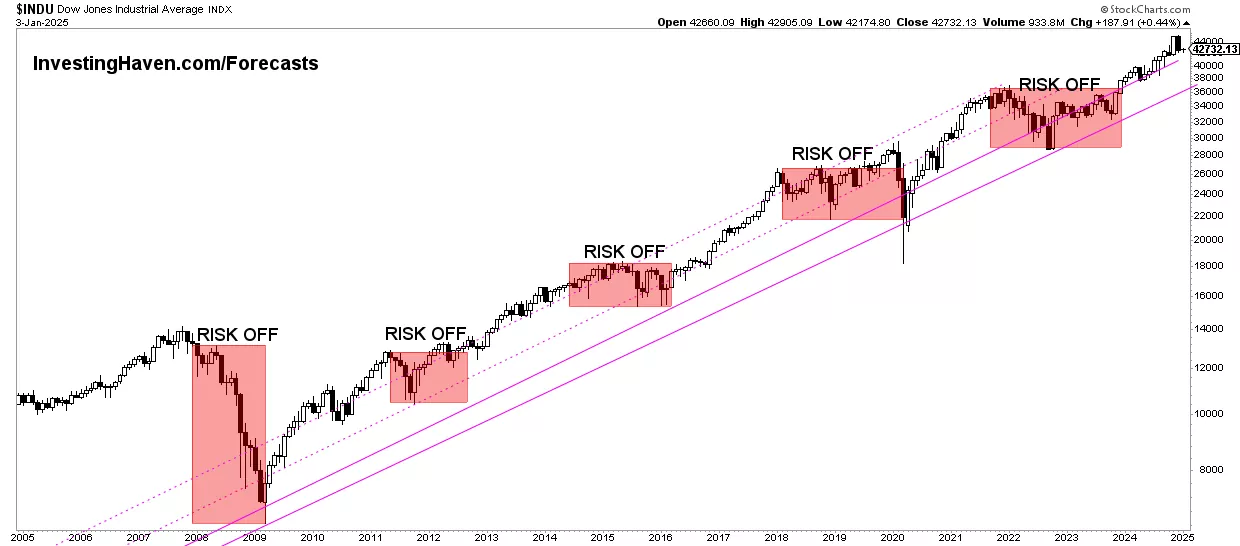
Broader economic indicators have a pervasive influence on the Dow. Data releases such as Gross Domestic Product (GDP) reports, inflation figures (like the Consumer Price Index), unemployment rates, manufacturing surveys (e.g., ISM PMI), and consumer confidence indices paint a picture of the overall economic environment. Strong GDP growth often signals a robust economy, favorable for corporate earnings and stock prices. Low unemployment generally means healthy consumer spending. Conversely, surging inflation might signal impending interest rate hikes, which can dampen corporate profits and make stocks less attractive relative to bonds. The market reacts swiftly to these data points, often adjusting the Dow’s trajectory in anticipation of their impact on corporate fundamentals.
Geopolitical Events and Global Trends
The globalized nature of the Dow’s constituent companies means that geopolitical events and international trends can significantly impact its performance. Trade wars, political instability in key regions, armed conflicts, shifts in global commodity prices (like oil), and major international agreements or disputes can all introduce uncertainty and volatility into the markets. For example, tariffs on international goods can impact the supply chains and profitability of multinational corporations, leading to investor apprehension. A global pandemic, as seen recently, can trigger widespread economic lockdowns and supply chain disruptions, causing sharp declines across indices like the Dow, even if the direct impact is felt far from Wall Street. Investors continuously monitor global headlines for any signs that might affect corporate earnings or the broader economic stability.
Central Bank Policies and Interest Rates
Perhaps one of the most significant external influences on the Dow’s performance comes from central banks, particularly the U.S. Federal Reserve. Monetary policy decisions, especially changes in benchmark interest rates, have profound effects on the cost of borrowing for companies and consumers, the attractiveness of different asset classes, and the overall pace of economic activity. When interest rates are low, borrowing is cheaper, encouraging business expansion and consumer spending, often boosting stock valuations. Higher interest rates, intended to combat inflation, can make bonds more appealing and increase borrowing costs, potentially slowing economic growth and putting downward pressure on stock prices. The Fed’s forward guidance, commentary from its officials, and the minutes from its meetings are scrutinized by investors for clues about future policy moves, which can cause immediate and significant reactions in the Dow.
Interpreting the Dow’s Movements: What it Means for You
Understanding the Dow’s daily closing value goes beyond merely knowing if it went up or down. It involves contextualizing these movements within broader financial principles to inform personal finance and investment strategies.
Short-Term Volatility vs. Long-Term Trends
One of the most crucial distinctions to make when observing the Dow is between short-term volatility and long-term trends. A single day’s closing value, or even a week’s, can be swayed by immediate news, speculative trading, or temporary market whims. These short-term fluctuations, while often grabbing headlines, typically hold little significance for long-term investors. Trying to time the market based on daily closes is notoriously difficult and often leads to suboptimal results.
Instead, a more insightful approach involves observing the Dow over longer periods – months, quarters, and years – to identify sustained trends. A consistent upward trajectory over a year, for instance, signals a bull market and robust economic expansion, whereas a prolonged decline might indicate a bear market or economic contraction. For most individuals focused on building wealth over decades, these longer-term trends are far more relevant than any single day’s close. Investing often requires patience and the ability to ride out short-term turbulence for the potential of long-term gains.
Diversification and Risk Management
Relying solely on the Dow as an indicator for your personal financial health or investment strategy is often ill-advised. The Dow represents only 30 large-cap U.S. companies, and while influential, it is not a fully diversified portfolio or a complete representation of the global economy. A prudent investment strategy emphasizes diversification across different asset classes (stocks, bonds, real estate), geographies, and company sizes.
When the Dow takes a hit, it can be unsettling. However, if your portfolio is well-diversified, other investments might perform differently, cushioning the impact. For example, during periods of stock market weakness, bonds might offer stability. Risk management, including setting appropriate asset allocations based on your financial goals and risk tolerance, is paramount. The Dow’s daily close can serve as a reminder of market dynamics, but it should not dictate impulsive portfolio changes.
Using the Dow as a Barometer, Not a Prognosticator
Think of the Dow’s daily close as a sophisticated barometer for the financial climate, rather than a crystal ball predicting the future. It reflects the current atmospheric pressure of market sentiment and economic conditions, providing valuable context for your financial planning. When the Dow closes significantly higher, it suggests a generally positive economic outlook that might support continued investment. When it closes lower, it might signal potential headwinds or a need for caution.
However, the Dow cannot accurately predict the exact timing or magnitude of future economic events or market turns. Many unforeseen factors can quickly change its direction. Instead of seeking definitive predictions from its daily movements, use the Dow as one data point among many to inform your general understanding of the financial environment. For instance, a prolonged period of market strength, as indicated by the Dow, might suggest a good time to rebalance a portfolio to lock in gains, or conversely, a period of weakness might present opportunities to invest at lower valuations, assuming a long-term horizon.
Beyond the Daily Headlines: Long-Term Perspective
While the daily closing value of the Dow Jones Industrial Average provides an immediate snapshot, a truly insightful financial perspective requires looking beyond the daily headlines and embracing a long-term view.
Historical Resilience
The history of the Dow is a testament to the long-term resilience and growth capacity of the U.S. economy and its leading corporations. Over its more than 120-year existence, the Dow has weathered numerous financial crises, recessions, wars, and technological revolutions. Despite dramatic crashes and prolonged bear markets, the index has consistently recovered and reached new all-time highs over the long run. This historical pattern offers a powerful lesson for investors: short-term volatility is inherent in markets, but the underlying engine of innovation and economic progress tends to drive asset values upward over decades.
This long-term perspective encourages investors to adopt a disciplined approach, resisting the urge to panic during downturns or chase fads during booms. Understanding the Dow’s historical resilience can foster patience and confidence, crucial attributes for successful investing and personal financial planning. It reinforces the wisdom of staying invested through market cycles, allowing the power of compounding to work its magic over time.
The Role of a Financial Advisor
For many individuals, navigating the complexities implied by the Dow’s movements can be daunting. This is where the expertise of a qualified financial advisor becomes invaluable. A professional advisor can help you understand what market movements, like the Dow’s closing, mean for your specific financial situation and goals. They can assist in crafting a personalized financial plan that accounts for your risk tolerance, time horizon, and aspirations, ensuring your investment strategy is not overly influenced by day-to-day market noise.
An advisor can provide objective guidance, helping you avoid emotional decisions that often stem from reacting to daily market swings. They can explain the nuances of diversification, risk management, tax efficiency, and estate planning, integrating your investment strategy within a holistic financial framework. Rather than speculating on “what the Dow did today,” a good advisor focuses on how you can achieve your long-term financial objectives, irrespective of short-term market fluctuations.

Building a Robust Investment Strategy
Ultimately, the closing of the Dow Jones today, or any day, should be viewed as one piece of data in the grand mosaic of your financial life. A robust investment strategy is not built on predicting daily market movements but on foundational principles: setting clear financial goals, consistently saving and investing, diversifying your portfolio, managing risk, minimizing costs, and maintaining a long-term perspective.
Whether you’re saving for retirement, a down payment, or your children’s education, your strategy should be tailored to your needs, not dictated by the latest market headlines. While keeping an eye on the Dow can provide general market awareness, true financial success comes from adhering to a well-thought-out plan, making informed decisions based on your individual circumstances, and embracing the journey of wealth accumulation with discipline and patience. The closing bell of the Dow is merely a chime in that much larger symphony of financial life.
aViewFromTheCave is a participant in the Amazon Services LLC Associates Program, an affiliate advertising program designed to provide a means for sites to earn advertising fees by advertising and linking to Amazon.com. Amazon, the Amazon logo, AmazonSupply, and the AmazonSupply logo are trademarks of Amazon.com, Inc. or its affiliates. As an Amazon Associate we earn affiliate commissions from qualifying purchases.