
For both seasoned investors and curious newcomers, understanding the operational hours of the US stock market is fundamental. It’s not just a matter of knowing when you can buy or sell; it dictates strategy, impacts liquidity, and influences market dynamics. While the core hours are relatively consistent, various factors can alter the daily rhythm, making it essential to stay informed.
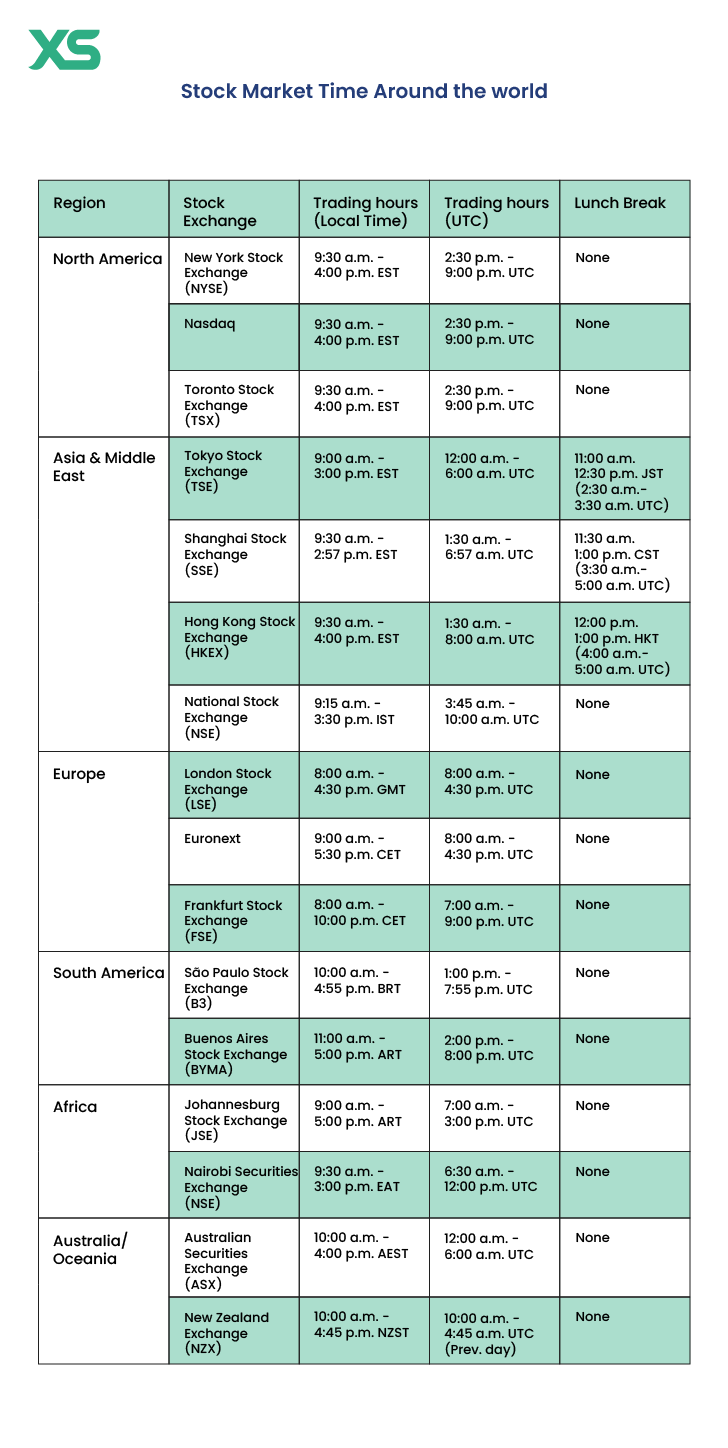
Today, like most regular trading days, the primary US stock exchanges – the New York Stock Exchange (NYSE) and the Nasdaq Stock Market (Nasdaq) – conclude their standard trading sessions at 4:00 PM Eastern Time (ET). This closing bell marks the end of the official trading day, but it’s far from the complete picture of market activity. From pre-market buzz to after-hours movements, the financial markets are a complex ecosystem that extends beyond these conventional windows.
This article delves into the intricacies of US stock market hours, exploring the standard schedule, the exceptions that every investor must know, and the extended trading sessions that offer additional opportunities and challenges. We’ll also examine the profound impact these hours have on trading strategies, liquidity, and overall market behavior.
The Standard Trading Day: NYSE and Nasdaq Hours
The backbone of US equity trading is built around a predictable daily schedule for its major exchanges. These hours have been established over decades, balancing the need for broad accessibility with the practicalities of market operations.
Regular Session Details
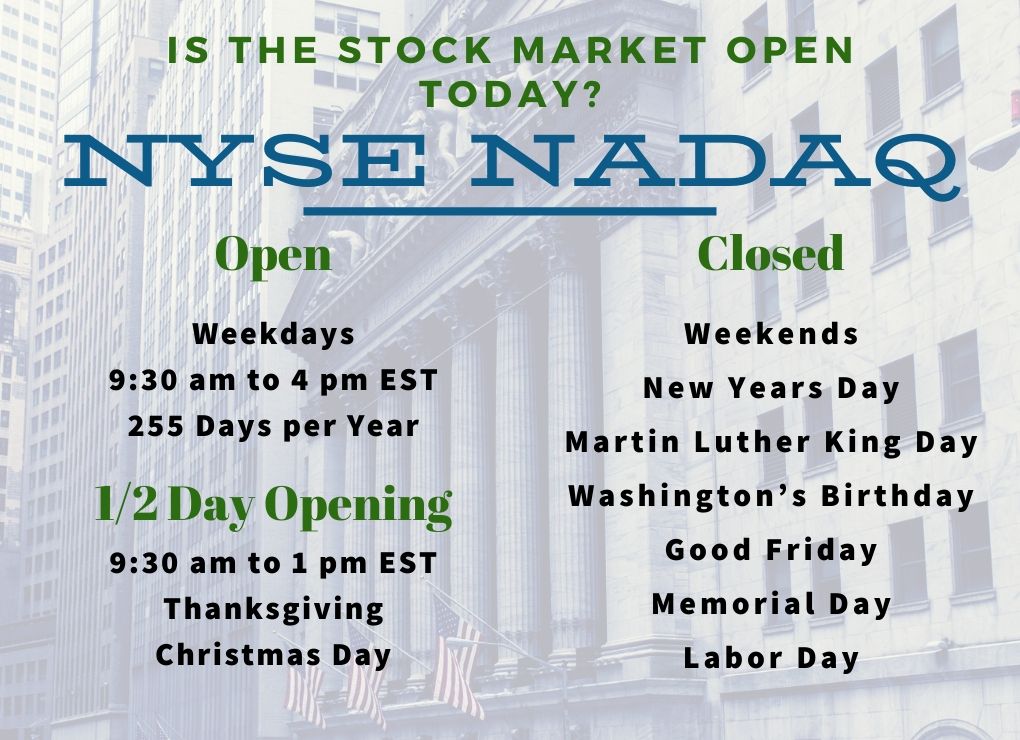
The regular trading session for both the New York Stock Exchange (NYSE) and the Nasdaq Stock Market officially begins at 9:30 AM Eastern Time (ET) and concludes at 4:00 PM Eastern Time (ET), Monday through Friday. This six-and-a-half-hour window is often referred to as “core market hours” or “standard trading hours.”
During this period, the vast majority of trading activity occurs. Billions of shares change hands daily, driven by institutional investors, hedge funds, mutual funds, and individual retail traders. The NYSE, with its iconic physical trading floor, and the Nasdaq, a fully electronic exchange, both adhere to these identical hours for their listed securities. This synchronization is crucial for maintaining fair and orderly markets, ensuring that all participants operating within these primary venues have access to the same trading windows.
A Brief History of Market Hours
The current trading hours are a result of evolution. Historically, market hours were much longer, reflecting a time before electronic trading when manual processes demanded more daylight hours. For instance, in the late 19th and early 20th centuries, the NYSE often traded from 10:00 AM to 3:00 PM or even 10:00 AM to 5:00 PM, with Saturday sessions being common until 1952. The move towards shorter hours and the elimination of Saturday trading was influenced by various factors, including the increasing complexity of trades, the growth of electronic data processing, and a desire to provide market participants with sufficient time for analysis, risk management, and preparing for the next day’s trading.
The current 9:30 AM to 4:00 PM ET schedule has been largely consistent for many decades, providing a standardized framework that allows for efficient price discovery and liquidity concentration, while also giving market participants time away from active trading to process information.
The Rationale Behind Current Hours
The choice of 9:30 AM to 4:00 PM ET is not arbitrary. It’s a carefully balanced decision designed to optimize market efficiency and participation.
-
Global Overlap: These hours allow for some overlap with European markets in the morning (ET) and Asian markets through extended trading, facilitating international capital flow.
-
Liquidity Concentration: Concentrating trading activity within a defined window ensures high liquidity, which is vital for efficient price discovery and tight bid-ask spreads. Spreading trading too thin across the day could lead to less accurate pricing and increased volatility.
-
Time for Analysis: The hours outside the standard session provide crucial time for market professionals and investors to analyze economic data, company earnings reports, news announcements, and other market-moving information without the pressure of active trading.
-
Operational Efficiency: For exchanges and brokerages, clearly defined hours allow for system maintenance, trade reconciliation, and data processing, ensuring the smooth functioning of the complex market infrastructure.
Understanding Market Holidays and Early Closures
While the 9:30 AM to 4:00 PM ET schedule is the norm, the stock market does not operate every single weekday. Public holidays and specific circumstances can lead to market closures or shortened trading days, which investors must be aware of to avoid missing opportunities or encountering unexpected delays.
Major US Holidays Affecting Markets
The US stock market observes several federal holidays, during which all trading is suspended. These closures are typically announced well in advance and are consistent across all major US exchanges. Common market holidays include:
-
New Year’s Day: January 1st
-
Martin Luther King, Jr. Day: Third Monday in January
-
Washington’s Birthday (Presidents’ Day): Third Monday in February
-
Good Friday: The Friday before Easter
-
Memorial Day: Last Monday in May
-
Juneteenth National Independence Day: June 19th
-
Independence Day: July 4th
-
Labor Day: First Monday in September
-
Thanksgiving Day: Fourth Thursday in November
-
Christmas Day: December 25th
It’s important to note that if a holiday falls on a weekend, the market typically observes the holiday on the preceding Friday or the following Monday. For example, if Christmas Day falls on a Saturday, the market might close on Friday, December 24th. Always check the official exchange calendars for precise dates.
Specific Early Closure Scenarios
Beyond full holiday closures, there are instances where the market operates on a shortened schedule, usually closing earlier than 4:00 PM ET. These early closures are less frequent but equally important to recognize. Common scenarios include:
-
Day Before or After a Holiday: Often, the market will close early (e.g., at 1:00 PM ET) on the day before or the day after a major holiday. For example, the market typically closes early on the day after Thanksgiving (Black Friday) and on Christmas Eve (if it falls on a weekday).
-
Specific Market Events: While rare, extraordinary events or technical issues could theoretically lead to unscheduled early closures or suspensions, though these are usually temporary and highly publicized.
These early closures significantly reduce the trading window, which can affect liquidity and volatility, especially as the abbreviated session draws to a close. Traders relying on end-of-day price action or news releases need to adjust their strategies accordingly.
Where to Find Up-to-Date Schedules
Given the dynamic nature of holiday schedules and potential adjustments, relying on current and official sources is paramount. The best places to find the most accurate and up-to-date information on market holidays and early closures are:
-
Official Exchange Websites: Both the NYSE (www.nyse.com) and Nasdaq (www.nasdaq.com) publish their full holiday schedules for the current and upcoming years.
-
Reputable Financial News Outlets: Major financial news organizations (e.g., Bloomberg, Wall Street Journal, Reuters, CNBC) consistently report on market closures and changes to trading hours.
-
Your Brokerage Platform: Most online brokerage platforms integrate market hour information directly into their trading interfaces and provide notifications for upcoming closures.
Always consult these sources, especially around major holidays, to ensure you have the most current information and can plan your trading and investing activities effectively.
Beyond Standard Hours: Pre-Market and After-Hours Trading
The concept of “what time the market closes” can be misleading if one only considers the 9:30 AM to 4:00 PM ET window. Modern electronic trading systems have extended the reach of the market far beyond these conventional limits, offering investors opportunities to trade during pre-market and after-hours sessions.
Pre-Market Trading Explained
Pre-market trading refers to the period before the regular 9:30 AM ET market open. For most brokerages, this session typically begins between 4:00 AM ET and 8:00 AM ET, though some platforms might offer access as early as 4:00 AM ET. During this time, investors can place buy and sell orders for stocks, allowing them to react to news that breaks overnight or before the official market open.
-
News Reaction: Companies often release earnings reports or significant announcements outside regular trading hours to allow the market time to digest the information without the immediate pressure of active trading. Pre-market trading provides an immediate avenue for investors to react to these developments.
-
Opportunity for Early Movers: Traders who successfully predict the market’s reaction to news can potentially gain an edge by trading before the broader market opens.
After-Hours Trading Mechanics
Conversely, after-hours trading takes place after the regular 4:00 PM ET market close. This session can extend until 8:00 PM ET, or even later with some platforms. Similar to pre-market trading, it allows investors to continue trading beyond the standard close, reacting to news that might be released in the late afternoon or early evening.
-
Continued Activity: Major announcements, like Federal Reserve statements, economic data, or even presidential remarks, can occur after 4:00 PM ET, leading to significant price movements in after-hours trading.
-
Flexibility: For investors who cannot trade during regular market hours due to work or other commitments, after-hours trading offers an alternative window to manage their portfolios.
Pros and Cons of Extended-Hours Trading
While extended-hours trading provides flexibility and opportunities, it comes with distinct characteristics that investors must understand:
Pros:
-
React to News Quickly: Ability to act on breaking news, earnings reports, or economic data releases outside regular hours.
-
Increased Flexibility: Allows trading for individuals with busy schedules during regular market hours.
-
Potential for Price Improvement: Savvy traders might find favorable prices if they can anticipate market reactions.
Cons:
-
Lower Liquidity: Significantly fewer participants trade during extended hours compared to the regular session. This can lead to wider bid-ask spreads, meaning a larger difference between the price buyers are willing to pay and sellers are willing to accept.
-
Increased Volatility: Lower liquidity can exacerbate price swings. A relatively small number of trades can cause disproportionately large price movements.
-
Less Transparent Pricing: The order books might be shallower, making it harder to gauge true market sentiment or find a fair price.
-
Limited Order Types: Some advanced order types might not be available during extended hours.
-
Competition: Institutional investors often have more sophisticated systems and earlier access, potentially putting retail investors at a disadvantage.
Due to these factors, extended-hours trading is generally considered higher risk and is often more suitable for experienced traders who understand its unique dynamics. New investors should exercise extreme caution and fully understand the risks involved before participating in pre-market or after-hours sessions.
Impact of Market Hours on Investors
The timing of market operations isn’t just a technical detail; it fundamentally shapes the environment in which investors operate. From the rhythm of trading to the flow of information, market hours have a profound impact on strategy, risk management, and overall investment outcomes.
Liquidity Considerations
Perhaps one of the most significant impacts of market hours is on liquidity. Liquidity refers to how easily an asset can be bought or sold without significantly affecting its price.
-
Peak Liquidity: The regular trading session (9:30 AM – 4:00 PM ET) is characterized by the highest liquidity. During these hours, millions of participants are active, leading to tight bid-ask spreads and the ability to execute large orders without moving the market excessively. This is the ideal environment for most investors, as it ensures efficient price discovery and lower transaction costs.
-
Reduced Liquidity in Extended Hours: As discussed, pre-market and after-hours sessions suffer from significantly lower liquidity. This means fewer buyers and sellers, which can lead to wider bid-ask spreads. For an investor, a wider spread translates to a higher effective cost of trading – you pay more to buy and receive less to sell. Lower liquidity also makes it harder to execute large orders, as there may not be enough counterparty interest at desirable prices.
Understanding these liquidity dynamics is crucial. Attempting to trade illiquid stocks or large positions during off-hours can result in unfavorable prices and greater price impact.
Volatility at the Open and Close
The opening and closing periods of the regular trading session are often marked by heightened volatility.
-
Opening Bell Volatility (9:30 AM ET): The market open is a flurry of activity as all the news and overnight developments that accumulated since the previous close are digested and acted upon. Overnight orders (buy/sell orders placed when the market was closed) are executed, leading to a surge in trading volume and often significant price movements. This can present opportunities for short-term traders but also carries increased risk for those caught on the wrong side of a sudden move.
-
Closing Bell Volatility (4:00 PM ET): Similarly, the market close is a period of increased activity. Traders and institutions might be rushing to execute end-of-day orders, rebalance portfolios, or “mark the close” for various financial products. This can lead to a surge in volume and price swings in the final minutes of trading. The last few minutes before the bell are often crucial for daily performance benchmarks and index rebalancing.
Investors need to be particularly cautious and alert during these periods, as rapid price changes can quickly erode profits or amplify losses.
Information Flow and Price Discovery
Market hours also dictate the flow of information and the process of price discovery.
-
Information Digestion: Many companies strategically release earnings reports or other market-moving news after the market closes or before it opens. This allows analysts and investors time to process the information without the immediate pressure of active trading, theoretically leading to a more rational and considered reaction once trading resumes.
-
Efficient Price Discovery: The concentration of trading during regular hours, coupled with the constant influx of new information, facilitates efficient price discovery. This means that the market price of a security rapidly reflects all available public information. Outside these hours, with fewer participants and often less comprehensive data, price discovery can be less efficient and more prone to distortion.
For long-term investors, the focus might be on the information itself rather than the immediate trading hours. However, for short-term traders, understanding when information is likely to be released and how it impacts trading windows is critical for developing effective strategies. This includes monitoring economic calendars and company news feeds to anticipate significant movements.
Strategies for Trading Around Market Close
Understanding market hours is not just about avoiding errors; it’s about developing informed trading strategies that leverage the unique characteristics of different trading periods. While the overall investing philosophy remains constant, the tactical approach can vary significantly depending on whether you’re trading during core hours, the very end of the day, or extended sessions.
End-of-Day Trading Strategies
The final hour, or even the final minutes, before the 4:00 PM ET close can be a fascinating and often volatile period. Several strategies are tailored for this window:
-
Closing Bell Reversals: Some traders look for stocks that have shown a strong trend throughout the day but might experience a slight reversal or consolidation just before the close as traders take profits or rebalance positions.
-
Momentum Plays: Conversely, some seek to ride strong momentum into the close, anticipating that the trend will carry over into the next day’s pre-market or open.
-
Volume Analysis: Pay close attention to volume in the final minutes. A sudden surge in volume without a corresponding price move could indicate institutional activity or potential manipulation, while high volume confirming a price trend can reinforce conviction.
-
Portfolio Rebalancing: Institutional investors often execute large orders at the end of the day to rebalance their portfolios or align with index weightings. This can lead to significant price movements in highly weighted stocks.
-
Avoiding Overnight Risk: Many day traders aim to close all their positions before 4:00 PM ET to avoid “overnight risk” – the uncertainty of what might happen while the market is closed that could negatively impact their holdings.
Risk Management Near Close
Risk management is paramount, especially during periods of increased volatility like the market open and close.
-
Tighter Stop-Loss Orders: If trading actively near the close, consider using tighter stop-loss orders to limit potential losses from sudden price swings. However, be aware that wider spreads or rapid movements might lead to “slippage,” where your order executes at a less favorable price than your stop.
-
Reduced Position Sizes: During highly volatile closing moments, reducing your position size can help mitigate risk. A smaller position means a smaller capital exposure to unexpected movements.
-
Avoid High-Impact News: Be cautious about holding positions into the close if there’s significant news expected to break after hours, especially for individual stocks that might release earnings. The after-hours reaction can be extreme.
-
Review Overnight Catalysts: Before the close, consider any potential catalysts that could affect your holdings overnight, such as economic reports from Asia or Europe, political developments, or company-specific news.

Leveraging Extended Hours (Cautiously)
Extended-hours trading can be a double-edged sword. While it offers opportunities, the heightened risk profile demands a cautious approach.
-
Focus on Highly Liquid Stocks: If you decide to trade in pre-market or after-hours, stick to large-cap, highly liquid stocks. These stocks tend to have more participants and tighter spreads even during off-hours compared to smaller, less-known companies.
-
Utilize Limit Orders: Always use limit orders during extended hours. A limit order ensures your trade executes only at your specified price or better, protecting you from wide spreads and unexpected price movements that can occur with market orders in low-liquidity environments.
-
Monitor News Closely: Extended hours are primarily driven by news. Be glued to financial news feeds and company announcements if you’re actively trading during these times.
-
Small Position Sizes: As with end-of-day trading, consider significantly smaller position sizes for extended-hours trades to manage the increased volatility and lower liquidity risks.
-
Brokerage Access: Ensure your brokerage offers extended-hours trading and understand their specific rules, hours, and available order types for these sessions. Not all brokers offer the same access or features.
In conclusion, understanding what time the US stock market closes, along with its holiday schedule and extended trading capabilities, is more than just a piece of trivia. It’s a foundational element of financial literacy for anyone involved in investing. By grasping these details, investors can better plan their strategies, manage their risks, and navigate the dynamic world of stock trading with greater confidence and insight. Always remember to consult official sources for the most current information, as market schedules can occasionally change.
aViewFromTheCave is a participant in the Amazon Services LLC Associates Program, an affiliate advertising program designed to provide a means for sites to earn advertising fees by advertising and linking to Amazon.com. Amazon, the Amazon logo, AmazonSupply, and the AmazonSupply logo are trademarks of Amazon.com, Inc. or its affiliates. As an Amazon Associate we earn affiliate commissions from qualifying purchases.